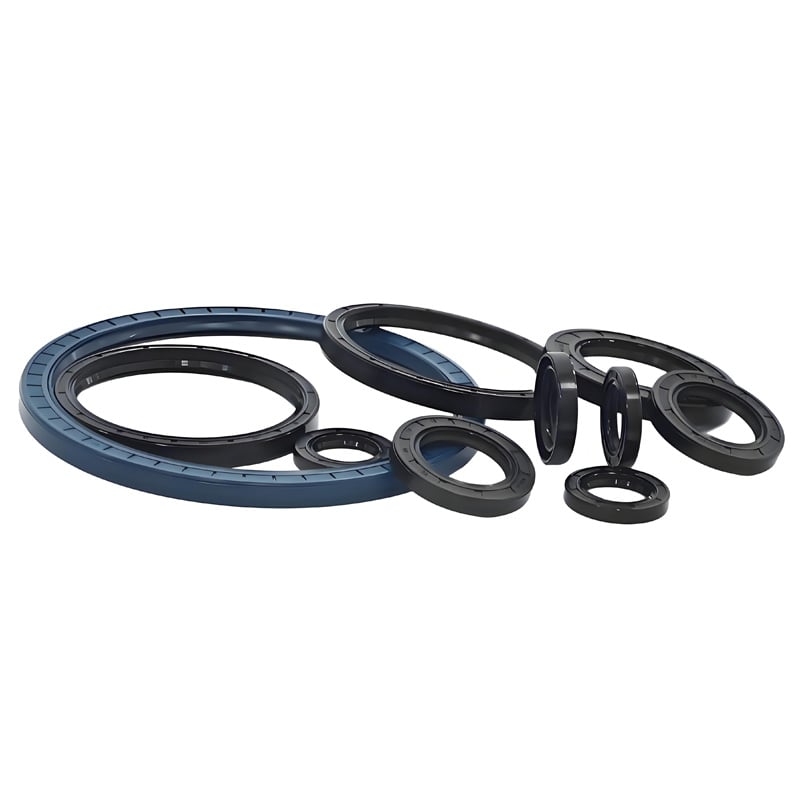
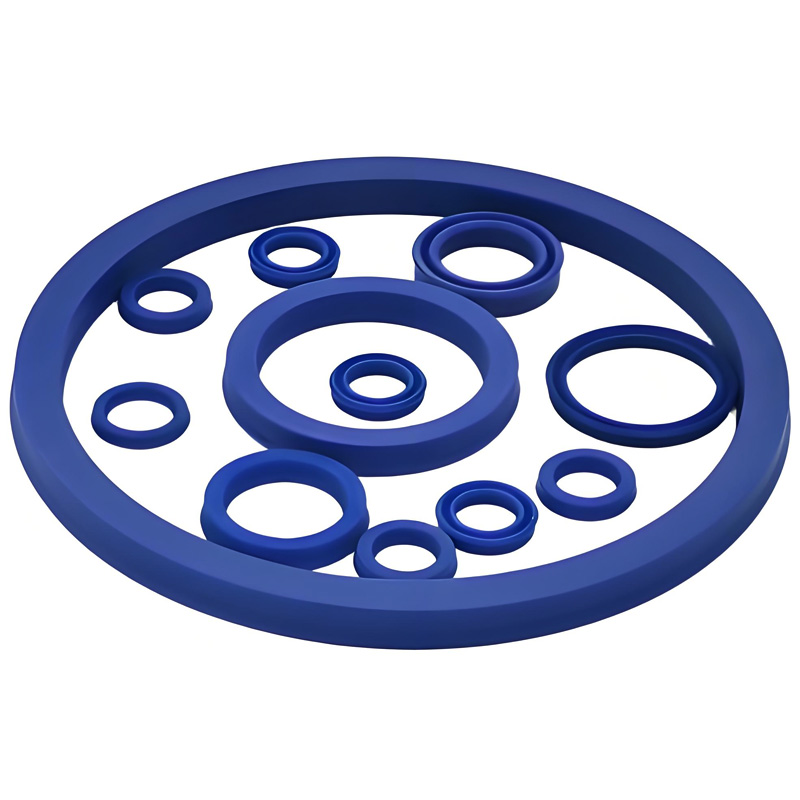
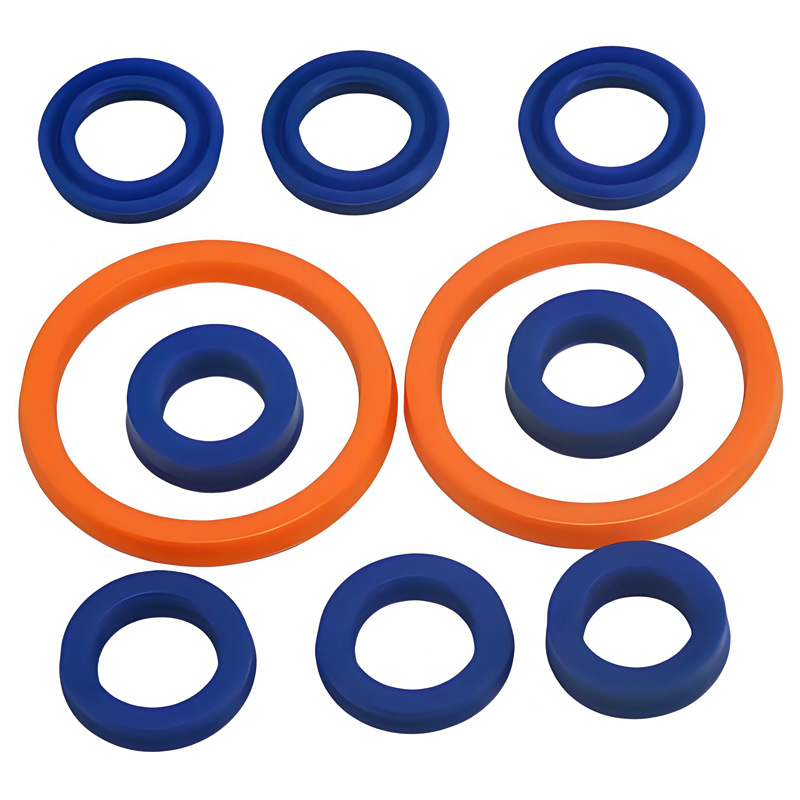
u-cup seal
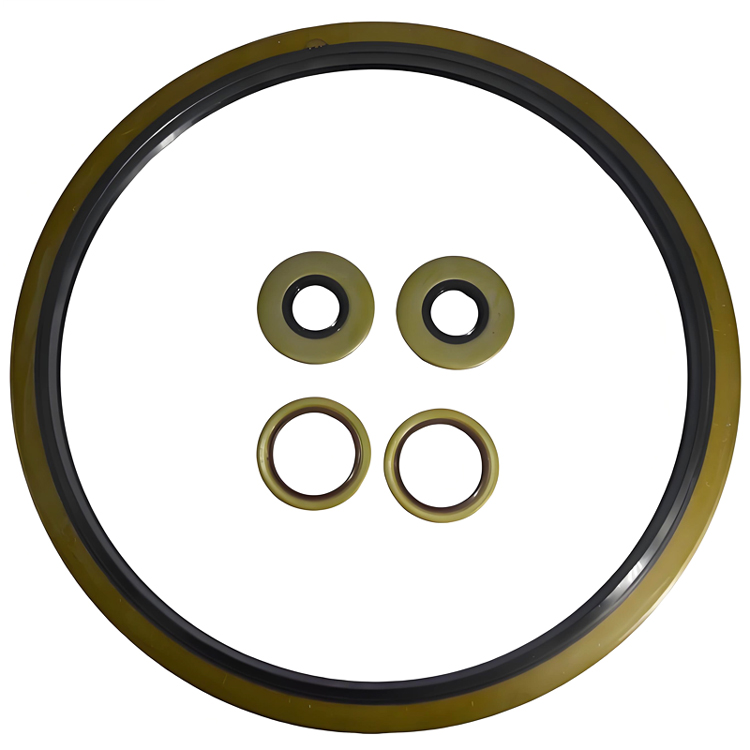
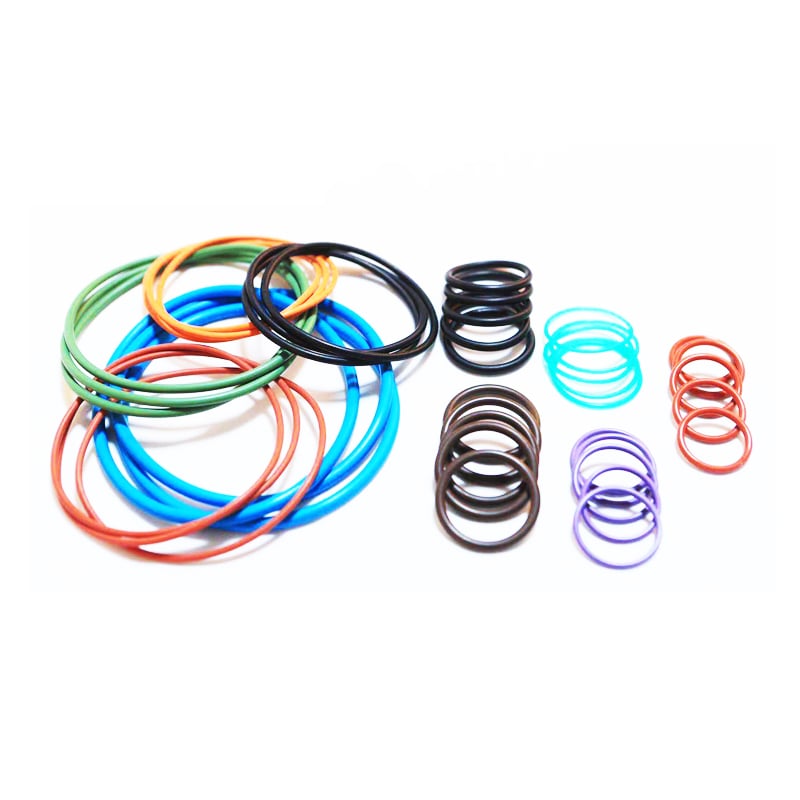
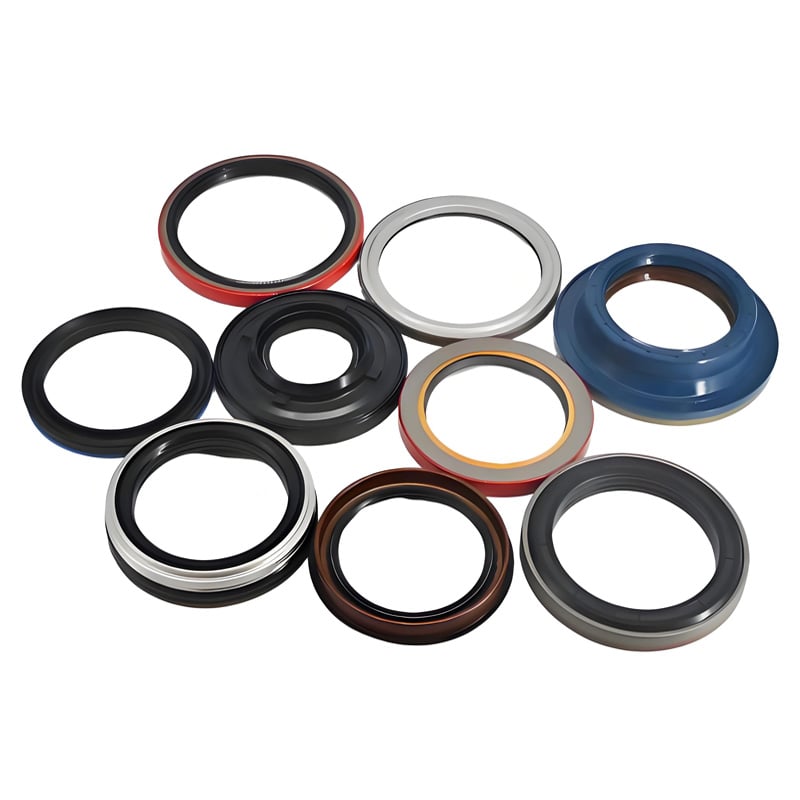
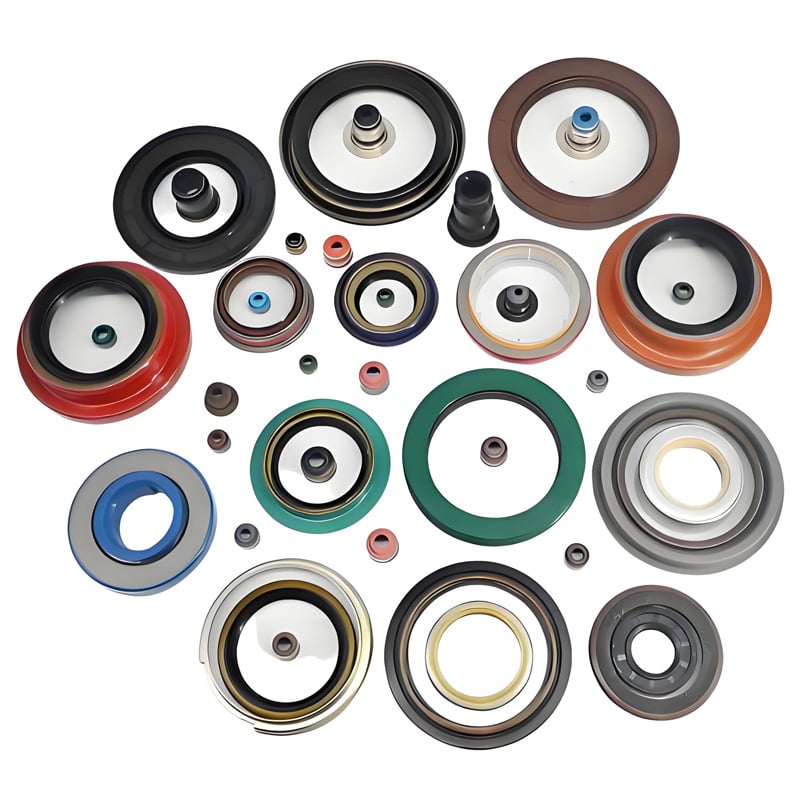
A u-cup seal is a specialized hydraulic sealing component engineered to prevent fluid leakage in dynamic and static applications across various industrial systems. This precision-engineered seal features a distinctive U-shaped cross-section that delivers exceptional performance in demanding environments. The u-cup seal operates by creating a reliable barrier between moving and stationary surfaces, effectively containing pressurized fluids while maintaining system integrity.
The technological design of a u-cup seal incorporates advanced materials and innovative geometry to withstand extreme pressures and temperature fluctuations. Modern u-cup seal construction utilizes high-performance elastomers and composite materials that resist degradation from hydraulic fluids, chemicals, and environmental factors. The seal's unique architecture allows it to accommodate slight variations in component dimensions while maintaining consistent sealing performance.
Key technological features of the u-cup seal include its self-energizing design, which increases sealing effectiveness as system pressure rises. This characteristic makes the u-cup seal particularly valuable in high-pressure hydraulic systems where conventional seals might fail. The u-cup seal also demonstrates exceptional durability in reciprocating motion applications, providing extended service life compared to traditional sealing solutions.
Applications for the u-cup seal span multiple industries including aerospace, automotive, manufacturing, and heavy equipment. The u-cup seal performs reliably in hydraulic cylinders, actuators, pumps, and control systems where precise sealing is critical. Industrial equipment manufacturers rely on u-cup seal technology to ensure operational reliability and reduce maintenance downtime. The versatility and proven performance of u-cup seal solutions make them essential components in modern industrial infrastructure.

 EN
EN