Industrial Oil Seals - Premium Sealing Solutions for Machinery Protection and Performance

All Categories

industrial oil seal

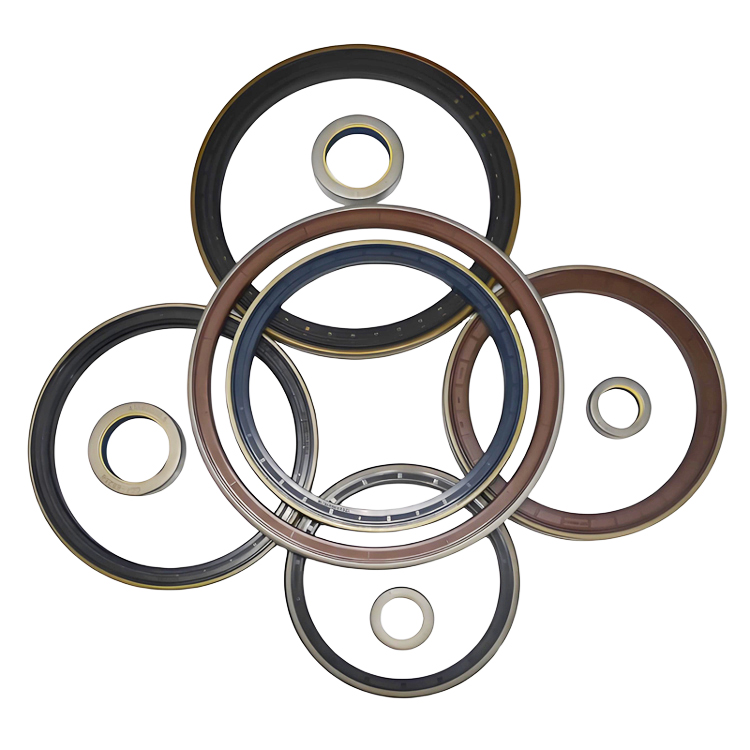
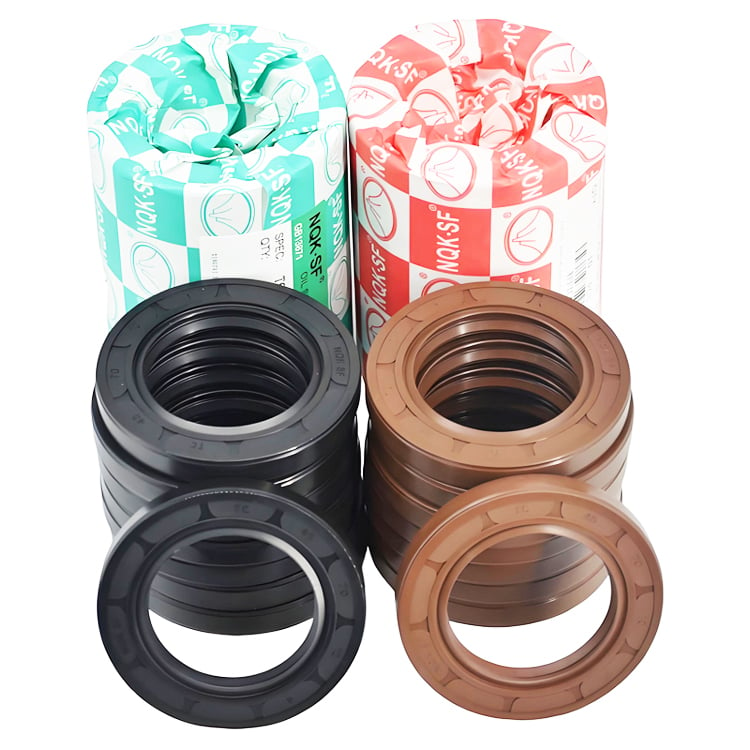
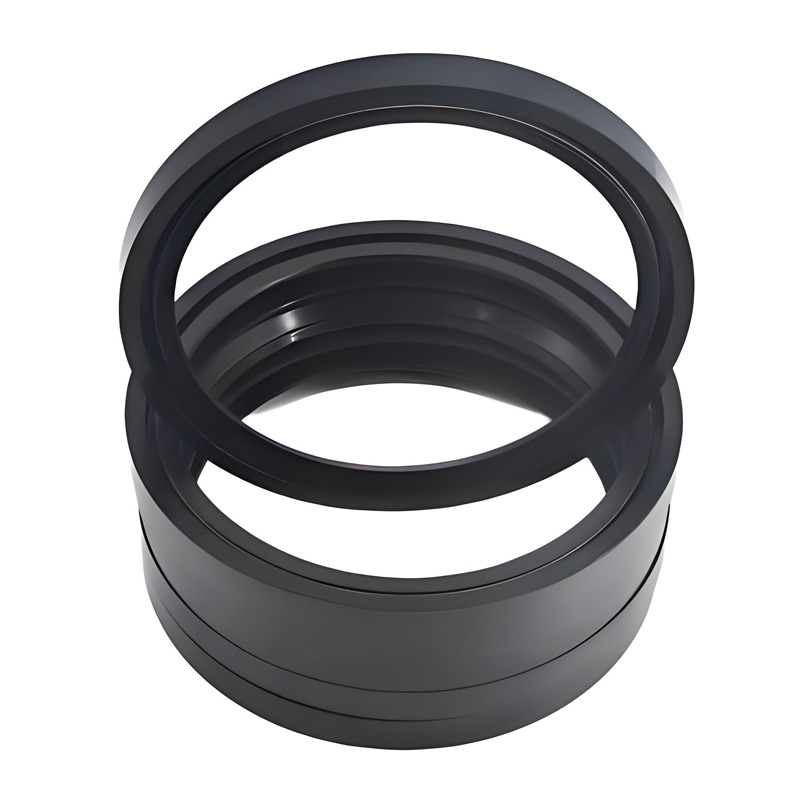
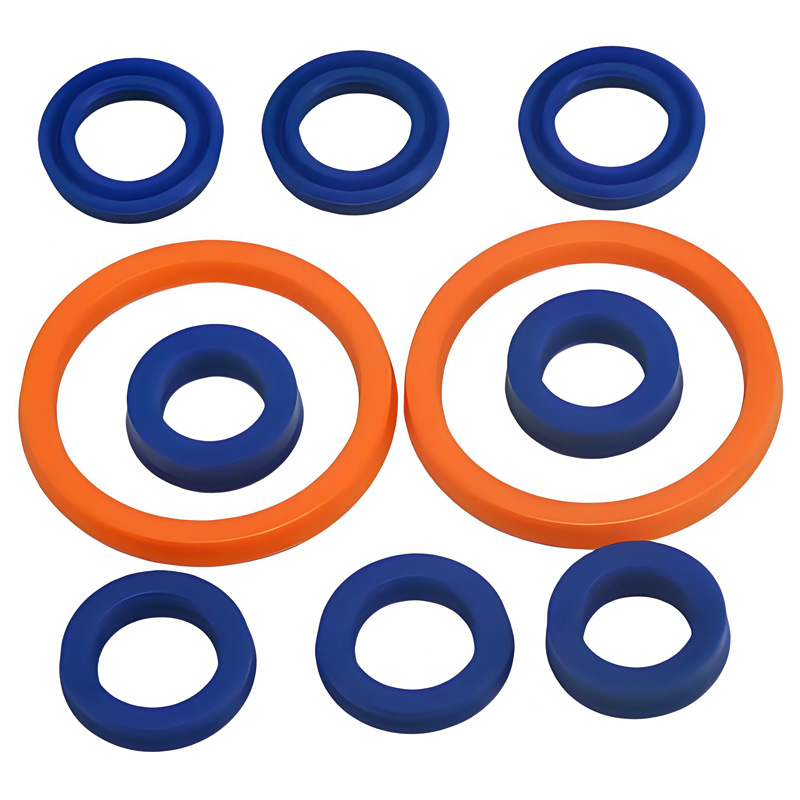
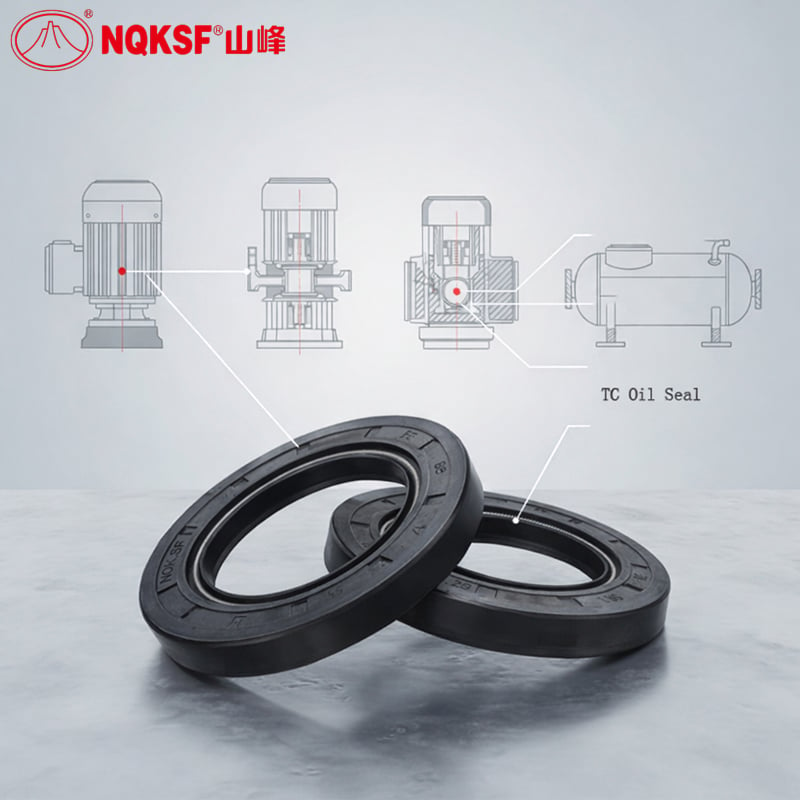
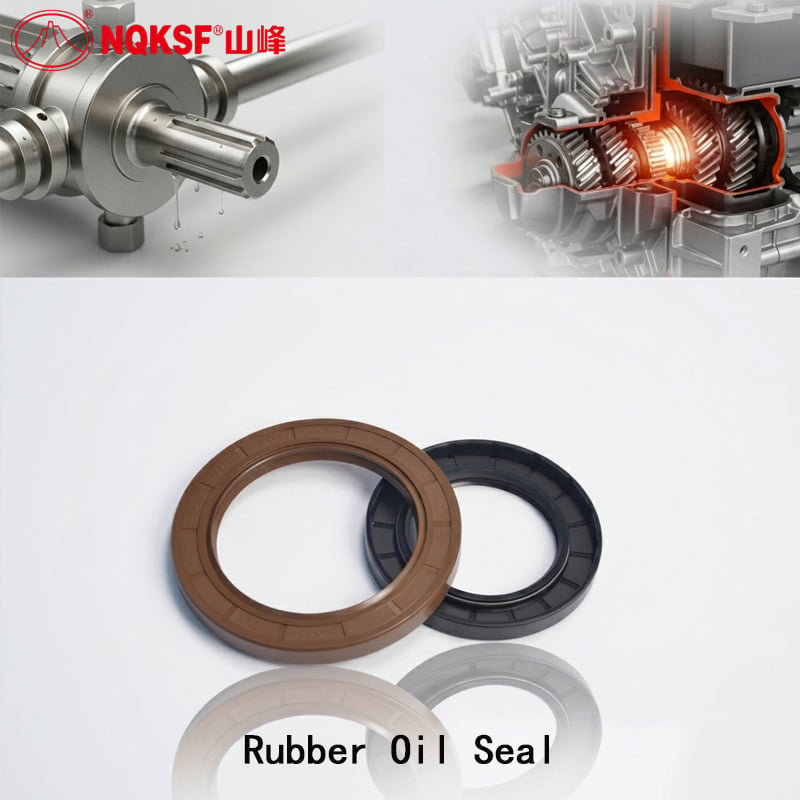
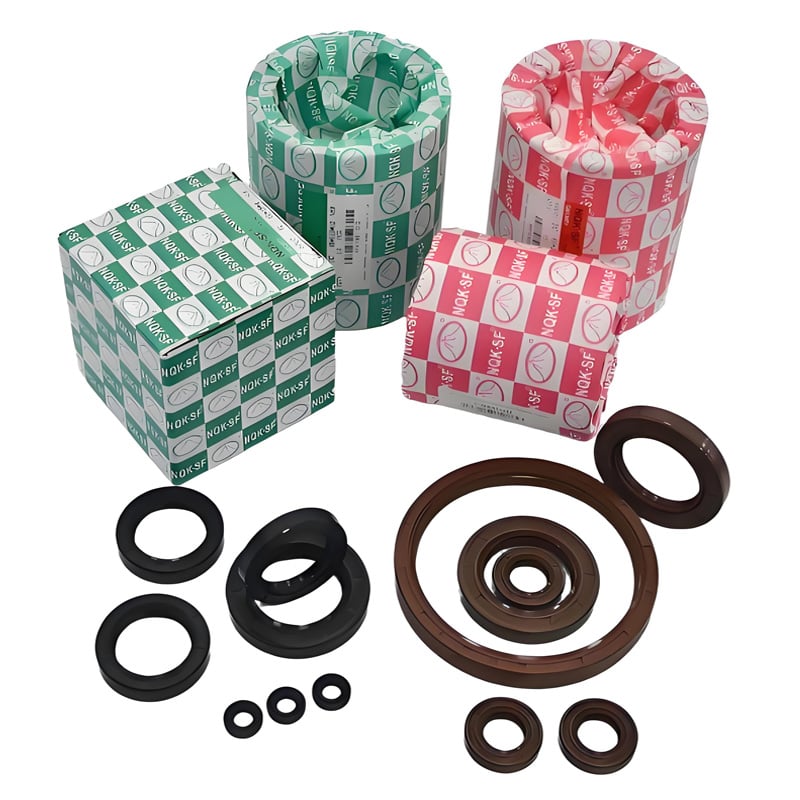
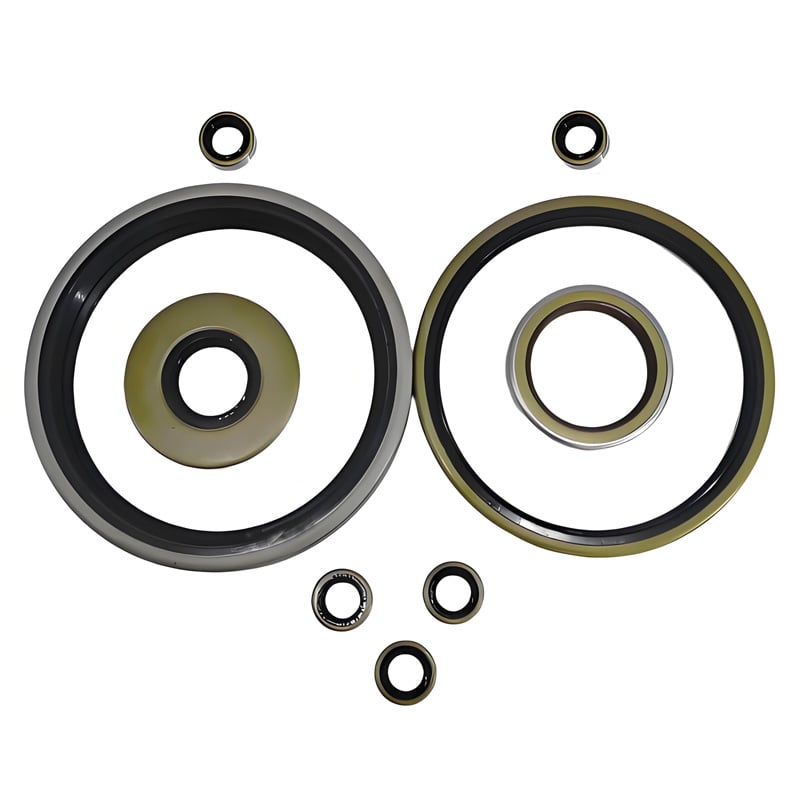
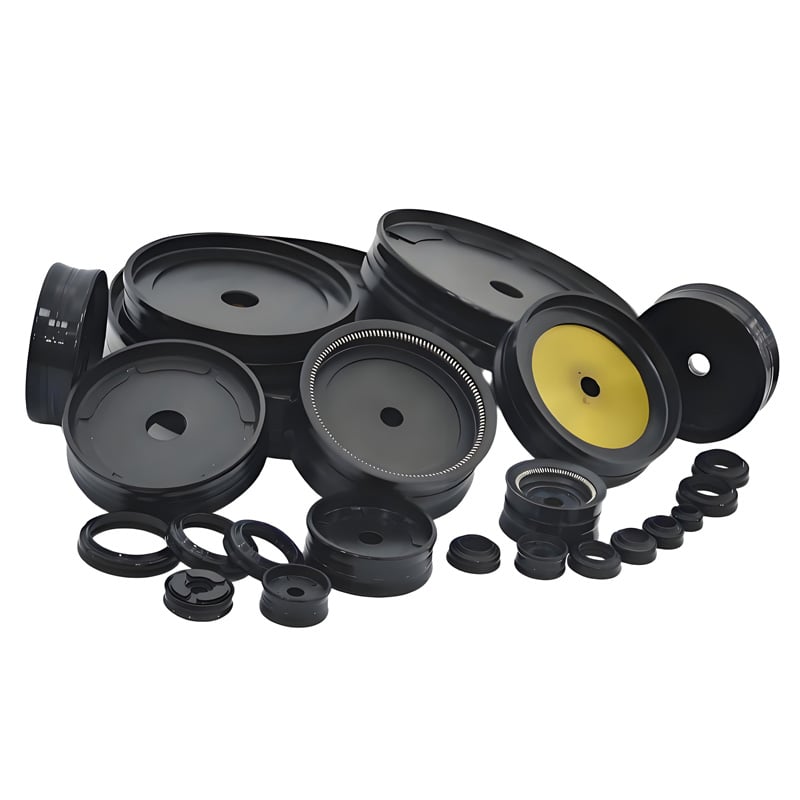
Industrial oil seals represent critical components in modern machinery and equipment, serving as protective barriers that prevent lubricant leakage while excluding harmful contaminants from entering mechanical systems. These precision-engineered devices consist of flexible elastomeric materials, typically featuring a metal case or housing combined with a sealing lip that maintains contact with rotating or reciprocating shafts. The primary function of an industrial oil seal involves creating a dynamic seal between stationary and moving parts, ensuring optimal lubrication retention within bearings, gearboxes, hydraulic systems, and various rotating assemblies. The technological features of industrial oil seals include advanced material compositions such as nitrile rubber, fluorocarbon elastomers, and polytetrafluoroethylene compounds that provide exceptional chemical resistance and temperature stability. These seals incorporate sophisticated design elements including spring-loaded lips for consistent contact pressure, dust exclusion lips for enhanced contamination protection, and specialized surface treatments that reduce friction and wear. Manufacturing processes employ precision molding techniques and strict quality control measures to ensure dimensional accuracy and performance reliability. Industrial oil seal applications span numerous sectors including automotive transmissions, industrial gearboxes, pump assemblies, compressors, agricultural equipment, construction machinery, and marine propulsion systems. In automotive applications, these seals protect transmission fluid in automatic gearboxes and differential assemblies, while industrial applications include protecting lubricants in conveyor systems, manufacturing equipment, and power transmission components. The versatility of industrial oil seals extends to specialized environments such as food processing facilities where FDA-approved materials ensure safety compliance, and chemical processing plants where aggressive media resistance becomes paramount. Modern industrial oil seal technology continues evolving through innovations in material science, computational fluid dynamics modeling for optimized lip geometry, and advanced manufacturing techniques that enhance seal longevity and performance across diverse operating conditions.

New Product Recommendations

Industrial oil seals deliver substantial cost savings by preventing expensive lubricant loss and reducing maintenance frequency in critical machinery applications. These protective components eliminate the need for constant oil replenishment, significantly lowering operational expenses while extending equipment service intervals. The superior sealing performance ensures machinery operates at peak efficiency by maintaining proper lubrication levels, which directly translates to reduced energy consumption and improved productivity. Equipment reliability increases dramatically when industrial oil seals protect internal components from dust, moisture, and other environmental contaminants that cause premature wear and failure. This enhanced protection extends machinery lifespan and reduces unexpected downtime, providing measurable return on investment through increased operational availability. Temperature resistance capabilities allow industrial oil seals to function effectively across wide operating ranges, from sub-zero conditions in refrigeration systems to high-temperature applications in automotive engines and industrial furnaces. This thermal stability ensures consistent performance regardless of environmental extremes, eliminating the need for frequent seal replacement in demanding conditions. Chemical compatibility features enable industrial oil seals to withstand exposure to various oils, fuels, hydraulic fluids, and cleaning agents without degradation, making them suitable for diverse industrial environments. The flexibility of these seals accommodates shaft misalignment and vibration while maintaining effective sealing contact, reducing stress on associated bearings and mechanical components. Installation simplicity represents another significant advantage, as most industrial oil seals require minimal tooling and can be replaced during routine maintenance without extensive machinery disassembly. Quality industrial oil seals provide predictable service life, allowing maintenance teams to schedule replacements during planned downtime rather than responding to emergency failures. Environmental benefits include reduced oil contamination risks and lower waste generation through extended lubricant service life. The precision engineering of modern industrial oil seals ensures optimal contact pressure distribution, minimizing friction losses that can reduce equipment efficiency. Customization options allow manufacturers to specify seal configurations that match exact application requirements, ensuring optimal performance in unique operating conditions. These seals contribute to workplace safety by preventing lubricant spills that create slip hazards and reducing the risk of equipment failure that could endanger personnel.

Practical Tips

What Are the Main Advantages of Using Shaft Oil Seals in Industrial Equipment?

27

Nov

What Are the Main Advantages of Using Shaft Oil Seals in Industrial Equipment?

Industrial machinery operates under demanding conditions where contamination, fluid leakage, and component wear can lead to costly downtime and equipment failure. Shaft oil seals represent one of the most critical components in maintaining machinery ...
View More
Why Do Automotive Systems Rely Heavily on Shaft Oil Seals?

27

Nov

Why Do Automotive Systems Rely Heavily on Shaft Oil Seals?

Modern automotive systems operate under extreme conditions, requiring precise engineering solutions to maintain optimal performance and longevity. Among the most critical components ensuring system reliability are shaft oil seals, which serve as the ...
View More
Which Rubber Oil Seal Materials Fit Heavy-Duty Machinery?

06

Jan

Which Rubber Oil Seal Materials Fit Heavy-Duty Machinery?

Heavy-duty machinery operates under extreme conditions that demand reliable sealing solutions to prevent fluid leakage and contamination. The selection of appropriate rubber oil seal materials plays a critical role in maintaining equipment performanc...
View More
What Are the Key Lip Design Considerations for Skeleton Oil Seals?

22

Apr

What Are the Key Lip Design Considerations for Skeleton Oil Seals?

The effectiveness of any oil seal fundamentally depends on its lip design, which forms the critical interface between the sealing element and the shaft surface. For skeleton oil seals specifically, the lip configuration determines sealing performance...
View More

Get a Free Quote

Our representative will contact you soon.
Email
Telephone
Name
Company Name
Message
0/1000

industrial oil seal

Advanced Material Technology and Chemical Resistance

Advanced Material Technology and Chemical Resistance

The foundation of superior industrial oil seal performance lies in advanced material technology that delivers exceptional chemical resistance and durability across diverse operating environments. Modern industrial oil seals utilize sophisticated elastomeric compounds including nitrile rubber (NBR), fluorocarbon elastomers (FKM), and specialized thermoplastic materials that resist degradation when exposed to petroleum-based lubricants, synthetic oils, hydraulic fluids, and aggressive chemicals. These advanced materials undergo rigorous testing protocols to ensure compatibility with specific media, preventing seal swelling, hardening, or chemical breakdown that compromises sealing integrity. The molecular structure of these elastomers provides inherent resistance to ozone, ultraviolet radiation, and oxidation, extending service life in outdoor applications and high-temperature environments. Specialized compound formulations incorporate antioxidants, plasticizers, and reinforcing fillers that enhance mechanical properties while maintaining flexibility across temperature extremes. The chemical resistance of premium industrial oil seals enables operation in harsh industrial environments where exposure to cleaning solvents, process chemicals, and contaminated lubricants would quickly degrade inferior sealing materials. Advanced polymer technology allows manufacturers to customize material properties for specific applications, such as developing low-temperature compounds for arctic equipment or high-temperature formulations for automotive transmissions. The cross-linking density of elastomeric materials directly influences compression set resistance, ensuring industrial oil seals maintain effective sealing contact throughout their service life. Surface treatments and specialized coatings further enhance chemical resistance while reducing friction between the seal lip and shaft surface. Quality control processes include accelerated aging tests that simulate years of chemical exposure in compressed timeframes, validating long-term performance predictions. The investment in advanced material technology translates directly to reduced maintenance costs, extended equipment life, and improved operational reliability for end users across industries ranging from agriculture to aerospace manufacturing.
Precision Engineering for Optimal Sealing Performance

Precision Engineering for Optimal Sealing Performance

Precision engineering represents the cornerstone of effective industrial oil seal design, encompassing sophisticated geometric optimization and manufacturing precision that ensures reliable sealing performance across diverse operating conditions. The seal lip geometry undergoes extensive computational fluid dynamics analysis to optimize contact pressure distribution, minimize friction losses, and enhance sealing effectiveness while accommodating shaft tolerances and surface finishes. Advanced manufacturing processes including precision molding, automated trimming, and quality inspection systems maintain dimensional tolerances measured in thousandths of an inch, ensuring consistent performance across production volumes. The spring-loaded design of premium industrial oil seals incorporates carefully calibrated garter springs that maintain optimal lip contact pressure as elastomeric materials experience normal aging and compression set. Engineering teams utilize finite element analysis to predict seal behavior under various loading conditions, enabling design optimization that maximizes sealing effectiveness while minimizing power consumption from friction losses. The integration of secondary sealing lips provides enhanced contamination exclusion capabilities, creating multiple barriers against dust, moisture, and abrasive particles that could compromise primary sealing performance. Precision machining of metal housings ensures proper seal installation and prevents cocking or distortion that reduces sealing effectiveness. The relationship between shaft surface finish, material hardness, and seal lip design receives careful consideration to optimize wear characteristics and extend service life. Advanced metrology equipment including coordinate measuring machines and optical comparators verify critical dimensions throughout the manufacturing process, ensuring each industrial oil seal meets stringent performance specifications. The engineering precision extends to packaging and handling procedures that prevent damage during shipping and storage, maintaining seal integrity until installation. Dynamic testing procedures simulate real-world operating conditions, validating seal performance under combined rotational speeds, temperatures, and pressure differentials. This comprehensive engineering approach ensures industrial oil seals deliver predictable performance, enabling equipment manufacturers and maintenance professionals to specify components with confidence in their long-term reliability and effectiveness.
Versatile Applications and Industry-Specific Solutions

Versatile Applications and Industry-Specific Solutions

The remarkable versatility of industrial oil seals enables their successful implementation across an extensive range of industries and applications, from heavy construction equipment to precision manufacturing systems, demonstrating their adaptability to diverse operational requirements. Automotive applications represent a significant market segment where industrial oil seals protect transmission fluids in automatic gearboxes, differential assemblies, and transfer cases, ensuring reliable power transmission while preventing costly lubricant loss. Agricultural equipment relies heavily on industrial oil seals to protect hydraulic systems, gearboxes, and implement drives from contamination in dusty, debris-laden environments where seal performance directly impacts equipment availability during critical farming seasons. Construction machinery applications include protecting hydraulic cylinder seals, swing motor assemblies, and final drive components where exposure to extreme temperatures, abrasive materials, and high-pressure operations demands exceptional seal durability. Marine applications present unique challenges including saltwater exposure, extreme temperature variations, and constant vibration, requiring specialized industrial oil seal formulations that resist corrosion while maintaining flexibility in harsh oceanic environments. Food processing equipment utilizes FDA-approved industrial oil seal materials that provide effective sealing while meeting strict hygiene standards and chemical compatibility requirements with cleaning agents and sanitizers. The aerospace industry demands industrial oil seals that function reliably at extreme altitudes, temperature variations, and exposure to aviation fuels and hydraulic fluids, requiring specialized certification and traceability documentation. Manufacturing equipment applications encompass conveyor systems, robotic assemblies, and precision machining centers where consistent lubrication protection ensures continuous production capabilities and product quality standards. Power generation facilities rely on industrial oil seals in turbine assemblies, pump systems, and cooling equipment where failure could result in significant downtime and revenue loss. Mining operations utilize heavy-duty industrial oil seals designed to withstand extreme shock loads, abrasive contamination, and continuous operation in underground environments. The customization capabilities of modern industrial oil seal manufacturers enable development of application-specific solutions that address unique operational challenges, ensuring optimal performance across diverse industries while providing cost-effective sealing solutions that enhance equipment reliability and operational efficiency.

Get a Free Quote

Our representative will contact you soon.
Email
Telephone
Name
Company Name
Message
0/1000