End Cap Seal Solutions: Superior Pressure Retention and Chemical Resistance Technology

All Categories

end cap seal

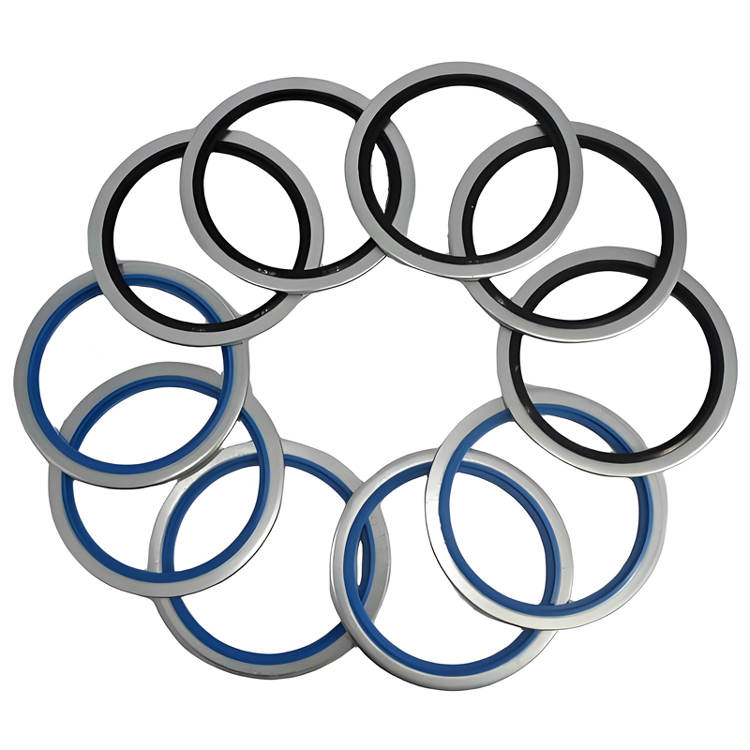
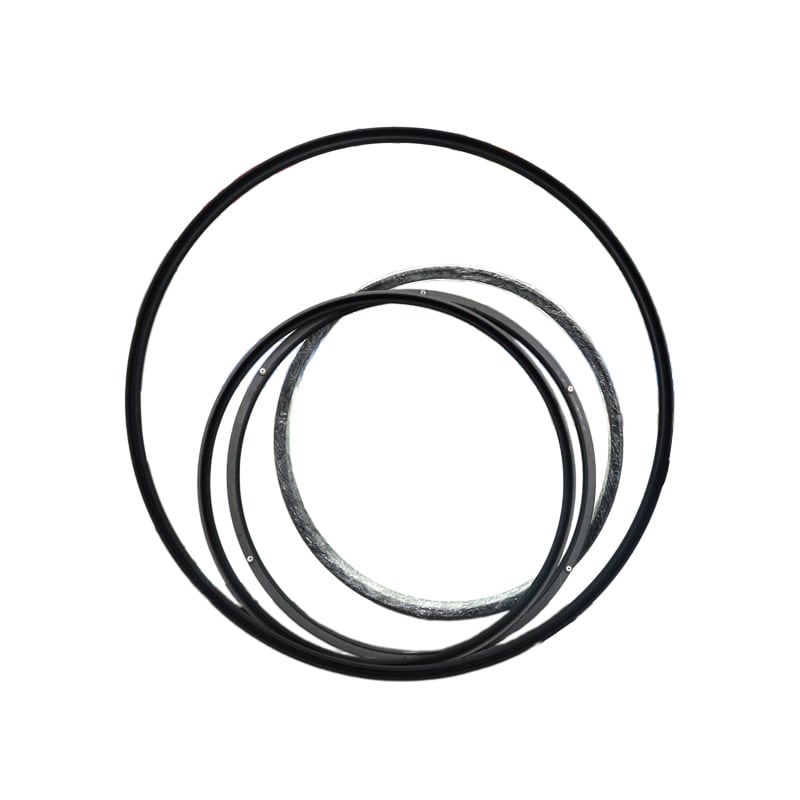
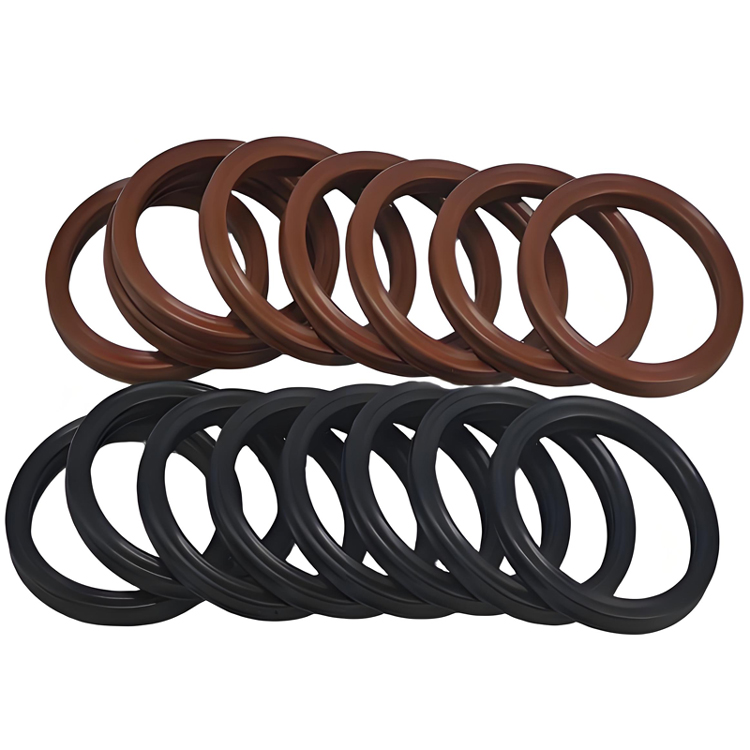
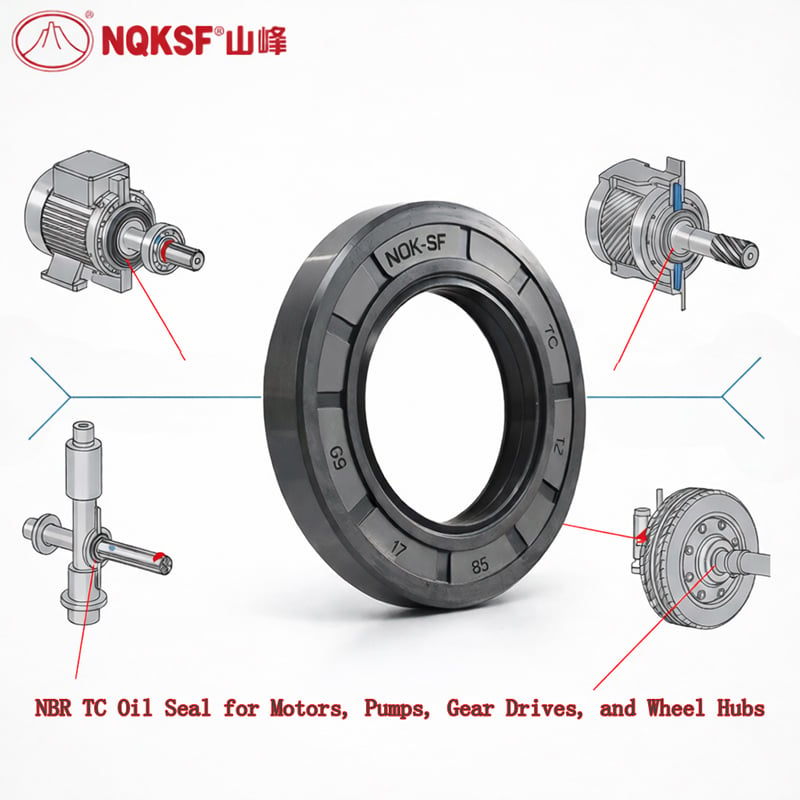
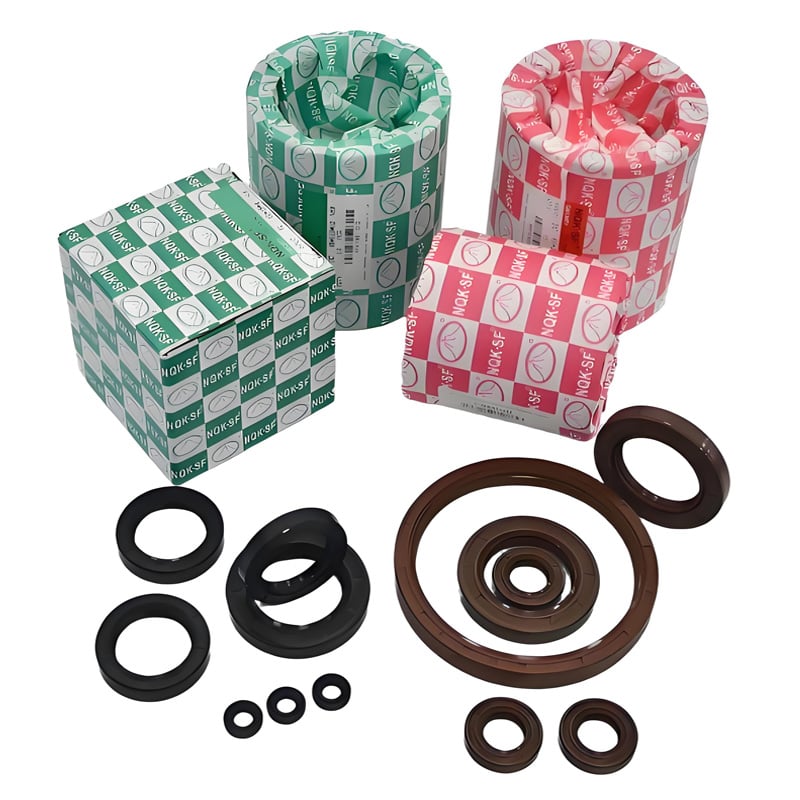
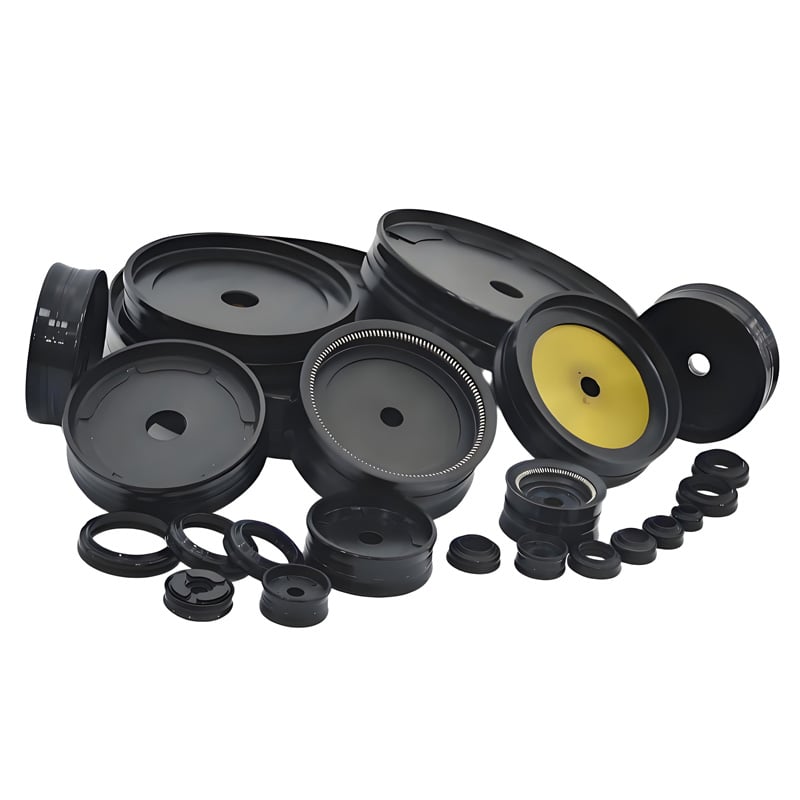
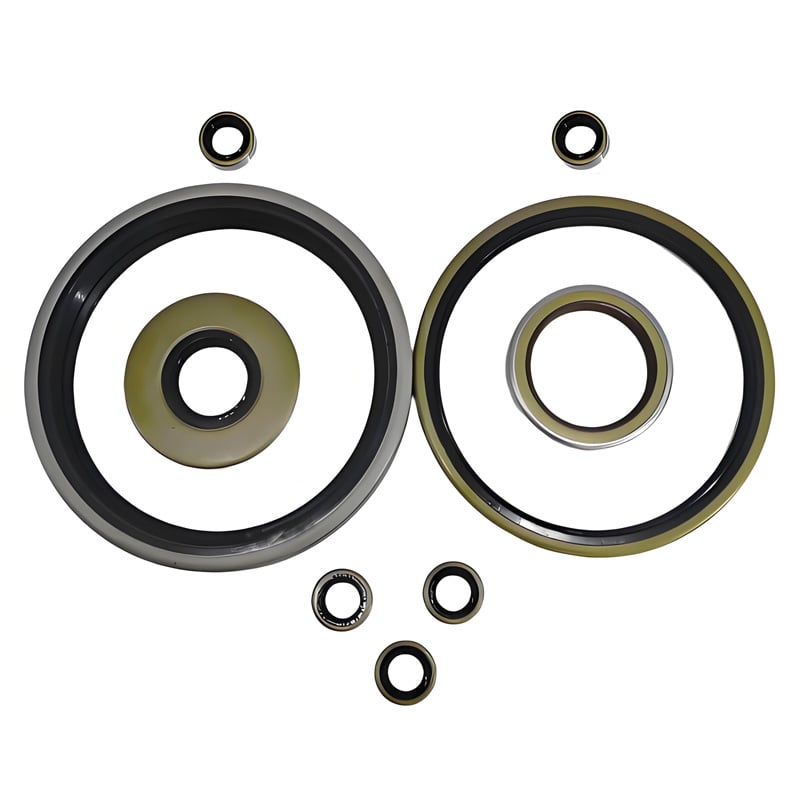
An end cap seal represents a crucial sealing component designed to provide reliable closure and protection at the terminal points of various mechanical systems, pipes, and equipment assemblies. This specialized sealing solution effectively prevents fluid leakage, contamination ingress, and pressure loss in critical applications across multiple industries. The end cap seal functions as a barrier that maintains system integrity by creating a secure interface between the end cap and the main body of the equipment or piping system. Modern end cap seal designs incorporate advanced materials and engineering principles to deliver exceptional performance under demanding operational conditions. These seals typically feature elastomeric compounds, thermoplastic materials, or composite constructions that provide optimal flexibility, durability, and chemical resistance. The technological sophistication of contemporary end cap seal solutions enables them to withstand extreme temperatures, aggressive chemicals, and high-pressure environments while maintaining their sealing effectiveness over extended service periods. Manufacturing processes for end cap seal components employ precision molding, machining, and quality control protocols to ensure dimensional accuracy and consistent performance characteristics. The versatility of end cap seal applications spans hydraulic systems, pneumatic equipment, automotive components, aerospace assemblies, industrial machinery, and marine installations. These sealing solutions prove indispensable in hydraulic cylinders, where they prevent fluid escape and maintain system pressure for optimal operational efficiency. Pneumatic applications rely on end cap seal technology to preserve compressed air integrity and prevent energy losses that could compromise system performance. The automotive sector utilizes end cap seal components in transmission systems, brake assemblies, and suspension components to ensure reliable operation and safety. Industrial manufacturing processes depend on end cap seal reliability to maintain production efficiency and prevent costly downtime associated with seal failures. The marine environment presents unique challenges that end cap seal solutions address through specialized materials resistant to saltwater corrosion and extreme weather conditions.

New Product Releases

The primary advantage of implementing an end cap seal solution lies in its exceptional ability to prevent fluid leakage and maintain system pressure integrity across diverse applications. This sealing technology delivers immediate cost savings by eliminating product loss, reducing maintenance requirements, and extending equipment service life through reliable protection against contamination and wear. Users benefit from simplified installation procedures that minimize labor costs and reduce system downtime during maintenance operations. The end cap seal design allows for quick replacement and servicing without requiring extensive disassembly of surrounding components. Energy efficiency improvements result from the superior sealing performance that prevents pressure drops and maintains optimal system operation. Manufacturing facilities experience increased productivity due to reduced equipment failures and unplanned maintenance interruptions. The versatile compatibility of end cap seal components with various fluids, including hydraulic oils, water, compressed air, and specialized chemicals, makes them suitable for multiple applications within a single facility. Environmental benefits emerge from the reduced risk of fluid spills and contamination that could impact surrounding areas or violate regulatory compliance standards. Quality control advantages become apparent through consistent sealing performance that eliminates variables affecting product quality and process reliability. The durability characteristics of modern end cap seal materials translate into extended replacement intervals and reduced inventory requirements for maintenance departments. Temperature stability ensures reliable operation across seasonal variations and extreme operating conditions without compromising sealing effectiveness. Chemical resistance properties protect against degradation from exposure to aggressive substances, acids, bases, and solvents commonly encountered in industrial processes. The compact design profile of end cap seal solutions enables their integration into space-constrained applications without requiring extensive modifications to existing equipment. Pressure handling capabilities accommodate both low-pressure and high-pressure systems with appropriate seal selection and proper installation techniques. Testing and validation procedures verify end cap seal performance before installation, providing confidence in system reliability and operational safety. The availability of custom configurations allows engineers to specify seal dimensions and materials that meet specific application requirements and performance criteria. Supply chain advantages include widespread availability, competitive pricing, and reliable delivery schedules that support project timelines and maintenance planning.

Practical Tips

Which Rubber Oil Seal Materials Fit Heavy-Duty Machinery?

06

Jan

Which Rubber Oil Seal Materials Fit Heavy-Duty Machinery?

Heavy-duty machinery operates under extreme conditions that demand reliable sealing solutions to prevent fluid leakage and contamination. The selection of appropriate rubber oil seal materials plays a critical role in maintaining equipment performanc...
View More
Which Sealing Ring Specifications Matter for Industrial Applications?

06

Jan

Which Sealing Ring Specifications Matter for Industrial Applications?

Industrial sealing applications demand precise attention to ring specification details that directly impact operational efficiency and system reliability. Understanding the critical parameters that define effective sealing performance helps engineers...
View More
Recommended Oil Seal Brands?

06

Jan

Recommended Oil Seal Brands?

Understanding the Role of Oil Seal Quality in Industrial Systems Oil Seal is a critical component in modern mechanical and industrial systems. Whether used in automotive drivetrains, industrial gearboxes, hydraulic equipment, or heavy-duty machinery,...
View More
Complete Guide to Oil Seal Models?

06

Jan

Complete Guide to Oil Seal Models?

Structure and Classification of Modern Oil Seal Systems In industrial equipment, automotive assemblies, and precision machinery, the oil seal plays a foundational role in ensuring stable operation. While it is often treated as a standard component, t...
View More

Get a Free Quote

Our representative will contact you soon.
Email
Telephone
Name
Company Name
Message
0/1000

end cap seal

Superior Pressure Retention Technology

Superior Pressure Retention Technology

The advanced pressure retention capability of end cap seal systems represents a fundamental breakthrough in sealing technology that directly impacts operational efficiency and system reliability. This sophisticated sealing mechanism utilizes engineered material compounds and precision manufacturing techniques to create an impermeable barrier capable of withstanding extreme pressure differentials without compromising seal integrity. The pressure retention technology incorporates multiple sealing interfaces that work synergistically to prevent bypass leakage even under dynamic loading conditions. Advanced elastomeric formulations provide the necessary flexibility to accommodate thermal expansion and contraction while maintaining constant contact pressure against sealing surfaces. The geometric design of the end cap seal incorporates stress distribution features that prevent localized deformation and premature failure under high-pressure conditions. Manufacturing quality control processes ensure consistent material properties and dimensional accuracy that are essential for reliable pressure containment. Field testing demonstrates that properly installed end cap seal components can maintain pressure integrity for thousands of operating cycles without degradation. The pressure retention characteristics remain stable across temperature variations, ensuring consistent performance in applications subject to thermal cycling. Specialized lip designs and contact geometries optimize the sealing interface to minimize friction while maximizing sealing effectiveness. The material selection process considers factors such as pressure rating, temperature range, chemical compatibility, and dynamic operating conditions to ensure optimal performance. Engineering validation procedures verify pressure retention capabilities through standardized testing protocols that simulate real-world operating conditions. The robust construction of end cap seal assemblies prevents extrusion and blowout failures that commonly affect inferior sealing solutions. Maintenance personnel appreciate the predictable performance characteristics that enable accurate service interval planning and inventory management. The pressure retention technology enables system designers to specify higher operating pressures without compromising safety margins or requiring additional containment measures.
Enhanced Chemical Compatibility and Resistance

Enhanced Chemical Compatibility and Resistance

The exceptional chemical compatibility and resistance properties of modern end cap seal materials provide unprecedented protection against degradation from exposure to aggressive substances, corrosive chemicals, and extreme operating environments. This advanced material technology incorporates specialized polymer compounds, additives, and cross-linking agents that create molecular structures inherently resistant to chemical attack and environmental deterioration. The chemical resistance characteristics enable end cap seal applications in industries such as chemical processing, pharmaceutical manufacturing, food production, and petrochemical refining where exposure to harsh chemicals is routine. Comprehensive material testing validates compatibility with hundreds of different chemicals, solvents, acids, bases, and specialized fluids to ensure safe and reliable operation. The molecular engineering approach to material formulation creates stable polymer networks that resist swelling, softening, and degradation when exposed to aggressive chemicals. Temperature stability combines with chemical resistance to provide reliable performance in applications involving heated chemicals or extreme operating temperatures. The non-reactive nature of advanced end cap seal materials prevents contamination of process fluids and maintains product purity in sensitive applications. Quality assurance procedures include accelerated aging tests that simulate years of chemical exposure to verify long-term material stability and performance. The chemical compatibility database provides engineers with detailed information for material selection based on specific application requirements and operating conditions. Regulatory compliance considerations are addressed through material certifications that meet industry standards for food contact, pharmaceutical applications, and environmental safety. The resistance to oxidation and UV degradation ensures reliable outdoor applications and extended service life in challenging environmental conditions. Manufacturing processes incorporate stabilizers and antioxidants that enhance chemical resistance and prevent premature degradation during storage and operation. Field experience demonstrates superior performance in applications involving continuous chemical exposure where conventional sealing materials fail prematurely. The broad chemical compatibility eliminates the need for multiple seal inventories and simplifies maintenance procedures in facilities handling diverse chemical products.
Simplified Installation and Maintenance Procedures

Simplified Installation and Maintenance Procedures

The innovative design approach of contemporary end cap seal solutions prioritizes ease of installation and maintenance accessibility, resulting in significant reductions in labor costs, system downtime, and technical skill requirements for field personnel. This user-friendly engineering philosophy incorporates intuitive installation procedures, foolproof orientation features, and simplified replacement protocols that enable rapid service completion without specialized tools or extensive training. The streamlined installation process eliminates complex alignment procedures and reduces the risk of installation errors that could compromise sealing performance or damage equipment components. Quick-release mechanisms and snap-fit designs allow for rapid seal replacement during routine maintenance operations without requiring complete system disassembly. The maintenance-friendly design incorporates visual inspection features that enable personnel to assess seal condition without invasive disassembly procedures. Standardized dimensions and interface specifications ensure compatibility across multiple equipment types and manufacturers, reducing inventory complexity and training requirements. The robust construction tolerates minor installation variations and operator errors without compromising sealing effectiveness or long-term reliability. Installation guides and technical documentation provide clear instructions and troubleshooting information that support field personnel in achieving optimal installation results. The modular design approach enables partial replacement of seal components rather than complete assembly replacement, reducing material costs and waste generation. Compatibility with standard tools and equipment eliminates the need for specialized installation apparatus or costly service procedures. The predictable service life characteristics enable proactive maintenance scheduling that prevents unexpected failures and costly emergency repairs. Training requirements are minimized through intuitive design features and comprehensive documentation that enables personnel to achieve competency quickly. The simplified maintenance procedures reduce system downtime and enable maintenance operations during planned shutdown periods rather than requiring emergency interruptions. Field feedback demonstrates consistently successful installation results across diverse applications and operator skill levels. The design philosophy emphasizes reliability through simplicity, ensuring that proper installation and maintenance can be achieved consistently across different facilities and operating conditions.

Get a Free Quote

Our representative will contact you soon.
Email
Telephone
Name
Company Name
Message
0/1000