
 EN
EN
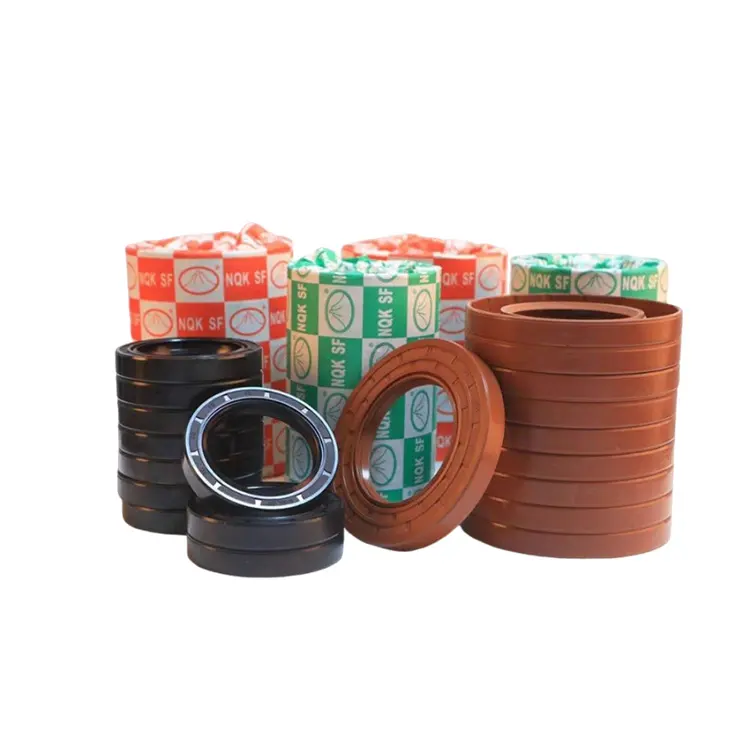
Jakość wykończenia powierzchni wału stanowi jeden z najważniejszych czynników decydujących o długotrwałej wydajności i niezawodności systemu pierścienia uszczelniającego. Gdy maszyny przemysłowe pracują w trudnych warunkach, mikroskopowa interakcja między powierzchnią wału a pierścieniem uszczelniającym ma bezpośredni wpływ na integralność uszczelnienia, charakter zużycia oraz czas pracy urządzenia. Zrozumienie, dlaczego jakość wykończenia powierzchni ma takie znaczenie, wymaga przeanalizowania podstawowego związku między cechami powierzchni a funkcjonalnością pierścienia uszczelniającego w różnych zastosowaniach przemysłowych.
Dokładność produkcji i kontrola jakości powierzchni uległy znacznemu rozwojowi, aby spełnić surowe wymagania współczesnych zastosowań pierścieni uszczelniających. Mikroskopowa topografia powierzchni wału stanowi podstawę, na której opiera się wydajność pierścieni uszczelniających, wpływając na wszystko – od początkowego kontaktu uszczelnienia po odporność na zużycie w długim okresie eksploatacji. Inżynierowie oraz specjaliści ds. konserwacji zdają sobie sprawę, że niewłaściowa przygotowanie powierzchni wału może skompromitować nawet najwyższej klasy pierścień uszczelniający, prowadząc do przedwczesnego uszkodzenia i kosztownego przestoju.
Wpływ chropowatości powierzchni na kontakt pierścienia uszczelniającego
Mechanika mikroskopowej interakcji powierzchni
Chropowatość powierzchni wału bezpośrednio wpływa na sposób, w jaki pierścień uszczelniający nawiązuje i utrzymuje kontakt podczas pracy. Gdy nierówności powierzchni przekraczają parametry optymalne, pierścień uszczelniający nie może prawidłowo dopasować się do konturu wału, tworząc mikroskopijne szczeliny, które umożliwiają wyciek płynu. Te nierówności powierzchni generują punkty koncentracji naprężeń w materiale pierścienia uszczelniającego, przyspieszając zużycie i znacznie skracając jego żywotność.
Poprawna jakość wykończenia powierzchni zapewnia jednolite rozłożenie ciśnienia w obszarze kontaktu pierścienia uszczelniającego, co sprzyja stałej wydajności uszczelniania w całym cyklu pracy. Pierścień uszczelniający opiera swoją funkcję uszczelniającą na ścisłym kontakcie z powierzchnią wału, a nadmierna chropowatość uniemożliwia prawidłowe uformowanie tego kluczowego interfejsu. W zastosowaniach przemysłowych wymagających uszczelniania przy wysokim ciśnieniu lub obsługi agresywnych cieczy konieczne są szczególnie rygorystyczne specyfikacje jakości wykończenia powierzchni, aby zagwarantować niezawodną pracę.
Optymalne parametry chropowatości dla różnych zastosowań
Różne zastosowania przemysłowe wymagają określonych wartości chropowatości powierzchni w celu zoptymalizowania wydajności i trwałości pierścieni uszczelniających. W typowych zastosowaniach obrotowych standardowo określa się chropowatość powierzchni w zakresie od 0,2 do 0,8 mikrometra Ra, w zależności od warunków pracy oraz właściwości medium. Zastosowania wysokoprędkościowe często wymagają gładziej szlifowanych powierzchni w celu minimalizacji tarcia i generowania ciepła, podczas gdy zastosowania niskoprędkościowe przy wysokim ciśnieniu mogą tolerować nieco bardziej chropowate powierzchnie bez utraty skuteczności uszczelniania przez pierścienie.
Skład materiału pierścienia uszczelniającego oraz jego twardość również wpływają na optymalne wymagania dotyczące chropowatości powierzchni; miększe materiały elastomerowe zazwyczaj lepiej tolerują szersze zakresy chropowatości niż twardej konsystencji. Inżynierowie muszą znaleźć odpowiedni kompromis między wymaganiami dotyczącymi jakości powierzchni a kosztami produkcji oraz rzeczywistymi możliwościami obróbkowymi przy określaniu procedur przygotowania wałów. Zrozumienie tych zależności pozwala zapewnić optymalną wydajność pierścieni uszczelniających w różnorodnych zastosowaniach przemysłowych.
Generowanie ciepła i skutki termiczne
Wzrost temperatury spowodowany tarciem
Jakość wykończenia powierzchni znacząco wpływa na poziom tarcia oraz generowanie ciepła na styku pierścienia uszczelniającego podczas pracy. Nierówna lub niedostatecznie dobrze wykończona powierzchnia wału powoduje nadmierne tarcie z pierścieniem uszczelniającym, co prowadzi do nagrzewania się i degradacji materiału uszczelki oraz utraty skuteczności uszczelniania. Ten rodzaj naprężenia termicznego szczególnie wpływa na elastomerowe materiały pierścieni uszczelniających, które mogą ulec utwardzeniu, pęknięciu lub utracić elastyczność przy ekspozycji na podwyższone temperatury.
Gładkie, odpowiednio wykończone powierzchnie minimalizują tarcie między wałem a pierścieniem uszczelniającym, co zmniejsza nagrzewanie się i wydłuża czas eksploatacji uszczelki. Związek między chropowatością powierzchni a wydajnością cieplną staje się kluczowy w zastosowaniach wysokoprędkościowych, gdzie nawet niewielkie zwiększenie tarcia może prowadzić do znacznych wzrostów temperatury. Poprawne przygotowanie powierzchni pomaga utrzymać optymalne temperatury pracy oraz zachować właściwości materiału pierścienia uszczelniającego przez cały okres eksploatacji.
Cykliczne zmiany temperatury oraz skutki rozszerzalności cieplnej
Wahania temperatury spowodowane nieregularnościami chropowatości powierzchni generują naprężenia termiczne w układzie pierścienia uszczelniającego. W miarę jak wał i pierścień uszczelniający podlegają cyklicznemu nagrzewaniu i ochładzaniu, różnice w szybkościach rozszerzania się mogą naruszyć integralność uszczelki i spowodować jej trwałą deformację. Gładkie wykończenie powierzchni pomaga minimalizować gradienty temperatury oraz zmniejsza koncentracje naprężeń termicznych, które mogłyby uszkodzić pierścień uszczelniający w trakcie długotrwałej eksploatacji.
Przewodnictwo cieplne materiału wałka oddziałuje również z jakością wykończenia powierzchniowego, wpływając na odprowadzanie ciepła ze strefy kontaktu pierścienia uszczelniającego. Poprawna przygotowanie powierzchni poprawia właściwości przekazywania ciepła, co sprzyja utrzymaniu stabilnych temperatur roboczych oraz zapobiega lokalnemu przegrzewaniu, które może spowodować uszkodzenie pierścienia uszczelniającego. Ten aspekt zarządzania ciepłem staje się szczególnie istotny w zastosowaniach o ciągłym cyklu pracy, gdzie długotrwała eksploatacja wymaga stałej niezawodności.
Tworzenie i utrzymywanie warstwy smarującej
Właściwości smarowania granicznego
Wykończenie powierzchni wału odgrywa kluczową rolę w tworzeniu i utrzymywaniu skutecznych warstw smarowych na styku pierścienia uszczelniającego. Poprawnie wykończone powierzchnie sprzyjają jednolitemu rozprowadzaniu smaru oraz powstawaniu warstwy smarowej, co zmniejsza bezpośredni kontakt między wałem a materiałem pierścienia uszczelniającego. Ta warstwa smarowa znacznie obniża tempo zużycia i wydłuża czas eksploatacji pierścienia uszczelniającego poprzez minimalizację zużycia ściernego podczas pracy.
Nierówności powierzchniowe mogą zakłócać ciągłość warstwy smarowej, tworząc strefy suchego kontaktu, w których występuje przyspieszone zużycie. Pierścień uszczelniający zależy od stałego smarowania, aby zachować swoją funkcję uszczelniającą przy jednoczesnym minimalizowaniu tarcia i generowania ciepła. Optymalne parametry wykończenia powierzchni wspomagają niezawodne powstawanie warstwy smarowej na całym obszarze styku, zapewniając długotrwałą trwałość i wydajność pierścienia uszczelniającego.
Zachowywanie i migracja smaru
Wykorzystanie lub niewykorzystanie lub niewykorzystanie lub niewykorzystanie lub niewykorzystanie lub niewykorzystanie lub niewykorzystanie lub niewykorzystanie lub niewykorzystanie lub niewykorzystanie lub niewykorzystanie lub niew Właściwe struktury powierzchni tworzą mikroskopijne zbiorniki, które pomagają utrzymać dostępność smaru nawet w trudnych warunkach eksploatacyjnych. W sprawie pierścień szczelniący korzyści wynikające z stałej obecności smaru w celu zmniejszenia tarcia i zapobiegania przedwczesnemu zużyciu spowodowanemu przez suchą pracę.
Nadmierna chropowitość powierzchni może prowadzić do migracji smaru z zewnątrz interfejsu uszczelniającego, podczas gdy nadmiernie gładkie powierzchnie mogą nie zachować wystarczającej ilości smaru do skutecznego smarowania granicznego. Znalezienie optymalnej równowagi wymaga zrozumienia specyficznych wymagań aplikacji i środowiska operacyjnego. Właściwe przygotowanie powierzchni zapewnia, że właściwości zatrzymywania smaru wspierają niezawodną pracę pierścienia uszczelniającego przez cały przewidziany okres eksploatacji.
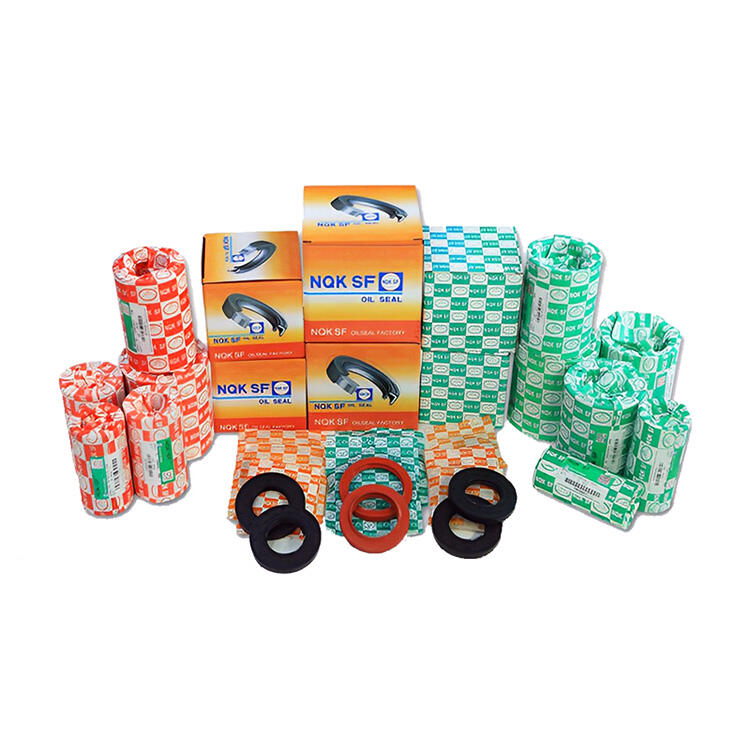
Rozwój wzoru noszenia i długowieczność pieczęci
Mechanizmy zużycia ścierających
Jakość wykończenia powierzchni bezpośrednio wpływa na wzory zużycia powstające na pierścieniu uszczelniającym w trakcie eksploatacji. Szorstkie lub nieregularne powierzchnie wału działają jak środki ściernego, przyspieszając usuwanie materiału pierścienia uszczelniającego i skracając jego czas użytkowania. Te oddziaływania ścierne powodują charakterystyczne wzory zużycia, które można analizować w celu określenia optymalnych wymagań dotyczących wykończenia powierzchni dla konkretnych zastosowań.
Zrozumienie mechanizmów zużycia pozwala inżynierom określić odpowiednie procedury przygotowania powierzchni w celu zminimalizowania uszkodzeń ściernej pierścienia uszczelniającego. Poprawne metody wykańczania powierzchni eliminują ostre krawędzie i nieregularności, które mogłyby działać jako elementy tnące wobec miększego materiału pierścienia uszczelniającego. Takie podejście znacznie wydłuża interwały serwisowe pierścieni uszczelniających oraz zmniejsza zapotrzebowanie na konserwację w zastosowaniach przemysłowych.
Postępujące zużycie i degradacja wydajności
W miarę postępującego zużycia pierścienia uszczelniającego spowodowanego niewłaściwą jakością powierzchni, degradacja jego właściwości przebiega w przewidywalny sposób, co wpływa na ogólną niezawodność systemu. Początkowe zużycie występuje zazwyczaj w miejscach o najwyższych punktach na powierzchni wału, powodując nieregularny rozkład ciśnienia kontaktowego na całym pierścieniu uszczelniającym. Ten niemiarodajny wzór zużycia pogarsza skuteczność uszczelnienia i przyspiesza dalsze pogorszenie stanu zarówno powierzchni wału, jak i pierścienia uszczelniającego.
Monitorowanie postępu zużycia pozwala określić moment, w którym poprawa jakości powierzchni może wydłużyć żywotność pierścienia uszczelniającego oraz zwiększyć niezawodność systemu. Regularne badanie zużytych elementów pierścienia uszczelniającego ujawnia charakterystyczne wzory uszkodzeń związanych z konkretnymi niedoskonałościami jakości powierzchni. Te informacje diagnostyczne kierują ulepszeniami specyfikacji oraz praktykami konserwacyjnymi, mającymi na celu zoptymalizowanie działania pierścienia uszczelniającego w przyszłych instalacjach.
Uwagi dotyczące produkcji i montażu
Techniki Przygotowania Powierzchni
Osiągnięcie optymalnego wykończenia powierzchni w zastosowaniach pierścieni uszczelniających wymaga zastosowania specyficznych technik produkcyjnych oraz procedur kontroli jakości. Typowymi metodami przygotowania powierzchni są szlifowanie precyzyjne, polerowanie oraz specjalistyczne procesy wykańczania zaprojektowane tak, aby spełniać ścisłe wymagania dotyczące chropowatości. Wybrana metoda musi uwzględniać materiał wałka, wymaganą jakość wykończenia oraz ograniczenia związane z objętością produkcji, zapewniając przy tym spójne wyniki we wszystkich wyprodukowanych elementach.
Działania kontrolne podczas przygotowania powierzchni pomagają zagwarantować, że gotowe wałki spełniają określone parametry niezbędne do optymalnej pracy pierścieni uszczelniających. Techniki pomiarowe wykorzystujące profilometrię oraz sprzęt do analizy powierzchni potwierdzają, że charakterystyki powierzchni mieszczą się w dopuszczalnych zakresach. Te procedury weryfikacyjne zapobiegają wprowadzeniu do wyposażenia produkcyjnego elementów o wadliwym wykończeniu powierzchni, które mogłyby spowodować przedwczesne uszkodzenie pierścieni uszczelniających.
Wpływ montażu na integralność powierzchni
Procedury montażu mogą znacząco wpływać na jakość wykończenia powierzchni, która została osiągnięta w trakcie produkcji. Nieprawidłowe obchodzenie się z elementami, zanieczyszczenia lub uszkodzenia podczas montażu mogą naruszyć starannie przygotowane powierzchnie wałów i obniżyć wydajność pierścieni uszczelniających. Szkolenie personelu odpowiedzialnego za montaż w zakresie prawidłowych technik pomaga zachować integralność powierzchni w całym procesie montażu.
Procedury inspekcji po zamontowaniu potwierdzają, że jakość wykończenia powierzchni pozostaje w granicach dopuszczalnych po zakończeniu montażu. Wszelkie uszkodzenia wykryte podczas tych inspekcji muszą zostać usunięte przed wprowadzeniem systemu pierścieni uszczelniających do eksploatacji, aby zapobiec wczesnemu awariom. Prawidłowe praktyki montażowe chronią zarówno wykończenie powierzchni wału, jak i pierścienie uszczelniające przed uszkodzeniami, które mogłyby zagrozić długotrwałej niezawodności i wydajności.
Często zadawane pytania
Jaki zakres wykończenia powierzchni jest zwykle wymagany do optymalnej wydajności pierścieni uszczelniających?
Większość zastosowań pierścieni uszczelniających osiąga najlepsze wyniki przy chropowatości powierzchni wału w zakresie od 0,2 do 0,8 µm Ra, choć konkretne wymagania zależą od warunków pracy, rodzaju medium oraz materiału pierścienia uszczelniającego. W zastosowaniach wysokoprędkościowych zazwyczaj wymagane są gładkie powierzchnie o chropowatości około 0,2–0,4 µm, podczas gdy w zastosowaniach niskoprędkościowych dopuszczalne są powierzchnie bardziej szorstkie, aż do 0,8 µm, bez istotnego pogorszenia wydajności.
W jaki sposób niewłaściwa chropowatość powierzchni wpływa na czas eksploatacji pierścienia uszczelniającego?
Niewłaściwa chropowatość powierzchni może skrócić czas eksploatacji pierścienia uszczelniającego o 50–80% w porównaniu do prawidłowo przygotowanych powierzchni. Szorstkie powierzchnie zwiększają tarcie i generowanie ciepła, zakłócają warstwy smarujące oraz powodują warunki zużycia ściernego, które szybko degradują materiał pierścienia uszczelniającego. Połączenie tych czynników znacznie przyspiesza zużycie i może prowadzić do przedwczesnego uszkodzenia uszczelki w krytycznych zastosowaniach.
Czy chropowatość powierzchni można poprawić w istniejącym sprzęcie bez pełnej wymiany wału?
Tak, istniejące wały można często poprawić za pomocą obróbki w miejscu, polerowania lub specjalnych procesów obróbki powierzchniowej. Przenośne urządzenia do obróbki pozwalają na przywrócenie jakości powierzchni bez demontażu sprzętu, podczas gdy pasty polerskie oraz techniki szlifowe mogą poprawić umiarkowanie chropowate powierzchnie. Jednak silnie uszkodzone lub zużyte wały mogą wymagać wymiany, aby osiągnąć optymalną wydajność pierścieni uszczelniających.
Jakie metody pomiaru zapewniają zgodność chropowatości powierzchni z wymaganiami dotyczącymi pierścieni uszczelniających?
Pomiar chropowatości powierzchni za pomocą profilometrii kontaktowej lub optycznej pozwala na dokładną ocenę jakości powierzchni w zastosowaniach pierścieni uszczelniających. Te urządzenia mierzą parametry takie jak Ra, Rz oraz inne parametry powierzchniowe, aby zweryfikować zgodność z określonymi wymaganiami. Regularne pomiary w trakcie produkcji i konserwacji pomagają zapewnić stałą jakość powierzchni, która wspiera niezawodną pracę pierścieni uszczelniających przez cały okres eksploatacji.
Spis treści
- Wpływ chropowatości powierzchni na kontakt pierścienia uszczelniającego
- Generowanie ciepła i skutki termiczne
- Tworzenie i utrzymywanie warstwy smarującej
- Rozwój wzoru noszenia i długowieczność pieczęci
- Uwagi dotyczące produkcji i montażu
-
Często zadawane pytania
- Jaki zakres wykończenia powierzchni jest zwykle wymagany do optymalnej wydajności pierścieni uszczelniających?
- W jaki sposób niewłaściwa chropowatość powierzchni wpływa na czas eksploatacji pierścienia uszczelniającego?
- Czy chropowatość powierzchni można poprawić w istniejącym sprzęcie bez pełnej wymiany wału?
- Jakie metody pomiaru zapewniają zgodność chropowatości powierzchni z wymaganiami dotyczącymi pierścieni uszczelniających?