0 ring
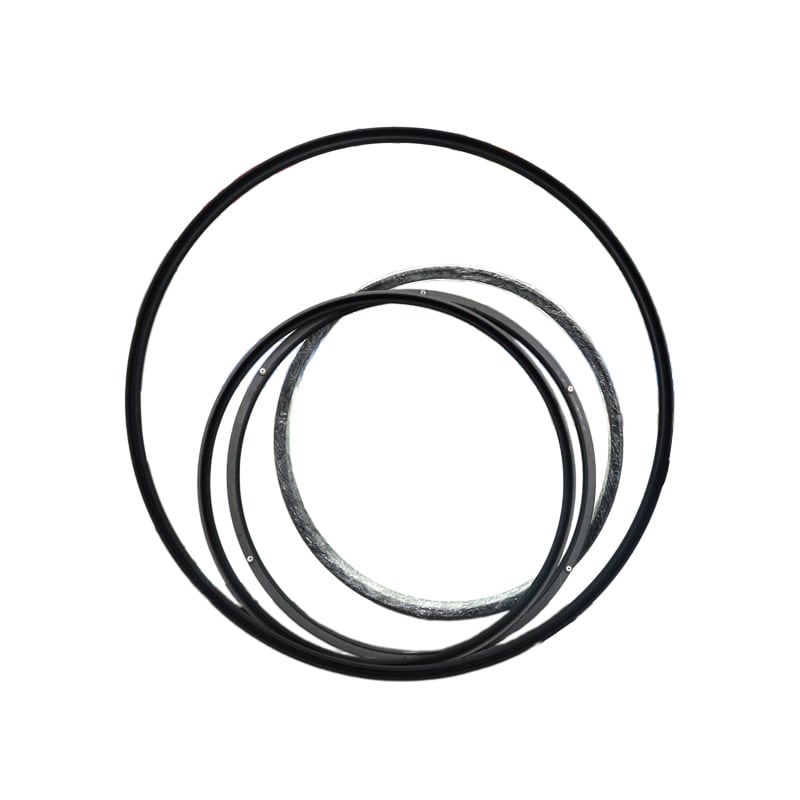
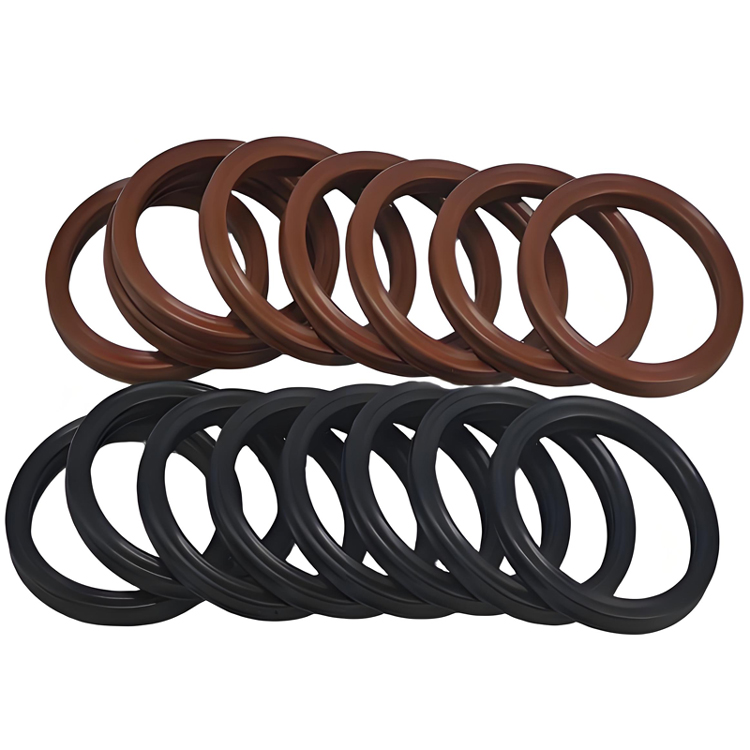
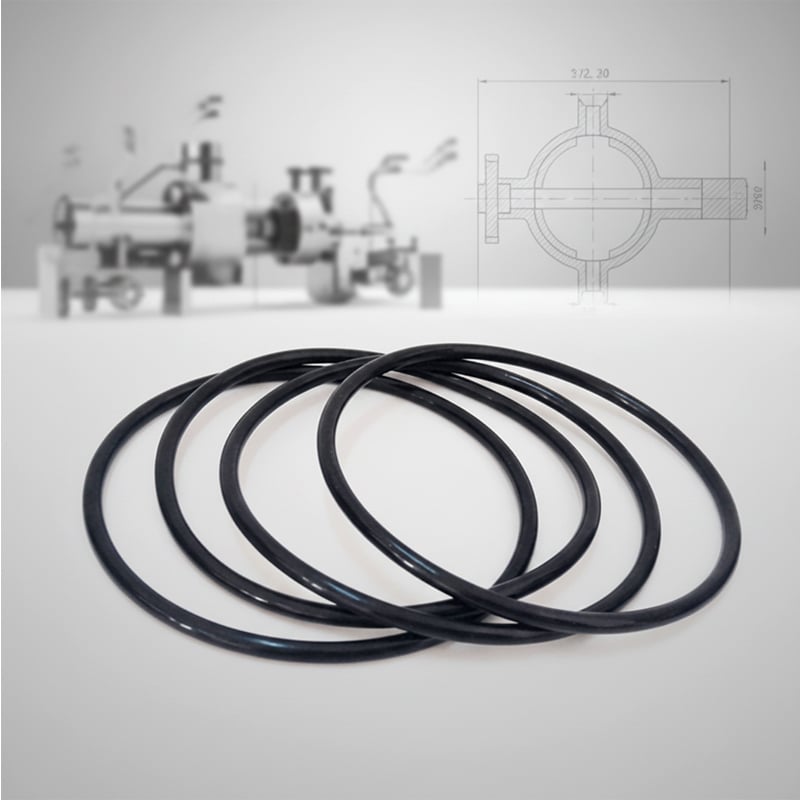
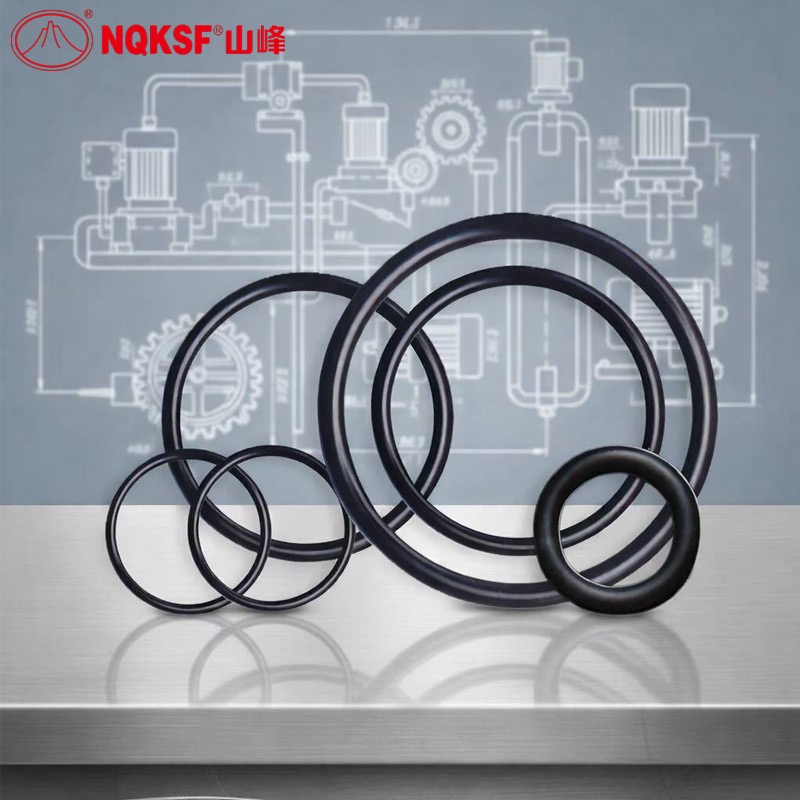
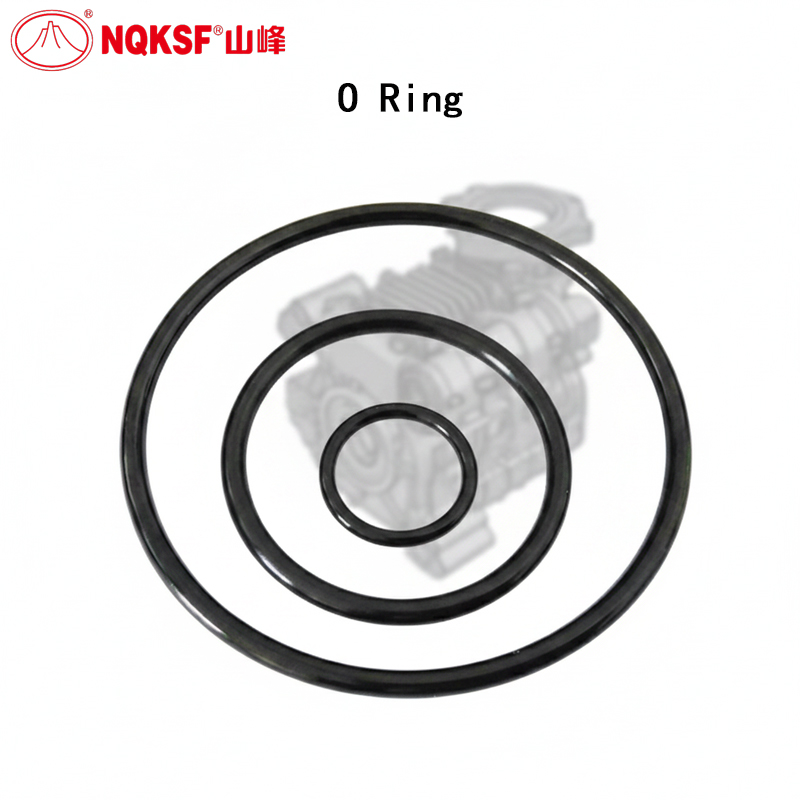
A 0 ring is a small but critically important sealing component used across countless industrial and commercial applications. This circular rubber or elastomer seal works by creating a tight barrier between two surfaces, effectively preventing the leakage of gases, liquids, or other fluids. The 0 ring operates through compression, where it sits in a groove and creates a hermetic seal when compressed between mating surfaces.
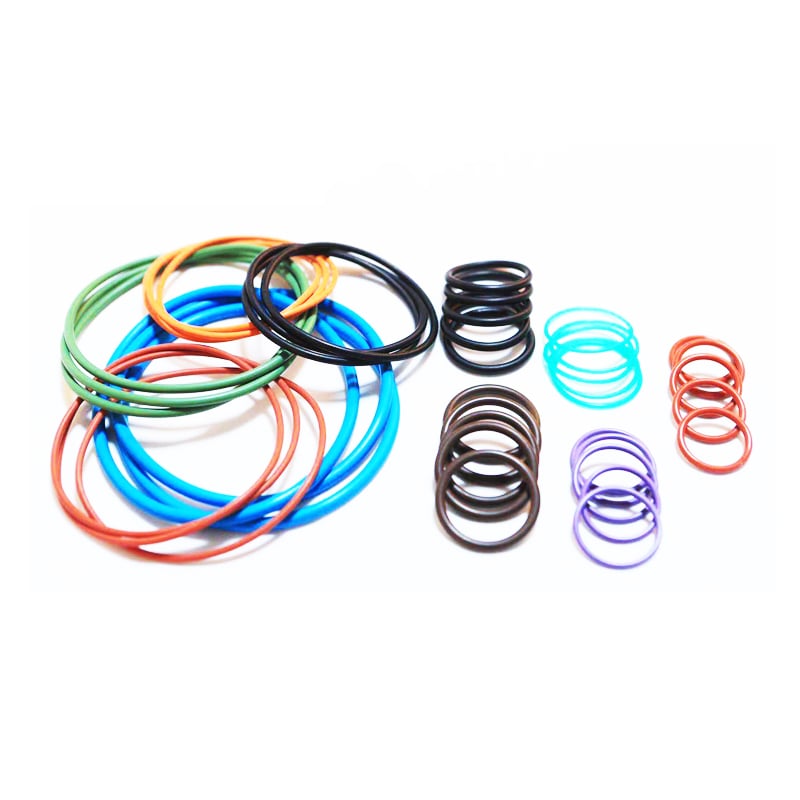
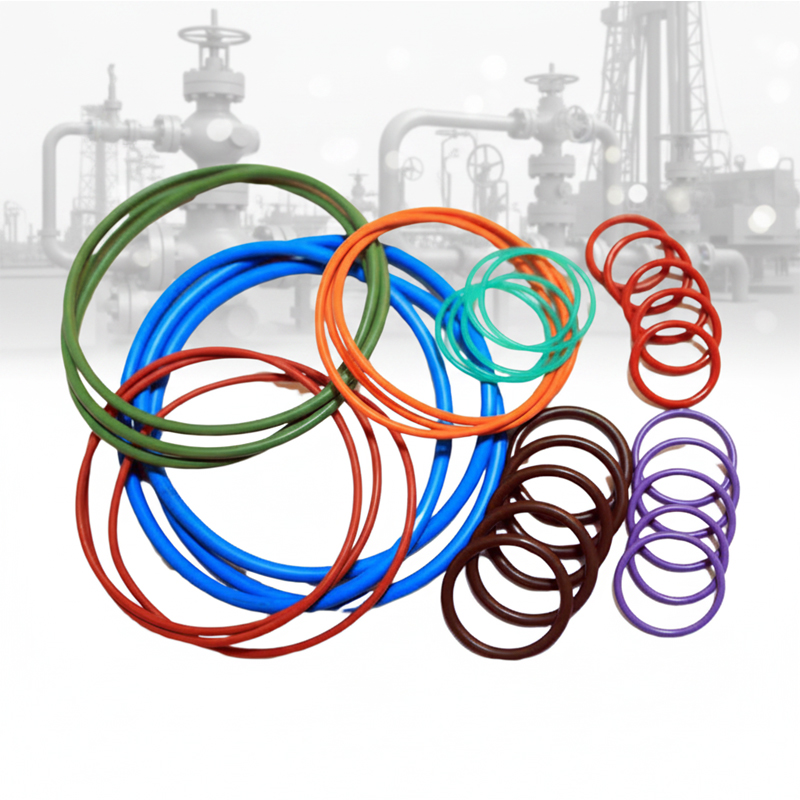
The 0 ring has become an indispensable component in machinery, automotive systems, hydraulic equipment, and plumbing applications. Its simple yet effective design makes it one of the most widely used sealing solutions in modern engineering. The 0 ring typically consists of a durable elastomer material, commonly nitrile, silicone, or fluorocarbon, selected based on specific environmental and operational requirements.
Key technological features of the 0 ring include its ability to withstand extreme temperatures, pressure variations, and chemical exposures. The 0 ring maintains its sealing integrity across diverse conditions, making it suitable for both high-pressure and low-pressure applications. Manufacturing standards ensure that each 0 ring meets precise dimensional specifications, guaranteeing consistent performance and reliability.
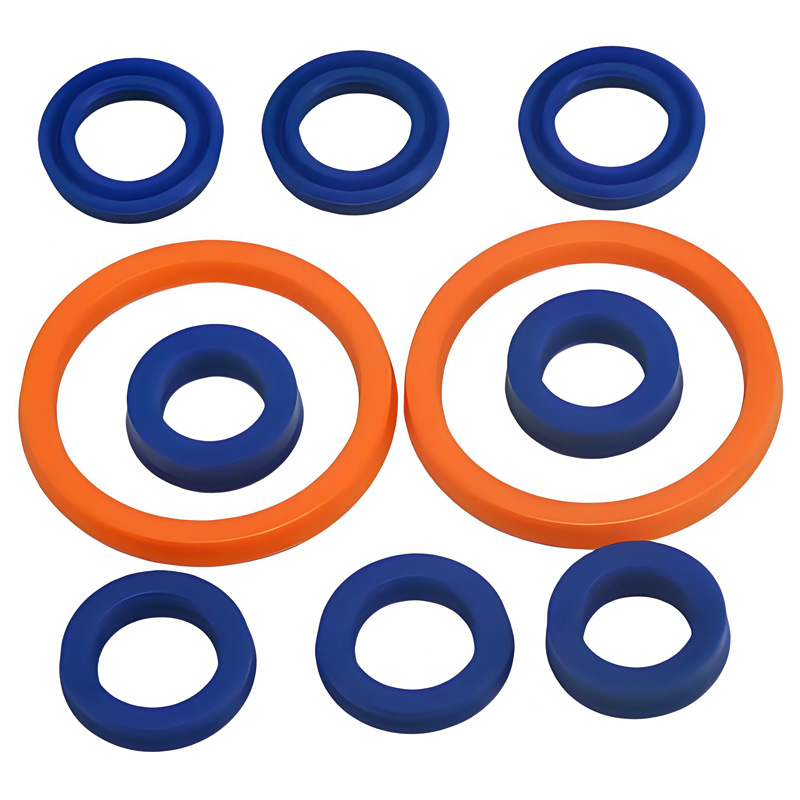
The 0 ring finds application in automotive engines, refrigeration systems, pneumatic tools, hydraulic cylinders, and medical devices. Its versatility stems from available material options and size variations, allowing manufacturers to select the ideal 0 ring for their specific needs. The 0 ring represents a cost-effective solution that delivers dependable sealing performance across demanding industrial environments.

 EN
EN