high temp o-rings
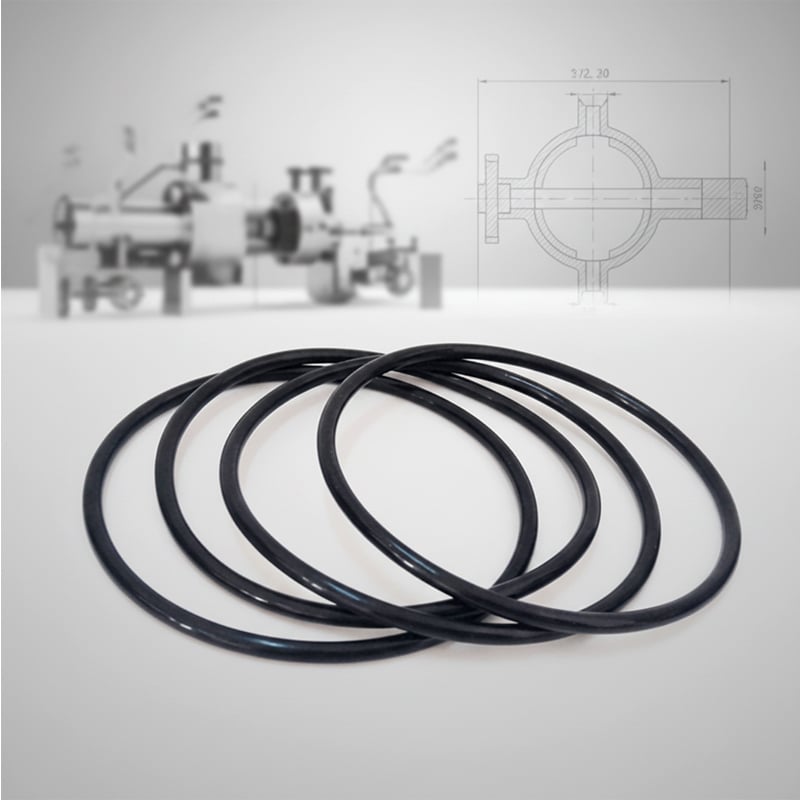
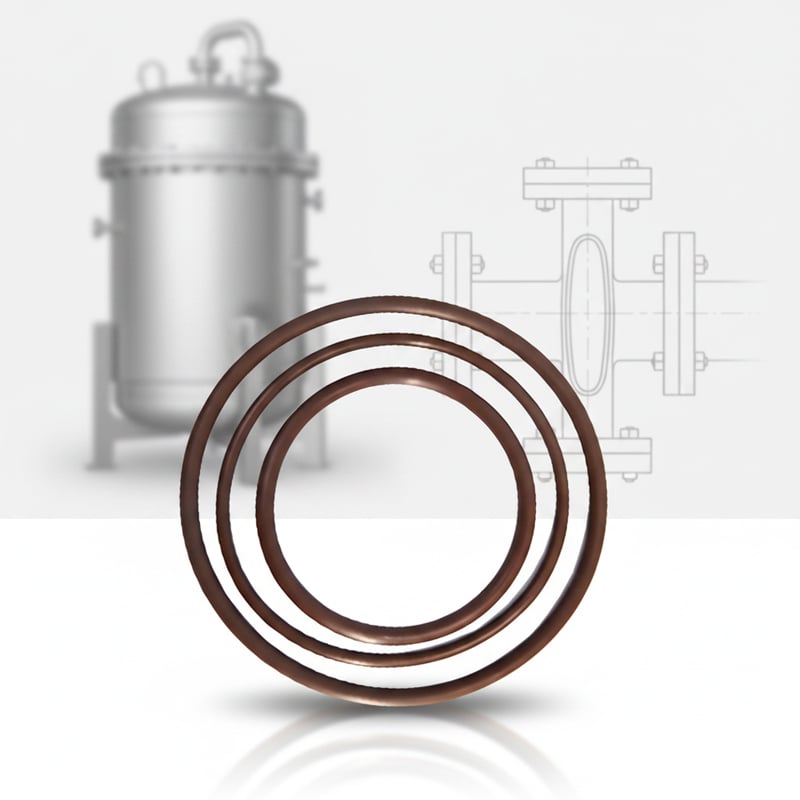
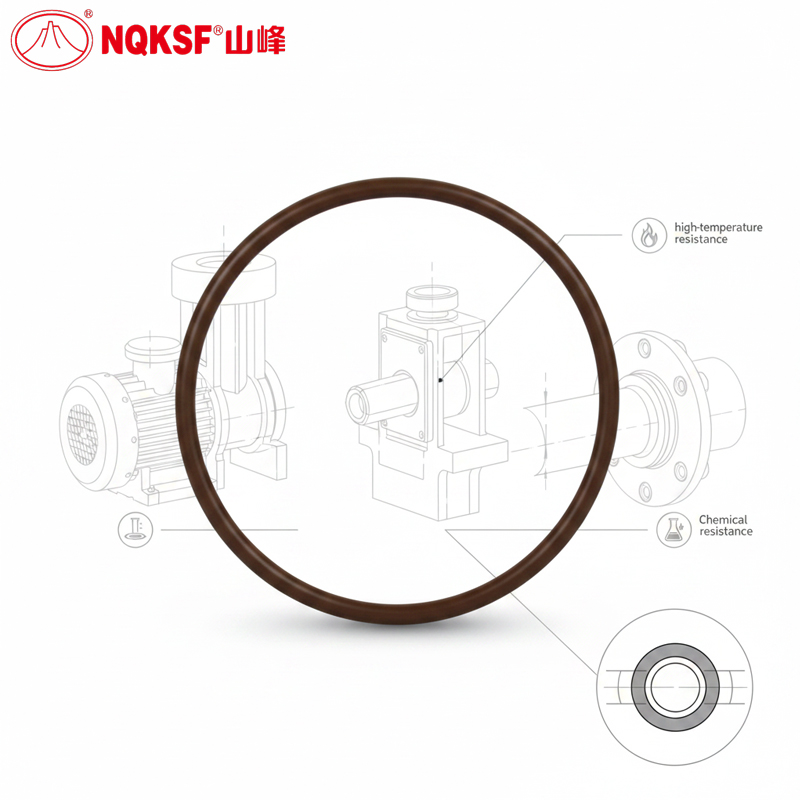
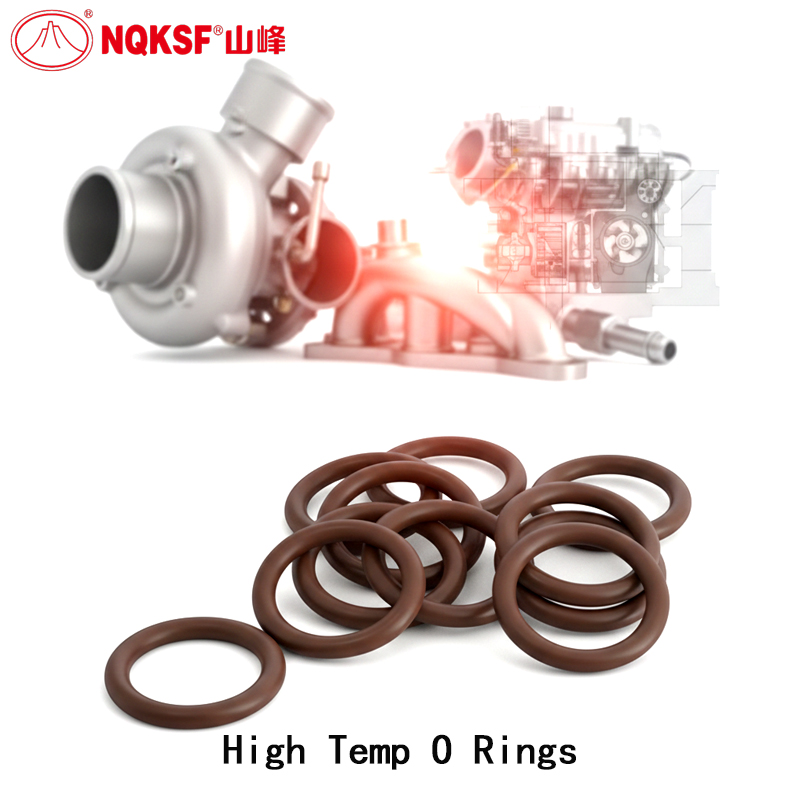
High temp o-rings are specialized sealing components engineered to withstand extreme temperatures while maintaining superior performance in demanding industrial applications. These advanced elastomeric seals function as critical barriers preventing fluid leakage in high-temperature environments where conventional o-rings would fail. High temp o-rings are manufactured from premium materials such as FFKM, PTFE, and silicone compounds that resist thermal degradation and chemical exposure.
The primary function of high temp o-rings involves creating reliable seals in pumps, compressors, engines, and chemical processing equipment operating at elevated temperatures. High temp o-rings maintain their elasticity and structural integrity across wide temperature ranges, typically from negative forty degrees to five hundred degrees Fahrenheit or beyond, depending on material composition.
Technological features distinguishing high temp o-rings include exceptional thermal stability, superior chemical resistance, and consistent dimensional retention under stress. These seals employ advanced cross-linking technologies and reinforced polymer matrices that prevent hardening, cracking, and permanent deformation. High temp o-rings demonstrate remarkable compression set resistance, ensuring they return to original dimensions after exposure to extreme heat.
Applications for high temp o-rings span aerospace, automotive, petrochemical, pharmaceutical, and food processing industries. Manufacturing facilities rely on high temp o-rings in turbines, reactors, and high-pressure systems where temperature fluctuations occur continuously. The versatility of high temp o-rings makes them indispensable for companies requiring dependable sealing solutions in challenging thermal conditions, ultimately enhancing equipment reliability and operational safety across diverse industrial sectors.

 EN
EN