Complete O Ring Seal Guide: Applications, Advantages & Performance Solutions

All Categories

o ring seal

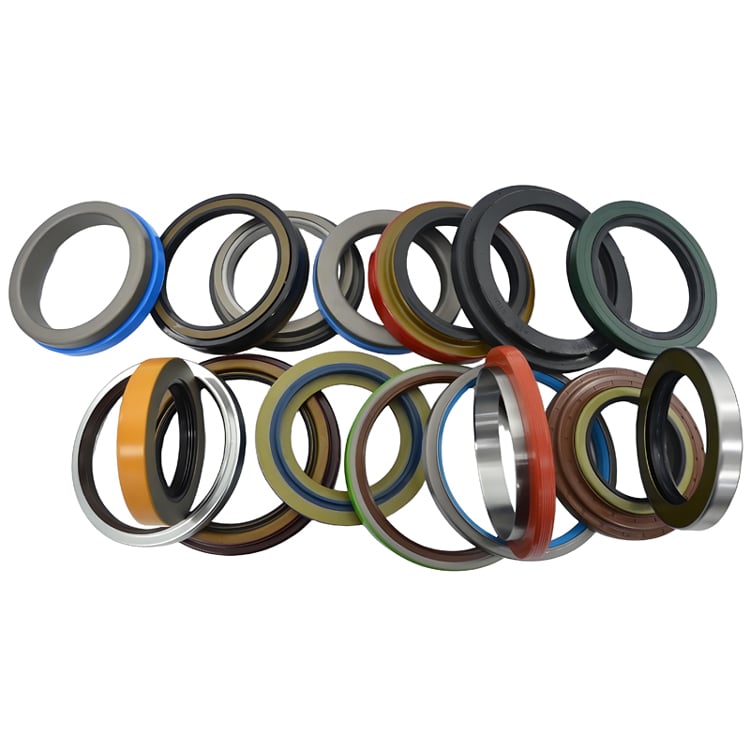
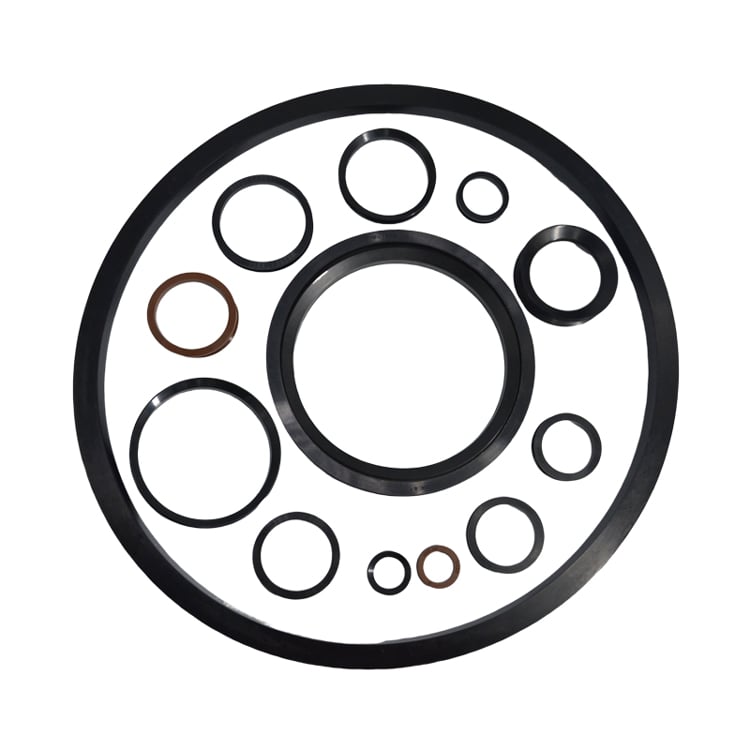
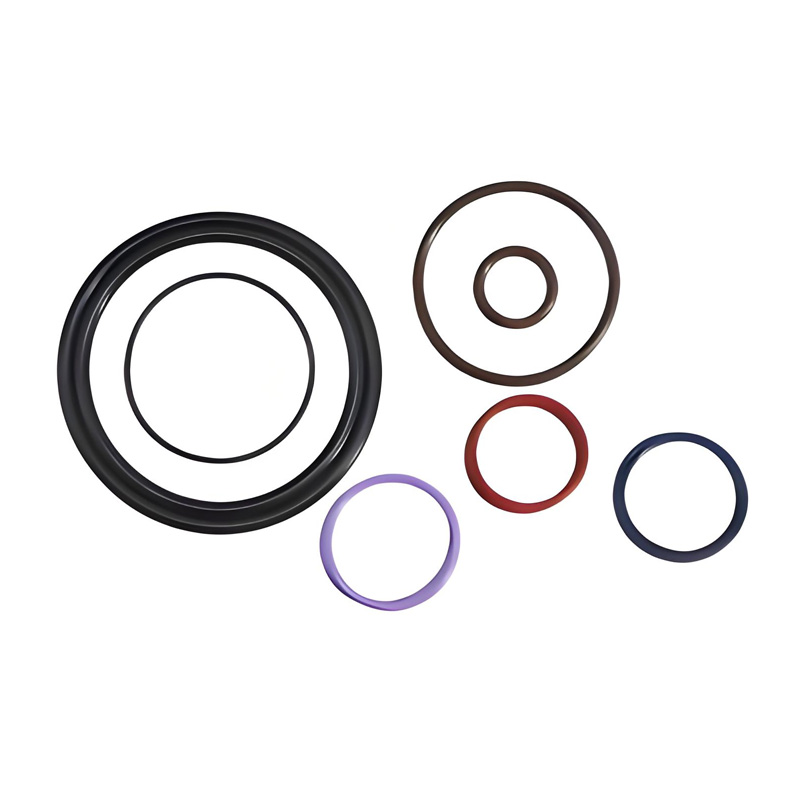
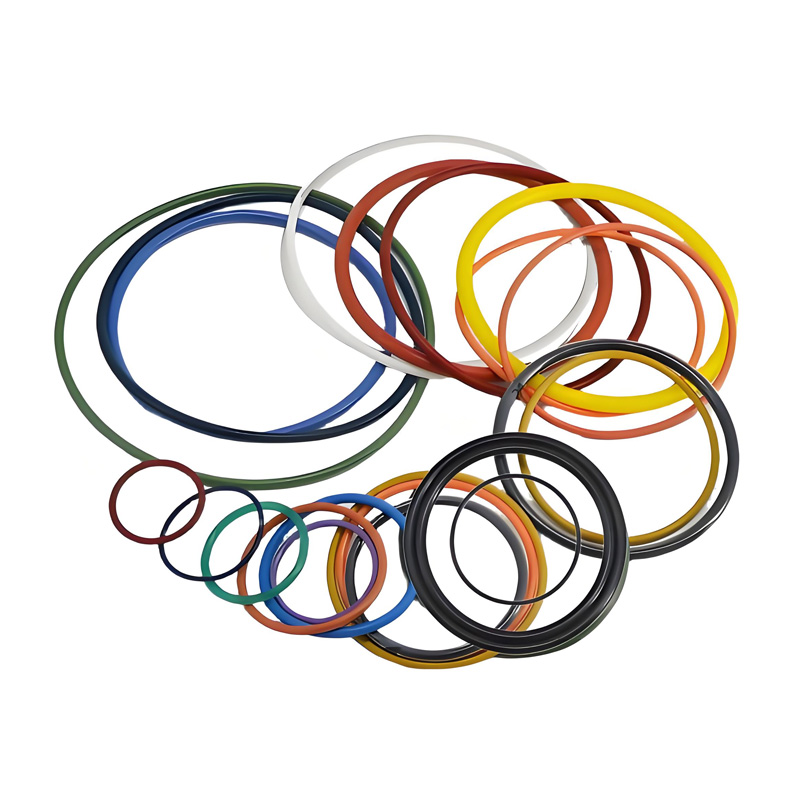
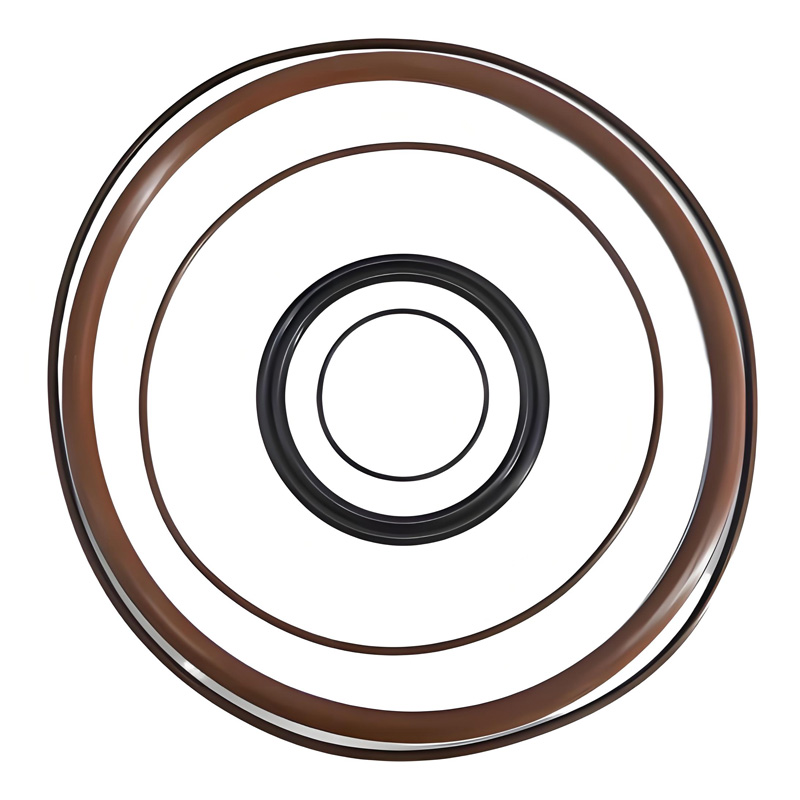
The o ring seal represents one of the most versatile and reliable sealing solutions in modern engineering applications. This circular elastomeric component features a simple yet effective design that creates hermetic seals between two surfaces by utilizing controlled compression and deformation. The o ring seal operates on the principle of radial compression, where the ring is compressed between mating surfaces to prevent fluid or gas leakage while maintaining operational flexibility. Manufacturing processes for the o ring seal involve precision molding techniques using various elastomeric materials including nitrile rubber, fluoroelastomers, silicone, and EPDM compounds. Each material offers distinct properties suited to specific environmental conditions and chemical compatibility requirements. The technological features of the o ring seal include exceptional dimensional stability, consistent compression set resistance, and superior chemical inertness across diverse operating temperatures. Installation of an o ring seal requires careful consideration of groove dimensions, compression ratios, and surface finish specifications to achieve optimal performance. The versatility of the o ring seal makes it indispensable across numerous industries including automotive, aerospace, hydraulic systems, pneumatic equipment, and chemical processing facilities. Static applications utilize the o ring seal in flanged connections, valve bodies, and pressure vessels where components remain stationary during operation. Dynamic applications employ the o ring seal in rotating shafts, reciprocating pistons, and sliding mechanisms where controlled movement occurs. The o ring seal demonstrates remarkable adaptability to extreme pressure differentials ranging from vacuum conditions to several thousand PSI applications. Temperature resistance varies by material selection, with specialized compounds enabling the o ring seal to function effectively from cryogenic environments below -100°F to high-temperature applications exceeding 500°F. Quality control standards ensure each o ring seal meets stringent dimensional tolerances and material specifications through rigorous testing protocols including tensile strength evaluation and compression testing procedures.

Popular Products

The o ring seal delivers exceptional cost-effectiveness compared to alternative sealing technologies, providing reliable performance at a fraction of the expense associated with complex mechanical seals or gasket systems. Manufacturing simplicity allows mass production of the o ring seal using standardized tooling and automated processes, resulting in consistent quality and competitive pricing structures. Installation procedures for the o ring seal require minimal specialized tools or technical expertise, enabling maintenance personnel to perform replacements quickly without extensive downtime or complex disassembly operations. The compact design of the o ring seal minimizes space requirements within equipment assemblies, allowing engineers to optimize component layouts while maintaining superior sealing integrity. Inventory management becomes streamlined when utilizing the o ring seal due to standardized sizing systems and broad cross-compatibility between manufacturers, reducing stock complexity and procurement challenges. The o ring seal exhibits outstanding chemical resistance properties when properly matched to application requirements, withstanding exposure to aggressive solvents, acids, bases, and hydrocarbon compounds without degradation or swelling. Temperature stability of the o ring seal enables consistent performance across wide thermal ranges, eliminating the need for frequent replacements due to thermal cycling or extreme operating conditions. Leak prevention capabilities of the o ring seal surpass traditional flat gaskets through uniform compression distribution and superior surface conformity, virtually eliminating fugitive emissions and fluid loss. Maintenance intervals extend significantly when implementing the o ring seal in place of alternative sealing methods, reducing operational costs and improving system reliability over extended service periods. The o ring seal provides bidirectional sealing capabilities, effectively preventing leakage regardless of pressure differentials or flow directions within the system. Vibration resistance ensures the o ring seal maintains sealing integrity even under dynamic loading conditions, mechanical shock, or equipment vibration that would compromise rigid sealing elements. Material availability for the o ring seal encompasses an extensive range of compounds and hardness levels, enabling customization for specific chemical compatibility, temperature resistance, and mechanical property requirements. Quality assurance programs guarantee each o ring seal meets industry standards and application specifications through comprehensive testing and certification processes that validate performance characteristics before deployment.

Tips And Tricks

Why Do Professionals Prefer Premium Hydraulic Shaft Seal?

27

Nov

Why Do Professionals Prefer Premium Hydraulic Shaft Seal?

Industrial professionals across manufacturing, construction, and heavy machinery sectors consistently choose premium hydraulic shaft seals for their critical applications. These specialized sealing components serve as the backbone of hydraulic system...
View More
What Are the Main Advantages of Using Shaft Oil Seals in Industrial Equipment?

27

Nov

What Are the Main Advantages of Using Shaft Oil Seals in Industrial Equipment?

Industrial machinery operates under demanding conditions where contamination, fluid leakage, and component wear can lead to costly downtime and equipment failure. Shaft oil seals represent one of the most critical components in maintaining machinery ...
View More
How to Choose Skeleton Oil Seal Models for Industrial Machinery

22

Apr

How to Choose Skeleton Oil Seal Models for Industrial Machinery

Selecting the appropriate skeleton oil seal models for industrial machinery requires understanding the unique operational demands of your equipment and matching them to specific seal characteristics. The choice directly impacts equipment reliability,...
View More
How to Select O Ring Based on Equipment Parameters?

22

Apr

How to Select O Ring Based on Equipment Parameters?

Selecting the right o ring for specific equipment parameters requires a systematic approach that considers multiple technical factors simultaneously. Equipment manufacturers and maintenance professionals must evaluate material compatibility, dimensio...
View More

Get a Free Quote

Our representative will contact you soon.
Email
Telephone
Name
Company Name
Message
0/1000

o ring seal

Unmatched Versatility Across Industries and Applications

Unmatched Versatility Across Industries and Applications

The o ring seal stands as the most adaptable sealing solution available in today's market, demonstrating remarkable versatility that spans virtually every industrial sector and application type imaginable. This exceptional adaptability stems from the fundamental design principles that govern the o ring seal, allowing it to function effectively in both static and dynamic sealing applications with equal reliability. In automotive applications, the o ring seal performs critical functions within engine components, transmission systems, brake assemblies, and air conditioning units, where it must withstand automotive fluids, temperature fluctuations, and mechanical stresses throughout the vehicle's operational lifetime. Aerospace industries depend upon the o ring seal for hydraulic flight controls, fuel systems, environmental control systems, and pressurized cabin seals, where failure consequences demand absolute reliability under extreme altitude and temperature variations. Hydraulic and pneumatic systems across manufacturing facilities utilize the o ring seal in cylinders, valves, pumps, and actuators, providing leak-free operation under high-pressure conditions while accommodating the reciprocating and rotational motions inherent to these systems. Chemical processing plants rely on the o ring seal for reactor vessels, pipeline connections, heat exchangers, and storage tank applications, where chemical compatibility and temperature resistance become paramount considerations for safe and efficient operations. Medical device manufacturers incorporate the o ring seal in diagnostic equipment, surgical instruments, and pharmaceutical processing machinery, where biocompatibility and sterility requirements demand specialized materials and manufacturing processes. Food and beverage industries utilize the o ring seal in processing equipment, packaging machinery, and storage systems, requiring FDA-approved materials that maintain sanitary conditions while providing reliable sealing performance. Marine and offshore applications depend upon the o ring seal for underwater equipment, deck machinery, and propulsion systems, where saltwater corrosion resistance and pressure tolerance at significant depths become critical performance factors. The semiconductor industry employs the o ring seal in vacuum chambers, gas delivery systems, and chemical vapor deposition equipment, demanding ultra-clean materials and precise dimensional control to prevent contamination and maintain process integrity.
Superior Material Science and Engineering Excellence

Superior Material Science and Engineering Excellence

The o ring seal represents the pinnacle of elastomeric engineering, incorporating advanced material science principles that deliver exceptional performance characteristics across diverse operating environments and service conditions. Material selection for the o ring seal begins with comprehensive analysis of application requirements, including chemical compatibility matrices, temperature ranges, pressure specifications, and mechanical stress factors that influence long-term performance and reliability. Nitrile rubber compounds provide the o ring seal with excellent petroleum product resistance, making them ideal for automotive and hydraulic applications where hydrocarbon exposure occurs regularly throughout the service life. Fluoroelastomer materials elevate the o ring seal performance in high-temperature and aggressive chemical environments, offering superior thermal stability and chemical inertness that surpasses conventional rubber compounds by significant margins. Silicone formulations enable the o ring seal to function effectively across extreme temperature ranges while maintaining flexibility and sealing integrity, particularly valuable in aerospace and medical applications where temperature cycling occurs frequently. EPDM compounds provide the o ring seal with outstanding ozone and weather resistance, making them preferred choices for outdoor applications and systems exposed to environmental elements over extended periods. Specialized compounds incorporate additives such as PTFE particles, carbon black, or metallic fillers that enhance specific properties of the o ring seal, including wear resistance, thermal conductivity, or electrical conductivity as required by unique applications. Manufacturing processes for the o ring seal utilize precision molding techniques that ensure consistent cross-sectional geometry and surface finish quality, critical factors that influence sealing performance and longevity. Quality control procedures validate each batch of the o ring seal through comprehensive testing protocols that evaluate tensile strength, elongation properties, compression set resistance, and dimensional accuracy according to industry standards. Advanced curing processes optimize the molecular structure of the o ring seal elastomer, achieving ideal balance between flexibility and strength while eliminating potential defects that could compromise sealing integrity. Surface treatment options enhance the o ring seal performance through specialized coatings or treatments that reduce friction, improve chemical resistance, or provide additional lubrication properties for dynamic applications.
Exceptional Cost-Effectiveness and Operational Efficiency

Exceptional Cost-Effectiveness and Operational Efficiency

The o ring seal delivers unparalleled economic value through its combination of low initial costs, extended service life, and minimal maintenance requirements that collectively reduce total cost of ownership compared to alternative sealing technologies. Initial procurement costs for the o ring seal remain significantly lower than complex mechanical sealing systems, custom gaskets, or specialized sealing devices, enabling organizations to implement reliable sealing solutions without substantial capital investments or budget constraints. Installation simplicity of the o ring seal eliminates the need for specialized tools, complex alignment procedures, or extensive technical training, reducing labor costs and minimizing installation time compared to more sophisticated sealing alternatives. Standardization within the o ring seal industry ensures broad compatibility between manufacturers and suppliers, enabling competitive procurement practices and reducing dependency on single-source suppliers while maintaining quality standards. Inventory consolidation becomes achievable through the o ring seal standardization, allowing organizations to reduce stock complexity and carrying costs while ensuring availability of replacement components across multiple equipment types and applications. Maintenance intervals extend dramatically when utilizing the o ring seal due to its inherent durability and resistance to wear, chemical attack, and environmental degradation, reducing scheduled maintenance frequency and associated labor costs. Emergency repair situations benefit from the o ring seal availability and installation simplicity, enabling rapid equipment restoration without extended downtime periods that impact production schedules and operational efficiency. Energy efficiency improvements result from the superior sealing performance of the o ring seal, eliminating internal leakage that forces pumps, compressors, and other equipment to work harder while consuming additional energy to maintain system performance. Waste reduction occurs through the leak prevention capabilities of the o ring seal, minimizing loss of expensive fluids, chemicals, or gases while supporting environmental compliance initiatives and sustainability goals. Training requirements for maintenance personnel decrease when implementing the o ring seal due to straightforward installation procedures and readily available technical documentation, reducing training costs and improving workforce flexibility. Predictive maintenance programs benefit from the consistent performance characteristics of the o ring seal, enabling scheduled replacement based on service hours or cycles rather than reactive maintenance approaches that increase costs and operational disruptions.

Get a Free Quote

Our representative will contact you soon.
Email
Telephone
Name
Company Name
Message
0/1000