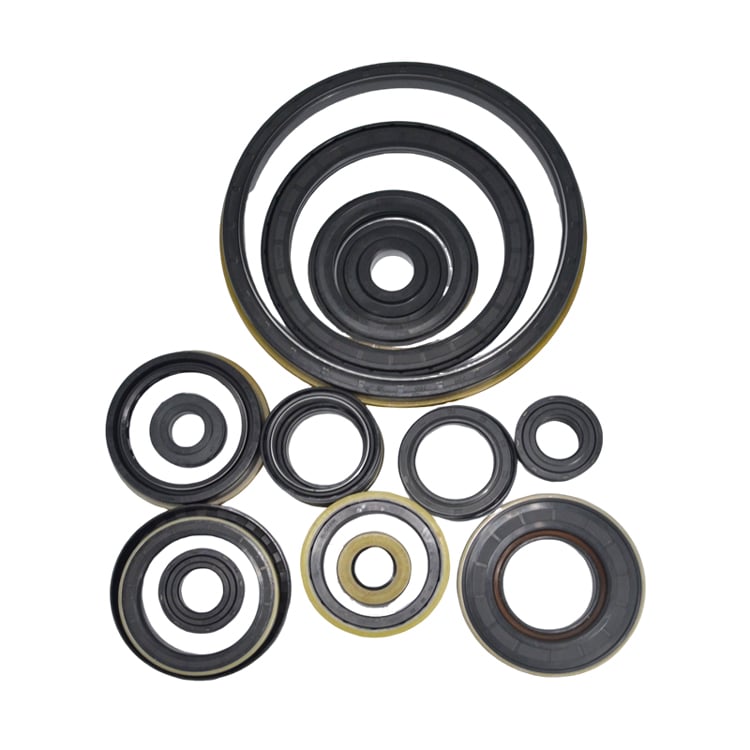

Shanfeng oil seals, marketed under the NQKSF brand, are designed around several practical requirements of industrial sealing: material selection for different working conditions, consistent seal dimensions and lip geometry, a broad range of standard oil seal profiles, and production capability covering different types of sealing products. The company's current product information lists TC, TA, TB, SC, KC, TG and other oil seal series, together with automotive, hydraulic, agricultural and construction machinery sealing products.
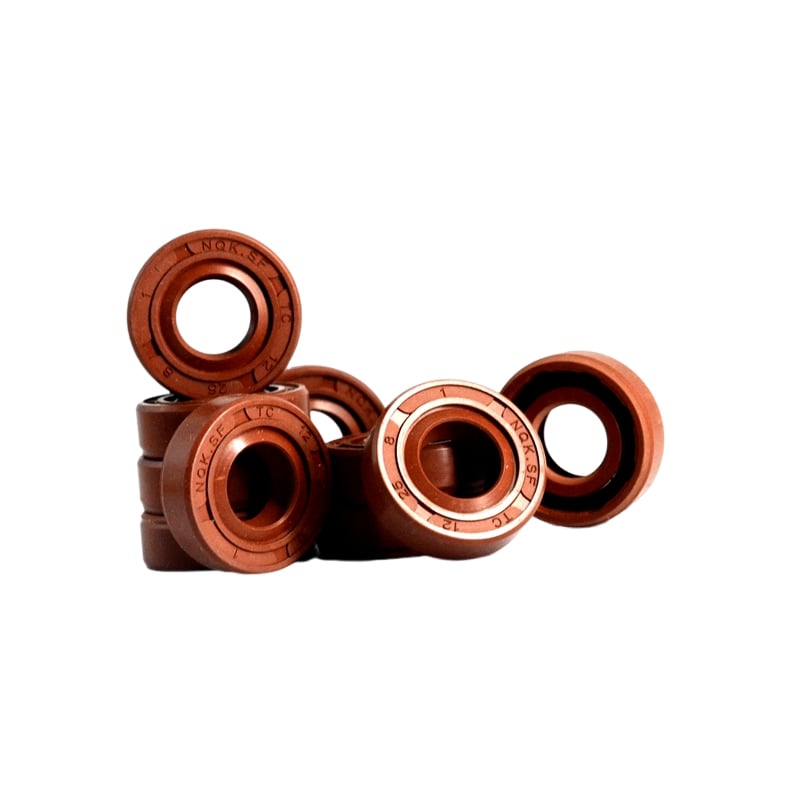
One characteristic worth looking at first is the range of materials and profiles rather than a single material or seal design. Shanfeng's product information lists materials including NBR, HNBR, ACM, EPDM, FKM and PTFE across its sealing-product system. These materials serve different purposes. For example, NBR is commonly associated with general oil sealing, while FKM is considered for higher-temperature or more chemically demanding oil environments. This allows material selection to be connected to the application rather than treating every oil seal as the same product.
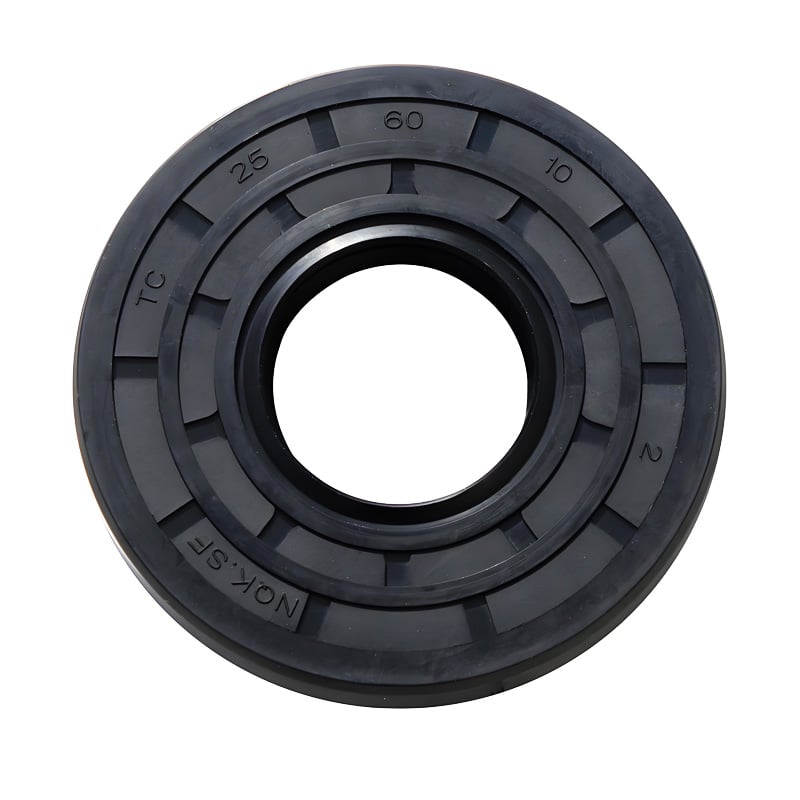
For conventional rotary shaft applications, the TC series is an important example. A TC oil seal uses a spring-loaded primary lip to maintain contact with the rotating shaft and a secondary dust lip to reduce contamination reaching the primary sealing area. This makes the profile suitable for equipment where lubricant retention and environmental protection are both required. Shanfeng lists TC oil seals within its industrial oil seal range, and its product information also identifies TC as one of its core oil seal series.
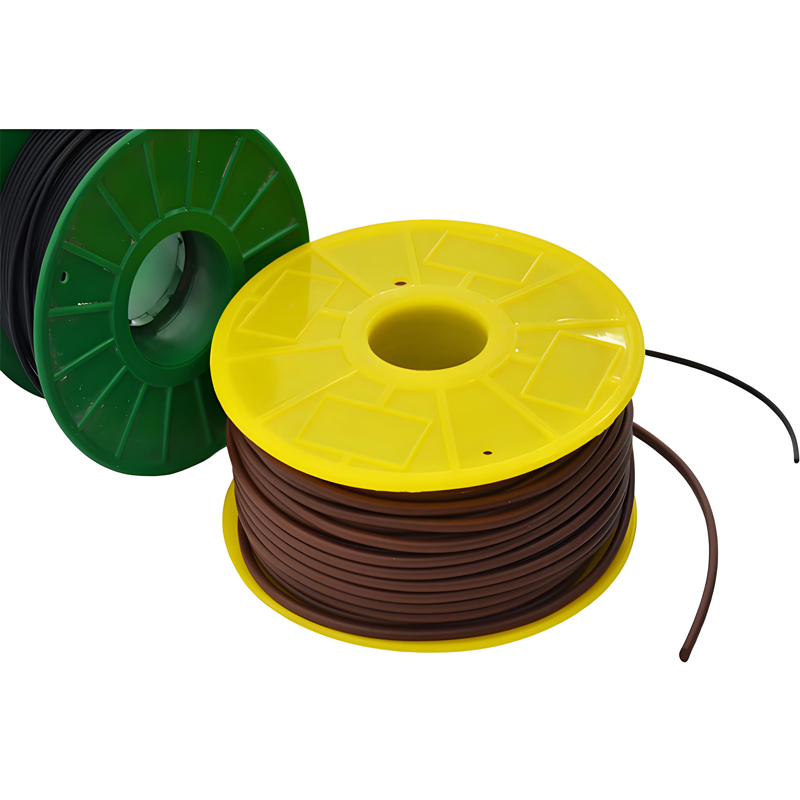
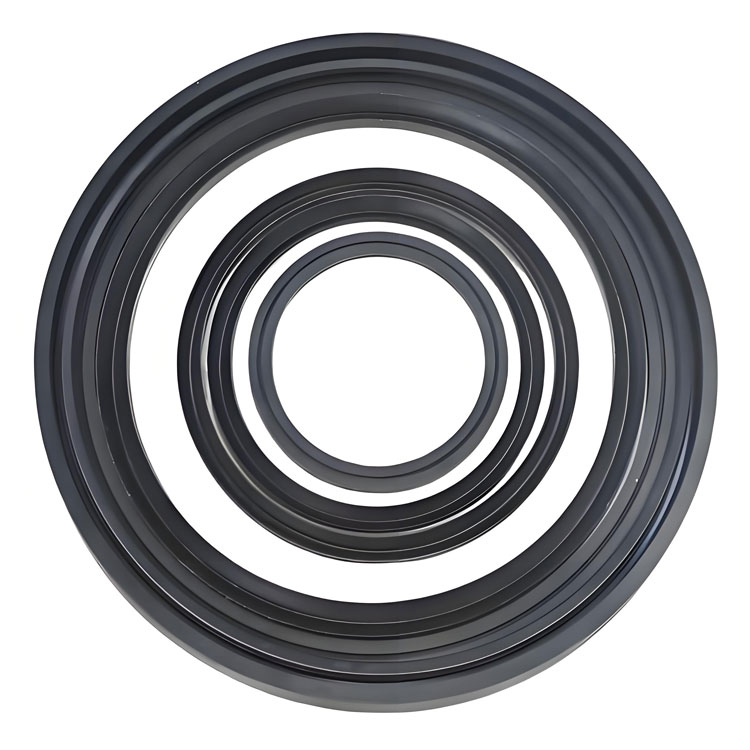
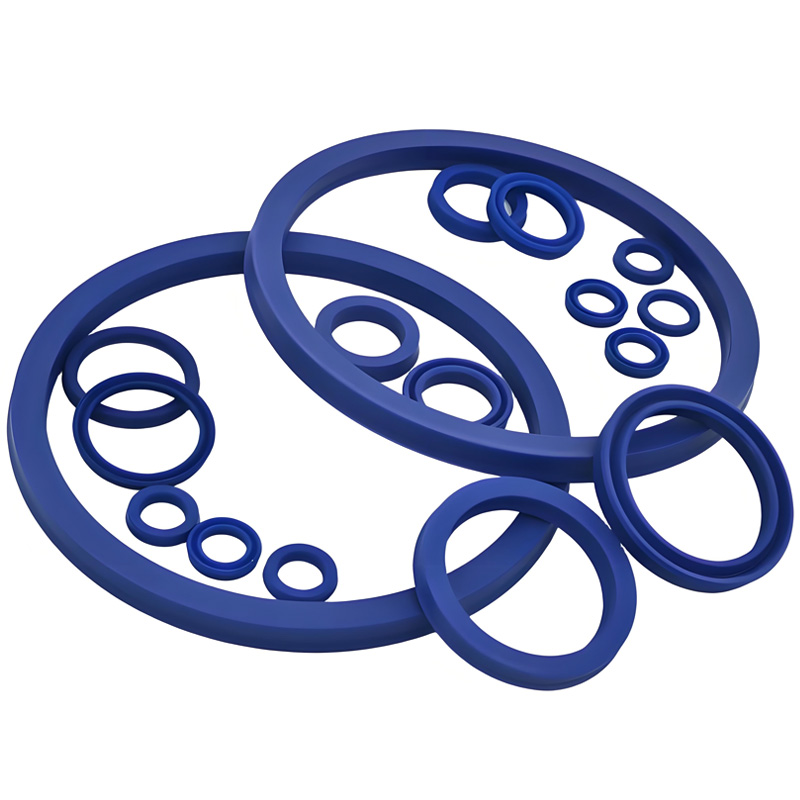
Another characteristic is the company's breadth of product coverage. Its current product range includes industrial oil seals, rubber rings, automotive oil seals, pneumatic seals, hydraulic seals, washing-machine seals, agricultural machinery seals and construction machinery seals. From a buyer's perspective, this means different sealing positions within a machine can potentially be evaluated within the same product system instead of treating every sealing requirement as an isolated item.
Manufacturing consistency is also important for oil seals because a seal is a dimensional product. The lip geometry, shaft diameter, housing diameter, seal width, material properties and spring arrangement all affect the installed condition. Shanfeng states that it uses CAD design, CNC processing, mold development and automated vulcanizing and inspection equipment in its production system. It also reports ISO 9001:2015 and IATF 16949:2016 certifications on its company profile.
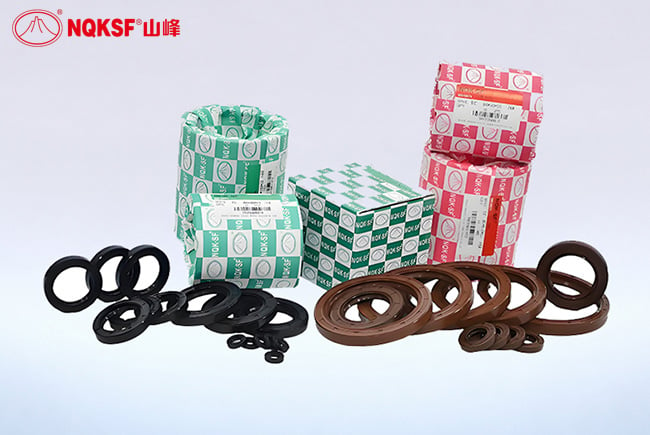
The company's material system is another part of its performance approach. NBR and FKM are relevant to many oil-sealing applications, while other materials listed by Shanfeng address different media and environmental requirements. The important point is that the performance of an oil seal comes from matching material and structure to the operating environment, rather than from the brand name alone. Temperature, lubricant, shaft speed, pressure, contamination and shaft condition still need to be evaluated for each application.
Shanfeng also reports a large range of standard specifications and products in stock, together with customized development capability. Its company profile states that its oil seal and O-ring ranges include more than 10,000 models and that products are supplied to more than 80 countries.
For buyers, therefore, the performance characteristics of Shanfeng oil seals are better understood as a combination of product structure, material options, manufacturing control and application coverage. The correct evaluation still needs to be made against the specific machine and operating conditions, because even a well-manufactured oil seal must use the appropriate profile and material for the job.
 Hot News
ShanFeng Special Rubber Products Co., Ltd., operating under brand NQKSF since 1990, is a global leader in the sealing industry.
Copyright © 2026 ShanFeng Special Rubber Products Co., Ltd. All rights reserved. Privacy Policy
 EN