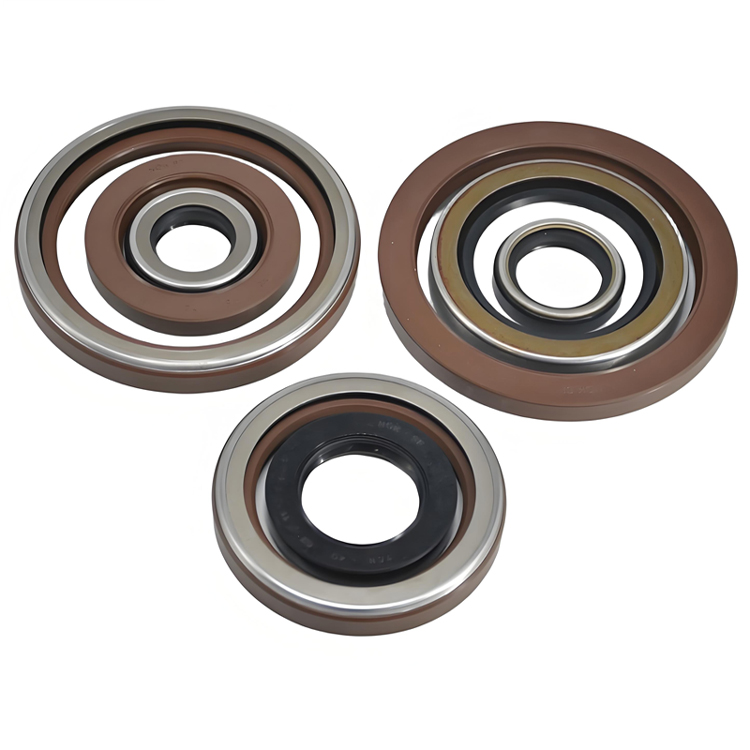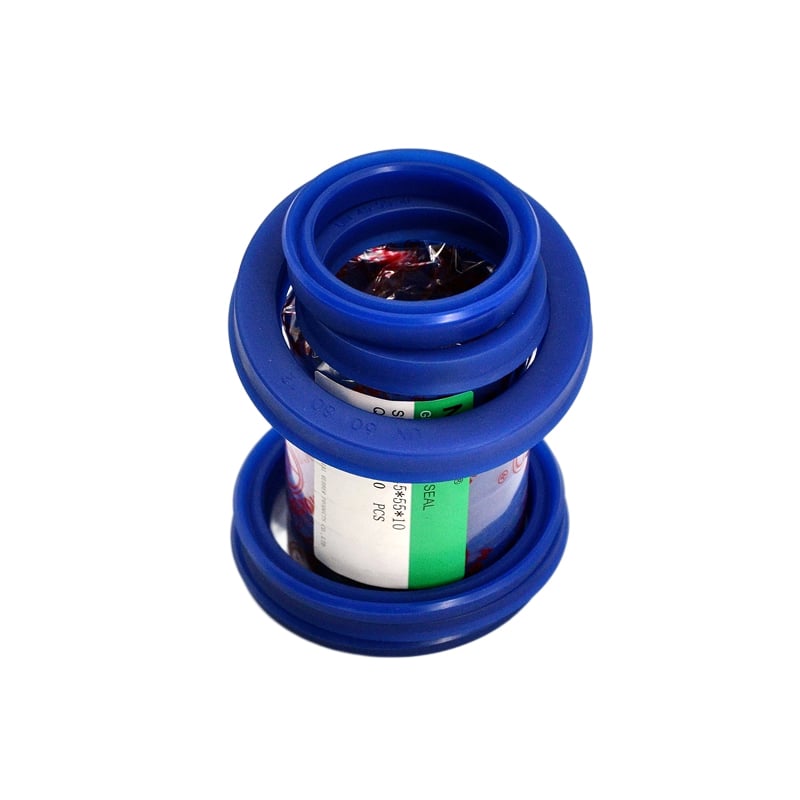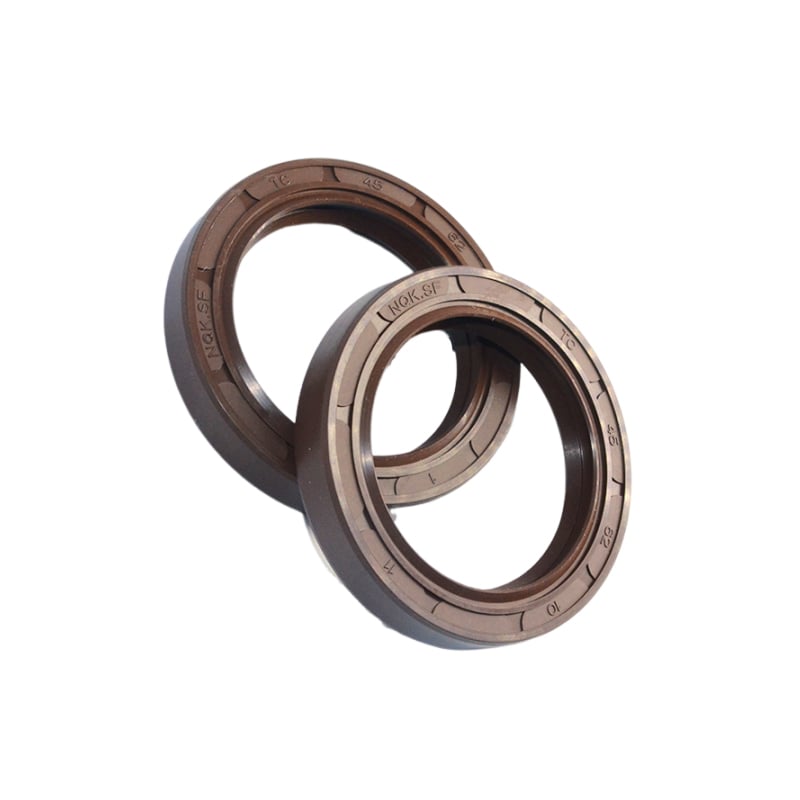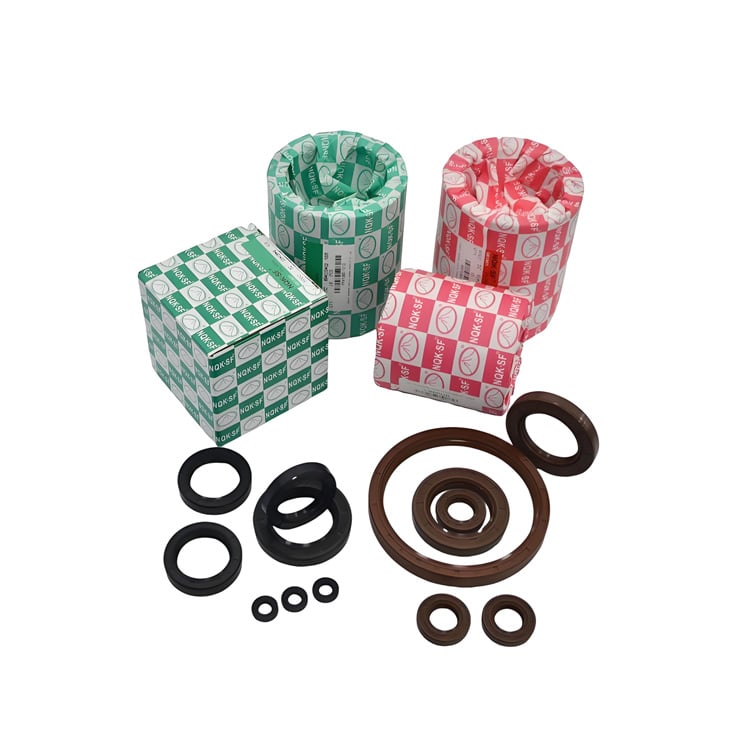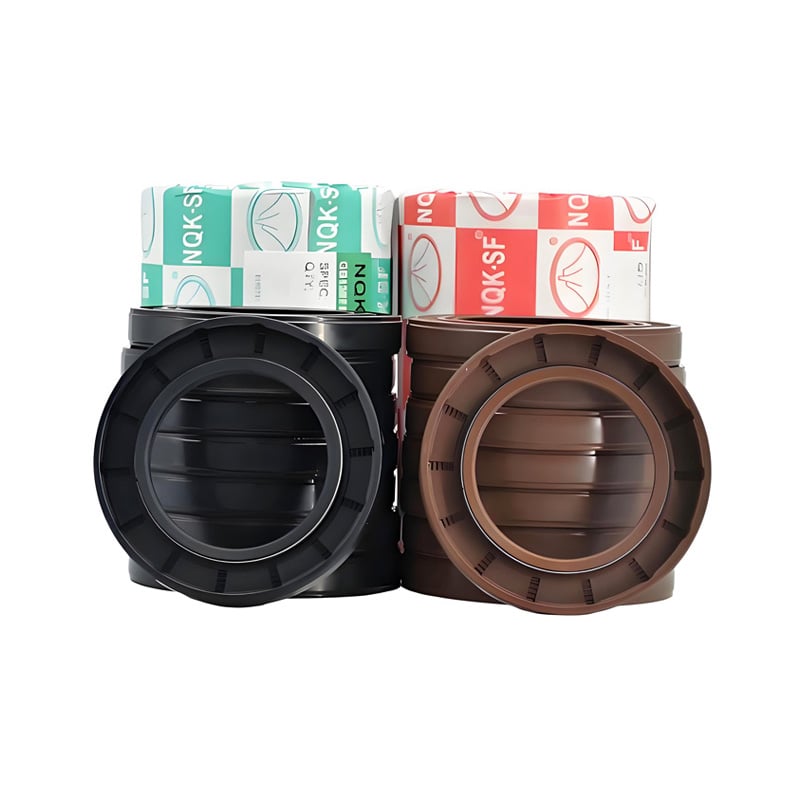

A new oil seal can have the correct inner diameter, outer diameter, and width and still develop leakage after installation. The reason is simple: an oil seal does not seal by dimensions alone. Its performance depends on the relationship between the sealing lip, shaft, housing, lubricant, temperature, rotation, and installation conditions.
This is one of the reasons that replacing a leaking oil seal with another seal of exactly the same nominal size does not always solve the problem.
The Shaft May Be the Real Problem
The sealing lip runs directly against the rotating shaft, so the shaft surface is part of the sealing system.
A shaft with excessive roughness can increase friction and wear at the lip. A worn shaft may also develop a circumferential groove at the contact position of the old seal. If a new seal is installed on the same worn area, the new lip may continue to follow the existing groove rather than creating a stable sealing interface.
This explains why a seal can appear to be correct when checked on a workbench but still leak after the machine starts running.
Installation Can Change the Result
The sealing lip is a relatively delicate functional area. During installation, a sharp shaft edge, keyway, spline, or damaged surface can cut or deform the lip.
The seal also needs to be installed squarely in the housing. If it is tilted, the lip may not contact the shaft uniformly around its circumference. A damaged spring, distorted seal case, or incorrect installation depth can create similar problems.
The housing matters as well. The outside diameter of a seal must maintain the intended fit with the housing bore. If the fit is too loose, the seal may move or allow leakage around the outside diameter. If the installation is excessively tight, the seal can be deformed.
Operating Conditions Matter After Installation
Even a correctly installed seal has to operate within appropriate conditions.
Shaft speed generates frictional heat at the lip. The actual temperature at the sealing interface can therefore be higher than the temperature measured elsewhere in the lubricant or housing.
Fluid compatibility is another consideration. NBR, FKM, and other elastomers do not have identical resistance to every fluid or temperature range. A seal material suitable for one lubricant may not be suitable for another.
Pressure is also important. Many conventional radial shaft seals are designed primarily for retaining lubricant and excluding contamination rather than handling substantial pressure. A seal profile intended for low-pressure rotary sealing should not automatically be treated as a pressure seal.
Leakage Is Often a System Problem
When an oil seal leaks, replacing the seal is only one part of the investigation.
The more useful questions are: Is the shaft surface still suitable? Is there excessive runout or misalignment? Is the lubricant correct? Has the operating temperature changed? Is the shaft rotating faster than expected? Was the seal damaged during installation?
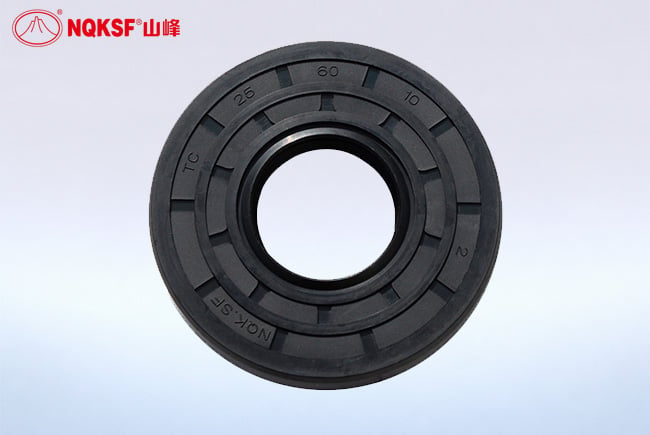
NQKSF is TC oil seal information similarly emphasizes that seal dimensions and material need to correspond to the shaft, housing, temperature, pressure, speed, and fluid conditions rather than being considered independently.
An oil seal is therefore better understood as part of a rotating sealing system. When the shaft, seal, lubricant, and operating conditions are considered together, the cause of leakage is usually much easier to identify.
 Hot News
ShanFeng Special Rubber Products Co., Ltd., operating under brand NQKSF since 1990, is a global leader in the sealing industry.
Copyright © 2026 ShanFeng Special Rubber Products Co., Ltd. All rights reserved. Privacy Policy
 EN
EN