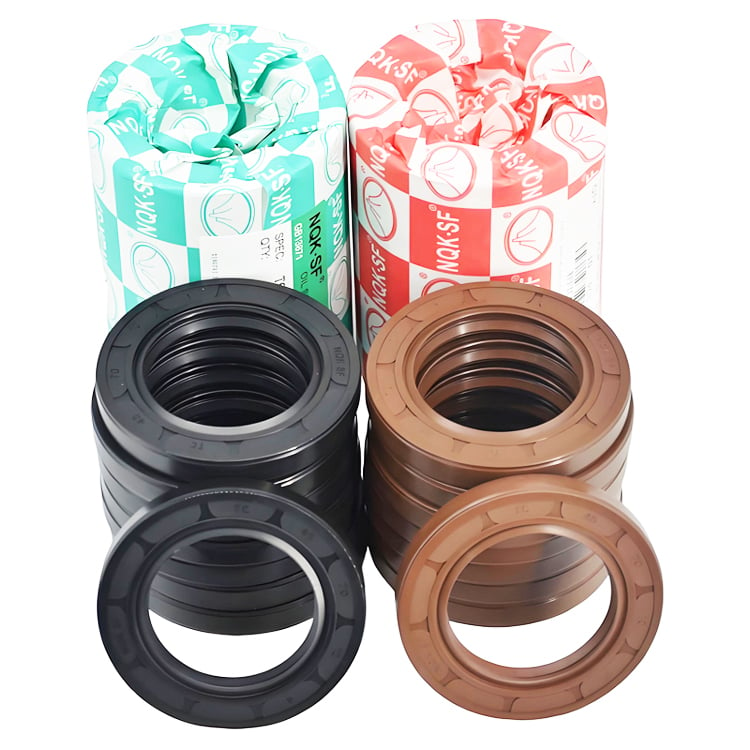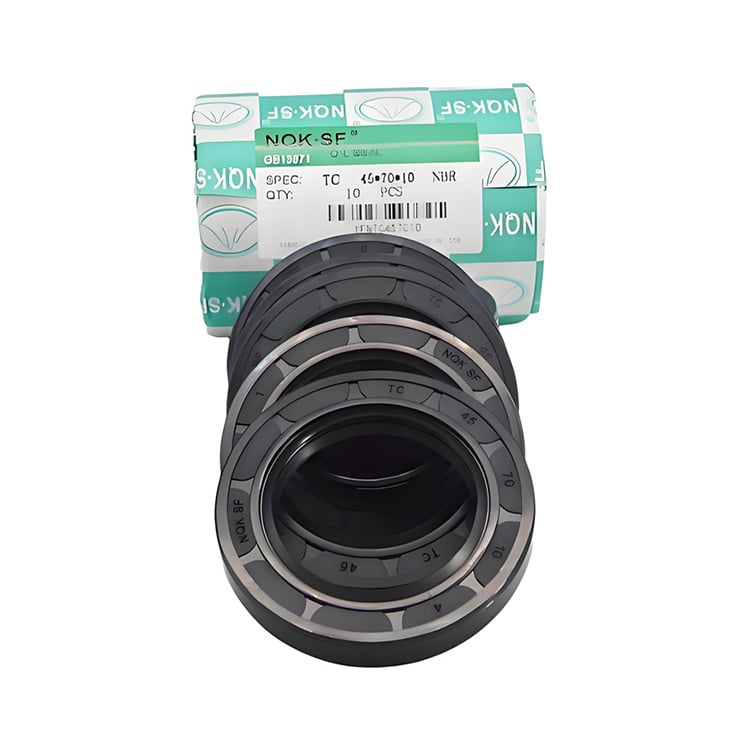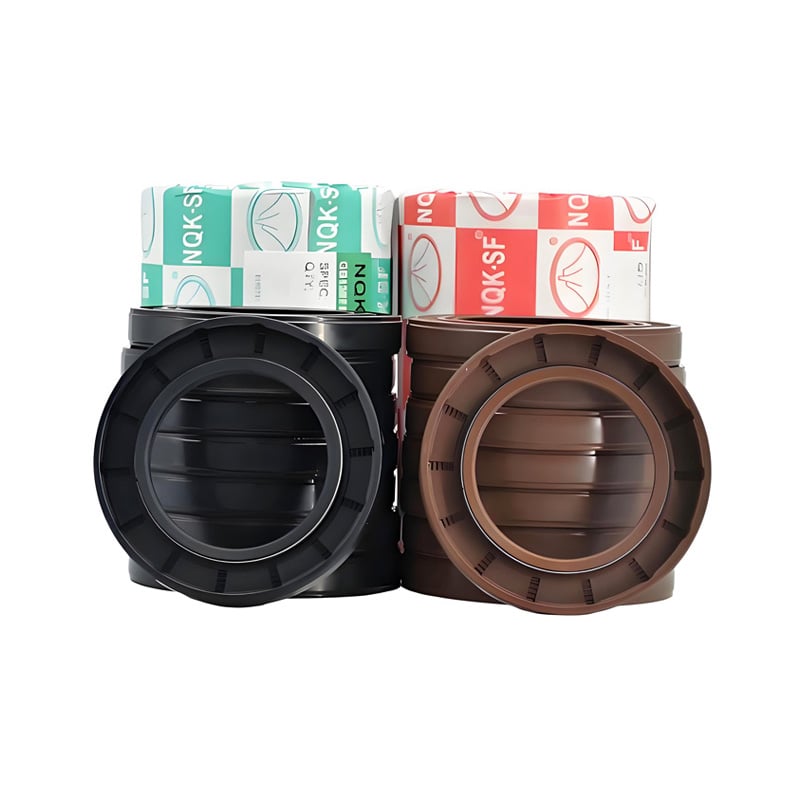

A TC oil seal is commonly described as a double-lip oil seal, but the two lips do not perform exactly the same job. The primary sealing lip is mainly responsible for retaining lubricant, while the secondary lip faces the outside environment and helps reduce the entry of dust and other contaminants.
This division of functions is what makes the TC configuration widely useful in general rotary shaft applications.
The Primary Lip Handles the Lubricant
The inner lip contacts the rotating shaft and forms the main sealing interface.
Its job is to control the lubricant inside the housing while allowing the shaft to rotate. A garter spring is commonly used to maintain radial loading at the sealing lip.
The contact condition is important because the lip needs enough radial force to maintain sealing contact, but excessive contact force can increase friction and heat.
That balance is one reason why the sealing lip geometry, material, shaft condition, and operating speed all matter together.
The Outer Lip Has a Different Job
The second lip is positioned toward the outside of the equipment.
It is commonly called a dust lip or secondary lip because its main function is to reduce the entry of external contaminants such as dust and dirt. It does not replace the primary oil-retaining lip.
This distinction is easy to overlook when looking at a finished TC seal. Both lips are made as part of the same seal, but they interact with the operating environment in different ways.
In dusty industrial equipment, for example, the outer lip can provide an additional barrier before contaminants reach the primary sealing area.
Why the Two-Lip Arrangement Is Useful
Rotating machinery often has two problems at the same time: lubricant needs to stay inside, while contaminants need to stay outside.
A single sealing interface has to deal with only one boundary between the internal and external environment. A double-lip arrangement adds another protective interface on the outside.
This does not mean that every TC seal is suitable for every contaminated environment. Heavy mud, abrasive particles, water immersion, high pressure, or unusual shaft movement may require a different sealing design.
The choice should always be based on the actual conditions rather than on the number of lips alone.
Material Still Matters
The TC structure and the elastomer material are separate parts of the selection process.
NBR is widely used in general oil-sealing applications because of its balance of oil resistance and mechanical properties. FKM can be considered when the application requires greater temperature or chemical resistance.
NQKSF is published TC oil seal information identifies dimensions and material as important parts of the specification and notes that the material needs to correspond to the working temperature, pressure, speed, and fluid.
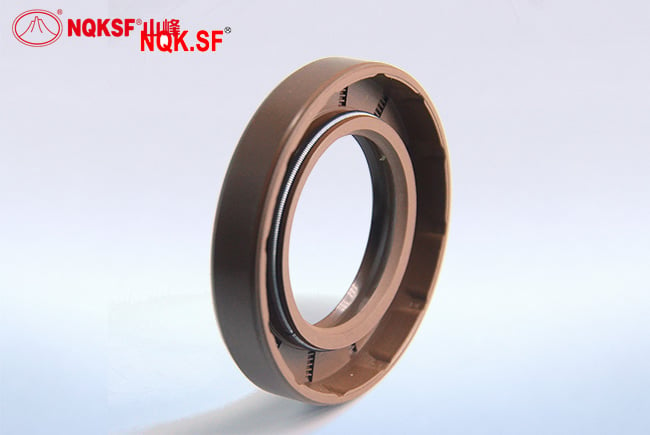
That is why a TC seal should not be specified simply as “a 50 mm oil seal.” The shaft diameter, housing bore, width, seal material, and operating environment all contribute to whether the selected seal is appropriate.
TC Is a Structure, Not a Universal Solution
TC oil seals are widely used because the design combines lubricant retention with an additional contamination-exclusion lip.
For motors, gearboxes, pumps, fans, and other general rotary equipment, this configuration can be a practical choice. When conditions become more demanding, however, the seal profile and material may need to change.
Understanding what each lip is actually doing makes oil seal selection much more meaningful than simply choosing a seal by outside appearance.
 Hot News
ShanFeng Special Rubber Products Co., Ltd., operating under brand NQKSF since 1990, is a global leader in the sealing industry.
Copyright © 2026 ShanFeng Special Rubber Products Co., Ltd. All rights reserved. Privacy Policy
 EN
EN