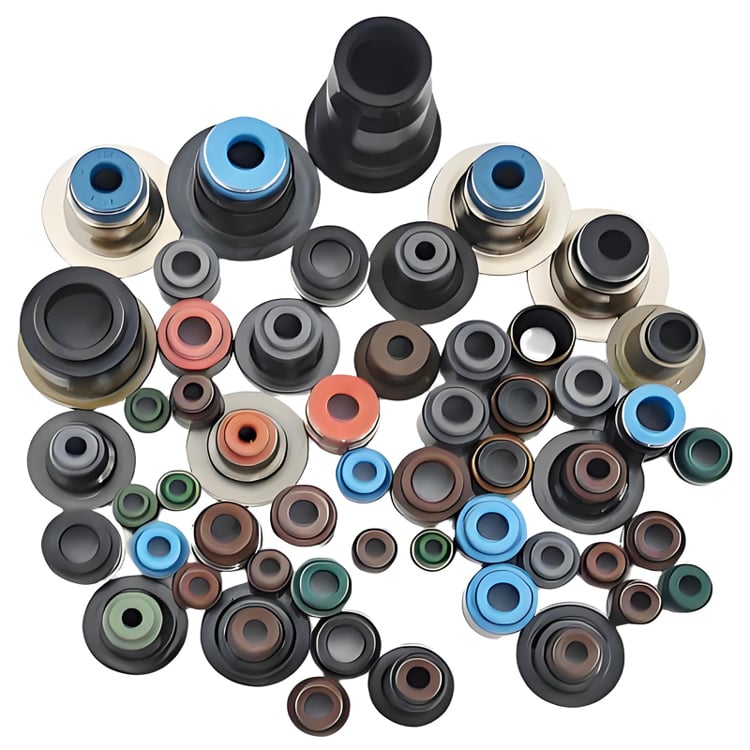

The main difference between static sealing and dynamic sealing is whether there is relative movement between the sealing surfaces. Static seals work between stationary parts, while dynamic seals are designed to maintain sealing performance when components move relative to each other.
Because the movement conditions are different, the seal structure, material requirements, and failure risks are also different.
Static Seals: Sealing Without Movement
Static sealing occurs when the sealing components remain fixed after installation.
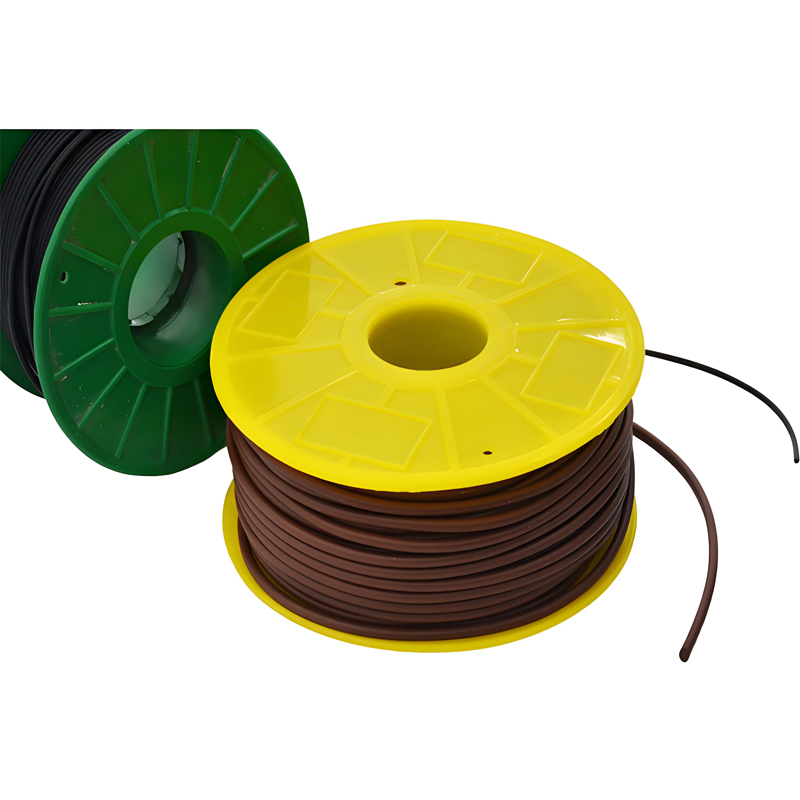
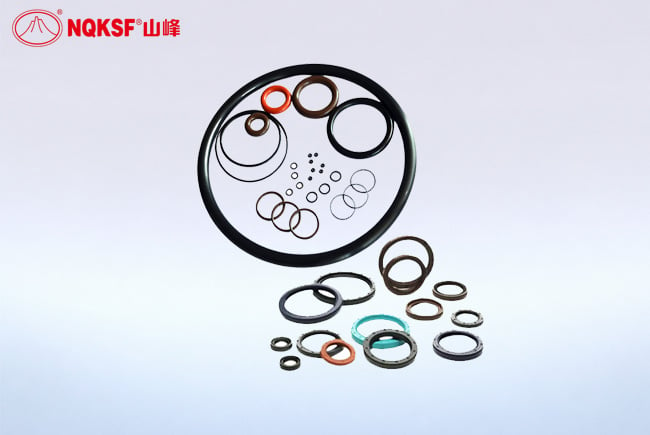
O-rings are one of the most common examples of static seals. They are widely used in flanges, covers, hydraulic connections, valves, and other assemblies where there is no continuous movement between sealing surfaces.
In static applications, the main concerns are usually compression, material compatibility, temperature resistance, and resistance to pressure or fluid exposure.
Since there is little friction caused by movement, static seals can often achieve long service life when properly designed and installed.
Dynamic Seals: Sealing During Movement
Dynamic sealing involves movement between the sealing surfaces.
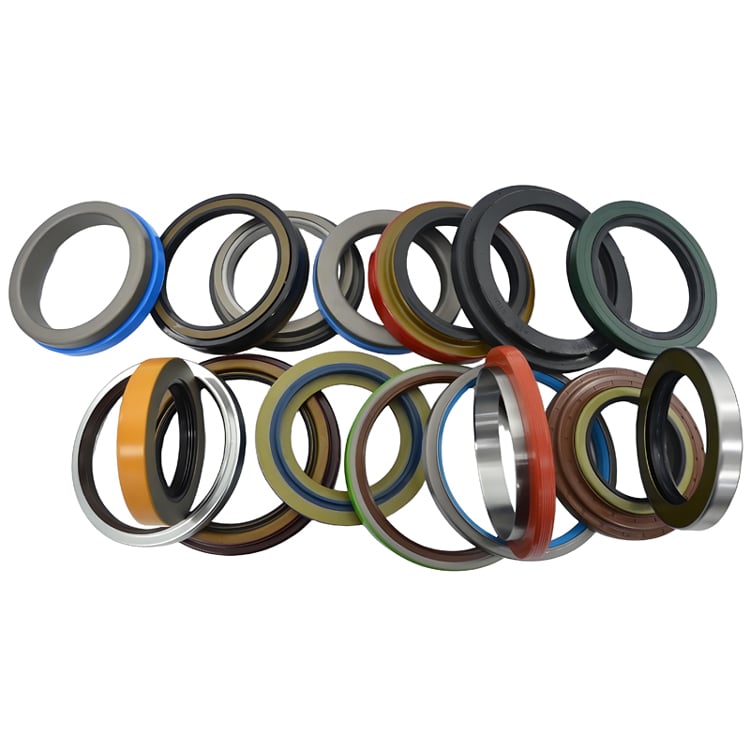
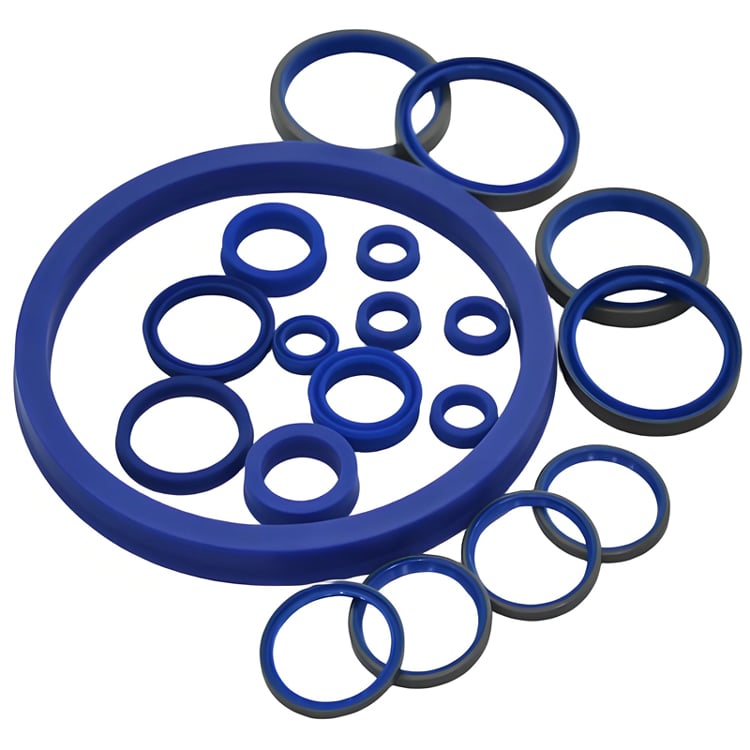
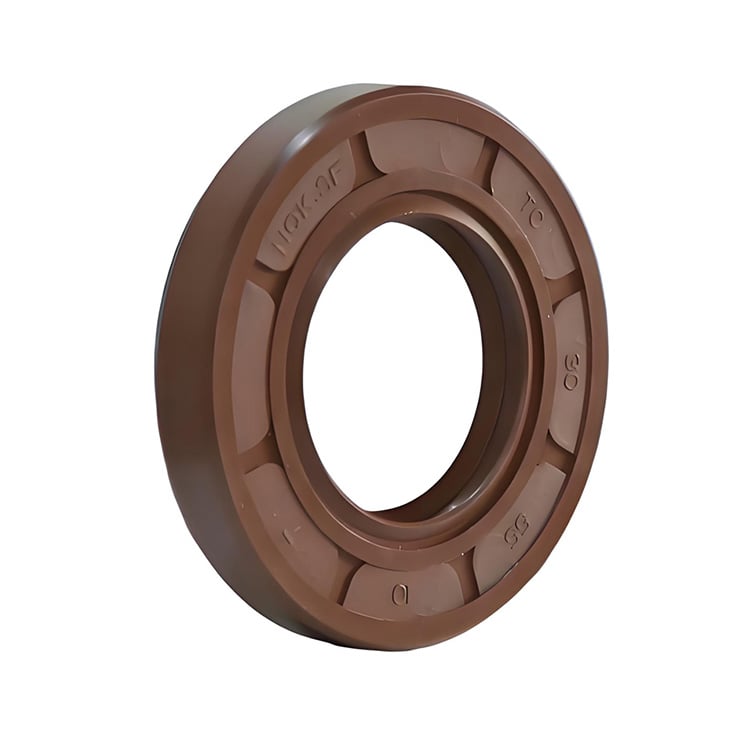
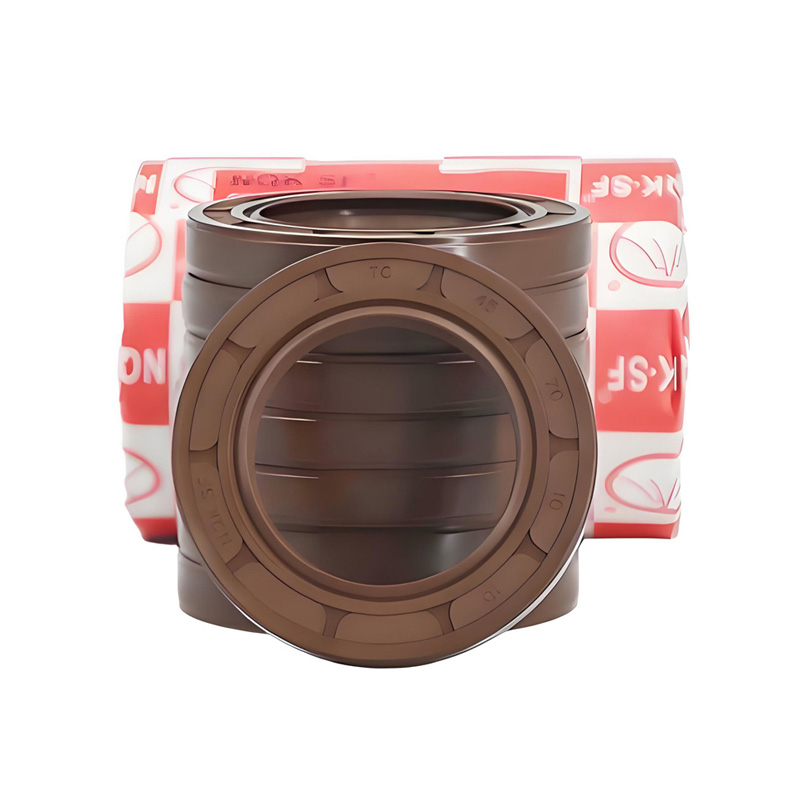
Oil seals, hydraulic rod seals, piston seals, and pneumatic seals are typical examples. These seals must maintain contact while dealing with friction, heat generation, wear, and changing operating conditions.
For a rotary oil seal, the sealing lip continuously interacts with a rotating shaft. The design must balance sealing force and friction. Too little contact may cause leakage, while excessive contact can increase heat and wear.
Different Applications Require Different Designs
A seal that works well in a static application may not be suitable for dynamic movement.
For example, an O-ring can provide reliable sealing in a fixed hydraulic connection, but using the same design in a continuously rotating shaft application would create different challenges.
Dynamic seals often require specific lip geometries, lubrication considerations, surface requirements, and wear-resistant materials.
Material Selection Is Also Different
Static seals usually focus on chemical compatibility, compression characteristics, and temperature resistance.
Dynamic seals require additional consideration of friction behavior, wear resistance, speed capability, and surface interaction.
This is why sealing materials and designs are usually selected according to the movement condition rather than only the sealing medium.
Understanding the Application Comes First
Choosing between static and dynamic sealing begins with understanding how the components operate.
Are the parts stationary or moving? Is the movement rotary or reciprocating? What temperature, pressure, speed, and medium are involved?
Answering these questions helps determine the appropriate seal structure and material for reliable performance.
 Hot News
ShanFeng Special Rubber Products Co., Ltd., operating under brand NQKSF since 1990, is a global leader in the sealing industry.
Copyright © 2026 ShanFeng Special Rubber Products Co., Ltd. All rights reserved. Privacy Policy
 EN
EN