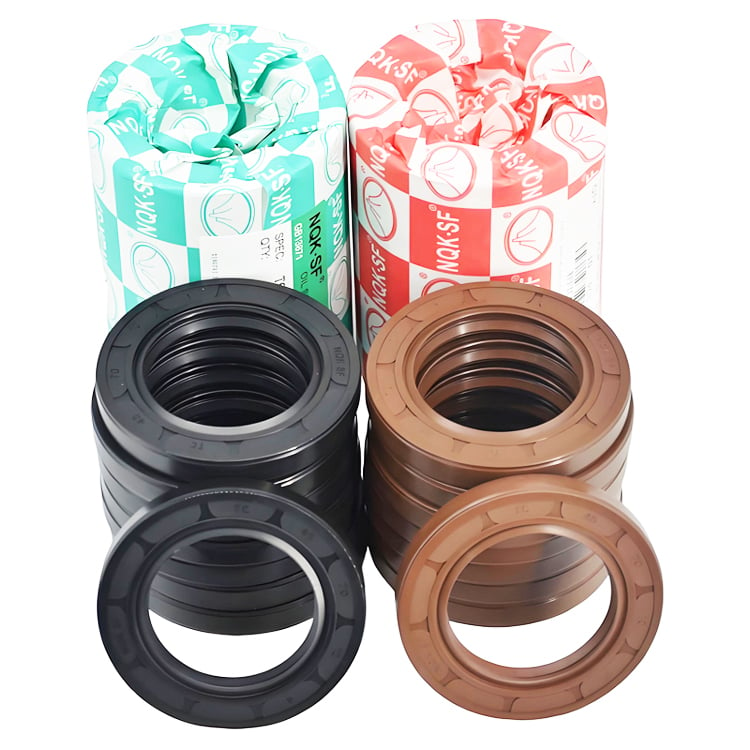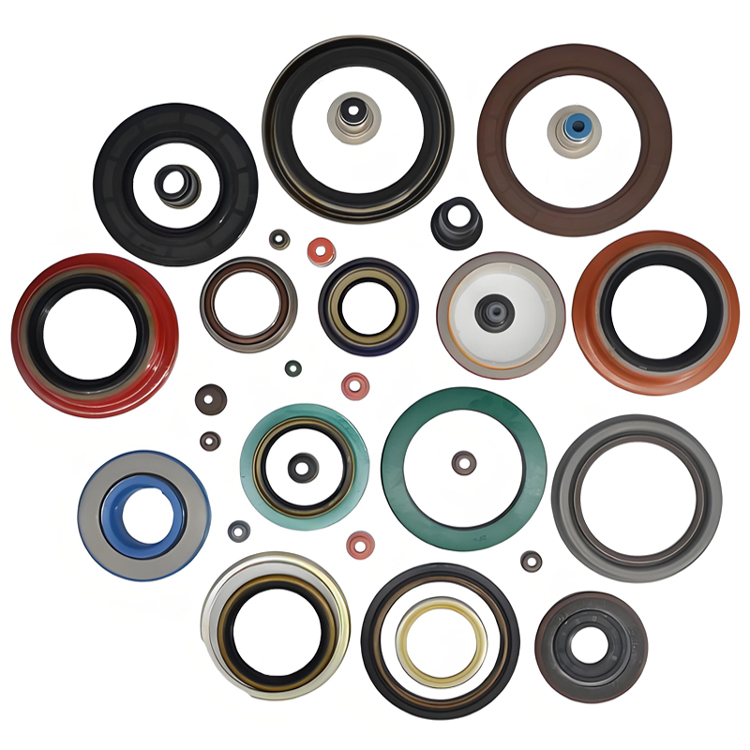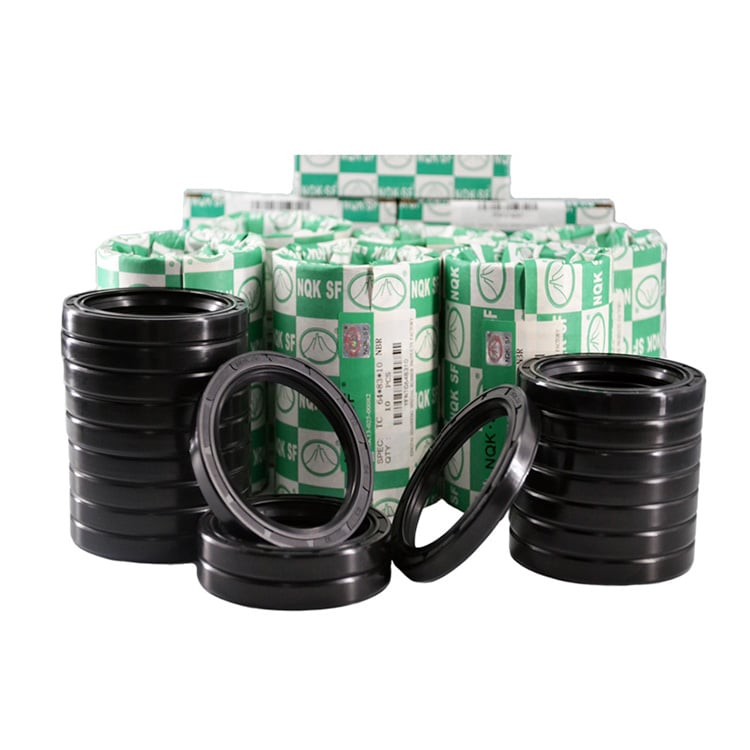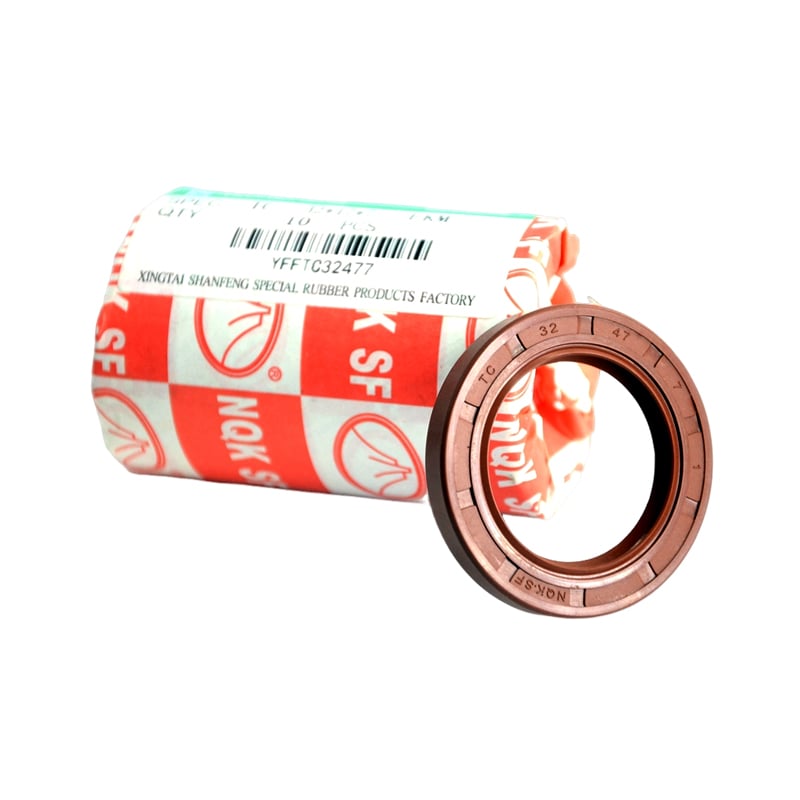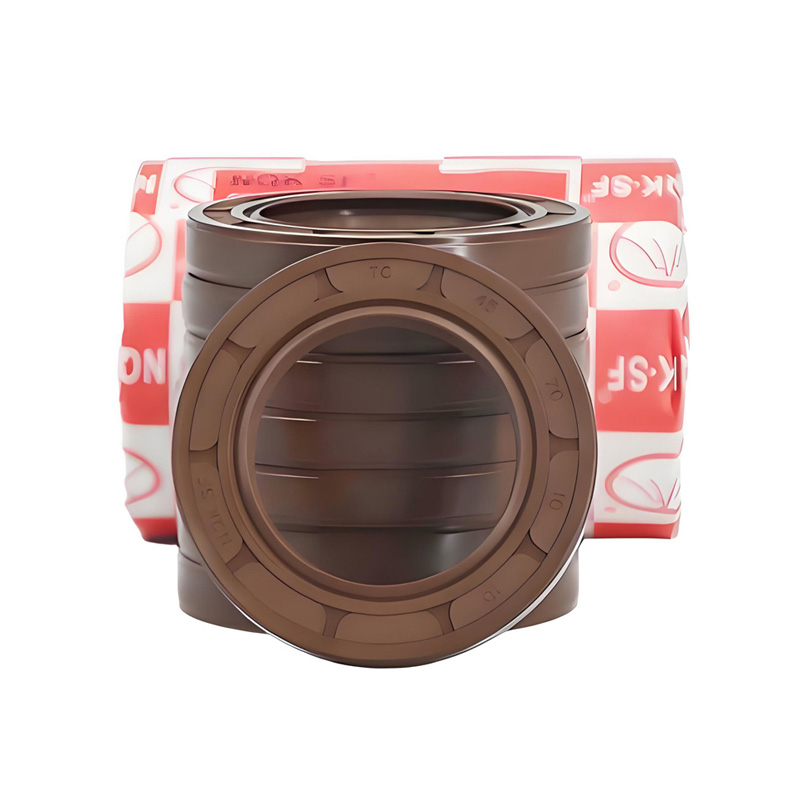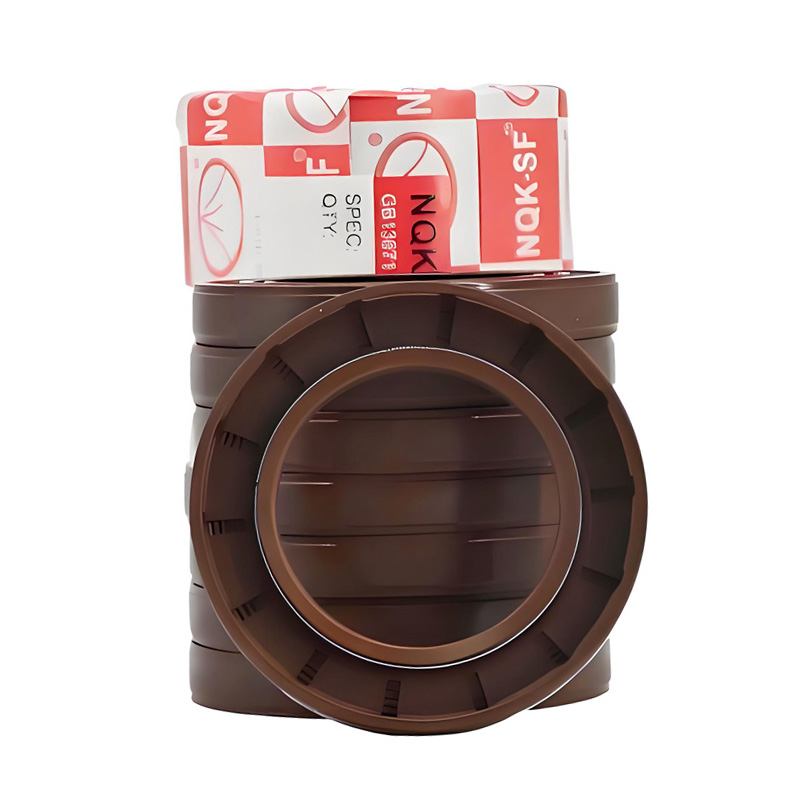

TC oil seals are widely used in motors, gearboxes, pumps, and industrial rotating equipment because their double-lip structure provides both lubricant retention and contamination protection.
The popularity of TC seals comes from the balance between sealing function, structural design, and suitability for many general rotary applications.
The Main Lip Helps Retain Lubricant
The primary sealing lip faces the oil or grease side of the equipment.
Its purpose is to maintain contact with the rotating shaft and reduce lubricant leakage. Many TC oil seals use a garter spring to maintain radial force at the sealing lip, helping the lip follow the shaft during operation.
This function is especially important in gearboxes and motors where lubricant loss can affect internal components.
The Secondary Lip Helps Reduce Contamination
The outer lip of a TC seal is designed to provide additional protection against external contaminants.
Dust, dirt, and moisture can enter rotating equipment and damage internal parts. The secondary lip helps reduce the chance of contaminants reaching the primary sealing area.
However, the protection level still depends on the actual working environment. Severe contamination may require a different sealing design.
The Structure Fits Many Industrial Applications
TC oil seals usually combine an elastomer sealing element, metal case, and spring-loaded sealing lip.
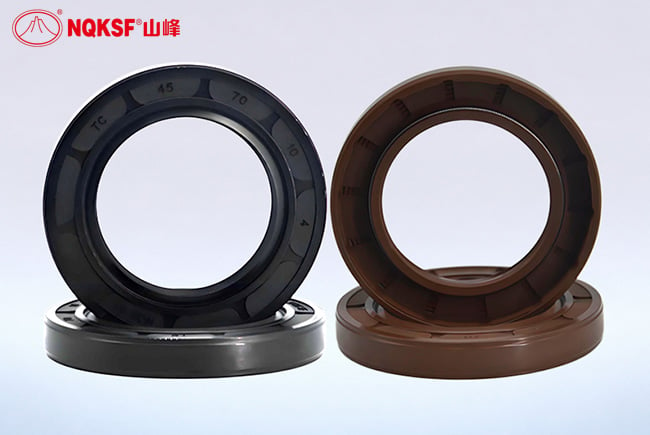
This construction allows them to be used in many standard rotating applications where oil retention and contamination exclusion are both required.
Common applications include electric motors, reducers, pumps, fans, agricultural equipment, and general industrial machinery.
Material Selection Still Matters
The TC structure alone does not determine performance.
The elastomer material must match the operating environment. NBR is widely used for many mineral oil applications, while FKM may be selected for higher temperatures or more demanding fluid conditions.
Other factors such as shaft speed, pressure, shaft finish, and installation conditions also influence service performance.
TC Is a Design Choice Based on Application
TC oil seals are common because their structure addresses two basic challenges in rotating equipment: keeping lubricant inside and keeping contaminants outside.
However, selecting a suitable TC seal still requires considering the complete operating environment rather than choosing only by size or appearance.
 Hot News
ShanFeng Special Rubber Products Co., Ltd., operating under brand NQKSF since 1990, is a global leader in the sealing industry.
Copyright © 2026 ShanFeng Special Rubber Products Co., Ltd. All rights reserved. Privacy Policy
 EN
EN