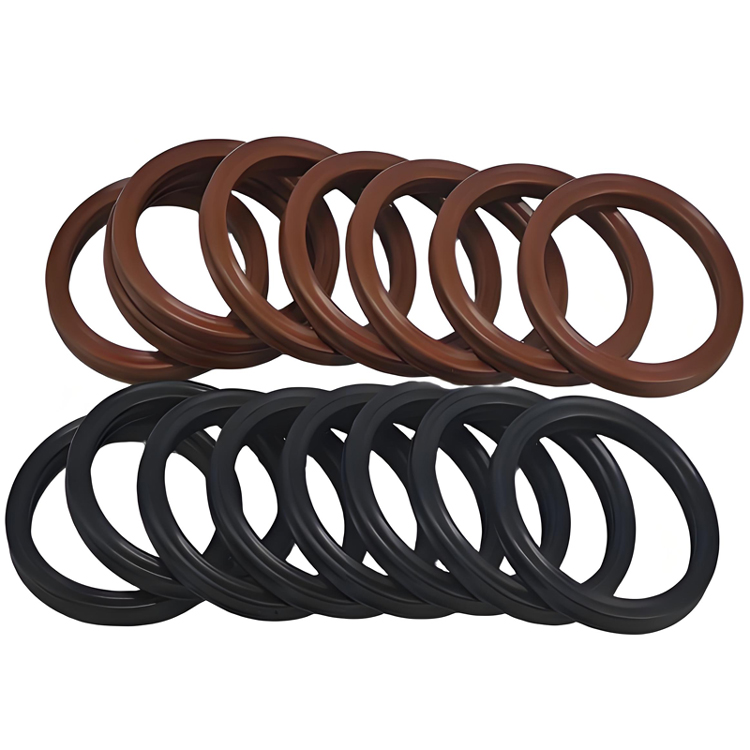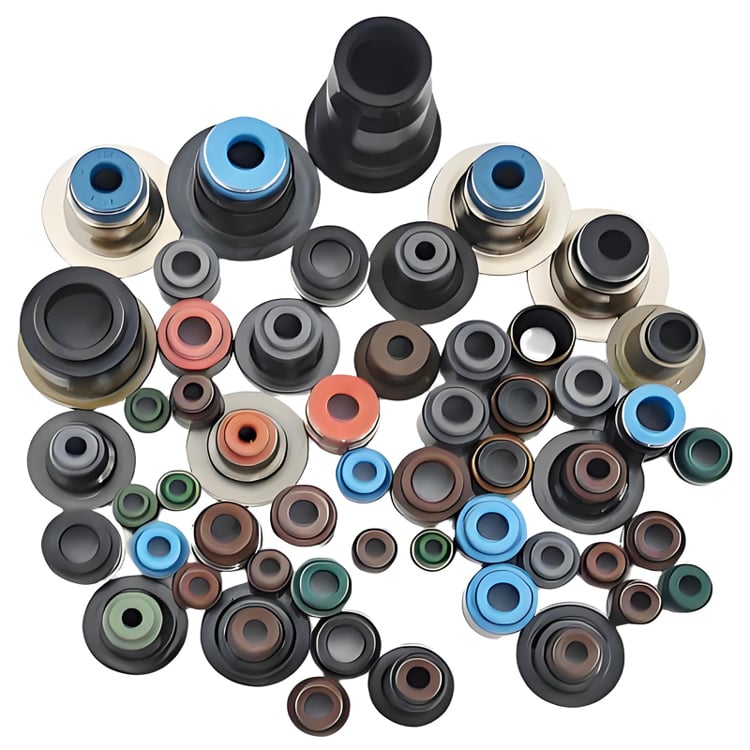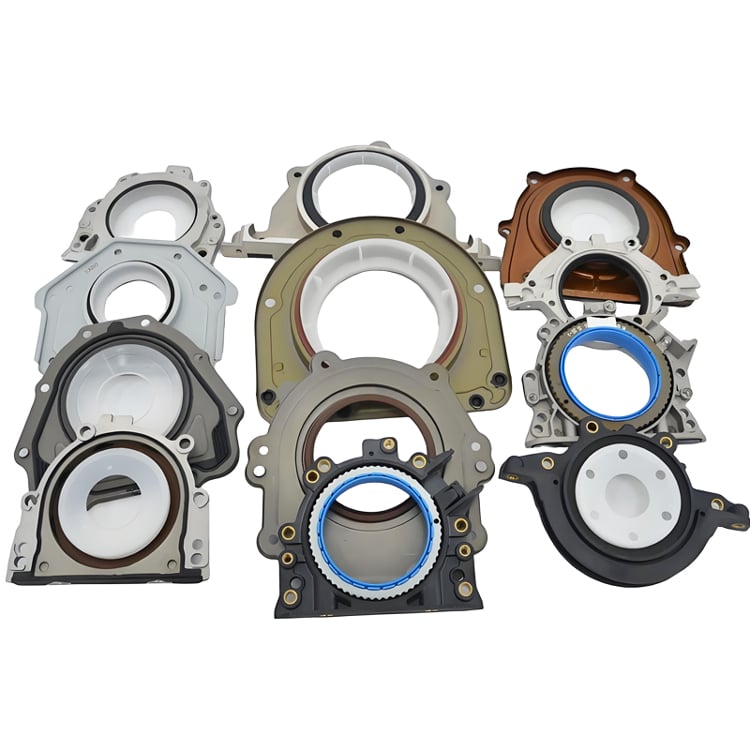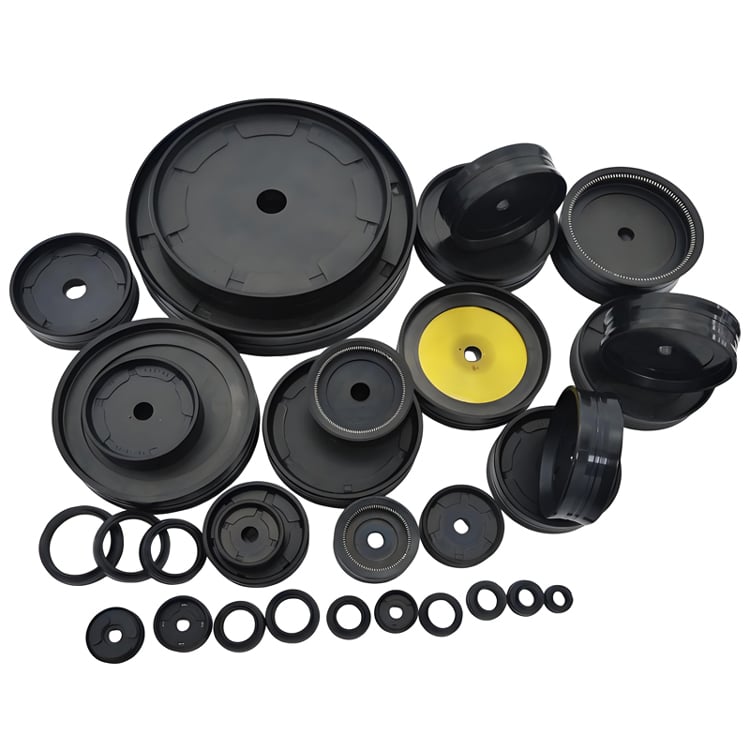

The service life of an oil seal is influenced by many factors beyond the seal itself. Operating speed, temperature, lubrication condition, shaft surface quality, contamination, and installation accuracy all affect how long a rotary shaft seal can maintain reliable performance.
Two machines using the same oil seal size may have completely different service lives because their working conditions are different.
Rotational Speed Changes the Working Environment
An oil seal works by maintaining controlled contact between the sealing lip and the rotating shaft. When shaft speed increases, friction at the contact area can generate additional heat.
If the heat cannot be properly managed, the sealing lip may experience accelerated aging or wear. High-speed applications therefore require careful consideration of seal design, material selection, lubrication, and shaft condition.
A seal suitable for a low-speed gearbox may not provide the same performance in a high-speed motor or rotating machine.
Temperature Affects Rubber Properties
Temperature has a direct influence on elastomer performance.
When exposed to temperatures beyond its suitable range, rubber materials may become harder, softer, or lose their original elasticity. This can reduce the ability of the sealing lip to maintain proper contact with the shaft.
Different materials respond differently to temperature. NBR is commonly used in general oil sealing applications, while FKM is often selected when higher temperature resistance is required.
Contamination Can Increase Wear
Dust, metal particles, water, and other contaminants can damage the sealing interface.
Many oil seals include a secondary dust lip to help reduce contamination entering from the outside. However, the effectiveness of this protection depends on the environment. Applications involving mud, abrasive particles, or frequent cleaning may require a more suitable sealing design.
Once abrasive particles enter the lip area, they can increase friction and accelerate wear.
Shaft Condition Plays an Important Role
The shaft is part of the sealing system, not just a supporting component.
Surface roughness, hardness, runout, and wear marks can influence how the sealing lip contacts the shaft. A damaged shaft surface can shorten seal life even when the oil seal itself meets the required specifications.
For replacement work, inspecting the shaft condition is often as important as selecting the correct seal.
Service Life Depends on the Complete System
Oil seal durability is not determined by one factor alone. A suitable seal design must work together with the shaft, housing, lubricant, temperature, speed, and surrounding environment.
Understanding these factors helps engineers choose more suitable sealing solutions and avoid premature replacement caused by unsuitable operating conditions.
 Hot News
ShanFeng Special Rubber Products Co., Ltd., operating under brand NQKSF since 1990, is a global leader in the sealing industry.
Copyright © 2026 ShanFeng Special Rubber Products Co., Ltd. All rights reserved. Privacy Policy
 EN
EN