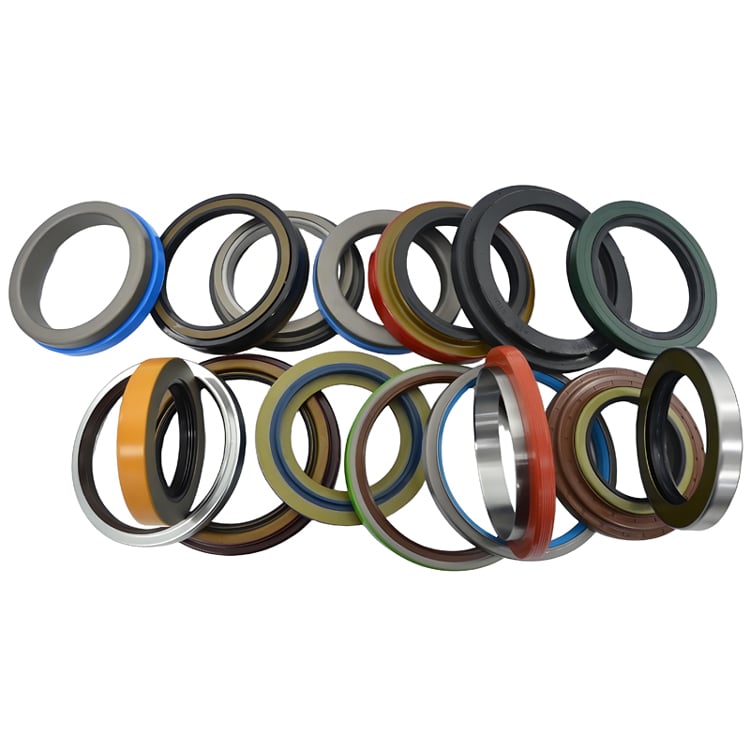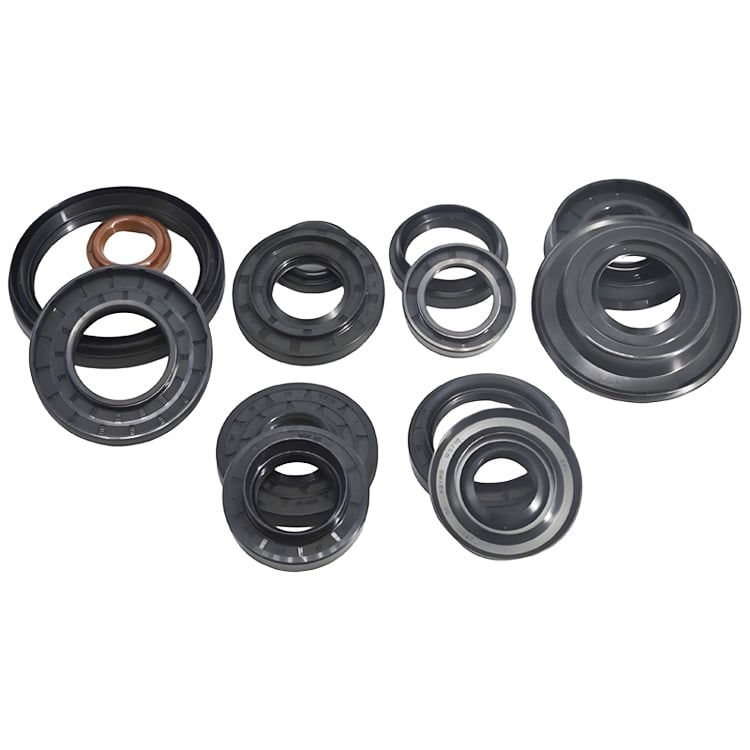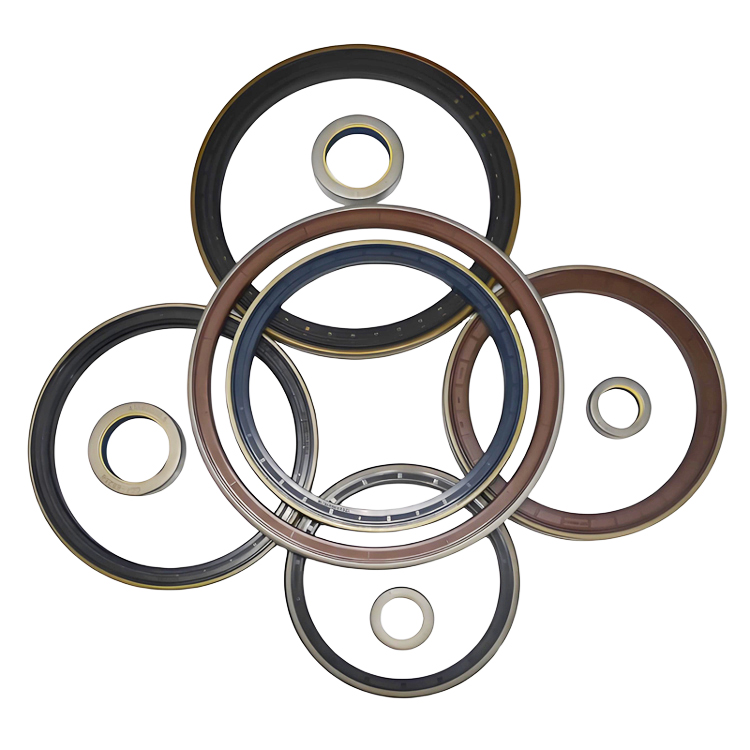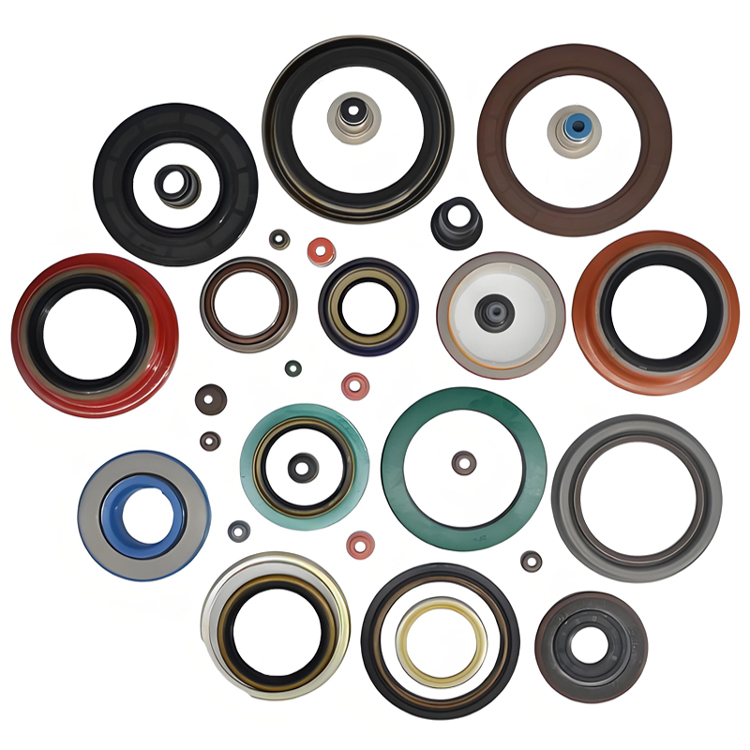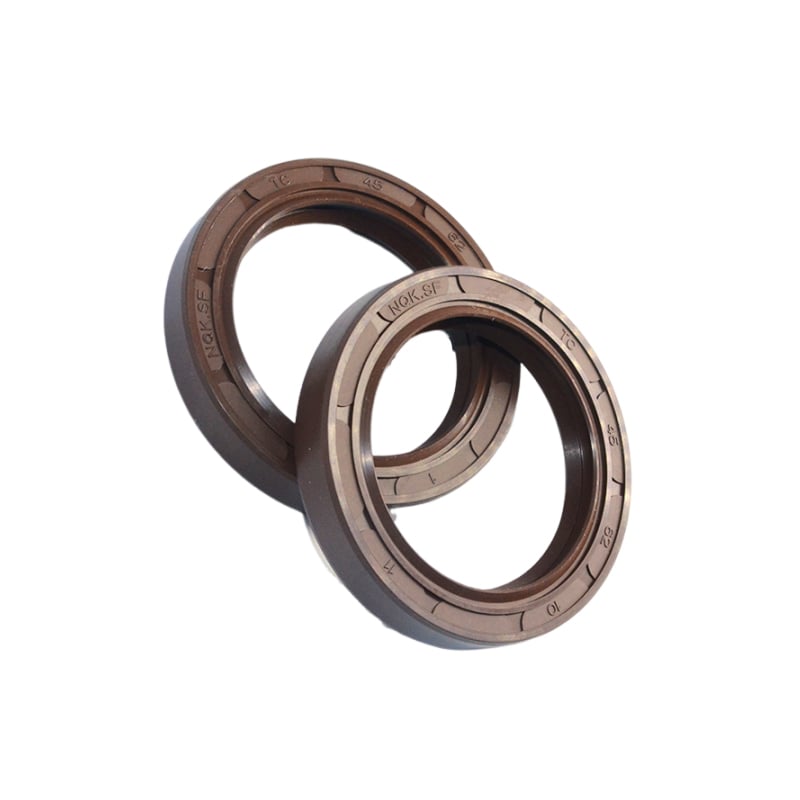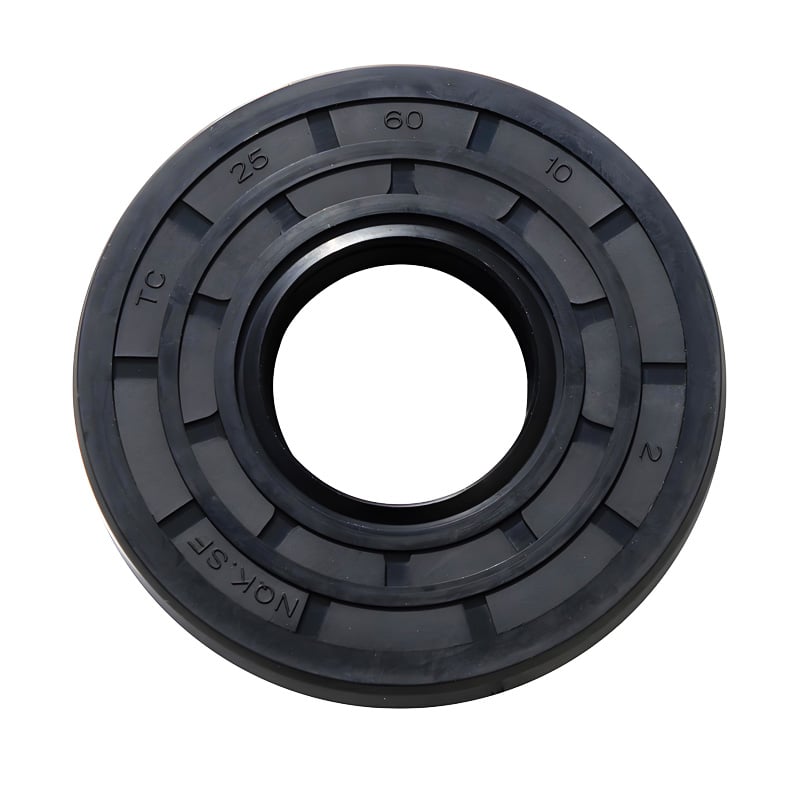

When engineers discuss oil seal selection, attention usually goes to the seal itself: material, dimensions, profile, spring, and temperature rating. But in a rotary application, the shaft is equally important because the sealing lip must continuously run against its surface.
A suitable oil seal cannot compensate indefinitely for a damaged or poorly prepared shaft.
The Lip and Shaft Work as One Interface
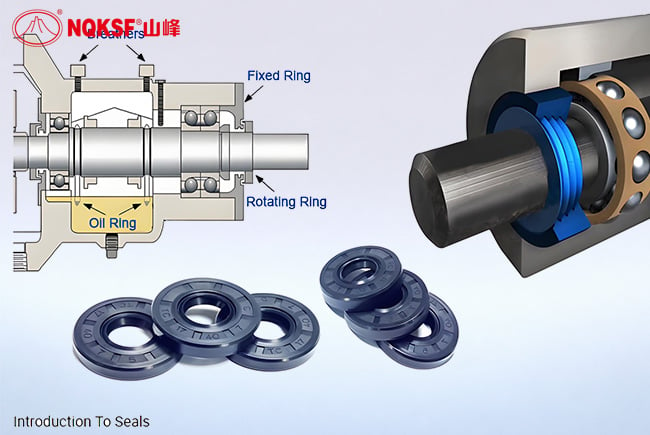
A rotary oil seal does not create a seal simply by sitting around a shaft. The elastomer lip maintains controlled contact with the rotating shaft, creating the sealing interface.
The sealing lip and shaft surface as one of the most important functional areas of a radial seal.
This explains why shaft condition has a direct influence on friction, wear, heat generation, and leakage.
If the shaft surface is unsuitable, the seal may wear more quickly even when the seal itself is correctly manufactured.
Wear Grooves Can Cause Repeated Leakage
One common problem occurs when an old oil seal has operated on the same shaft position for a long period.
Continuous contact can create a visible wear track or groove. If a replacement seal is installed in exactly the same position, its lip may fall into the existing groove. The new seal is then working against a surface that has already been altered by the previous seal.
Surface Finish Is Not About “The Smoother, the Better”
It is tempting to assume that a very smooth shaft is automatically better for an oil seal. In reality, the shaft surface needs to be suitable for the specific sealing system.
Surface texture affects the interaction between the lip and shaft, including lubricant retention and friction. A surface that is improperly finished, damaged, or has an unfavorable lead can interfere with the intended sealing behavior.
For this reason, shaft preparation should follow the requirements of the particular seal design rather than relying on a general rule such as “polish it as smooth as possible.”
Speed Changes the Thermal Conditions
The shaft does more than provide a surface for the lip. It also determines how fast the contact area moves.
As rotational speed increases, frictional heating at the sealing interface can increase. The resulting temperature is influenced by shaft diameter, speed, lubricant, lip load, and seal design.
The relationship between rotational speed, frictional moment, and temperature rise at the sealing lip/counterface contact.
This is why a seal that works well at moderate speed cannot automatically be assumed to perform identically at much higher speed.
What Should Be Checked During Maintenance?
When replacing a rotary oil seal, the shaft should be inspected before the new seal is installed.
Look for a visible wear groove, scratches, corrosion, burrs, or damage around keyways and splines. The shaft should also be checked for excessive runout or movement that could prevent the lip from maintaining consistent contact.
If the shaft is badly worn, replacing only the oil seal may not address the root cause. Recommends repairing or replacing a severely worn sealing surface rather than simply installing another seal over a deep groove.
The Seal Is Only Half of the Sealing System
Good rotary sealing depends on the interaction between the seal and its counterface.
For NQKSF and other oil seal manufacturers, this is why product selection should consider shaft diameter, housing dimensions, material, speed, temperature, lubricant, and shaft condition together. A technically correct seal installed against an unsuitable shaft can still produce an unsatisfactory result.
When leakage appears repeatedly after seal replacement, looking at the shaft can sometimes reveal the problem that the seal itself cannot explain.
 Hot News
ShanFeng Special Rubber Products Co., Ltd., operating under brand NQKSF since 1990, is a global leader in the sealing industry.
Copyright © 2026 ShanFeng Special Rubber Products Co., Ltd. All rights reserved. Privacy Policy
 EN
EN