Premium Bearing Oil Seals - Advanced Protection for Industrial Machinery

All Categories

bearing oil seals

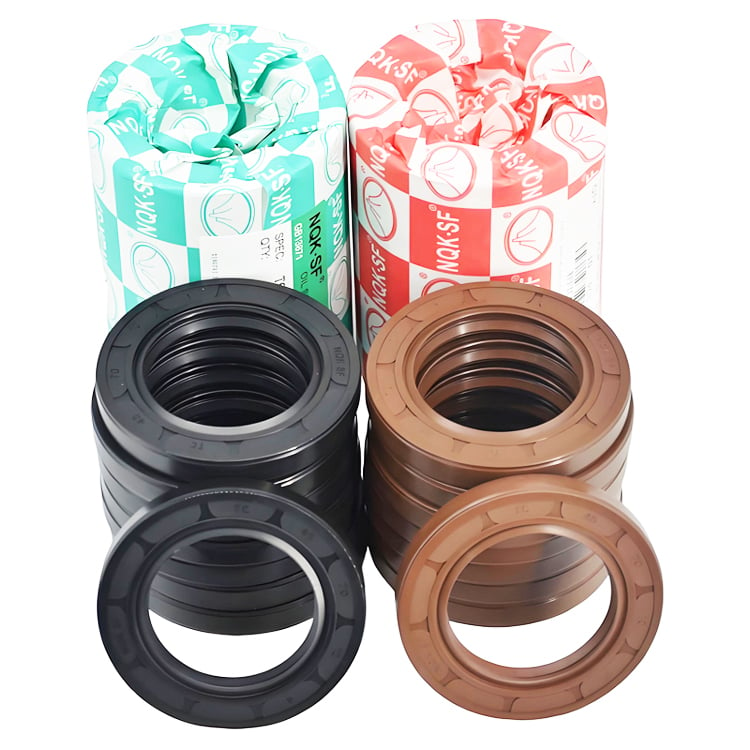
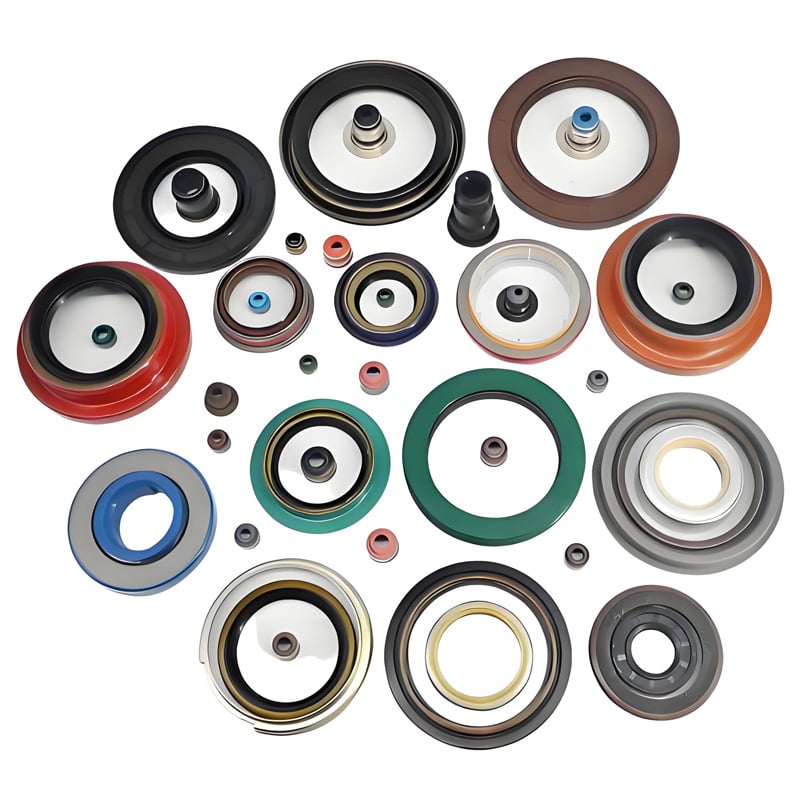
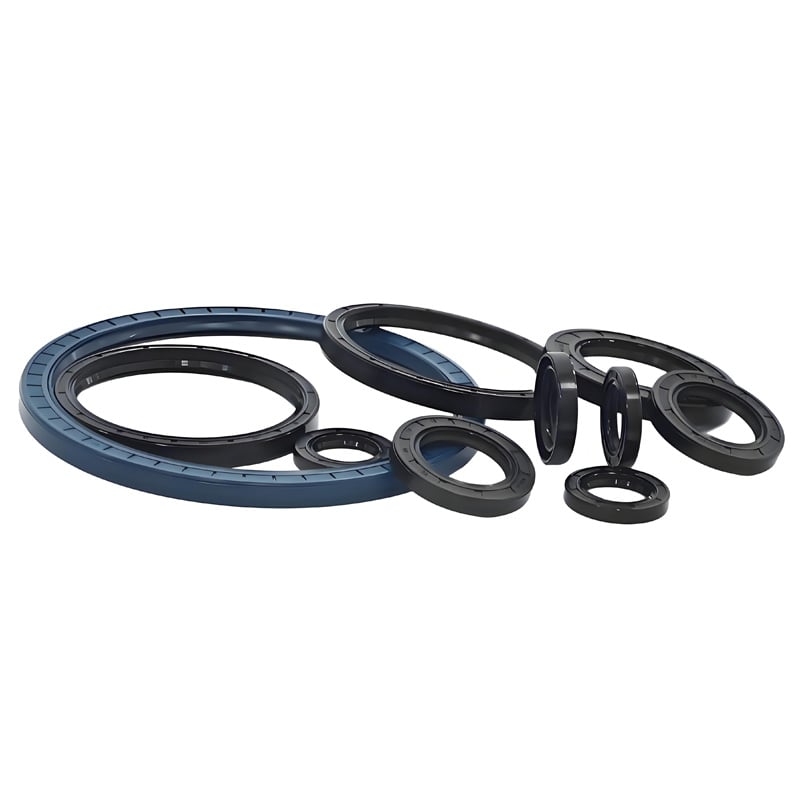
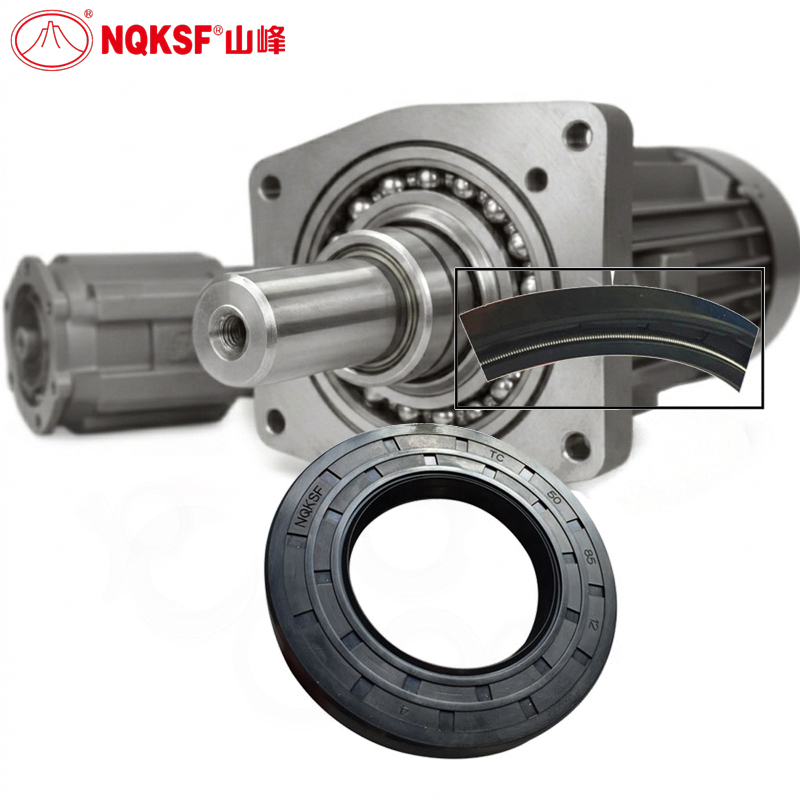
Bearing oil seals represent a critical component in mechanical engineering systems, specifically designed to protect bearings from contamination while retaining essential lubricants within the bearing assembly. These precision-engineered seals create an effective barrier between the bearing's internal environment and external contaminants such as dust, dirt, moisture, and other harmful particles that could compromise bearing performance and longevity. The primary function of bearing oil seals involves maintaining optimal lubrication conditions by preventing oil leakage and blocking foreign matter from entering the bearing housing. Modern bearing oil seals incorporate advanced elastomeric materials, typically featuring nitrile rubber, fluoroelastomer, or polytetrafluoroethylene compounds that provide exceptional resistance to temperature extremes, chemical exposure, and mechanical wear. The technological features of these seals include precisely molded lip designs that create consistent contact pressure against rotating shafts, ensuring reliable sealing performance across varying operational conditions. Many bearing oil seals utilize spring-loaded lips that automatically adjust to shaft irregularities and thermal expansion, maintaining effective sealing throughout the component's service life. The seal geometry often incorporates multiple sealing elements, including primary and secondary lips that work in tandem to provide redundant protection. Applications for bearing oil seals span numerous industries, from automotive transmissions and wheel bearings to industrial machinery, agricultural equipment, and aerospace systems. In automotive applications, these seals protect wheel bearings from road salt, water, and debris while maintaining proper grease retention. Industrial applications include electric motors, pumps, gearboxes, and conveyor systems where bearing protection directly impacts equipment reliability and maintenance costs. The versatility of bearing oil seals makes them indispensable components in virtually any rotating machinery application where bearing protection and lubrication retention are essential for optimal performance and extended service intervals.

New Product Releases

The advantages of bearing oil seals extend far beyond simple contamination protection, delivering measurable benefits that directly impact operational efficiency and cost-effectiveness for end users. First and foremost, these seals significantly extend bearing life by maintaining clean lubrication environments and preventing abrasive particles from causing premature wear. This protection translates into reduced maintenance frequency and lower replacement costs, as bearings protected by quality oil seals can operate for substantially longer periods before requiring service. The economic benefits become particularly evident in high-volume applications where bearing failures can result in costly downtime and production interruptions. Bearing oil seals also enhance equipment reliability by providing consistent performance across diverse operating conditions. Their ability to maintain effective sealing despite temperature fluctuations, pressure variations, and shaft movement ensures that critical machinery continues operating within design parameters. This reliability reduces unexpected failures and allows for more predictable maintenance scheduling, enabling businesses to optimize their operational planning and resource allocation. Another significant advantage lies in the environmental protection these seals provide. By preventing lubricant leakage, bearing oil seals help companies meet environmental regulations and reduce cleanup costs associated with oil spills. This environmental responsibility also supports corporate sustainability initiatives while potentially avoiding regulatory penalties. The installation and replacement process for bearing oil seals has been engineered for simplicity, allowing maintenance personnel to perform seal changes quickly and efficiently. Many designs feature press-fit installation that requires minimal specialized tools, reducing both labor time and skill requirements. This ease of maintenance contributes to lower overall ownership costs and improved equipment availability. Modern bearing oil seals also offer superior chemical resistance, protecting bearings in applications involving exposure to aggressive fluids, cleaning solvents, or corrosive environments. This chemical compatibility expands the range of applications where these seals can provide effective protection. Furthermore, the precision manufacturing of contemporary bearing oil seals ensures consistent quality and performance, reducing variability in seal effectiveness and providing predictable service life across multiple installations. The thermal stability of advanced seal materials allows operation in extreme temperature environments, from sub-zero conditions to high-temperature applications, making these seals suitable for diverse industrial sectors.

Latest News

What Are the Main Advantages of Using Shaft Oil Seals in Industrial Equipment?

27

Nov

What Are the Main Advantages of Using Shaft Oil Seals in Industrial Equipment?

Industrial machinery operates under demanding conditions where contamination, fluid leakage, and component wear can lead to costly downtime and equipment failure. Shaft oil seals represent one of the most critical components in maintaining machinery ...
View More
Which Rubber Oil Seal Materials Fit Heavy-Duty Machinery?

06

Jan

Which Rubber Oil Seal Materials Fit Heavy-Duty Machinery?

Heavy-duty machinery operates under extreme conditions that demand reliable sealing solutions to prevent fluid leakage and contamination. The selection of appropriate rubber oil seal materials plays a critical role in maintaining equipment performanc...
View More
Why Do Industrial Systems Depend on Reliable Rotary Oil Seals?

06

Jan

Why Do Industrial Systems Depend on Reliable Rotary Oil Seals?

Industrial machinery operates under extreme conditions where precision engineering and component reliability determine operational success. Among the critical components that ensure seamless functionality, the oil seal stands as a fundamental element...
View More
What Are the Key Lip Design Considerations for Skeleton Oil Seals?

22

Apr

What Are the Key Lip Design Considerations for Skeleton Oil Seals?

The effectiveness of any oil seal fundamentally depends on its lip design, which forms the critical interface between the sealing element and the shaft surface. For skeleton oil seals specifically, the lip configuration determines sealing performance...
View More

Get a Free Quote

Our representative will contact you soon.
Email
Telephone
Name
Company Name
Message
0/1000

bearing oil seals

Advanced Multi-Lip Sealing Technology

Advanced Multi-Lip Sealing Technology

The sophisticated multi-lip sealing technology incorporated in modern bearing oil seals represents a breakthrough in contamination protection and lubrication retention. This innovative design features multiple sealing elements strategically positioned to create redundant barriers against environmental contaminants while maintaining optimal lubricant distribution within the bearing assembly. The primary sealing lip establishes direct contact with the rotating shaft, utilizing precisely controlled contact pressure to prevent oil leakage while minimizing friction and wear. This primary seal incorporates advanced elastomeric compounds that maintain flexibility across extreme temperature ranges, ensuring consistent sealing performance from arctic conditions to high-temperature industrial applications. The secondary sealing lip provides additional protection against ingress of larger contaminants such as dirt, sand, and debris that could bypass the primary seal during severe operating conditions. Between these sealing lips, manufacturers often incorporate a grease-filled chamber that serves multiple functions: it provides additional lubrication for the sealing lips themselves, creates a buffer zone against contamination, and helps accommodate minor shaft irregularities or thermal expansion. The geometric design of each sealing lip has been optimized through extensive computational fluid dynamics modeling and real-world testing to achieve the ideal balance between sealing effectiveness and operational friction. Spring-loaded configurations automatically adjust sealing pressure to compensate for shaft wear, thermal expansion, and manufacturing tolerances, ensuring consistent performance throughout the seal's service life. This multi-lip technology dramatically improves bearing protection compared to single-lip designs, particularly in challenging environments where contamination levels are high or operating conditions are severe. The redundant sealing capability provides peace of mind for critical applications where bearing failure could result in significant operational disruptions or safety concerns. Additionally, the advanced materials used in these multi-lip systems offer exceptional resistance to ozone, ultraviolet radiation, and chemical exposure, making them suitable for outdoor applications and industrial environments involving aggressive chemicals or cleaning agents.
Precision-Engineered Material Selection

Precision-Engineered Material Selection

The precision-engineered material selection process for bearing oil seals involves careful consideration of multiple performance factors to ensure optimal compatibility with specific application requirements. Modern seal manufacturers utilize advanced polymer science to develop elastomeric compounds that deliver superior performance across diverse operating conditions. Nitrile rubber compounds provide excellent resistance to petroleum-based lubricants while maintaining flexibility at low temperatures, making them ideal for automotive and general industrial applications. Fluoroelastomer materials offer exceptional chemical resistance and high-temperature capability, suitable for aerospace, chemical processing, and high-performance automotive applications where exposure to aggressive fluids or extreme temperatures is common. Polytetrafluoroethylene-based seals provide unmatched chemical inertness and low friction characteristics, perfect for food processing, pharmaceutical, and precision machinery applications where contamination must be absolutely minimized. The material selection process also considers the specific shaft surface finish, rotational speed, and pressure requirements of each application. Engineers analyze factors such as durometer hardness, tensile strength, compression set resistance, and thermal expansion coefficients to ensure optimal seal-to-shaft interface performance. Advanced manufacturing techniques allow for precise control of material properties, including the incorporation of specialized additives that enhance specific characteristics such as friction reduction, wear resistance, or thermal stability. Carbon black loading levels are carefully optimized to provide the ideal balance between mechanical properties and cost-effectiveness, while specialized antioxidants and ozone-resistant compounds extend service life in challenging outdoor environments. The vulcanization process itself is precisely controlled to achieve consistent cross-linking density, ensuring uniform mechanical properties throughout each seal. Quality control testing includes verification of material properties such as tensile strength, elongation, compression set, and thermal aging resistance to guarantee that each bearing oil seal meets stringent performance specifications. This comprehensive material engineering approach results in seals that provide reliable, long-lasting protection while minimizing maintenance requirements and operational costs for end users across diverse industrial applications.
Versatile Cross-Industry Applications

Versatile Cross-Industry Applications

The versatile cross-industry applications of bearing oil seals demonstrate their critical importance in maintaining operational efficiency across diverse sectors, from heavy industrial machinery to precision medical equipment. In the automotive industry, these seals protect wheel bearings, transmission components, and differential assemblies from road contaminants while retaining essential lubricants under extreme conditions including temperature variations, high-pressure washing, and salt exposure during winter operations. Agricultural applications present unique challenges where bearing oil seals must withstand exposure to fertilizers, pesticides, and abrasive soil particles while maintaining effectiveness during seasonal storage and variable operating conditions. These seals enable farm equipment to operate reliably during critical planting and harvesting periods when equipment failure could result in significant crop losses. Marine applications require bearing oil seals that resist saltwater corrosion while providing reliable protection in humid, high-vibration environments where traditional sealing methods would fail rapidly. The aerospace sector demands seals that maintain integrity under extreme altitude conditions, rapid temperature changes, and exposure to specialized fluids and lubricants while meeting stringent safety and reliability requirements. Food processing and pharmaceutical industries rely on bearing oil seals manufactured from FDA-approved materials that prevent contamination while withstanding frequent cleaning with aggressive sanitizing chemicals and high-pressure wash-down procedures. Mining and construction equipment applications expose bearing oil seals to extreme contamination levels, shock loads, and abrasive particles that would quickly destroy inadequately protected bearings, making robust sealing solutions essential for equipment longevity and operational safety. Power generation facilities, including wind turbines, hydroelectric plants, and traditional power stations, depend on bearing oil seals to protect critical rotating equipment that must operate continuously with minimal maintenance opportunities. The oil and gas industry presents particularly challenging conditions where seals must resist hydrogen sulfide, crude oil, and other aggressive chemicals while maintaining effectiveness in remote locations where seal failure could result in environmental incidents and costly production shutdowns. Each industry application requires careful consideration of specific operating parameters, environmental conditions, and performance requirements to ensure optimal seal selection and maximum operational benefit from these critical protective components.

Get a Free Quote

Our representative will contact you soon.
Email
Telephone
Name
Company Name
Message
0/1000