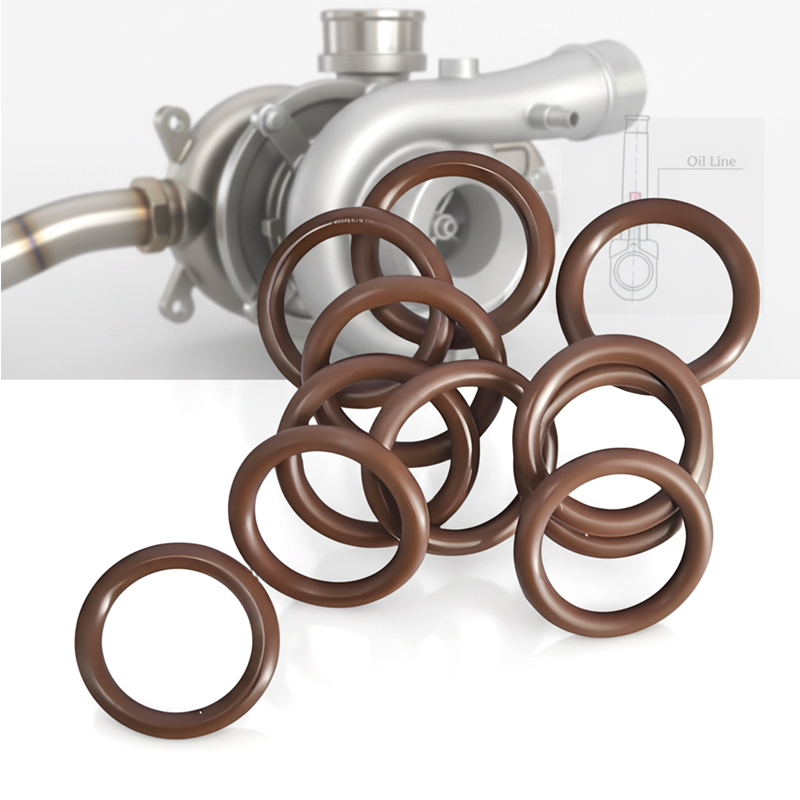
industrial o rings
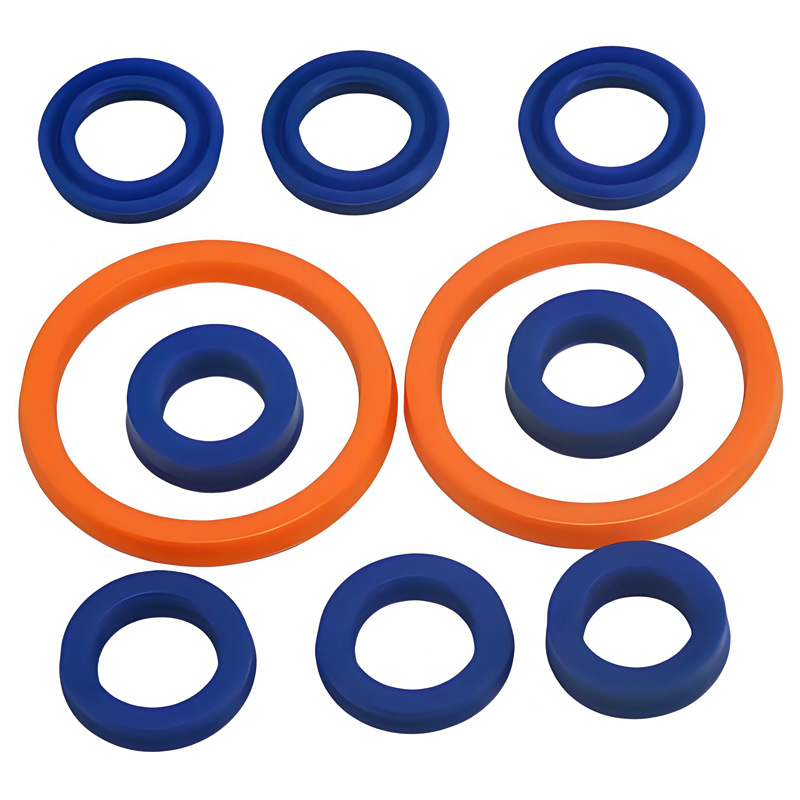
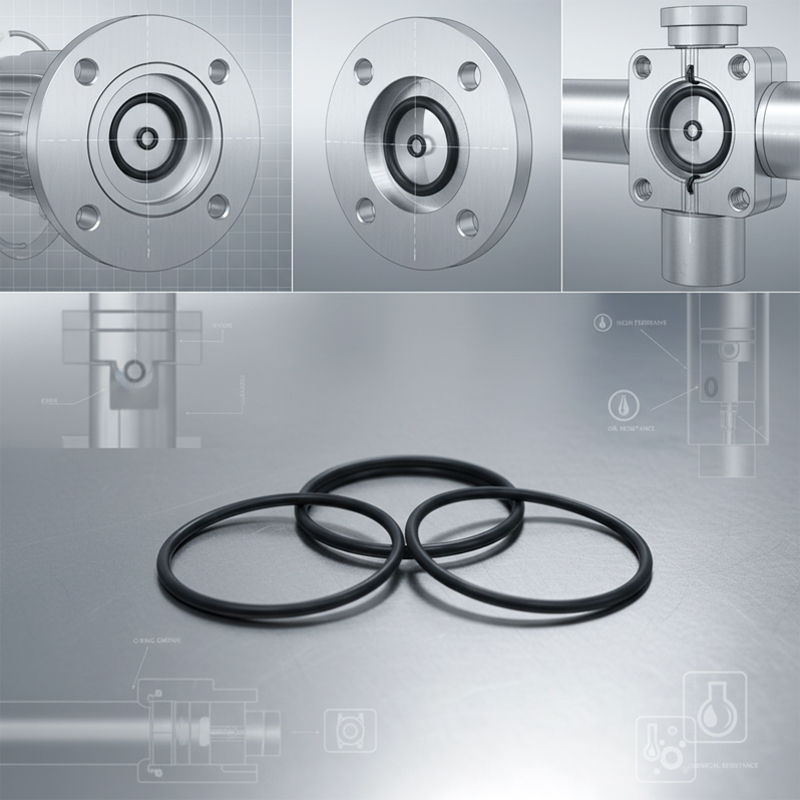
Industrial o rings are essential sealing components designed to prevent fluid or gas leakage in machinery and equipment across numerous sectors. These circular elastomeric seals fit into grooves and create a barrier between moving or stationary parts, ensuring optimal performance and system integrity. Industrial o rings function by compressing between two surfaces, creating a reliable seal that maintains pressure while accommodating slight movements and vibrations inherent in mechanical systems.
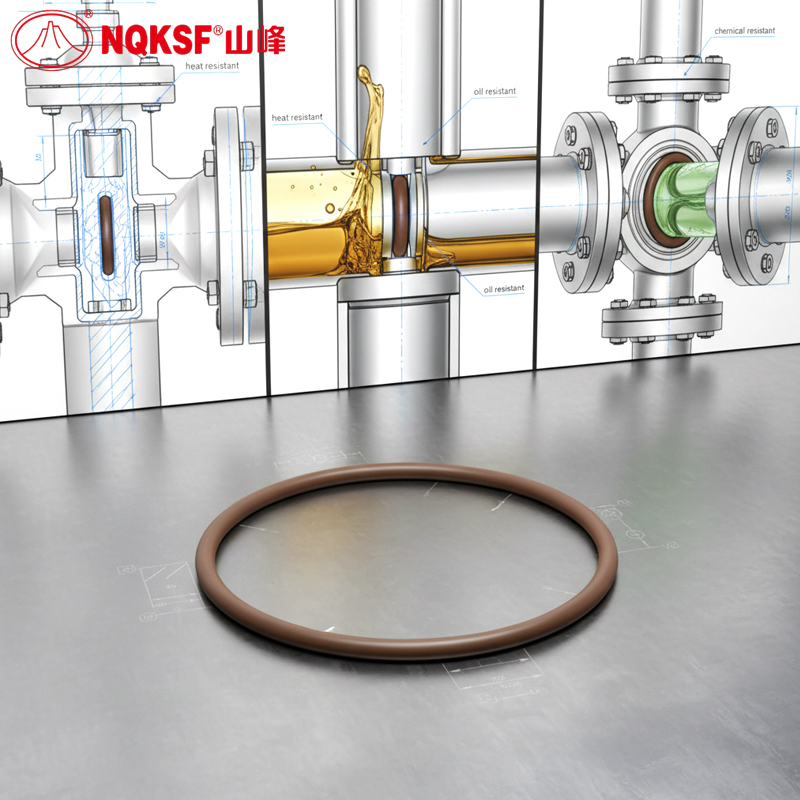
The technological features of industrial o rings include advanced material composition, precision engineering, and compatibility with diverse operating environments. Modern industrial o rings utilize elastomers such as nitrile, silicone, EPDM, and fluorocarbon, each offering specific resistance to temperature, pressure, and chemical exposure. These materials enable industrial o rings to perform effectively in extreme conditions, from cryogenic temperatures to high-heat environments exceeding 200 degrees Celsius.
Applications for industrial o rings span manufacturing, automotive, aerospace, hydraulic systems, pneumatic equipment, and pharmaceutical industries. Whether sealing hydraulic cylinders, compressors, pumps, or medical devices, industrial o rings provide consistent, dependable performance. The precision manufacturing standards ensure that industrial o rings meet strict ISO specifications, delivering uniform dimensions and material properties. Their versatility makes industrial o rings indispensable across multiple sectors where reliability, durability, and cost-effectiveness prove critical for operational success and equipment longevity.

 EN
EN