Complete Guide to O Ring Rubber Types: Materials, Applications & Performance Benefits

All Categories

o ring rubber types

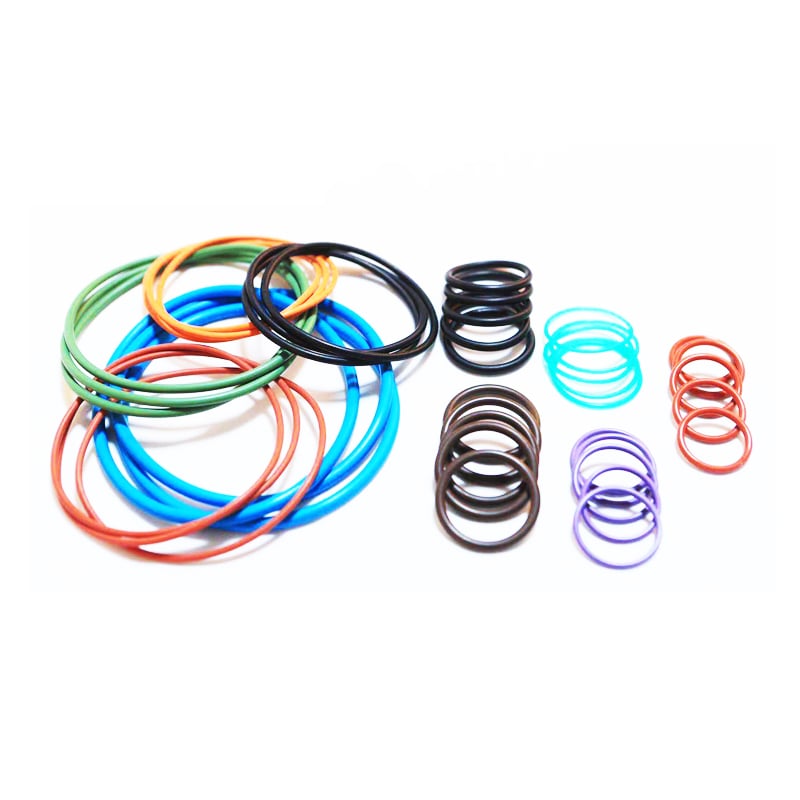
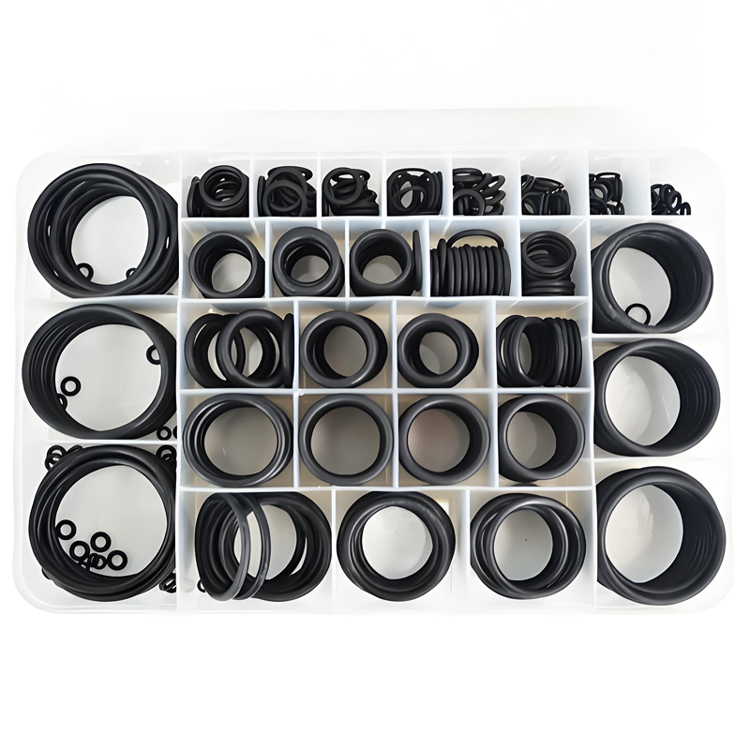
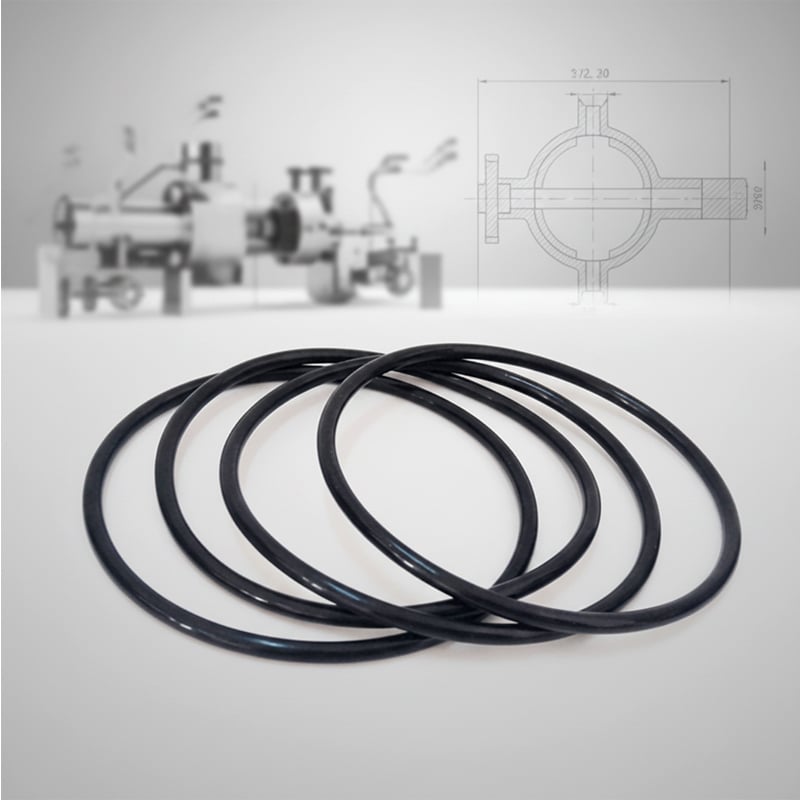
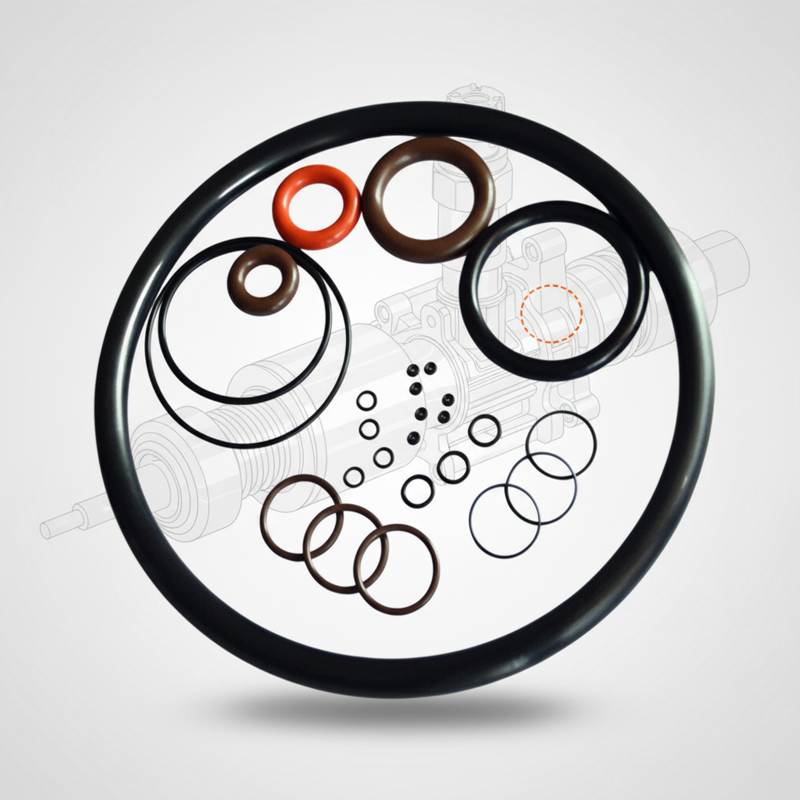
O ring rubber types represent essential sealing solutions that prevent fluid and gas leakage in countless mechanical applications. These circular elastomeric seals fit into specially designed grooves, creating effective barriers between moving or stationary components. The fundamental function of o ring rubber types involves maintaining pressure differentials while accommodating thermal expansion, mechanical stress, and chemical exposure. Modern manufacturing produces various o ring rubber types using distinct polymer compounds, each engineered for specific operating conditions and performance requirements. Nitrile rubber offers excellent resistance to petroleum-based fluids and operates effectively across moderate temperature ranges. Fluorocarbon elastomers provide superior chemical resistance and withstand extreme temperatures, making them ideal for aerospace and chemical processing applications. Silicone rubber maintains flexibility at low temperatures while offering good electrical insulation properties. EPDM rubber excels in outdoor applications due to its outstanding weather resistance and ozone stability. Chloroprene rubber delivers balanced performance across multiple parameters, including moderate chemical resistance and good mechanical properties. The technological features of o ring rubber types include precise dimensional tolerances, consistent durometer ratings, and predictable compression set characteristics. Manufacturing processes ensure uniform material distribution and eliminate internal defects that could compromise sealing performance. Quality control measures verify tensile strength, elongation properties, and aging resistance to guarantee long-term reliability. Applications for o ring rubber types span automotive engines, hydraulic systems, pneumatic equipment, medical devices, food processing machinery, and industrial valves. Each application demands specific material characteristics, whether chemical compatibility, temperature resistance, or regulatory compliance. The selection process involves evaluating operating pressures, temperature extremes, chemical exposure, and dynamic movement requirements to identify the optimal o ring rubber types for each unique application.

New Product Releases

O ring rubber types deliver significant cost savings through their simple installation process and minimal maintenance requirements. These sealing solutions eliminate the need for complex gasket systems or expensive metal seals, reducing both initial investment and ongoing operational costs. The straightforward design allows technicians to replace worn seals quickly without specialized tools or extensive training, minimizing downtime and labor expenses. Reliability stands as another major advantage of o ring rubber types, as their proven sealing mechanism operates consistently across millions of cycles in properly designed applications. The elastomeric material naturally conforms to minor surface imperfections, compensating for manufacturing tolerances and maintaining effective seals even as components experience normal wear. This self-compensating characteristic extends equipment life and reduces the frequency of maintenance interventions. Versatility makes o ring rubber types suitable for static, reciprocating, and rotary applications across diverse industries and operating conditions. Engineers can select from numerous material compounds to match specific chemical environments, temperature ranges, and pressure requirements. This flexibility allows designers to optimize sealing performance while standardizing on a single seal type across multiple applications. Environmental benefits emerge from the durability and longevity of quality o ring rubber types, which reduce waste generation and resource consumption compared to disposable sealing alternatives. Many rubber compounds can be recycled or disposed of safely, supporting corporate sustainability initiatives. Performance consistency ensures predictable sealing behavior across production batches, enabling engineers to design systems with confidence in long-term reliability. The compact design of o ring rubber types conserves space in tight assemblies while providing excellent sealing performance. Temperature stability allows these seals to function effectively across wide temperature ranges without degrading or losing elasticity. Chemical resistance protects against aggressive fluids that would quickly destroy other sealing materials. Pressure capability enables o ring rubber types to handle demanding applications from vacuum conditions to high-pressure hydraulic systems.

Latest News

Which Industries Benefit Most from Hydraulic Oil Seals?

27

Nov

Which Industries Benefit Most from Hydraulic Oil Seals?

In today's industrial landscape, hydraulic oil seals serve as critical components that ensure optimal performance and longevity of hydraulic systems across numerous sectors. These specialized sealing solutions prevent fluid leakage, maintain system p...
View More
What Should You Look For When Choosing a Durable O-Ring Kit?

06

Jan

What Should You Look For When Choosing a Durable O-Ring Kit?

Industrial applications demand reliable sealing solutions that can withstand extreme conditions, chemical exposure, and mechanical stress. An O-Ring Kit serves as a comprehensive solution for maintenance teams, engineers, and technicians who need imm...
View More
Oil Seal Brand Rankings?

06

Jan

Oil Seal Brand Rankings?

Understanding Oil Seal Quality and Market Evaluation In industrial transmission systems, fluid control assemblies, and rotating machinery, the oil seal plays a fundamental role in maintaining performance stability and operational safety. An oil seal ...
View More
Which Oil Seal Manufacturer Is the Best?

06

Jan

Which Oil Seal Manufacturer Is the Best?

Precision Sealing and the Role of a Reliable Oil Seal Manufacturer In modern industrial systems, stable sealing performance is a basic requirement rather than an added advantage. From rotating shafts in automotive powertrains to high-speed equipment ...
View More

Get a Free Quote

Our representative will contact you soon.
Email
Telephone
Name
Company Name
Message
0/1000

o ring rubber types

Exceptional Chemical Resistance for Demanding Environments

Exceptional Chemical Resistance for Demanding Environments

O ring rubber types engineered with advanced fluorocarbon and specialized polymer compounds offer unmatched chemical resistance that protects critical systems from aggressive fluids and harsh operating conditions. These specially formulated materials withstand exposure to acids, bases, solvents, fuels, and oxidizing agents that would rapidly degrade conventional sealing materials. The molecular structure of these advanced o ring rubber types creates barriers that prevent chemical penetration and swelling, maintaining dimensional stability and sealing effectiveness even during prolonged exposure to challenging environments. Chemical processing facilities rely on these resistant o ring rubber types to prevent costly leaks that could result in environmental contamination, equipment damage, or safety hazards. The pharmaceutical industry utilizes specialized o ring rubber types that meet strict regulatory requirements while resisting sterilization chemicals and cleaning agents used in production processes. Aerospace applications demand o ring rubber types capable of withstanding jet fuels, hydraulic fluids, and extreme atmospheric conditions while maintaining perfect sealing integrity. The automotive sector benefits from o ring rubber types that resist gasoline, diesel fuel, brake fluid, and transmission oil without losing elasticity or developing stress cracks. Laboratory equipment requires o ring rubber types that maintain their sealing properties when exposed to research chemicals, analytical reagents, and cleaning solvents. Food processing operations depend on FDA-approved o ring rubber types that resist sanitizing chemicals while maintaining compliance with food safety regulations. The oil and gas industry relies on specialized o ring rubber types that handle crude oil, natural gas, drilling mud, and corrosive well fluids under extreme downhole conditions. Marine applications utilize o ring rubber types that withstand saltwater exposure, marine fuels, and hydraulic fluids while maintaining flexibility in challenging offshore environments. These chemically resistant o ring rubber types provide long-term value by extending service intervals, reducing maintenance costs, and preventing expensive equipment failures caused by seal degradation.
Superior Temperature Performance Across Extreme Ranges

Superior Temperature Performance Across Extreme Ranges

O ring rubber types demonstrate remarkable temperature stability that enables reliable operation from cryogenic conditions below negative 65 degrees Celsius to elevated temperatures exceeding 200 degrees Celsius, depending on the specific elastomeric compound selected. This exceptional temperature range capability makes these seals indispensable for applications that experience thermal cycling, extreme operating conditions, or wide ambient temperature variations. High-temperature o ring rubber types utilize specialized fluorocarbon and silicone formulations that maintain elasticity and sealing force even when exposed to continuous heat that would cause ordinary rubber materials to harden, crack, or lose their sealing properties completely. Automotive engines rely on these temperature-resistant o ring rubber types for sealing coolant systems, oil circuits, and emission control components that operate under extreme thermal stress. Aerospace applications demand o ring rubber types that function reliably from the frigid temperatures of high-altitude flight to the intense heat generated by jet engines and re-entry conditions. Industrial furnaces and heat exchangers utilize specialized high-temperature o ring rubber types that maintain sealing integrity while exposed to radiant heat and thermal shock conditions. Refrigeration systems require low-temperature o ring rubber types that remain flexible and maintain sealing force even when exposed to cryogenic refrigerants and rapid temperature changes. The petrochemical industry depends on temperature-stable o ring rubber types for sealing process equipment that handles heated crude oil, steam injection systems, and high-temperature catalytic processes. Power generation facilities utilize o ring rubber types that withstand the thermal cycling experienced in steam turbines, cooling systems, and fuel handling equipment. Food processing applications require o ring rubber types that maintain FDA compliance while withstanding sterilization temperatures, hot cleaning cycles, and rapid cooling processes. These temperature-resistant o ring rubber types provide consistent sealing performance regardless of thermal conditions, extending equipment life and reducing maintenance requirements in demanding thermal environments.
Precise Engineering and Manufacturing Excellence

Precise Engineering and Manufacturing Excellence

O ring rubber types achieve superior sealing performance through precise engineering and advanced manufacturing processes that ensure consistent quality, exact dimensional tolerances, and optimal material properties for each specific application. Modern production techniques utilize computer-controlled mixing systems that blend base polymers with curing agents, fillers, and additives in exact proportions to create rubber compounds with predictable characteristics and performance parameters. Quality control measures monitor every step of the manufacturing process, from raw material inspection through final product testing, ensuring that each batch of o ring rubber types meets stringent specifications for tensile strength, elongation, hardness, and compression set resistance. Precision molding equipment produces o ring rubber types with dimensional accuracies measured in thousandths of an inch, enabling proper fit in sealing grooves and consistent contact pressure against mating surfaces. Advanced curing processes optimize the cross-linking of polymer chains to achieve the ideal balance of flexibility, durability, and chemical resistance for each specific application requirement. Automated inspection systems verify the dimensional accuracy, surface finish, and material properties of finished o ring rubber types before packaging and shipment to customers. Traceability systems track each production batch from raw materials through final testing, enabling rapid identification and resolution of any quality issues that might arise. Research and development programs continuously improve o ring rubber types through innovative material formulations, enhanced manufacturing processes, and expanded testing protocols that validate performance under increasingly demanding conditions. Custom manufacturing capabilities enable the production of specialized o ring rubber types with unique material properties, non-standard sizes, or specific performance characteristics tailored to individual customer requirements. Statistical process control methods monitor production consistency and identify opportunities for continuous improvement in manufacturing efficiency and product quality. These rigorous engineering and manufacturing standards ensure that o ring rubber types deliver reliable sealing performance, extended service life, and consistent quality that meets the demanding requirements of modern industrial applications across diverse industries and operating conditions.

Get a Free Quote

Our representative will contact you soon.
Email
Telephone
Name
Company Name
Message
0/1000