Oil Seal Price Guide: Cost-Effective Sealing Solutions for Industrial Applications

All Categories

oil seal price

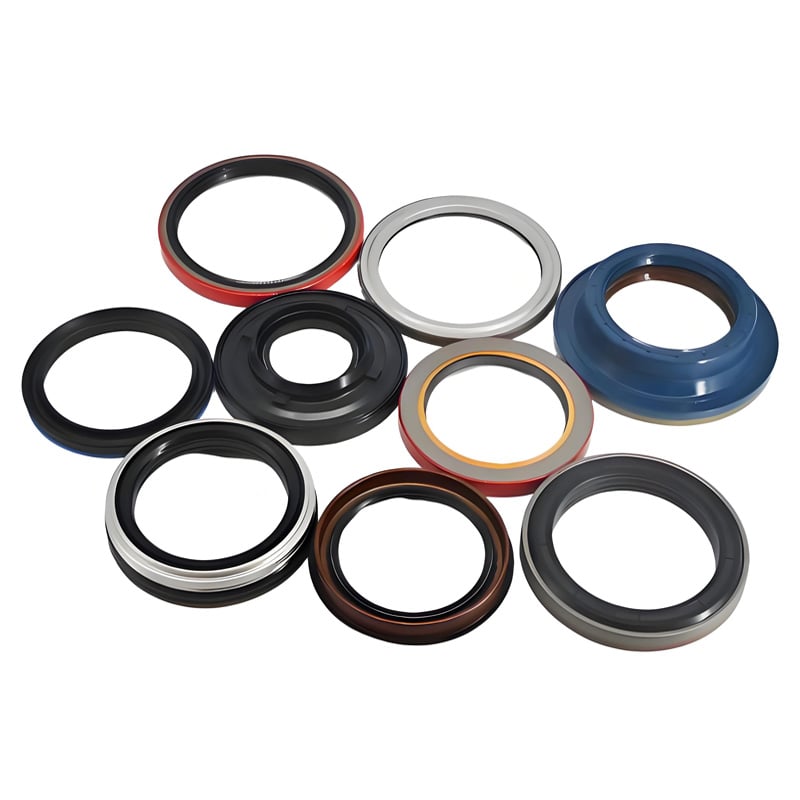
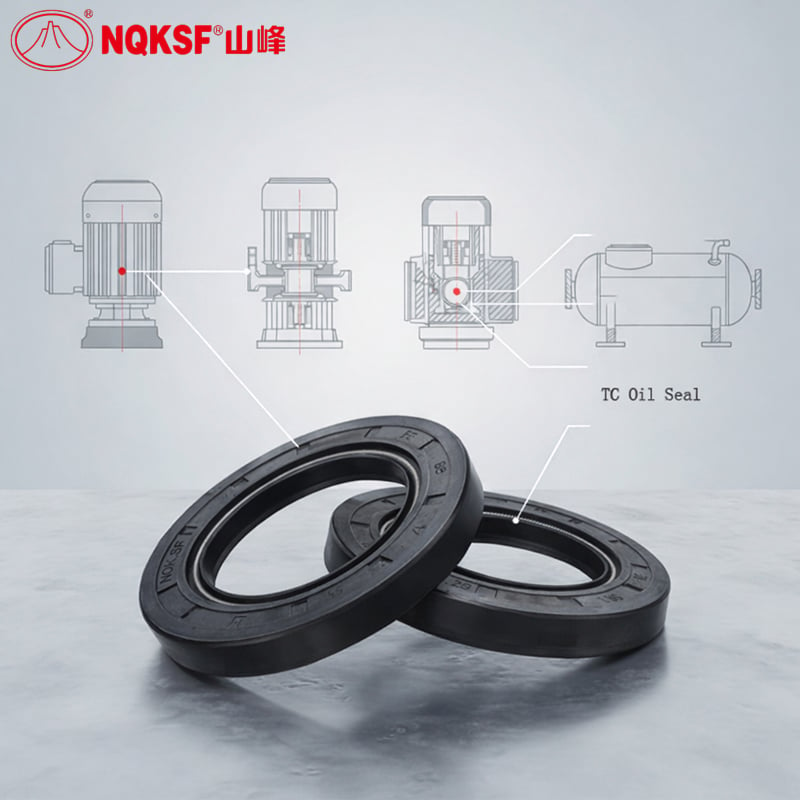
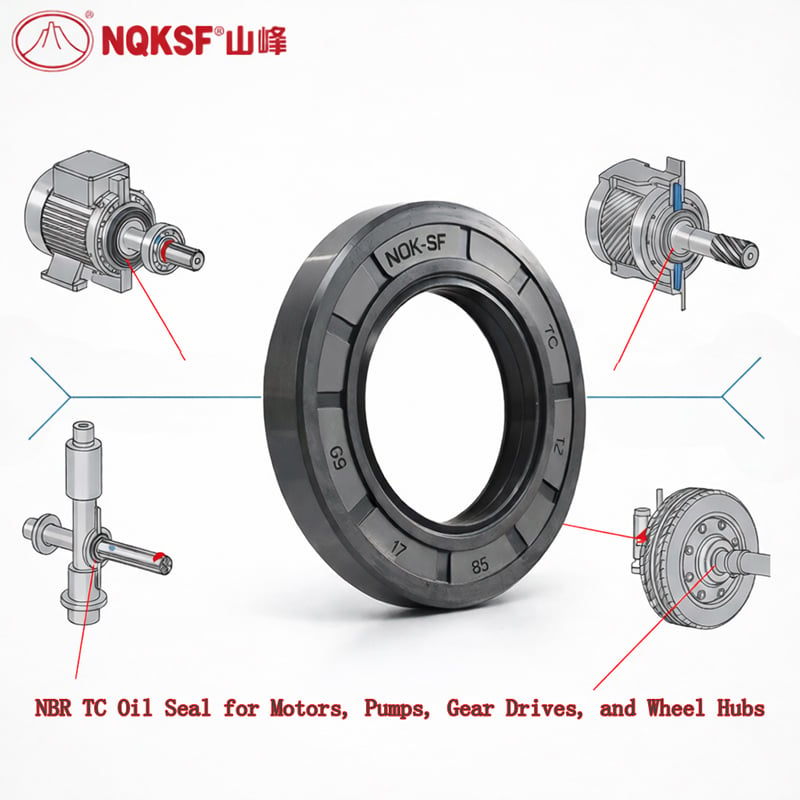
Oil seal price represents a critical factor in industrial procurement decisions, directly influencing operational efficiency and maintenance budgets across various sectors. An oil seal serves as a mechanical gasket designed to prevent fluid leakage while keeping contaminants out of machinery systems. The oil seal price varies significantly based on material composition, size specifications, and manufacturing precision requirements. Understanding oil seal price dynamics helps businesses make informed purchasing decisions that balance cost-effectiveness with performance reliability. Modern oil seals incorporate advanced rubber compounds, including nitrile, fluorocarbon, and silicone materials, each affecting the overall oil seal price structure. The primary function of these components involves creating a barrier between moving and stationary parts in rotating machinery, preventing lubricant loss and contamination ingress. Technological features influencing oil seal price include lip design optimization, spring-loaded mechanisms, and specialized coating applications that enhance sealing performance under extreme conditions. These seals operate effectively across temperature ranges from -40°C to +200°C, depending on material selection, which directly correlates with oil seal price positioning. Industrial applications span automotive engines, hydraulic systems, gearboxes, pumps, and compressors, where oil seal price considerations must balance initial investment against long-term operational costs. Manufacturing precision affects oil seal price through tight tolerance requirements, surface finish specifications, and quality control standards that ensure consistent sealing performance. The oil seal price market reflects technological advancements in polymer chemistry, manufacturing processes, and design engineering that deliver superior sealing solutions. Installation simplicity and maintenance requirements also influence oil seal price evaluation, as easy-to-install designs reduce labor costs and minimize downtime expenses. Quality certifications and industry standards compliance add value justification to oil seal price premiums, ensuring reliable performance in critical applications.

New Products

The oil seal price advantage becomes apparent when businesses evaluate total cost of ownership rather than focusing solely on initial purchase costs. Competitive oil seal price structures enable companies to access high-quality sealing solutions without compromising operational budgets or performance standards. Modern manufacturing techniques have optimized oil seal price points while maintaining superior material properties and dimensional accuracy that extend service life significantly. The oil seal price advantage includes reduced maintenance frequency, as premium seals operate longer between replacements, minimizing labor costs and production interruptions. Bulk purchasing opportunities further enhance oil seal price benefits, allowing businesses to secure volume discounts while maintaining adequate inventory levels for scheduled maintenance programs. Standardized sizing across industry applications creates oil seal price efficiencies through economies of scale and simplified procurement processes. The oil seal price transparency in today's market enables accurate budgeting and cost forecasting for maintenance operations and equipment upgrades. Advanced material formulations justify oil seal price premiums through enhanced chemical resistance, temperature stability, and mechanical durability that reduce failure rates. Direct supplier relationships eliminate intermediate markups, delivering favorable oil seal price conditions while ensuring authentic product sourcing and technical support availability. Comprehensive warranty programs protect oil seal price investments through replacement guarantees and performance assurances that minimize financial risk. Online procurement platforms have revolutionized oil seal price comparison shopping, enabling rapid vendor evaluation and competitive bidding processes. Technical documentation and application guides justify oil seal price investments by providing installation instructions and performance specifications that optimize sealing effectiveness. Predictive maintenance compatibility allows businesses to maximize oil seal price value through condition monitoring systems that schedule replacements based on actual wear patterns rather than arbitrary time intervals. Environmental compliance features integrated into modern designs ensure oil seal price investments meet regulatory requirements while supporting sustainability objectives. Custom engineering services optimize oil seal price value through application-specific designs that address unique operating conditions and performance requirements.

Practical Tips

Why Do Professionals Prefer Premium Hydraulic Shaft Seal?

27

Nov

Why Do Professionals Prefer Premium Hydraulic Shaft Seal?

Industrial professionals across manufacturing, construction, and heavy machinery sectors consistently choose premium hydraulic shaft seals for their critical applications. These specialized sealing components serve as the backbone of hydraulic system...
View More
What Should You Look for in a Quality Rotary Shaft Seal?

27

Nov

What Should You Look for in a Quality Rotary Shaft Seal?

Industrial machinery relies heavily on effective sealing solutions to prevent contamination, maintain lubrication, and ensure optimal performance. Among the most critical components in rotating equipment, the rotary shaft seal stands as a fundamental...
View More
What Should Buyers Inspect When Selecting a Double Lip Shaft Oil Seal?

06

Jan

What Should Buyers Inspect When Selecting a Double Lip Shaft Oil Seal?

When selecting a double lip shaft oil seal for industrial applications, buyers must evaluate numerous critical factors that directly impact equipment performance and longevity. These specialized rubber oil seal components serve as the primary barrier...
View More
How to Choose Skeleton Oil Seal Models for Industrial Machinery

22

Apr

How to Choose Skeleton Oil Seal Models for Industrial Machinery

Selecting the appropriate skeleton oil seal models for industrial machinery requires understanding the unique operational demands of your equipment and matching them to specific seal characteristics. The choice directly impacts equipment reliability,...
View More

Get a Free Quote

Our representative will contact you soon.
Email
Telephone
Name
Company Name
Message
0/1000

oil seal price

Cost-Effective Performance Optimization

Cost-Effective Performance Optimization

The oil seal price advantage extends beyond initial procurement costs to encompass comprehensive performance optimization that delivers measurable return on investment. Strategic oil seal price management involves evaluating material specifications against application requirements to achieve optimal cost-performance ratios. Premium materials command higher oil seal price points but deliver extended service life that reduces replacement frequency and associated labor costs. Advanced elastomer compounds used in modern seals justify oil seal price premiums through superior resistance to hydraulic fluids, lubricating oils, and extreme operating temperatures. The oil seal price structure reflects manufacturing precision levels that ensure consistent sealing performance across production batches. Quality control standards directly influence oil seal price positioning, as certified products undergo rigorous testing protocols that validate performance specifications. Businesses benefit from oil seal price transparency through detailed technical documentation that explains material properties, dimensional tolerances, and application suitability. Volume purchasing programs optimize oil seal price benefits while ensuring adequate inventory levels for scheduled maintenance operations. The oil seal price market has evolved to accommodate diverse budget requirements through tiered product offerings that balance cost constraints with performance needs. Engineering support services add value to oil seal price investments by providing application guidance and custom design solutions for specialized requirements. Competitive oil seal price benchmarking enables procurement teams to evaluate supplier offerings objectively while maintaining quality standards. Long-term supply agreements stabilize oil seal price fluctuations while securing preferential pricing for high-volume users. Technological innovations continue to enhance oil seal price value propositions through improved materials, design optimization, and manufacturing efficiency improvements that benefit end users directly.
Superior Material Technology and Durability

Superior Material Technology and Durability

Material technology advancement significantly impacts oil seal price positioning while delivering enhanced durability and performance characteristics that justify investment premiums. Modern oil seal price structures reflect sophisticated polymer chemistry that creates specialized compounds for specific operating environments. Fluorocarbon elastomers command premium oil seal price points due to exceptional chemical resistance and temperature stability that extends service life dramatically. The oil seal price differential between standard and high-performance materials becomes cost-effective when considering reduced replacement frequency and minimized downtime expenses. Advanced manufacturing processes optimize oil seal price value through precise vulcanization control, dimensional accuracy, and surface finish quality that ensures reliable sealing performance. Specialized additive packages incorporated into elastomer compounds justify oil seal price premiums through enhanced resistance to oxidation, ozone degradation, and mechanical wear. The oil seal price market recognizes material certification requirements that validate performance characteristics under standardized testing conditions. Quality assurance programs directly influence oil seal price positioning by ensuring consistent material properties and dimensional specifications across production runs. Accelerated aging tests support oil seal price justification by predicting service life under various operating conditions and environmental exposures. Material traceability systems enhance oil seal price transparency by documenting polymer specifications, manufacturing dates, and quality control data. Custom compound development services optimize oil seal price value for specialized applications requiring unique material properties or performance characteristics. Environmental resistance testing validates oil seal price premiums for applications involving aggressive chemicals, extreme temperatures, or challenging operating conditions. Failure analysis capabilities support oil seal price investments by identifying optimal material selections for specific applications and operating parameters. Continuous material development initiatives improve oil seal price value propositions through enhanced performance characteristics and extended service life capabilities.
Comprehensive Application Versatility and Support

Comprehensive Application Versatility and Support

Application versatility significantly enhances oil seal price value propositions by enabling single-source procurement across diverse industrial sectors and equipment types. The oil seal price advantage becomes evident when businesses consolidate sealing requirements through standardized product lines that serve multiple applications effectively. Comprehensive size ranges optimize oil seal price benefits by accommodating various shaft diameters and housing configurations within unified product families. Engineering support services justify oil seal price investments through technical consultation, application analysis, and custom design solutions that address specific operational challenges. The oil seal price market has developed extensive cross-reference databases that simplify product selection and ensure compatibility with existing equipment specifications. Installation guidance and technical documentation enhance oil seal price value by reducing implementation complexity and minimizing installation errors that could compromise sealing performance. Compatibility testing services support oil seal price decisions by validating performance under actual operating conditions before full-scale implementation. Rapid prototyping capabilities optimize oil seal price investments for custom applications requiring specialized dimensions or material properties. Global distribution networks ensure oil seal price competitiveness while maintaining consistent product availability and delivery schedules. Technical training programs add value to oil seal price investments by educating maintenance personnel on proper installation techniques and performance optimization strategies. Condition monitoring compatibility enhances oil seal price benefits by enabling predictive maintenance programs that maximize service life and minimize unexpected failures. Industry-specific certifications validate oil seal price premiums for regulated applications requiring documented compliance with safety and performance standards. Comprehensive warranty programs protect oil seal price investments through performance guarantees and replacement coverage that minimize financial risk. Application engineering services optimize oil seal price value through system-level analysis that identifies opportunities for performance improvement and cost reduction across sealing applications.

Get a Free Quote

Our representative will contact you soon.
Email
Telephone
Name
Company Name
Message
0/1000