High-Performance Rubber Oil Seals: Superior Sealing Solutions for Industrial and Automotive Applications

All Categories

rubber oil seal

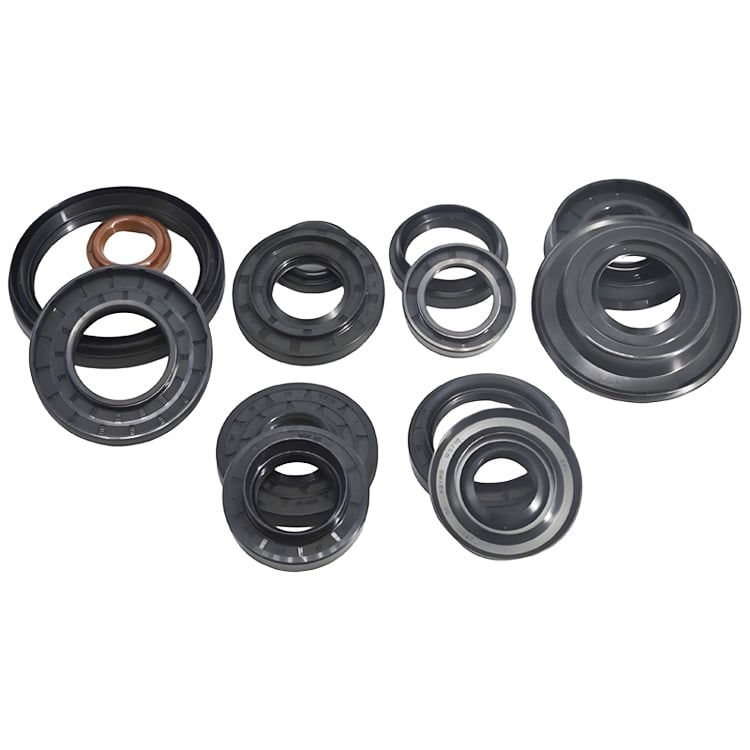
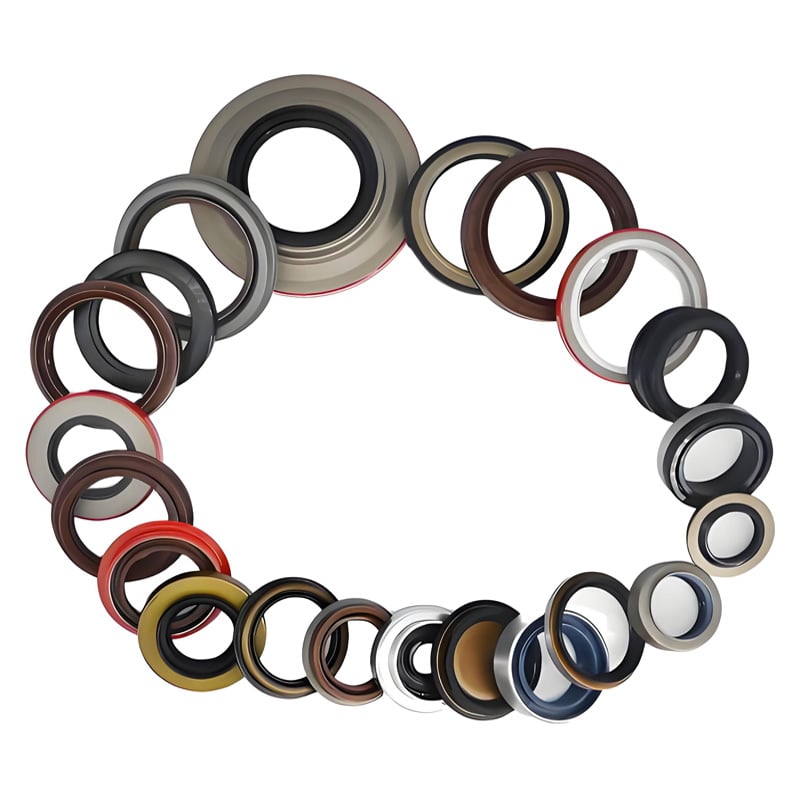
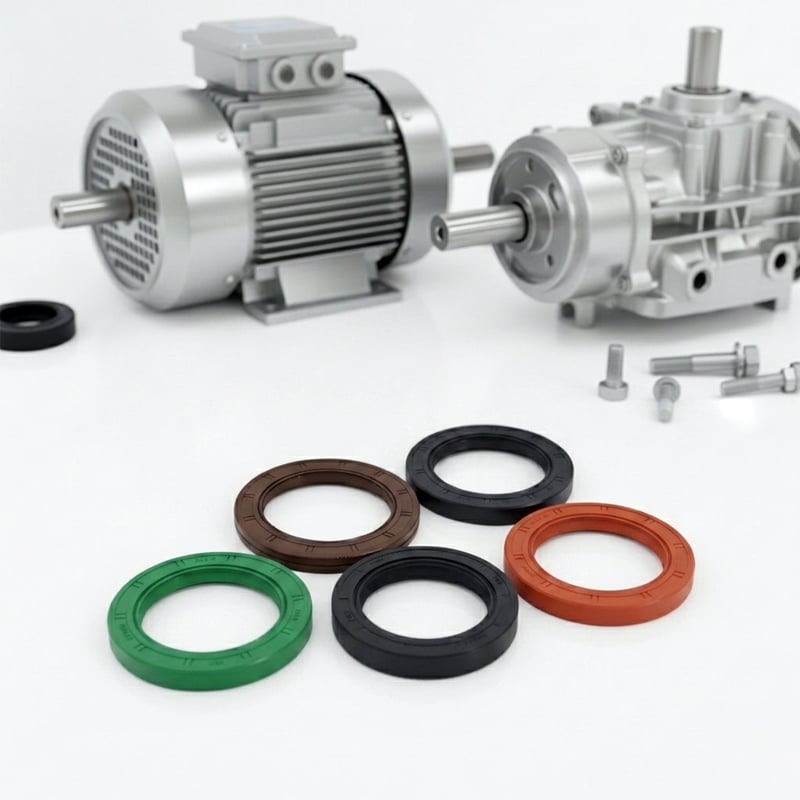
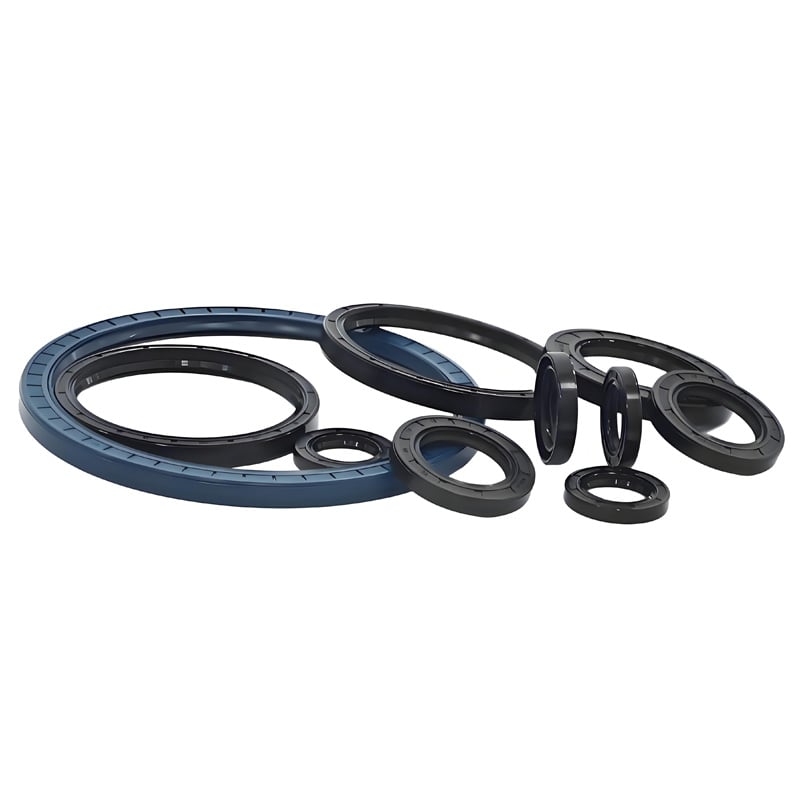
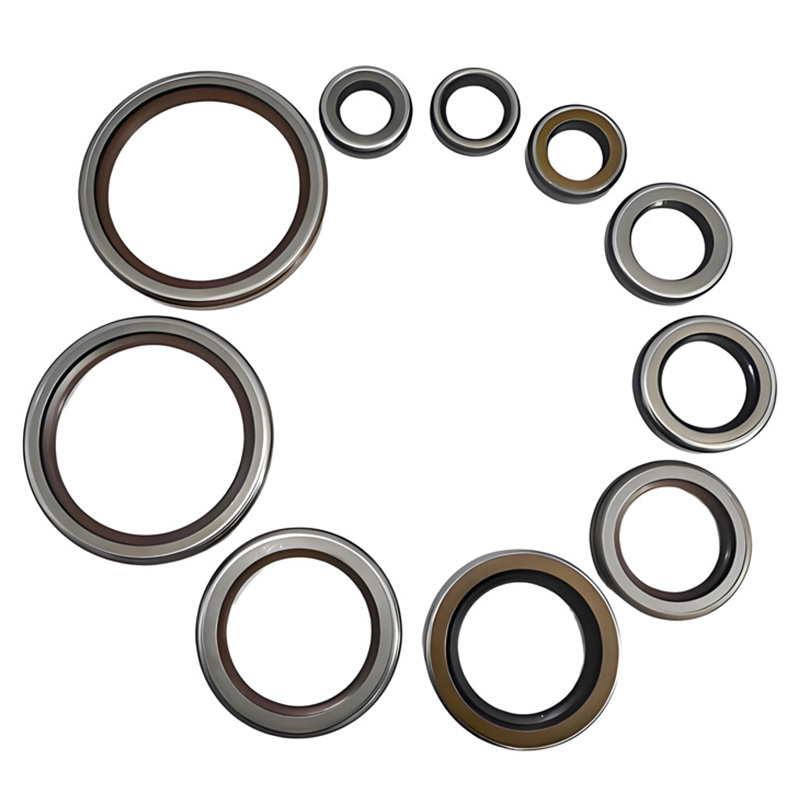
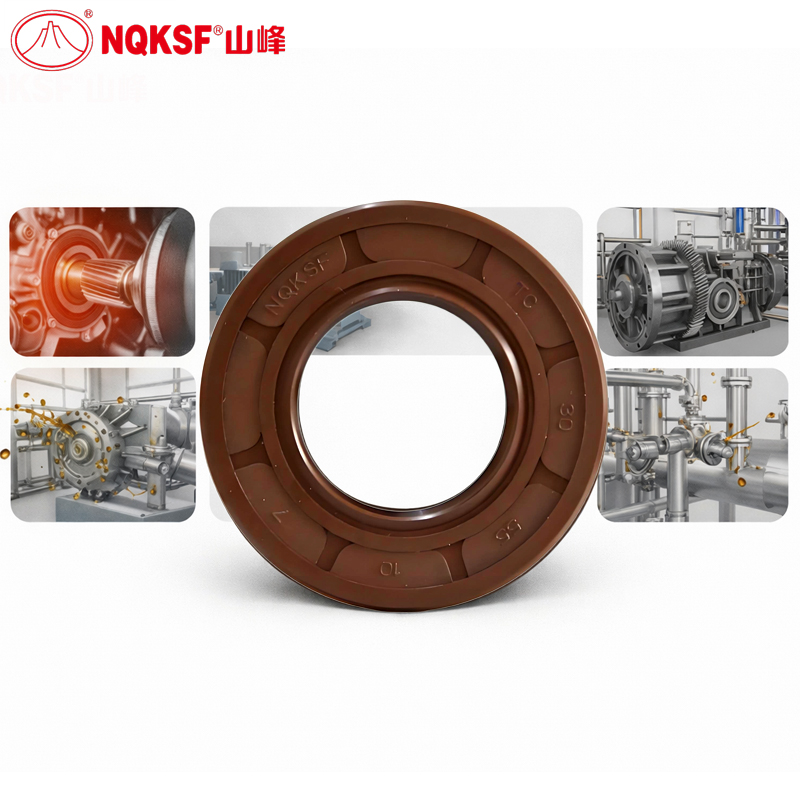
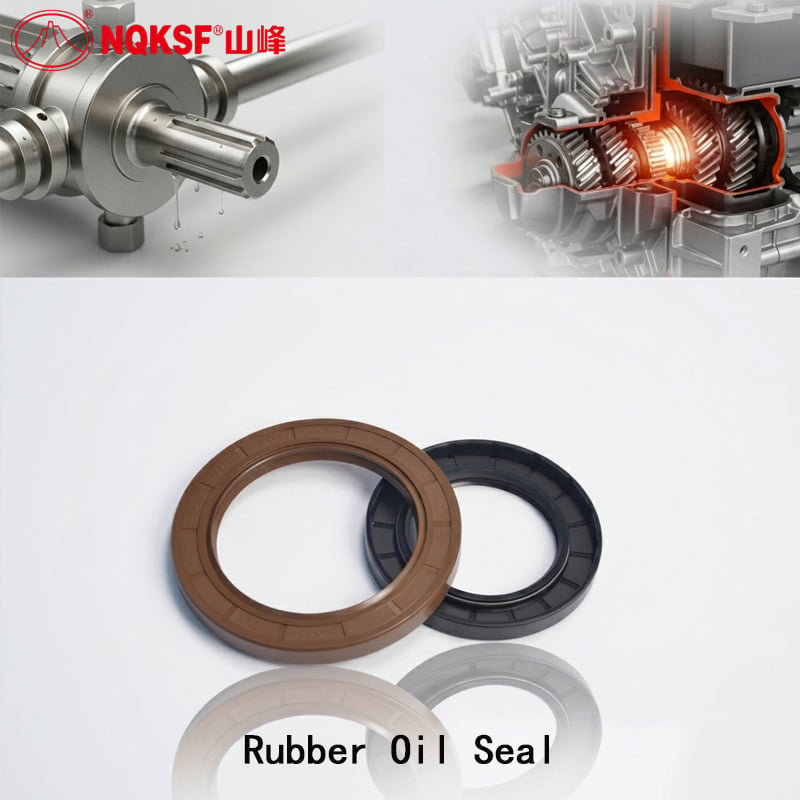
A rubber oil seal represents a critical mechanical component designed to prevent fluid leakage and contamination in rotating machinery and equipment. This essential sealing solution creates a barrier between moving parts, ensuring optimal performance and longevity of mechanical systems. The rubber oil seal consists of a flexible elastomeric lip that maintains contact with rotating shafts while preventing lubricants from escaping and external contaminants from entering the system. Modern rubber oil seals incorporate advanced materials and engineering techniques to deliver superior sealing performance across diverse operating conditions. The seal's primary structure includes a metal case that provides structural support, an elastomeric sealing element that creates the actual barrier, and often a garter spring that maintains consistent contact pressure. These components work together to create an effective sealing system that adapts to shaft movement and thermal expansion. Rubber oil seals find extensive applications across automotive, industrial, agricultural, and marine sectors where reliable fluid containment is paramount. In automotive applications, these seals protect transmissions, differentials, and engine components from contamination while retaining essential lubricants. Industrial machinery relies on rubber oil seals to maintain hydraulic system integrity, protect bearings, and ensure continuous operation of pumps and compressors. The manufacturing process involves precision molding and quality control measures to achieve consistent sealing performance. Advanced rubber compounds resist temperature extremes, chemical exposure, and mechanical wear, extending service life significantly. Installation simplicity makes rubber oil seals cost-effective maintenance solutions, requiring minimal downtime for replacement. Quality rubber oil seals demonstrate exceptional durability, maintaining sealing integrity through thousands of operating hours while withstanding harsh environmental conditions and demanding operational requirements.

New Products

Rubber oil seals deliver exceptional value through their proven ability to prevent costly fluid leaks and equipment damage. These sealing solutions significantly reduce maintenance expenses by protecting expensive machinery components from premature wear and contamination. The primary advantage lies in their superior sealing capability, which maintains system efficiency by preventing lubricant loss that could lead to catastrophic equipment failure. Users benefit from extended equipment lifespan as rubber oil seals create protective barriers that keep harmful particles and moisture away from sensitive internal components. Cost savings accumulate quickly because proper sealing prevents expensive repairs and reduces the frequency of lubricant replacement. The installation process remains straightforward, allowing maintenance teams to replace seals efficiently without specialized tools or extensive training. This simplicity translates to minimal downtime and reduced labor costs during routine maintenance operations. Rubber oil seals adapt to various shaft sizes and operating conditions, providing versatile solutions for diverse applications. Their flexible nature accommodates shaft runout and thermal expansion, maintaining consistent sealing performance throughout temperature fluctuations. Environmental benefits emerge through reduced lubricant consumption and contamination prevention, supporting sustainable operational practices. The durability of quality rubber oil seals ensures long-term reliability, often exceeding manufacturer warranty periods when properly installed and maintained. Performance consistency remains stable across wide temperature ranges, from extreme cold to high-heat applications. Chemical resistance properties enable rubber oil seals to function effectively with various lubricants and hydraulic fluids without degradation. This compatibility eliminates concerns about seal-fluid interactions that could compromise sealing integrity. Manufacturing precision ensures dimensional accuracy and consistent quality, providing predictable performance characteristics that engineers can rely on during system design. The economic impact extends beyond immediate cost savings, as reliable sealing prevents production delays and maintains operational efficiency in critical applications.

Tips And Tricks

Which Rubber Oil Seal Materials Fit Heavy-Duty Machinery?

06

Jan

Which Rubber Oil Seal Materials Fit Heavy-Duty Machinery?

Heavy-duty machinery operates under extreme conditions that demand reliable sealing solutions to prevent fluid leakage and contamination. The selection of appropriate rubber oil seal materials plays a critical role in maintaining equipment performanc...
View More
How to Choose Skeleton Oil Seal Models for Industrial Machinery

22

Apr

How to Choose Skeleton Oil Seal Models for Industrial Machinery

Selecting the appropriate skeleton oil seal models for industrial machinery requires understanding the unique operational demands of your equipment and matching them to specific seal characteristics. The choice directly impacts equipment reliability,...
View More
What Are the Key Lip Design Considerations for Skeleton Oil Seals?

22

Apr

What Are the Key Lip Design Considerations for Skeleton Oil Seals?

The effectiveness of any oil seal fundamentally depends on its lip design, which forms the critical interface between the sealing element and the shaft surface. For skeleton oil seals specifically, the lip configuration determines sealing performance...
View More
What Are O Rings? Where and Why Are They Used?

29

Apr

What Are O Rings? Where and Why Are They Used?

An o ring is a mechanical gasket designed in the shape of a torus that sits in a groove and is compressed during assembly between two or more parts, creating a reliable seal at the interface. These simple yet highly effective sealing devices consist ...
View More

Get a Free Quote

Our representative will contact you soon.
Email
Telephone
Name
Company Name
Message
0/1000

rubber oil seal

Superior Temperature and Chemical Resistance

Superior Temperature and Chemical Resistance

The exceptional temperature and chemical resistance of rubber oil seals makes them indispensable for challenging industrial applications where extreme conditions demand reliable performance. Advanced elastomeric compounds withstand temperature ranges from minus forty degrees Celsius to over two hundred degrees Celsius, maintaining flexibility and sealing integrity throughout thermal cycling. This temperature stability prevents seal hardening in cold conditions and degradation in high-heat environments, ensuring consistent performance across seasonal variations and demanding operational requirements. Chemical resistance properties enable rubber oil seals to function effectively with petroleum-based lubricants, synthetic fluids, hydraulic oils, and various industrial chemicals without experiencing swelling, cracking, or material breakdown. The molecular structure of modern rubber compounds resists oxidation and chemical attack, extending service life significantly beyond conventional sealing materials. This resistance proves particularly valuable in automotive applications where seals encounter engine oils, transmission fluids, and differential lubricants with varying additive packages and operating temperatures. Industrial applications benefit from the seal's ability to handle aggressive hydraulic fluids, cutting oils, and process chemicals without compromising sealing effectiveness. The stable material properties prevent dimensional changes that could create leak paths or cause premature seal failure. Quality rubber oil seals maintain their original hardness and flexibility throughout their service life, avoiding the brittleness that affects inferior sealing materials. This durability translates to predictable replacement intervals and reduced maintenance planning complexity. The combination of temperature and chemical resistance creates synergistic benefits, as seals operating in high-temperature environments often encounter chemically aggressive conditions simultaneously. Testing protocols verify performance under accelerated aging conditions, simulating years of service in laboratory settings to ensure real-world reliability. Users gain confidence knowing their rubber oil seal selection will perform consistently regardless of environmental challenges or operational demands.
Precision Engineering for Optimal Sealing Performance

Precision Engineering for Optimal Sealing Performance

Precision engineering distinguishes quality rubber oil seals through meticulous attention to dimensional accuracy, surface finish specifications, and material consistency that directly impacts sealing effectiveness. Manufacturing processes employ advanced molding techniques and quality control systems to achieve tight tolerances on critical dimensions including lip geometry, spring tension, and case concentricity. These precise specifications ensure proper installation fit and optimal contact between the sealing lip and rotating shaft surface. The sealing lip design incorporates sophisticated geometric features including controlled contact angles, surface texturing, and hydrodynamic elements that enhance sealing performance while minimizing friction and wear. Engineering analysis determines optimal lip geometry for specific applications, considering factors such as shaft speed, fluid viscosity, pressure differentials, and expected service life requirements. Surface finish specifications on both the seal and mating shaft surface create ideal sealing conditions, preventing premature wear while maintaining adequate lubrication. Precision manufacturing enables consistent spring loading across production batches, ensuring uniform contact pressure that adapts to shaft irregularities and thermal expansion without creating excessive friction. Quality control measures include dimensional inspection, material testing, and performance validation to verify each rubber oil seal meets stringent specifications before shipment. The engineering precision extends to case design, where metal components receive precise forming and coating treatments to prevent corrosion and ensure dimensional stability throughout the seal's service life. Advanced finite element analysis optimizes stress distribution within the seal structure, preventing failure modes such as lip cracking or spring relaxation that could compromise sealing integrity. This engineering approach results in predictable performance characteristics that allow system designers to specify appropriate seals with confidence. The precision manufacturing process eliminates variations that could affect installation procedures or sealing effectiveness, providing consistent results across large production quantities. Users benefit from this precision through reliable sealing performance, extended service intervals, and reduced maintenance complexity in their mechanical systems.
Versatile Applications Across Multiple Industries

Versatile Applications Across Multiple Industries

The remarkable versatility of rubber oil seals enables their successful application across diverse industries, from automotive and aerospace to manufacturing and marine environments, demonstrating their adaptability to varied operational requirements. Automotive applications showcase the seal's ability to protect critical drivetrain components including transmissions, differentials, wheel bearings, and engine systems where reliable fluid retention prevents costly repairs and maintains vehicle performance. These seals function effectively in automotive environments characterized by temperature extremes, vibration, contamination, and varying load conditions while maintaining sealing integrity throughout vehicle lifespan. Industrial machinery applications demonstrate the rubber oil seal's capability to protect hydraulic systems, gear reducers, pumps, and rotating equipment where fluid leakage could cause environmental concerns or operational disruptions. Manufacturing environments benefit from the seal's resistance to cutting fluids, coolants, and industrial lubricants while providing reliable containment in machine tool applications, conveyor systems, and production equipment. Agricultural machinery relies on rubber oil seals to protect equipment operating in harsh outdoor conditions where dust, moisture, and temperature fluctuations challenge sealing performance daily. The marine industry utilizes these seals in propulsion systems, deck equipment, and auxiliary machinery where saltwater exposure and corrosive environments demand superior material resistance and sealing reliability. Aerospace applications require rubber oil seals that meet stringent performance standards while maintaining lightweight characteristics and dimensional stability under extreme conditions. Mining and construction equipment depend on robust sealing solutions that withstand abrasive environments, shock loads, and continuous operation in demanding conditions. The food processing industry benefits from rubber oil seals manufactured with FDA-approved materials that provide safe, reliable sealing in equipment handling consumable products. Power generation facilities utilize these seals in turbines, generators, and auxiliary systems where reliability directly impacts operational efficiency and safety. This industrial versatility stems from the availability of specialized rubber compounds, custom designs, and application-specific features that address unique operational challenges across different sectors, making rubber oil seals essential components in modern mechanical systems.

Get a Free Quote

Our representative will contact you soon.
Email
Telephone
Name
Company Name
Message
0/1000