Professional Oil Seal Maker - Advanced Manufacturing Solutions for Precision Sealing Components

All Categories

oil seal maker

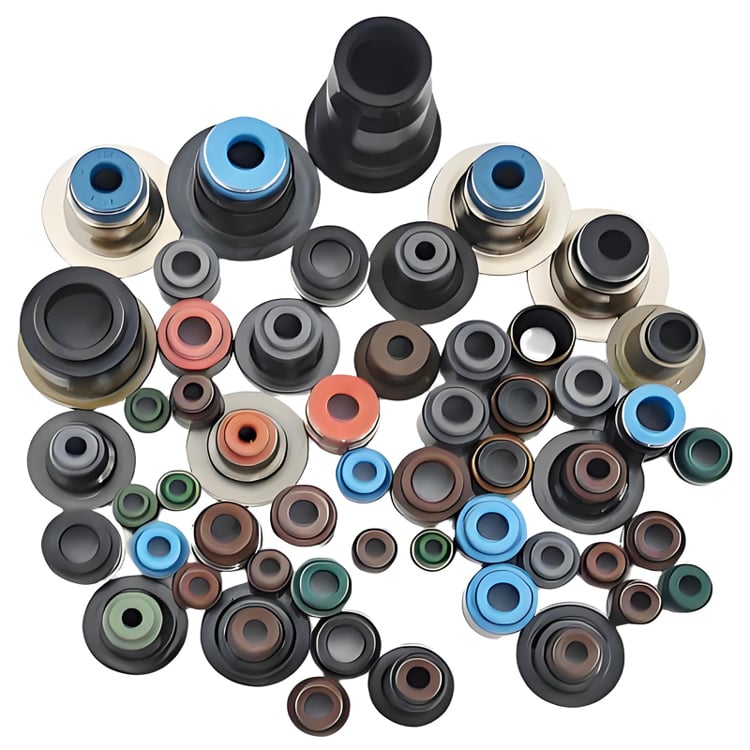
An oil seal maker represents a sophisticated manufacturing solution designed to produce high-quality sealing components essential for preventing fluid leakage in mechanical systems. This specialized equipment combines precision engineering with advanced automation to create rubber and elastomeric seals that maintain optimal performance across diverse industrial applications. The primary function of an oil seal maker centers on transforming raw materials into precise sealing products through controlled molding, curing, and finishing processes. These machines utilize state-of-the-art hydraulic systems, temperature control mechanisms, and automated handling systems to ensure consistent product quality and dimensional accuracy. The technological framework incorporates programmable logic controllers that monitor every aspect of production, from material preparation to final inspection. Modern oil seal makers feature multi-cavity molds that enable simultaneous production of multiple seals, significantly increasing output efficiency while maintaining strict quality standards. The equipment employs advanced heating systems that provide uniform temperature distribution throughout the molding process, ensuring proper vulcanization and optimal material properties. Sophisticated pressure control systems deliver precise force application during molding, resulting in seals with excellent surface finish and dimensional tolerance. The applications for oil seal maker products span numerous industries including automotive, aerospace, marine, construction equipment, and industrial machinery. Automotive manufacturers rely on these seals for engine components, transmission systems, and hydraulic assemblies where fluid containment is critical. Industrial equipment manufacturers utilize oil seal maker products in pumps, compressors, and gearboxes to prevent contamination and maintain operational efficiency. The aerospace industry depends on precision seals for aircraft engines, landing gear systems, and hydraulic controls where reliability is paramount. Marine applications require seals that withstand harsh saltwater environments while maintaining effective sealing performance. Construction equipment manufacturers integrate these seals into hydraulic systems, drive motors, and transmission assemblies where durability and longevity are essential requirements for optimal equipment performance.

New Product Recommendations

The oil seal maker delivers exceptional value through its comprehensive automation capabilities that streamline production workflows and reduce manual labor requirements. This automation translates into consistent product quality, faster production cycles, and lower operational costs for manufacturers seeking competitive advantages in their markets. The precision engineering incorporated into modern oil seal makers ensures dimensional accuracy within tight tolerances, eliminating the variability often associated with manual production methods. This consistency reduces waste, minimizes rework, and guarantees that every seal meets stringent quality specifications required by demanding industrial applications. Energy efficiency represents another significant advantage, as contemporary oil seal makers incorporate advanced heating systems and insulation technologies that reduce power consumption while maintaining optimal operating temperatures. This efficiency reduces operational costs and supports environmental sustainability initiatives increasingly important to modern manufacturing operations. The versatility of oil seal maker systems allows manufacturers to produce diverse seal configurations and sizes using a single machine platform. This flexibility eliminates the need for multiple specialized machines, reducing capital investment requirements and simplifying production planning processes. Quick changeover capabilities enable rapid switching between different product specifications, maximizing machine utilization and responding efficiently to changing market demands. Quality control integration within oil seal maker systems provides real-time monitoring and automatic rejection of defective products. This built-in quality assurance reduces inspection costs, minimizes customer complaints, and maintains brand reputation through consistent product excellence. The durability and reliability of modern oil seal makers ensure extended operational life with minimal maintenance requirements. Robust construction using premium materials withstands demanding production environments while maintaining precision performance over extended periods. This reliability reduces downtime, maintenance costs, and production interruptions that can significantly impact manufacturing schedules. User-friendly interfaces and intuitive controls simplify operator training and reduce the skill level requirements for machine operation. This accessibility enables manufacturers to deploy equipment efficiently across different production facilities while maintaining consistent operational standards. Advanced safety features protect operators and equipment, reducing workplace accidents and insurance costs while ensuring compliance with industrial safety regulations. The scalability of oil seal maker systems allows manufacturers to expand production capacity efficiently as market demands increase, providing a clear path for business growth without major infrastructure changes.

Tips And Tricks

Why Do Automotive Systems Rely Heavily on Shaft Oil Seals?

27

Nov

Why Do Automotive Systems Rely Heavily on Shaft Oil Seals?

Modern automotive systems operate under extreme conditions, requiring precise engineering solutions to maintain optimal performance and longevity. Among the most critical components ensuring system reliability are shaft oil seals, which serve as the ...
View More
Which Rubber Oil Seal Materials Fit Heavy-Duty Machinery?

06

Jan

Which Rubber Oil Seal Materials Fit Heavy-Duty Machinery?

Heavy-duty machinery operates under extreme conditions that demand reliable sealing solutions to prevent fluid leakage and contamination. The selection of appropriate rubber oil seal materials plays a critical role in maintaining equipment performanc...
View More
What Should Buyers Inspect When Selecting a Double Lip Shaft Oil Seal?

06

Jan

What Should Buyers Inspect When Selecting a Double Lip Shaft Oil Seal?

When selecting a double lip shaft oil seal for industrial applications, buyers must evaluate numerous critical factors that directly impact equipment performance and longevity. These specialized rubber oil seal components serve as the primary barrier...
View More
What Should You Look For When Choosing a Durable O-Ring Kit?

06

Jan

What Should You Look For When Choosing a Durable O-Ring Kit?

Industrial applications demand reliable sealing solutions that can withstand extreme conditions, chemical exposure, and mechanical stress. An O-Ring Kit serves as a comprehensive solution for maintenance teams, engineers, and technicians who need imm...
View More

Get a Free Quote

Our representative will contact you soon.
Email
Telephone
Name
Company Name
Message
0/1000

oil seal maker

Advanced Precision Control Technology

Advanced Precision Control Technology

The oil seal maker incorporates cutting-edge precision control technology that revolutionizes seal manufacturing through unprecedented accuracy and repeatability. This sophisticated system utilizes high-resolution servo motors and precision ball screws that position molds and components with micron-level accuracy, ensuring every seal meets exact specifications regardless of production volume. The advanced control algorithms continuously monitor and adjust critical parameters including temperature, pressure, timing, and material flow to maintain optimal conditions throughout the manufacturing process. This real-time optimization prevents variations that could compromise seal quality and ensures consistent performance across every production run. The precision control technology integrates multiple sensors and feedback systems that provide instantaneous data on mold position, cavity pressure, material temperature, and cure progression. This comprehensive monitoring enables immediate corrective actions when parameters drift from optimal ranges, preventing defective products and minimizing material waste. The system's ability to store and recall precise recipes for different seal specifications eliminates setup variations and reduces changeover times between product runs. Manufacturers benefit from reduced scrap rates, improved first-pass yield, and enhanced customer satisfaction through consistent product quality. The precision control technology also enables the oil seal maker to work with challenging materials that require exact processing conditions, expanding the range of applications and market opportunities. This capability allows manufacturers to develop specialized seals for demanding industries such as aerospace and medical devices where precision is critical. The automated calibration features ensure long-term accuracy by compensating for normal wear and environmental factors that might affect machine performance. Regular self-diagnostic routines identify potential issues before they impact production, enabling proactive maintenance that prevents costly downtime. The user interface provides comprehensive process visualization and trending capabilities that help operators optimize performance and troubleshoot issues efficiently. This advanced precision control technology represents a significant competitive advantage for manufacturers seeking to differentiate their products through superior quality and reliability while maintaining cost-effective production operations.
Energy-Efficient Heating System Innovation

Energy-Efficient Heating System Innovation

The revolutionary energy-efficient heating system in modern oil seal makers represents a breakthrough in sustainable manufacturing technology that delivers substantial cost savings while maintaining optimal production performance. This innovative system employs advanced induction heating technology combined with intelligent thermal management algorithms that reduce energy consumption by up to forty percent compared to traditional heating methods. The precision-controlled heating elements provide rapid temperature response and uniform heat distribution throughout the mold cavity, ensuring optimal vulcanization conditions while minimizing energy waste. The system's smart thermal management continuously monitors temperature profiles and adjusts heating patterns to maintain consistent conditions with minimal power consumption. This efficiency is achieved through advanced insulation materials and thermal barrier coatings that retain heat within the mold assembly, reducing the energy required to maintain operating temperatures. The heating system's modular design allows independent temperature control for different mold sections, enabling optimized processing conditions for complex seal geometries while preventing unnecessary heating of inactive areas. This zoned heating approach further reduces energy consumption and improves process control precision. The oil seal maker's heating system incorporates regenerative cooling technology that captures and reuses waste heat, contributing to overall energy efficiency and reduced environmental impact. This sustainable approach aligns with corporate environmental goals while delivering tangible operational cost reductions. The rapid heating and cooling cycles enabled by this efficient system reduce overall production time, increasing throughput and equipment utilization rates. Faster cycle times translate directly into higher productivity and improved return on investment for manufacturing operations. The system's predictive maintenance capabilities monitor heating element performance and provide early warning of potential failures, preventing unexpected downtime and maintaining consistent production schedules. Advanced diagnostics identify optimization opportunities and suggest operational adjustments that further improve energy efficiency. The precise temperature control achievable with this heating system enables processing of advanced elastomeric materials that require exact thermal profiles for optimal properties. This capability expands the range of seal applications and enables manufacturers to address demanding market requirements. The reduced thermal stress on machine components extends equipment life and reduces maintenance requirements, contributing to lower total cost of ownership and improved profitability for oil seal maker operations.
Comprehensive Quality Assurance Integration

Comprehensive Quality Assurance Integration

The integrated comprehensive quality assurance system within modern oil seal makers establishes a new standard for manufacturing excellence through automated inspection, real-time monitoring, and intelligent defect prevention capabilities. This sophisticated quality management framework incorporates multiple inspection technologies including vision systems, dimensional measurement devices, and material property analyzers that evaluate every seal throughout the production process. The automated quality control begins with raw material verification, ensuring incoming elastomers meet specified characteristics before entering the production cycle. Advanced spectroscopic analysis confirms material composition and properties, preventing quality issues that could arise from substandard raw materials. During the molding process, integrated sensors continuously monitor critical parameters such as mold fill patterns, cure progression, and dimensional formation to detect deviations before they result in defective products. The oil seal maker's quality system employs machine learning algorithms that analyze production data patterns to predict potential quality issues before they occur. This predictive capability enables proactive adjustments that maintain optimal conditions and prevent defect generation. The comprehensive database tracking system maintains detailed records of every seal produced, including material batch information, process parameters, and inspection results. This traceability supports quality investigations and enables rapid response to customer inquiries or field performance issues. Statistical process control algorithms continuously analyze quality trends and provide early warning of process drift that could impact product conformance. Automated sorting and rejection systems remove non-conforming products without manual intervention, ensuring only acceptable seals reach customers. The quality assurance integration includes automated packaging and labeling systems that prevent mixing of different product specifications and maintain proper identification throughout distribution. Real-time quality dashboards provide production managers with immediate visibility into quality metrics, enabling rapid response to emerging issues and continuous improvement initiatives. The system's calibration management ensures all measurement devices maintain accuracy through automated verification schedules and standardized procedures. Advanced correlation analysis identifies relationships between process variables and quality outcomes, enabling optimization strategies that improve yield and reduce variation. The comprehensive quality documentation generated by the system supports regulatory compliance requirements and customer quality audits. This integrated approach to quality assurance significantly reduces inspection costs while improving product reliability and customer satisfaction, establishing a competitive advantage for oil seal maker operators in demanding markets where quality excellence is essential for success.

Get a Free Quote

Our representative will contact you soon.
Email
Telephone
Name
Company Name
Message
0/1000