elektr Steerink Yuqori Kalitligi
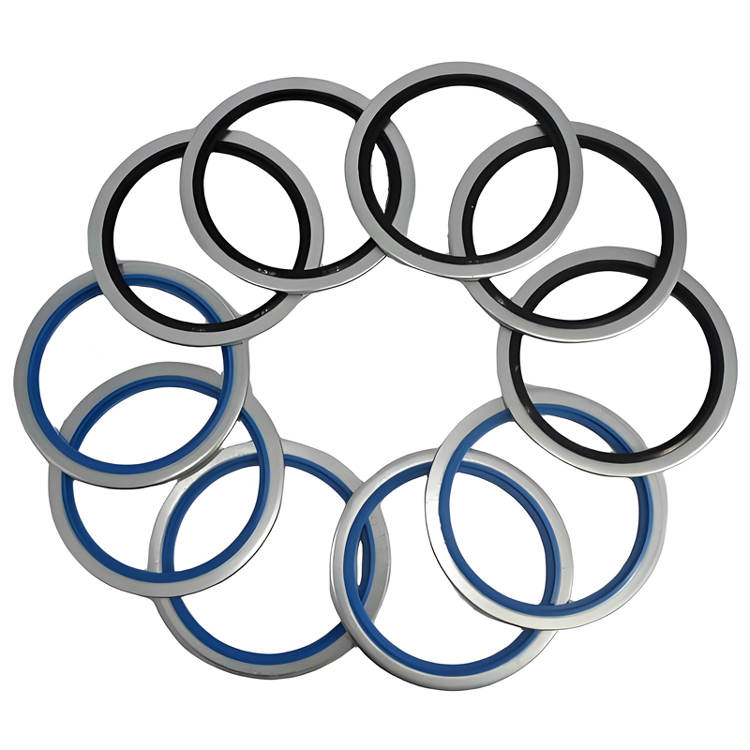
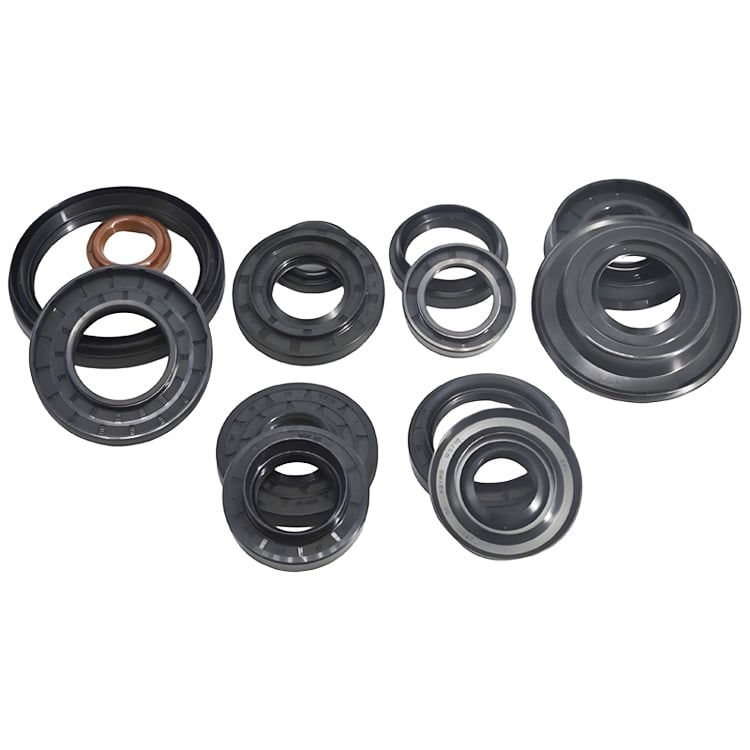
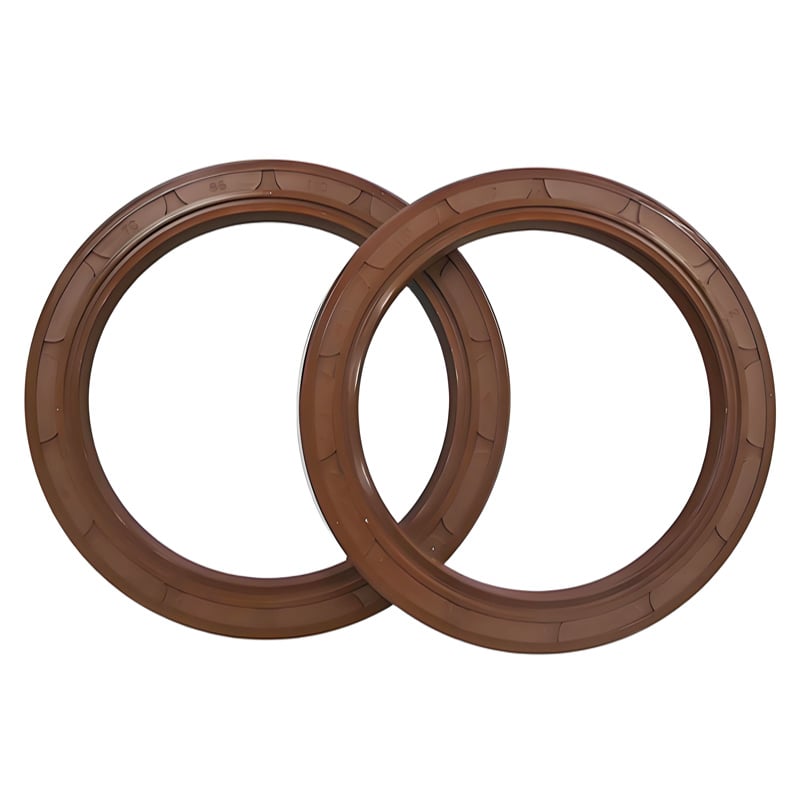
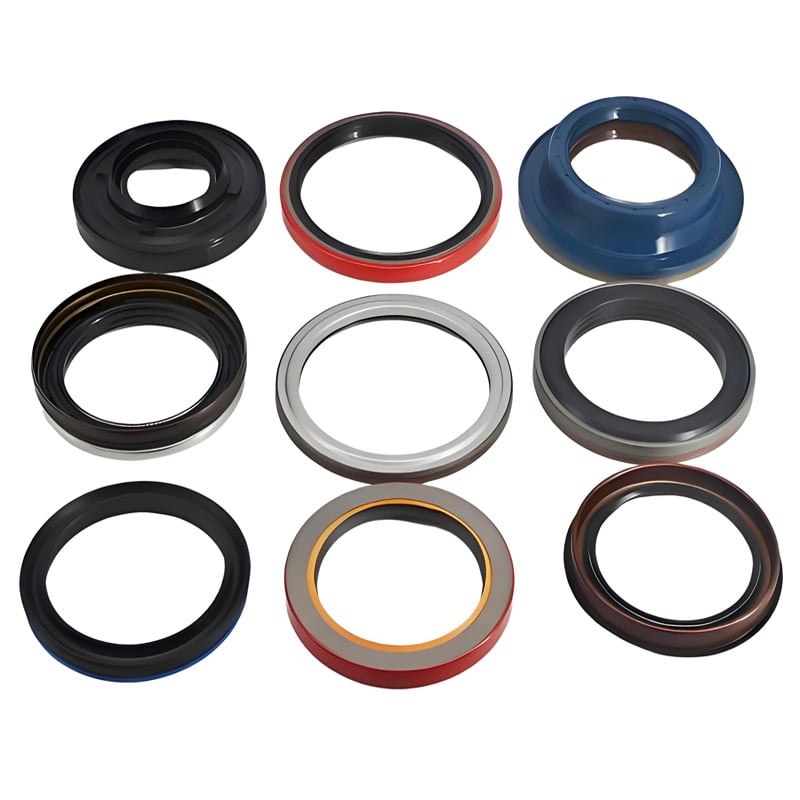
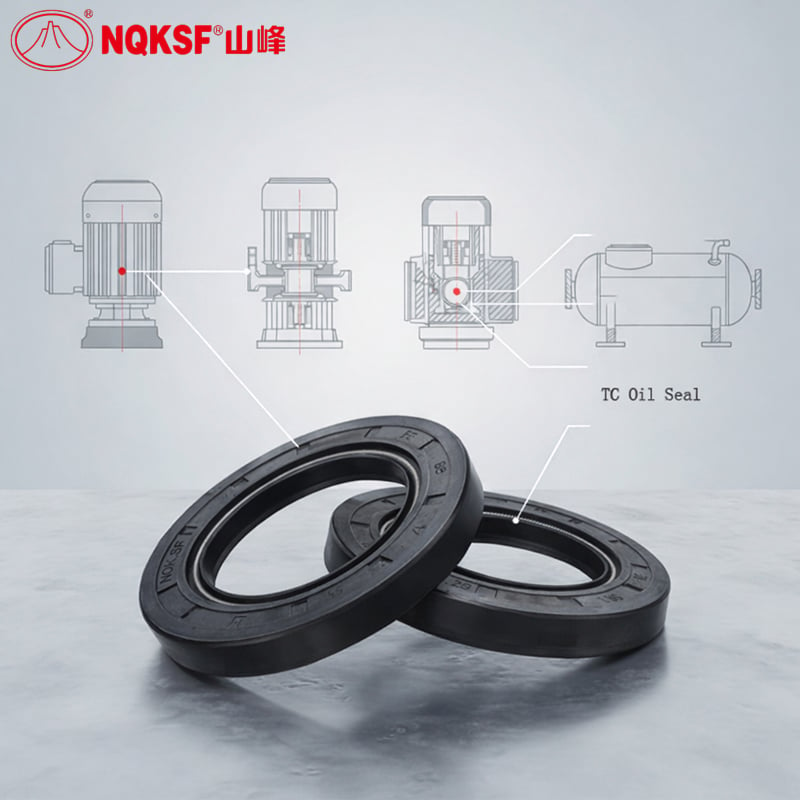
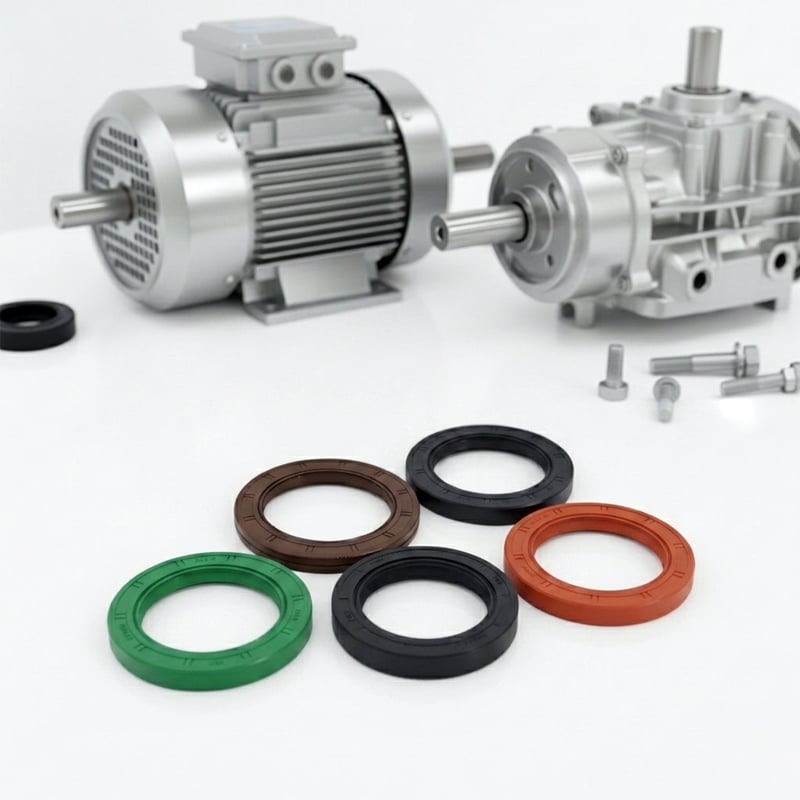
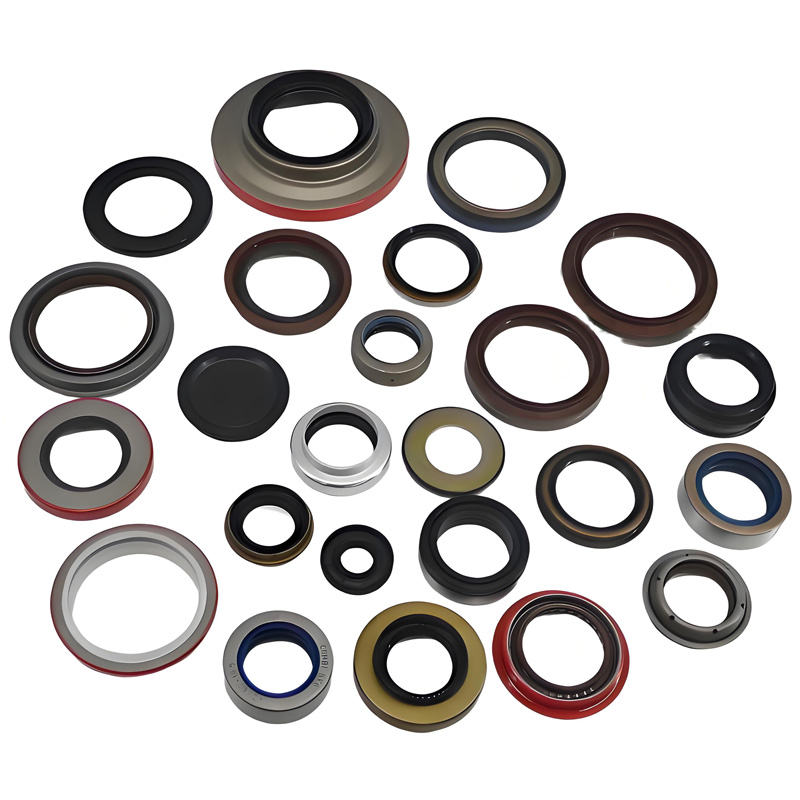
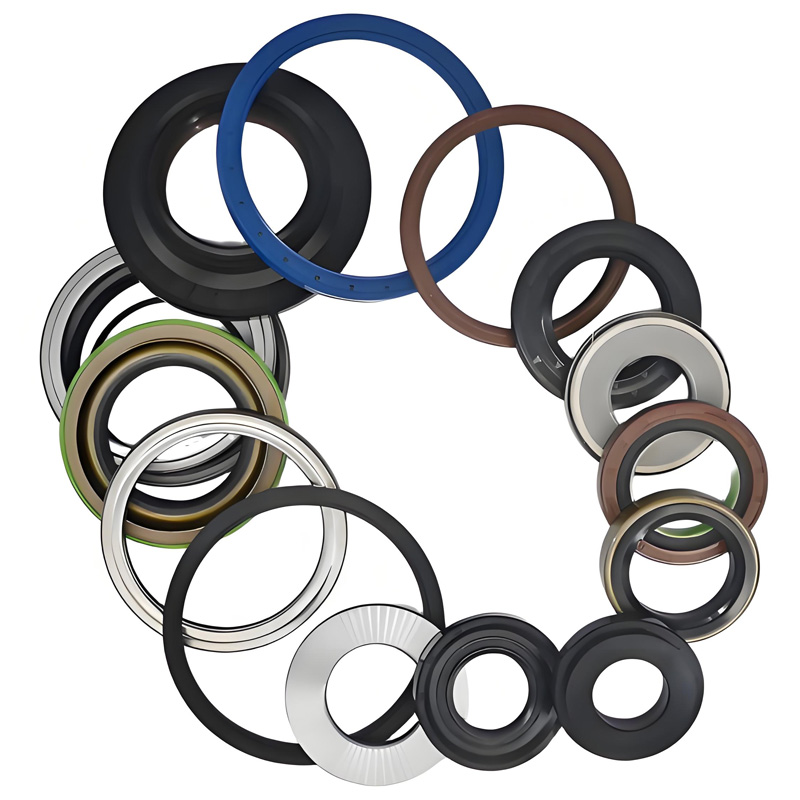
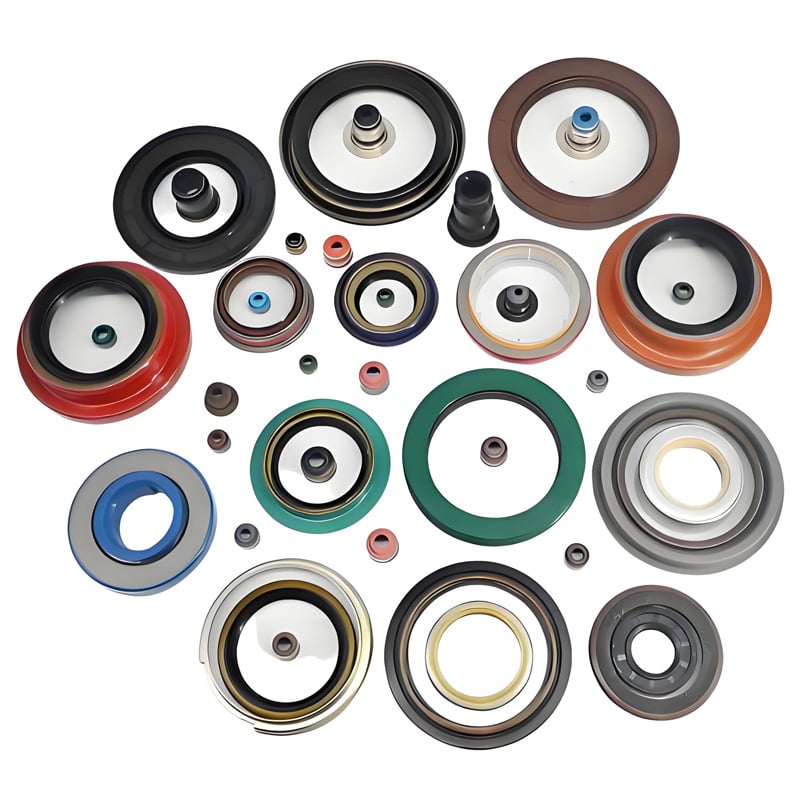
Quvvatli burilish tizimidagi germatik o'ringich avtomobilingiz burilish tizimining butunligi va ishlashini saqlash uchun mo'ljallangan muhim komponentdir. Ushbu maxsus o'ringich quvvatli burilish nasosi, g'ildirak qutisi va naylar ulanishlaridan suyuqlikning oqib ketishini oldini oladi va shu orqali burilishni silliq bajarish uchun gidravlik bosim doimiy bo'lib turishini ta'minlaydi. Quvvatli burilish tizimidagi germatik o'ringich himoya to'siq vazifasini bajaradi: bosim ostidagi suyuqlikni saqlaydi va noxush aralashmalar hamda namlikni nozik mexanik qismlarga kirib borishini oldini oladi. Zamonaviy quvvatli burilish tizimidagi germatik o'ringichlarda ekstremal haroratlar va bosim o'zgarishlariga chidamli ilg'or elastomer materiallardan foydalaniladi. Ushbu o'ringichlar qattiq sharoitlarda ham moslashuvchanlikni saqlash, uzun muddatli foydalanishda yorilish va buzilishlarni oldini olish uchun maxsus loyihalangan. Quvvatli burilish tizimidagi germatik o'ringich aniq ishlab chiqarilgan, shu tufayli u qo'shni sirtlar bilan a'lo darajada mos keladi va oqib ketishga ishonchli to'siq yaratadi. Quvvatli burilish tizimidagi germatik o'ringichlar maydoni barcha avtomobil turlarini qamrab oladi: maydoni kichik avtomobillardan boshlab sedanlarga, yuk avtomobillarigacha va SUV-larga. Avtomobilingiz gidravlik yoki elektr yordamli burilish tizimidan foydalansa ham, xavfsiz boshqarish uchun quvvatli burilish tizimidagi germatik o'ringichning to'g'ri ishlashi juda muhimdir. Quvvatli burilish tizimidagi germatik o'ringich ayniqsa, ko'p burilish ishlatiladigan avtomobillar, ekstremal ob-havo sharoitida yoki yuqori kilometrajli holatlarda tezroq yeyilish sodir bo'ladigan avtomobillar uchun ahamiyatli hisoblanadi. Avtopark operatorlari, alohida avtomobil egasi hamda avtomobil texnik xizmat ko'rsatish mutaxassislari avtomobilning umumiy yashash muddati davomida qimmatli ta'mirlashlarni oldini olish va burilish tizimining ishonchliligini saqlash uchun sifatli quvvatli burilish tizimidagi germatik o'ringichlardan foydalanadi.

 EN
EN