Premium Valve Stem Oil Seals - Advanced Engine Sealing Solutions for Superior Performance

All Categories

valve stem oil seal

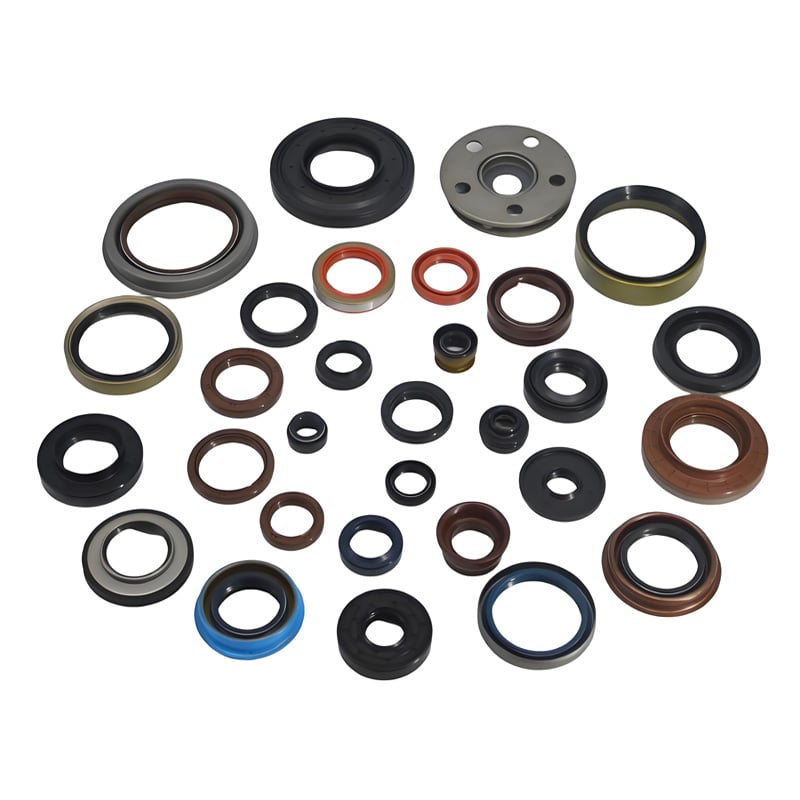
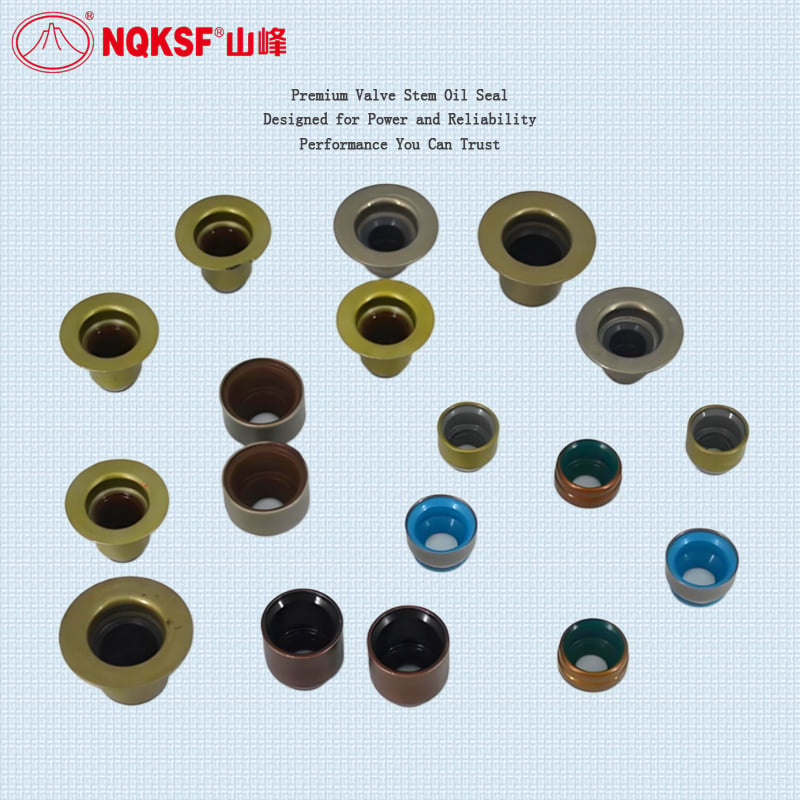
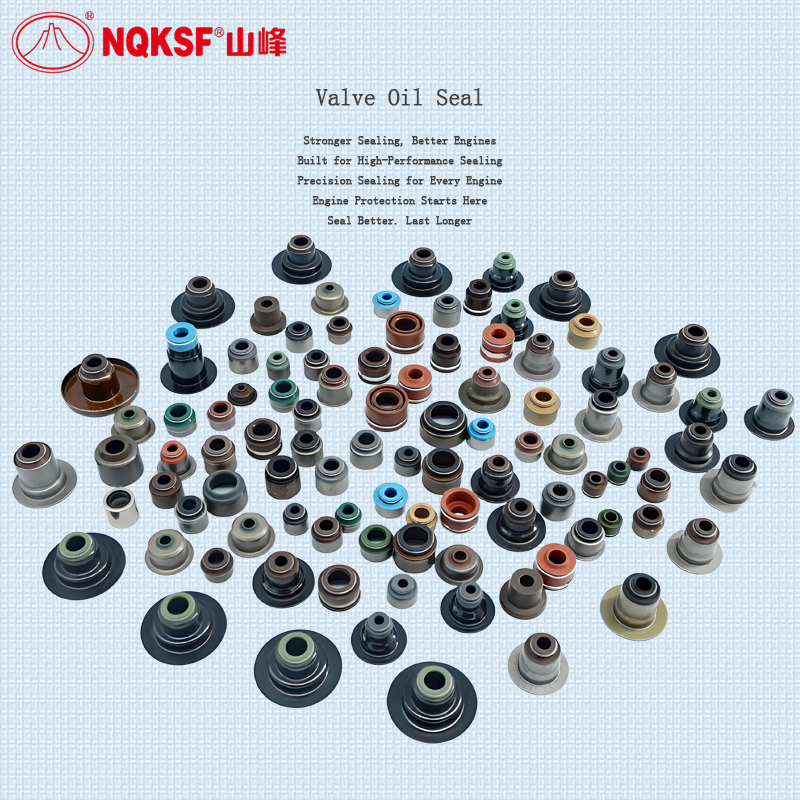
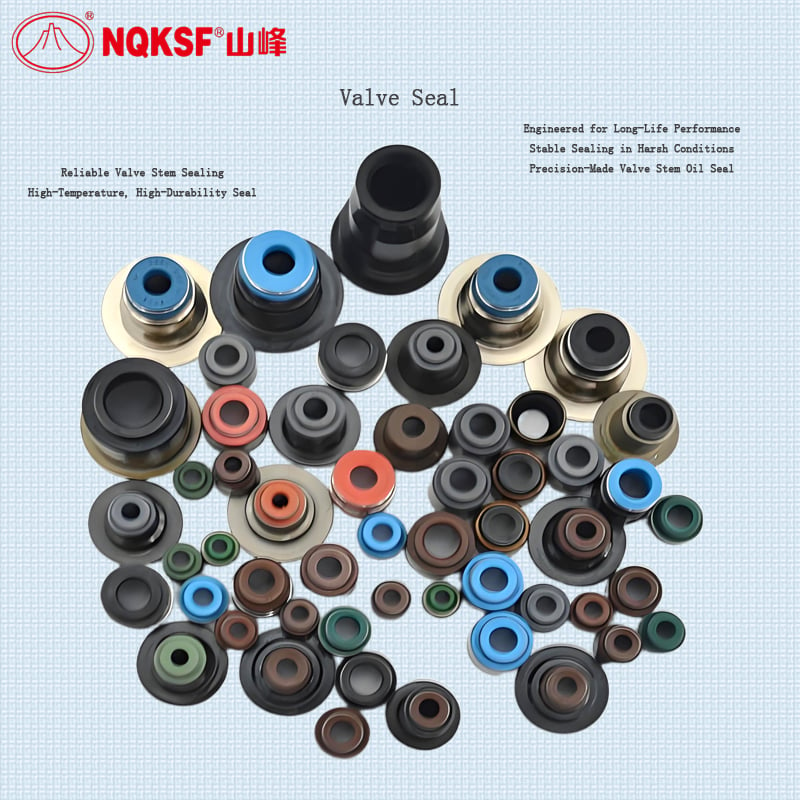
The valve stem oil seal represents a critical component in modern internal combustion engines, serving as a protective barrier between the valve stem and the engine's cylinder head. This precision-engineered sealing solution prevents engine oil from entering the combustion chamber through the valve guide clearance while maintaining optimal lubrication for the valve stem mechanism. The valve stem oil seal operates within extreme temperature conditions, typically ranging from -40°C to 200°C, demonstrating remarkable thermal stability and chemical resistance against various engine fluids and combustion byproducts. Manufactured using advanced elastomeric materials such as fluorocarbon rubber (FKM), nitrile rubber (NBR), or polyacrylate compounds, these seals incorporate sophisticated design features including reinforced steel casings, specialized lip geometries, and integrated garter springs for consistent sealing pressure. The technological architecture of valve stem oil seals includes multiple sealing elements working in harmony to achieve superior performance. The primary sealing lip maintains contact with the valve stem surface, creating a dynamic seal that adapts to stem movement during engine operation. Secondary features such as dust lips and retention grooves enhance the overall sealing effectiveness while preventing contamination ingress. Modern valve stem oil seal designs incorporate advanced surface treatments and coatings that reduce friction, minimize wear, and extend operational lifespan. These seals find extensive applications across automotive engines, marine propulsion systems, industrial generators, agricultural machinery, and stationary power equipment. The automotive sector represents the largest application segment, where valve stem oil seals contribute significantly to emission control, fuel efficiency, and engine longevity. Heavy-duty applications in commercial vehicles, construction equipment, and industrial engines demand enhanced valve stem oil seal specifications with superior durability and extended service intervals to meet rigorous operational requirements and regulatory standards.

New Product Releases

Valve stem oil seal technology delivers substantial practical benefits that directly impact engine performance, operational costs, and environmental compliance for vehicle owners and equipment operators. The primary advantage centers on preventing oil consumption, which translates into reduced maintenance expenses and extended oil change intervals. When valve stem oil seals function properly, engines consume significantly less lubricating oil, eliminating the need for frequent top-offs and reducing overall operating costs. This oil consumption control also prevents blue smoke emissions that occur when oil burns in the combustion chamber, helping vehicles meet stringent environmental regulations while maintaining clean exhaust output. Enhanced engine performance represents another significant benefit, as effective valve stem oil seals maintain optimal compression ratios by preventing oil contamination in the combustion chamber. This contamination prevention ensures consistent fuel combustion, improved power output, and better fuel economy throughout the engine's operational life. The seals also protect critical engine components from premature wear by maintaining proper lubrication distribution and preventing carbon deposit formation on valves and spark plugs. Reliability and longevity constitute major advantages for equipment owners, as high-quality valve stem oil seals reduce unscheduled downtime and expensive engine repairs. Modern seals withstand millions of valve cycles without degradation, providing consistent sealing performance across extended service intervals. This durability reduces the frequency of seal replacement procedures, minimizing labor costs and equipment downtime for commercial operators. The advanced materials used in contemporary valve stem oil seals resist chemical degradation from modern fuel formulations and engine oils, ensuring compatibility with current and future lubricant technologies. Cost-effectiveness emerges as a compelling advantage when considering the total cost of ownership. While premium valve stem oil seals may require higher initial investment, their extended service life and superior performance characteristics result in lower long-term maintenance costs. The prevention of engine damage caused by oil starvation or contamination far exceeds the cost of quality seals, making them an economically sound investment for both individual vehicle owners and fleet operators managing multiple engines across diverse applications.

Tips And Tricks

Why Do Industrial Systems Depend on Reliable Rotary Oil Seals?

06

Jan

Why Do Industrial Systems Depend on Reliable Rotary Oil Seals?

Industrial machinery operates under extreme conditions where precision engineering and component reliability determine operational success. Among the critical components that ensure seamless functionality, the oil seal stands as a fundamental element...
View More
Oil Seal Brand Rankings?

06

Jan

Oil Seal Brand Rankings?

Understanding Oil Seal Quality and Market Evaluation In industrial transmission systems, fluid control assemblies, and rotating machinery, the oil seal plays a fundamental role in maintaining performance stability and operational safety. An oil seal ...
View More
How to Select O Ring Based on Equipment Parameters?

22

Apr

How to Select O Ring Based on Equipment Parameters?

Selecting the right o ring for specific equipment parameters requires a systematic approach that considers multiple technical factors simultaneously. Equipment manufacturers and maintenance professionals must evaluate material compatibility, dimensio...
View More
What Are O Rings? Where and Why Are They Used?

29

Apr

What Are O Rings? Where and Why Are They Used?

An o ring is a mechanical gasket designed in the shape of a torus that sits in a groove and is compressed during assembly between two or more parts, creating a reliable seal at the interface. These simple yet highly effective sealing devices consist ...
View More

Get a Free Quote

Our representative will contact you soon.
Email
Telephone
Name
Company Name
Message
0/1000

valve stem oil seal

Superior Temperature Resistance and Chemical Compatibility

Superior Temperature Resistance and Chemical Compatibility

The exceptional temperature resistance capabilities of modern valve stem oil seals represent a breakthrough in automotive sealing technology, enabling reliable operation across extreme thermal conditions that would compromise conventional sealing solutions. These advanced seals maintain their sealing integrity and mechanical properties when exposed to temperatures ranging from arctic cold starts at -40°C to high-performance engine operating conditions exceeding 200°C. This remarkable temperature stability results from carefully selected elastomeric compounds and specialized manufacturing processes that optimize molecular structure for thermal endurance. The chemical compatibility features of valve stem oil seals ensure long-term performance in increasingly complex engine environments where modern synthetic oils, alternative fuels, and aggressive combustion byproducts challenge traditional materials. Advanced fluorocarbon and polyacrylate compounds resist swelling, hardening, and chemical degradation when exposed to ethanol-blended fuels, biodiesel, synthetic engine oils, and various automotive fluids. This chemical resistance prevents seal failure modes such as lip cracking, material embrittlement, and dimensional instability that could compromise sealing effectiveness. The manufacturing process incorporates precision molding techniques that create uniform material distribution and eliminate weak points that could fail under thermal cycling stress. Specialized heat treatment processes optimize the crosslinking density of elastomeric materials, enhancing both temperature resistance and mechanical durability. These technological advances translate into practical benefits for end users, including reduced maintenance requirements, extended service intervals, and improved engine reliability in demanding applications. Fleet operators particularly benefit from this temperature and chemical resistance, as their vehicles often operate in diverse climatic conditions and encounter various fuel qualities that could challenge inferior sealing solutions. The superior resistance characteristics also contribute to environmental benefits by maintaining consistent sealing performance that prevents oil consumption and reduces harmful emissions throughout the seal's extended service life.
Advanced Sealing Design and Dynamic Performance

Advanced Sealing Design and Dynamic Performance

The sophisticated engineering behind modern valve stem oil seal design incorporates multiple technological innovations that optimize sealing performance under dynamic operating conditions found in high-speed internal combustion engines. The precision-engineered sealing lip geometry features carefully calculated contact angles, surface profiles, and edge configurations that maximize sealing effectiveness while minimizing friction and wear during valve stem reciprocation. This advanced lip design creates an optimal balance between sealing force and operational smoothness, ensuring consistent performance across millions of valve cycles without compromising engine efficiency. The integration of garter springs within valve stem oil seal assemblies provides controlled radial force that maintains consistent sealing contact pressure regardless of temperature variations, material aging, or dimensional changes in mating components. These precision-wound springs utilize specialized alloys that resist fatigue and corrosion while delivering uniform force distribution around the seal circumference. The spring tension is precisely calibrated to accommodate normal wear patterns while maintaining effective sealing throughout the component's service life. Dynamic performance characteristics of modern valve stem oil seals excel in high-speed engine applications where valve stem velocities and acceleration rates challenge conventional sealing approaches. The advanced materials and design features enable these seals to follow rapid valve movements without losing sealing contact or experiencing excessive wear. This dynamic capability is particularly important in high-performance engines, racing applications, and modern engines with variable valve timing systems that create complex motion patterns. Surface treatment technologies applied to valve stem oil seal lips further enhance dynamic performance by reducing friction coefficients and improving wear resistance. These treatments include specialized coatings, surface texturing, and chemical modifications that optimize the interface between the seal lip and valve stem. The resulting performance improvements include reduced friction losses, enhanced fuel efficiency, and extended component life even under severe operating conditions that would quickly degrade inferior sealing solutions.
Precision Manufacturing and Quality Assurance Excellence

Precision Manufacturing and Quality Assurance Excellence

The manufacturing excellence behind premium valve stem oil seals encompasses sophisticated production processes, stringent quality control measures, and advanced testing protocols that ensure consistent performance and reliability across diverse applications. Modern manufacturing facilities utilize precision injection molding equipment capable of maintaining tolerances within micrometers, ensuring that each valve stem oil seal meets exact dimensional specifications required for optimal sealing performance. The molding processes incorporate controlled temperature profiles, optimized cure cycles, and specialized tooling designed to eliminate common defects such as flash, incomplete fill, or material flow lines that could compromise sealing integrity. Quality assurance programs implemented by leading valve stem oil seal manufacturers exceed industry standards through comprehensive testing protocols that validate performance under accelerated aging conditions, extreme temperatures, chemical exposure, and mechanical stress. These testing procedures simulate years of operational service in compressed timeframes, identifying potential failure modes and validating design improvements before products reach the market. Statistical process control methods monitor critical manufacturing parameters in real-time, ensuring consistent material properties, dimensional accuracy, and surface finish quality across production runs. Advanced inspection technologies including automated optical systems, coordinate measuring machines, and specialized leak testing equipment verify that each valve stem oil seal meets stringent performance criteria. The integration of lean manufacturing principles and continuous improvement methodologies results in production processes that minimize waste, reduce variability, and optimize resource utilization while maintaining the highest quality standards. Traceability systems track each valve stem oil seal from raw material receipt through final packaging, enabling rapid identification and resolution of any quality issues while supporting warranty claims and technical investigations. This manufacturing excellence translates into tangible benefits for end users, including predictable performance, extended service life, and reduced warranty claims. The consistent quality achieved through these advanced manufacturing processes enables equipment manufacturers to specify valve stem oil seals with confidence, knowing that each component will deliver the intended performance throughout its design life under specified operating conditions.

Get a Free Quote

Our representative will contact you soon.
Email
Telephone
Name
Company Name
Message
0/1000