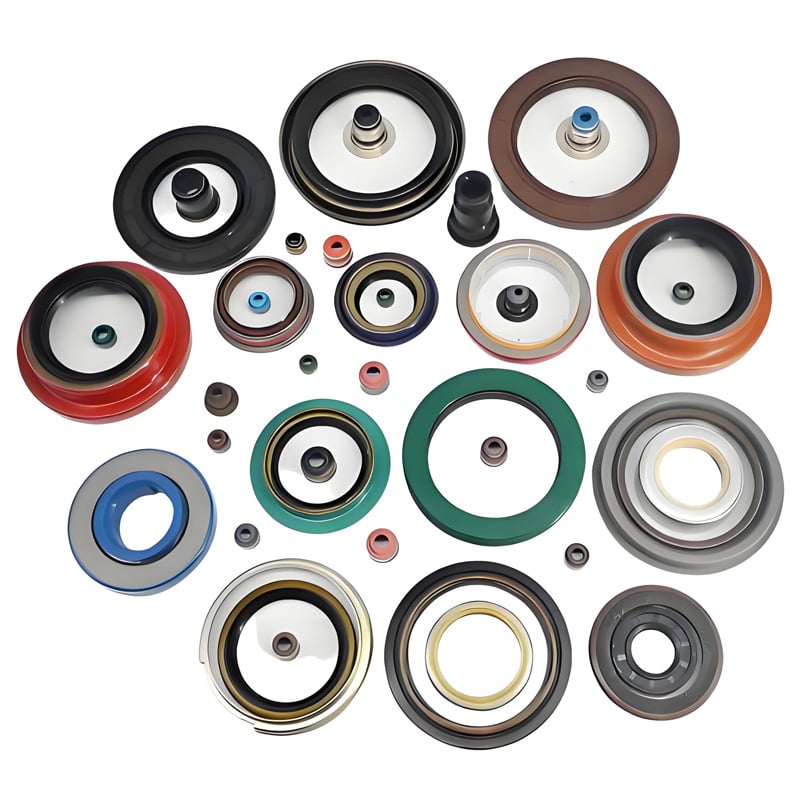
Drive Shaft Seal: Premium Quality Sealing Solutions for Industrial Applications

All Categories

drive shaft seal

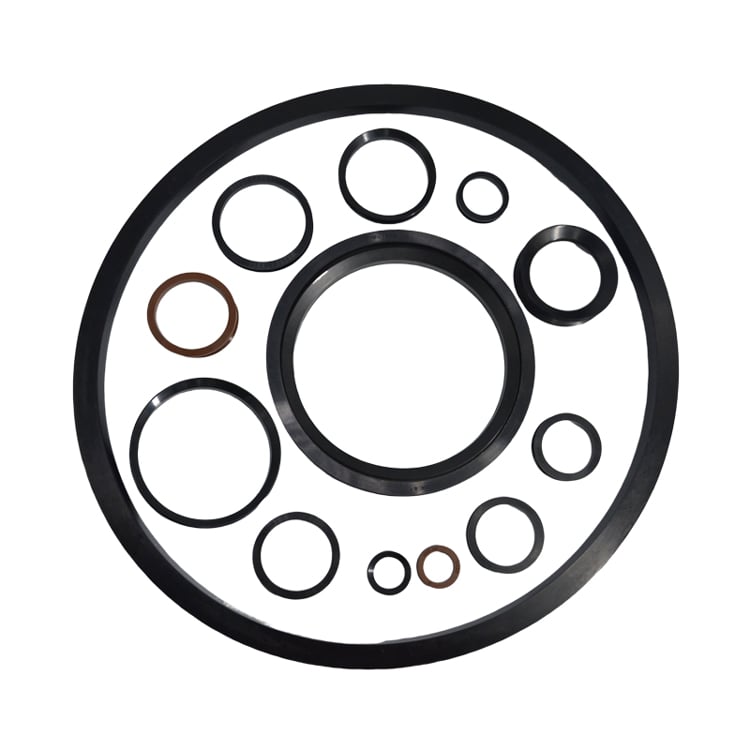
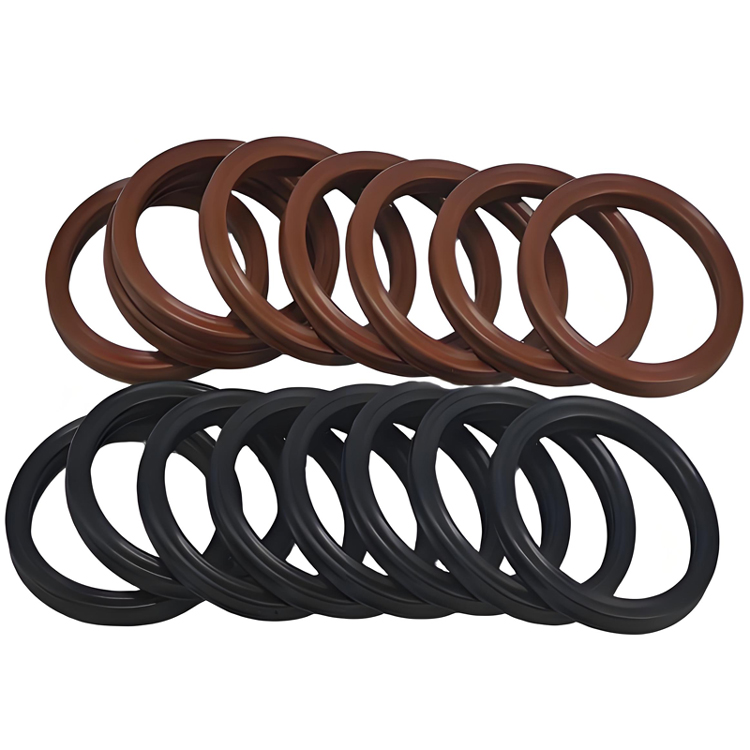
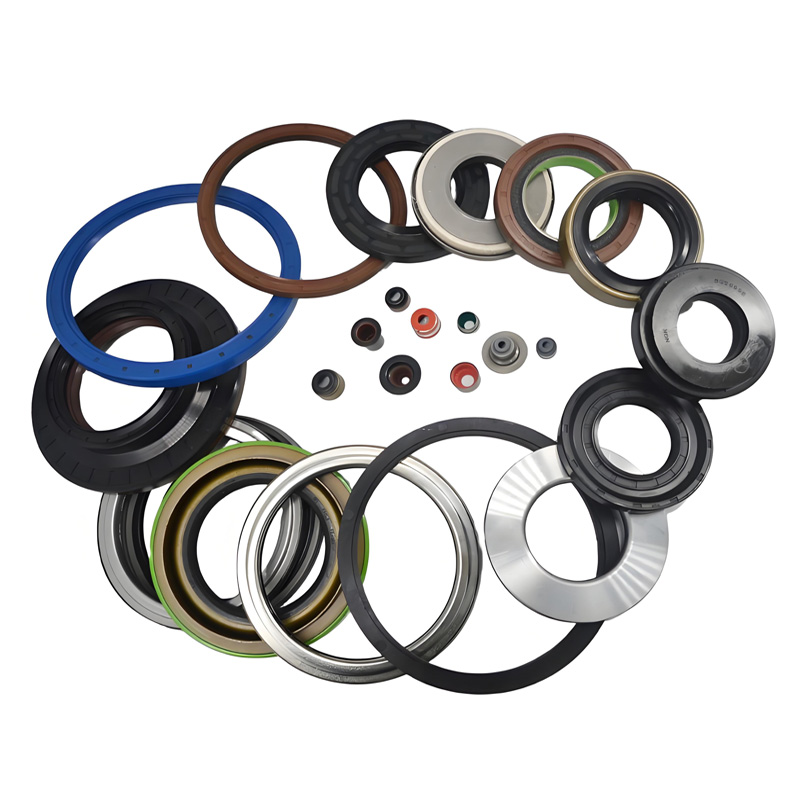
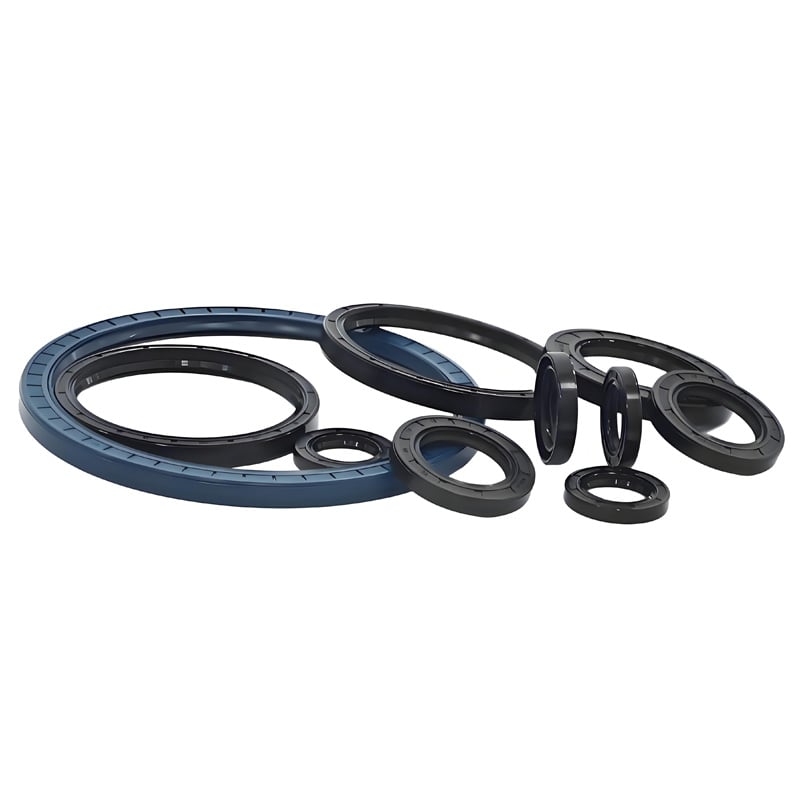
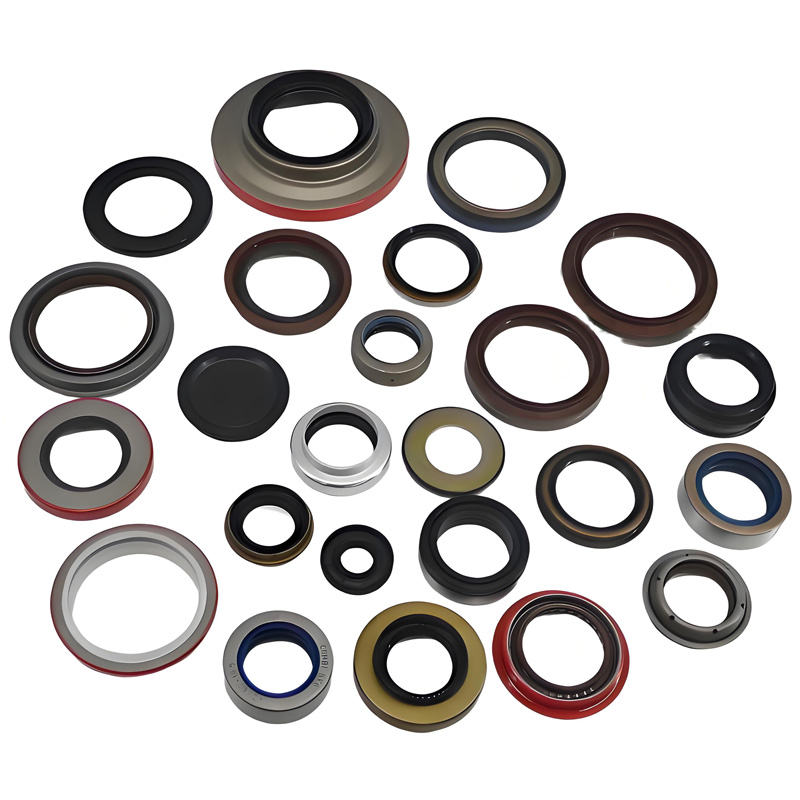
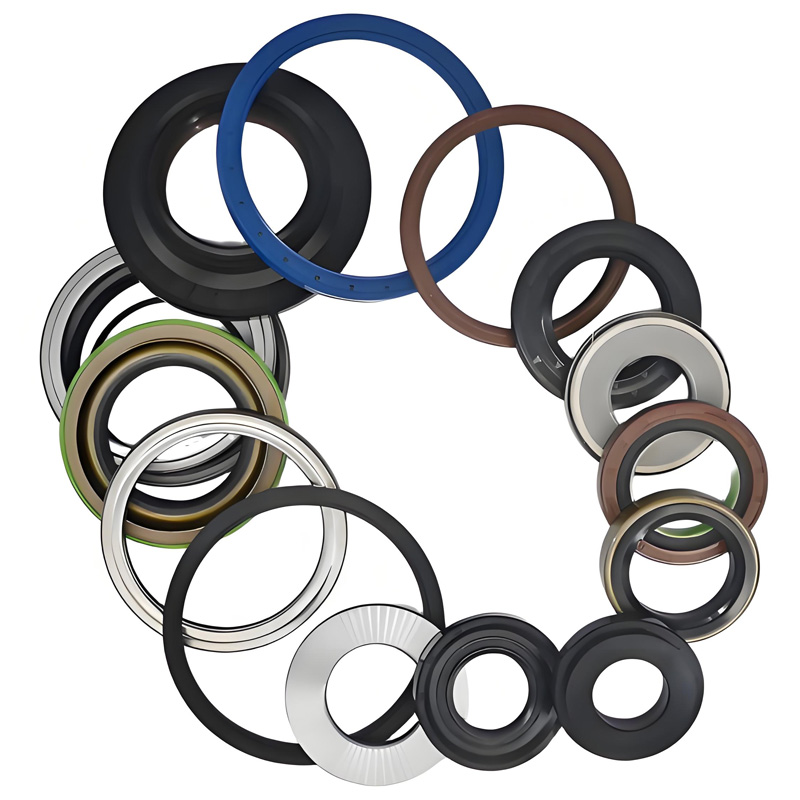
A drive shaft seal represents a critical mechanical component designed to prevent lubricant leakage and contamination in rotating shaft systems. This essential sealing element serves as a barrier between the internal lubricated environment and external conditions, ensuring optimal performance and longevity of mechanical assemblies. The drive shaft seal functions by creating a controlled interface around rotating shafts, maintaining pressure differentials while accommodating dynamic movement. Modern drive shaft seal designs incorporate advanced materials and engineering principles to withstand extreme operating conditions including high temperatures, variable pressures, and corrosive environments. The primary technological features include precision-molded elastomeric lips, reinforced metal housings, and specialized contact geometries that optimize sealing effectiveness. These seals utilize dynamic sealing principles where flexible lips maintain contact with rotating surfaces through spring tension and hydraulic pressure. Manufacturing processes employ high-grade synthetic rubbers, thermoplastic materials, and metal components engineered for specific applications. The drive shaft seal construction typically features multiple sealing lips, drainage channels, and protective shields to enhance performance reliability. Applications span numerous industries including automotive transmissions, industrial gearboxes, marine propulsion systems, agricultural machinery, and heavy equipment. In automotive applications, the drive shaft seal protects differential assemblies, transmission output shafts, and axle components from fluid loss and contamination. Industrial applications include pumps, compressors, mixers, and conveyor systems where shaft sealing is essential. The technological advancement in drive shaft seal design focuses on reducing friction, improving durability, and extending service intervals. Material innovations include fluoroelastomers for chemical resistance, polytetrafluoroethylene compounds for low-friction applications, and hybrid designs combining multiple sealing technologies. Installation considerations involve proper shaft surface preparation, correct seal orientation, and appropriate installation tools to prevent damage during assembly.

New Products

Drive shaft seal technology delivers substantial operational benefits that directly impact equipment reliability and maintenance costs. The primary advantage lies in fluid retention capabilities, preventing costly lubricant loss while maintaining optimal lubrication levels within mechanical systems. This protection translates to reduced maintenance frequency and extended equipment service life, generating significant cost savings for operators. The contamination barrier function represents another crucial benefit, as the drive shaft seal prevents dirt, moisture, and debris from entering sensitive mechanical components. This protection mechanism reduces wear rates, prevents corrosion, and maintains lubricant quality over extended periods. Temperature resistance characteristics enable drive shaft seal operation across wide temperature ranges, from arctic conditions to high-temperature industrial applications. This versatility eliminates the need for frequent seal replacements due to thermal cycling, reducing downtime and maintenance expenses. The dynamic sealing capability accommodates shaft movement, vibration, and misalignment without compromising sealing integrity. This flexibility ensures consistent performance even under challenging operating conditions where mechanical tolerances may vary. Installation simplicity provides significant advantages for maintenance personnel, as most drive shaft seal designs feature straightforward replacement procedures that minimize equipment downtime. The standardized dimensions and universal mounting configurations facilitate inventory management and reduce procurement complexity. Material compatibility benefits include chemical resistance to various lubricants, fuels, and cleaning solvents commonly encountered in industrial applications. This compatibility prevents seal degradation and ensures long-term reliability across diverse operating environments. The pressure handling capabilities allow drive shaft seal operation in both positive and negative pressure applications, providing versatility for different system designs. Low maintenance requirements reduce operational costs while improving system reliability through consistent sealing performance. The compact design characteristics enable integration into space-constrained applications without requiring significant modifications to existing equipment. Quality manufacturing standards ensure consistent performance and reliability across production batches, providing predictable service life and performance characteristics. These advantages combine to deliver comprehensive sealing solutions that enhance equipment performance while reducing total cost of ownership.

Latest News

What Should You Look for in a Quality Rotary Shaft Seal?

27

Nov

What Should You Look for in a Quality Rotary Shaft Seal?

Industrial machinery relies heavily on effective sealing solutions to prevent contamination, maintain lubrication, and ensure optimal performance. Among the most critical components in rotating equipment, the rotary shaft seal stands as a fundamental...
View More
Why Do Industrial Systems Depend on Reliable Rotary Oil Seals?

06

Jan

Why Do Industrial Systems Depend on Reliable Rotary Oil Seals?

Industrial machinery operates under extreme conditions where precision engineering and component reliability determine operational success. Among the critical components that ensure seamless functionality, the oil seal stands as a fundamental element...
View More
Recommended Oil Seal Brands?

06

Jan

Recommended Oil Seal Brands?

Understanding the Role of Oil Seal Quality in Industrial Systems Oil Seal is a critical component in modern mechanical and industrial systems. Whether used in automotive drivetrains, industrial gearboxes, hydraulic equipment, or heavy-duty machinery,...
View More
How to Choose the Right O Ring for Industrial Equipment?

22

Apr

How to Choose the Right O Ring for Industrial Equipment?

Selecting the appropriate o ring for industrial equipment requires careful consideration of multiple technical factors that directly impact system performance and operational reliability. The wrong o ring choice can lead to catastrophic seal failure,...
View More

Get a Free Quote

Our representative will contact you soon.
Email
Telephone
Name
Company Name
Message
0/1000

drive shaft seal

Advanced Material Engineering for Superior Durability

Advanced Material Engineering for Superior Durability

The drive shaft seal incorporates cutting-edge material science to deliver exceptional durability and performance under demanding operating conditions. Modern manufacturing processes utilize specialized elastomeric compounds that combine flexibility with chemical resistance, ensuring long-term reliability across diverse applications. The material selection process considers factors including temperature extremes, chemical compatibility, abrasion resistance, and dynamic performance requirements. High-performance nitrile rubber formulations provide excellent oil resistance while maintaining flexibility across wide temperature ranges, making them ideal for automotive and industrial applications. Fluoroelastomer materials offer superior chemical resistance for applications involving aggressive fluids, solvents, or extreme temperatures. These advanced materials resist swelling, hardening, and degradation that commonly affect standard rubber seals. The reinforcement structures within the drive shaft seal include precision-formed metal cases that provide dimensional stability and mounting security. These metal components undergo specialized coatings and treatments to prevent corrosion while ensuring proper fit and alignment during installation. The lip geometry represents a critical design element, with precision-molded contact surfaces that optimize sealing pressure distribution. This engineering approach minimizes friction while maximizing sealing effectiveness, reducing wear and extending service life. Quality control procedures ensure consistent material properties and dimensional accuracy across production batches. Testing protocols evaluate material performance under accelerated aging conditions, chemical exposure, and mechanical stress to validate long-term reliability. The material formulations resist compression set, a common failure mode where seals lose their ability to maintain contact pressure over time. This resistance ensures consistent sealing performance throughout the service life, reducing maintenance requirements and preventing unexpected failures. Innovation in material technology continues to drive improvements in drive shaft seal performance, with new compounds offering enhanced capabilities for emerging applications and operating conditions.
Precision Engineering for Optimal Sealing Performance

Precision Engineering for Optimal Sealing Performance

The drive shaft seal design incorporates sophisticated engineering principles that optimize sealing effectiveness while minimizing operational friction and wear. Precision manufacturing processes ensure consistent dimensional accuracy and surface finish quality that directly impact sealing performance and longevity. The lip design utilizes advanced computational fluid dynamics modeling to optimize contact pressure distribution and minimize heat generation during operation. This engineering approach results in reduced friction losses while maintaining effective sealing across varying shaft speeds and operating conditions. The spring systems integrated within the drive shaft seal provide controlled radial force that maintains consistent lip contact throughout the service life. These springs compensate for lip wear, shaft runout, and thermal expansion while preventing excessive contact pressure that could cause premature failure. Manufacturing tolerances are maintained within strict specifications to ensure proper fit and function across different shaft diameters and housing configurations. Quality assurance processes verify dimensional accuracy using precision measurement equipment and statistical process control methods. The surface treatment of sealing lips includes specialized finishes that reduce friction and improve compatibility with various shaft materials and surface treatments. These treatments enhance the initial break-in period and reduce the risk of premature wear or damage during startup conditions. Design validation includes extensive testing under simulated operating conditions to verify performance parameters including leak rates, friction torque, and durability. The engineering process incorporates customer feedback and field experience to continuously improve design characteristics and performance capabilities. Installation features include chamfered edges and alignment guides that facilitate proper assembly while preventing damage during installation procedures. The modular design approach allows customization of sealing configurations to meet specific application requirements while maintaining manufacturing efficiency. Advanced finite element analysis validates stress distribution and deformation characteristics under various loading conditions, ensuring reliable performance throughout the operational envelope.
Versatile Applications Across Multiple Industries

Versatile Applications Across Multiple Industries

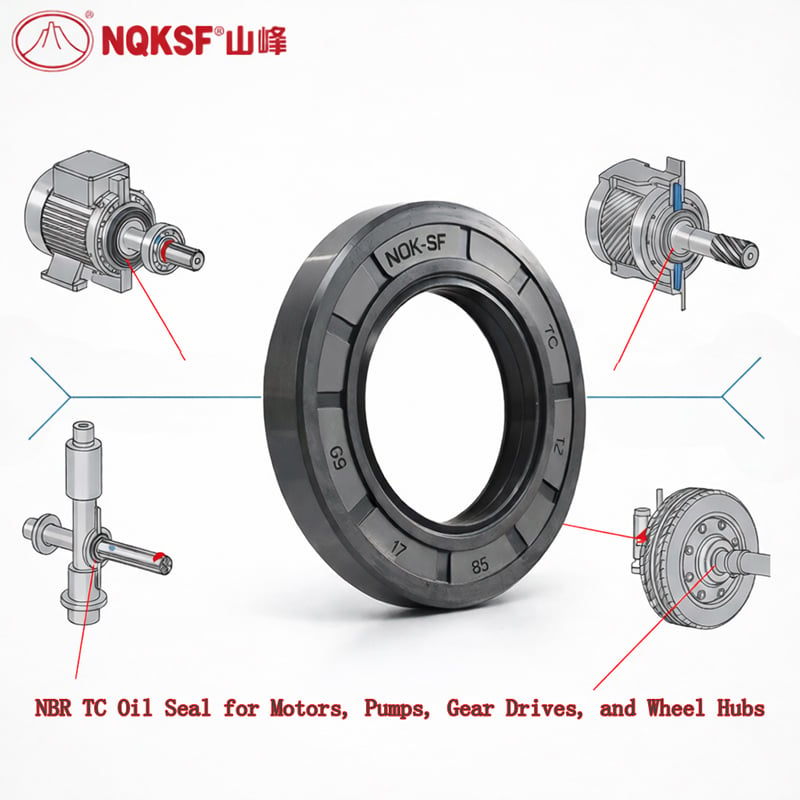
The drive shaft seal demonstrates exceptional versatility through successful implementation across numerous industrial sectors, each presenting unique challenges and performance requirements. Automotive applications represent a significant market segment where drive shaft seal technology protects transmission output shafts, differential assemblies, and axle components from fluid loss and contamination. These seals must withstand temperature variations from cold startup conditions to high-temperature highway operation while accommodating shaft misalignment and vibration inherent in vehicle operation. The marine industry relies on drive shaft seal performance for propulsion systems where seals must resist saltwater corrosion while maintaining effectiveness under varying pressure conditions and shaft angles. Heavy equipment applications include construction machinery, mining equipment, and agricultural implements where seals operate in contaminated environments with high shock loads and extreme duty cycles. Industrial manufacturing utilizes drive shaft seal technology in pumps, compressors, mixers, and conveyor systems where process reliability and maintenance efficiency are critical factors. Food processing applications require specialized seal materials that meet hygiene standards while providing effective sealing for mixing equipment, packaging machinery, and transport systems. The aerospace sector employs high-performance drive shaft seal designs for auxiliary power units, hydraulic systems, and flight control mechanisms where reliability and weight considerations are paramount. Oil and gas applications demand seals capable of handling aggressive chemicals, high pressures, and extreme temperatures in drilling equipment, pumping systems, and processing facilities. Power generation facilities utilize drive shaft seal technology in turbines, generators, and cooling systems where extended service intervals and high reliability are essential for operational efficiency. Each application sector has driven specific innovations in seal design, materials, and manufacturing processes, resulting in a diverse product portfolio that addresses unique performance requirements. The adaptability of drive shaft seal technology continues to enable its adoption in emerging applications including renewable energy systems, electric vehicle components, and advanced manufacturing processes where sealing performance requirements continue to evolve with technological advancement.

Get a Free Quote

Our representative will contact you soon.
Email
Telephone
Name
Company Name
Message
0/1000