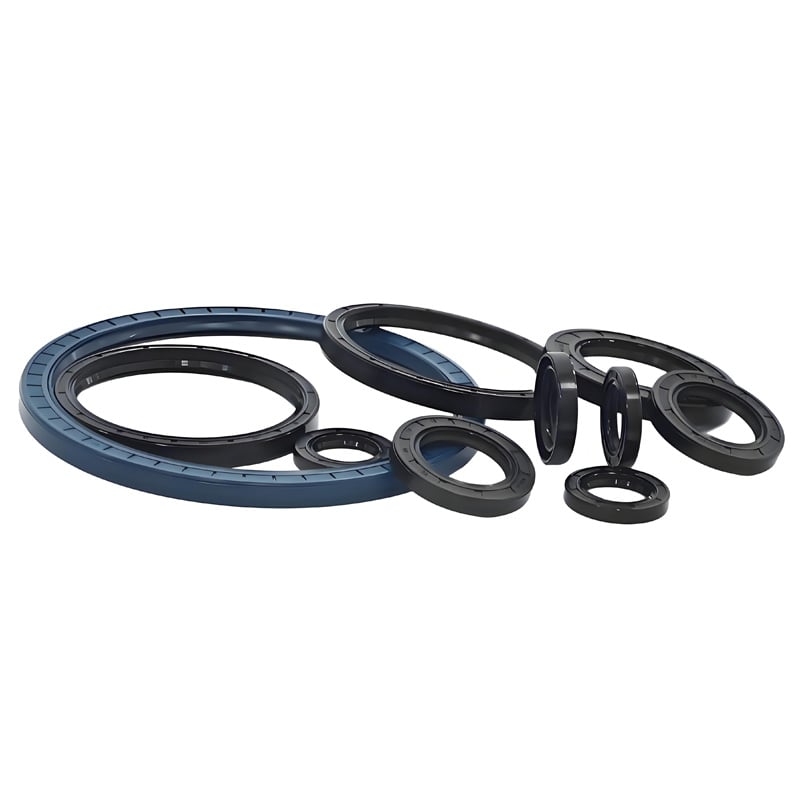
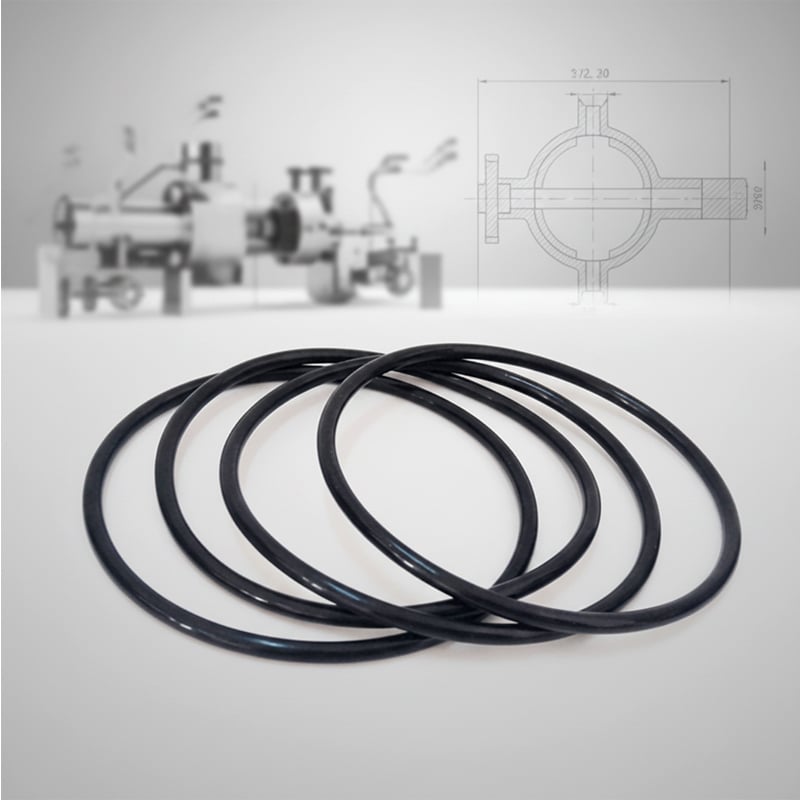
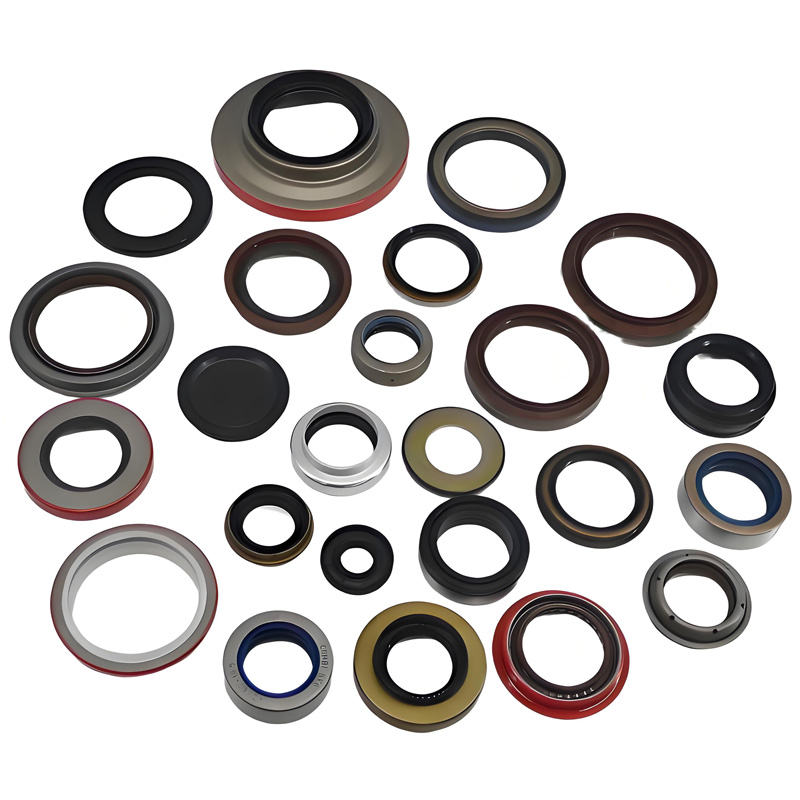
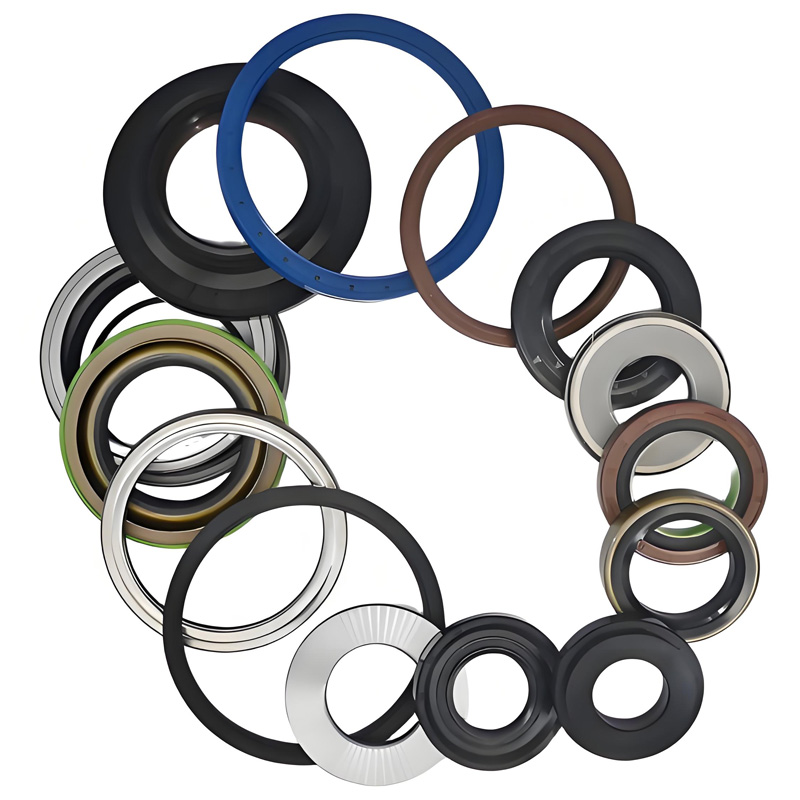
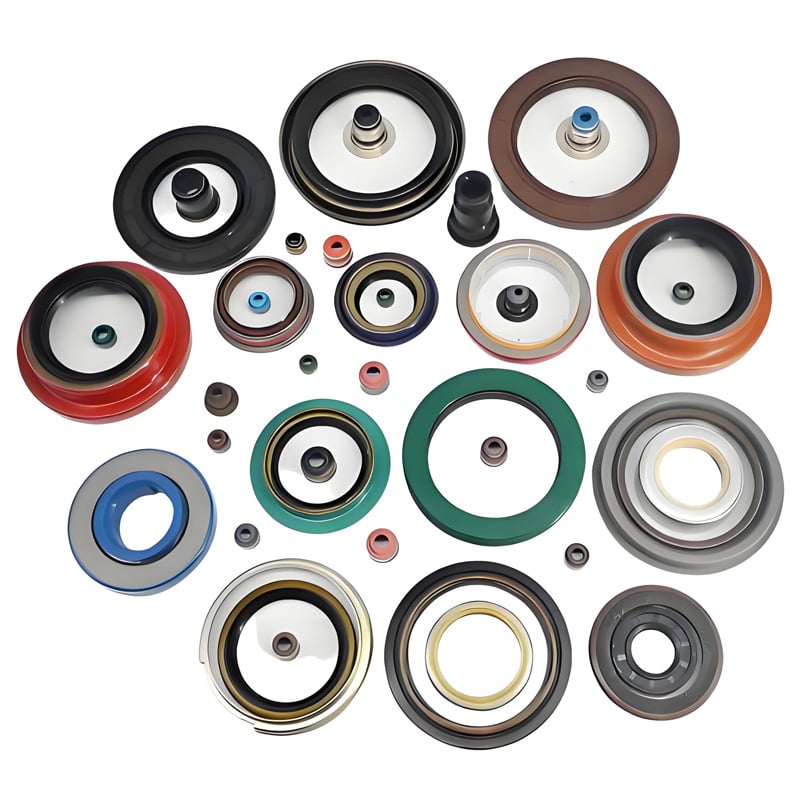
drive shaft seal
A drive shaft seal is a critical component designed to prevent fluid leakage while protecting internal mechanisms from contamination. This essential device maintains the integrity of rotating shaft systems by creating a barrier between the drive shaft and the surrounding environment. The drive shaft seal functions as a protective guardian, ensuring that lubricating oils remain contained within transmission systems and differential housings.
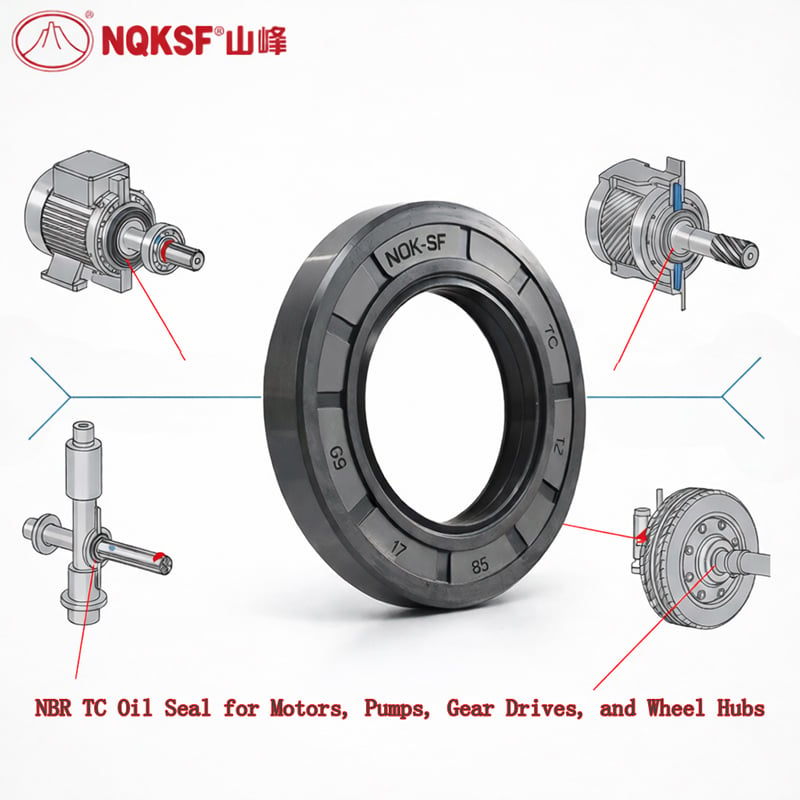
The primary function of a drive shaft seal involves sealing the point where the drive shaft exits the transmission or differential housing. By maintaining this seal, the drive shaft seal prevents precious transmission fluid from leaking onto vehicle undercarriages and prevents dirt, water, and debris from entering sensitive mechanical components. This dual-action protection is vital for maintaining system performance and extending equipment lifespan.
Technologically, a drive shaft seal typically features elastomer materials combined with metal housings, creating a durable barrier designed to withstand extreme pressures and temperatures. Modern drive shaft seal designs incorporate advanced sealing lip geometries that adapt to shaft rotation while maintaining consistent contact pressure. The drive shaft seal operates under demanding conditions, rotating continuously while resisting wear from friction and thermal stress.
Applications for drive shaft seal technology span across automotive transmissions, rear differentials, and industrial machinery. Whether in passenger vehicles, heavy-duty trucks, or commercial equipment, the drive shaft seal remains indispensable. Properly functioning drive shaft seals contribute directly to vehicle reliability, operational efficiency, and maintenance cost reduction across diverse industries and applications.

 EN
EN