Premium Differential Oil Seals - Superior Protection and Performance for Automotive and Industrial Applications

All Categories

differential oil seal

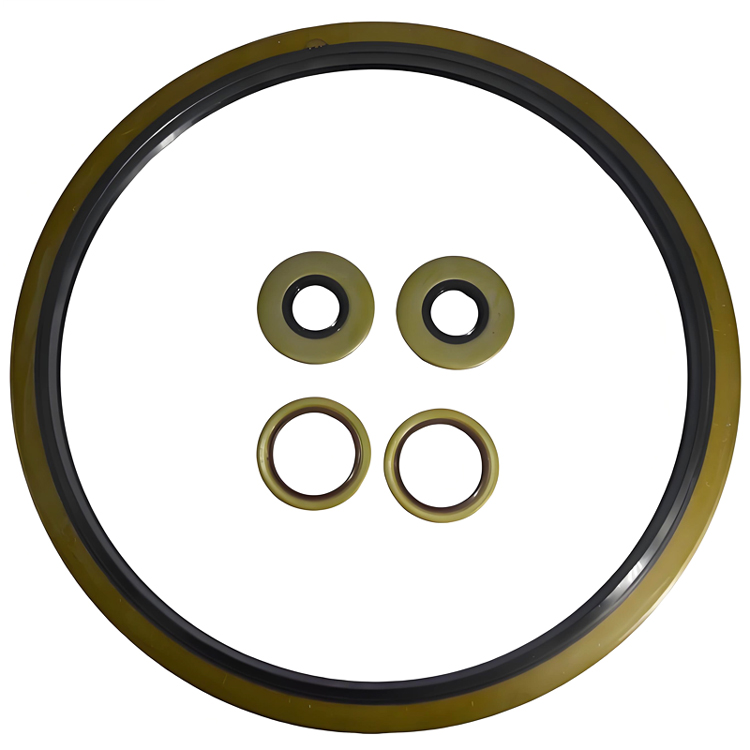
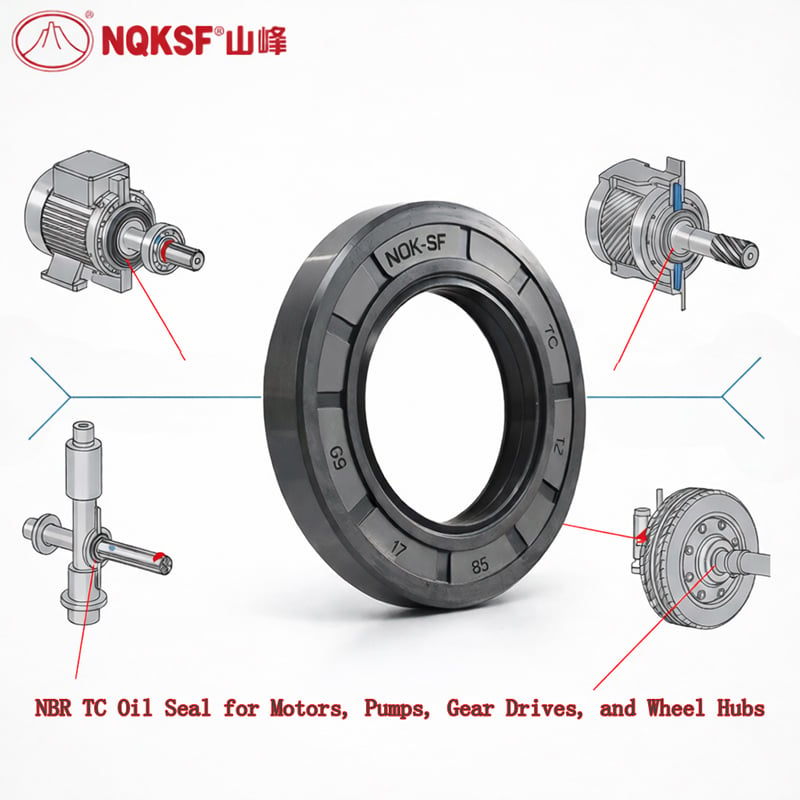
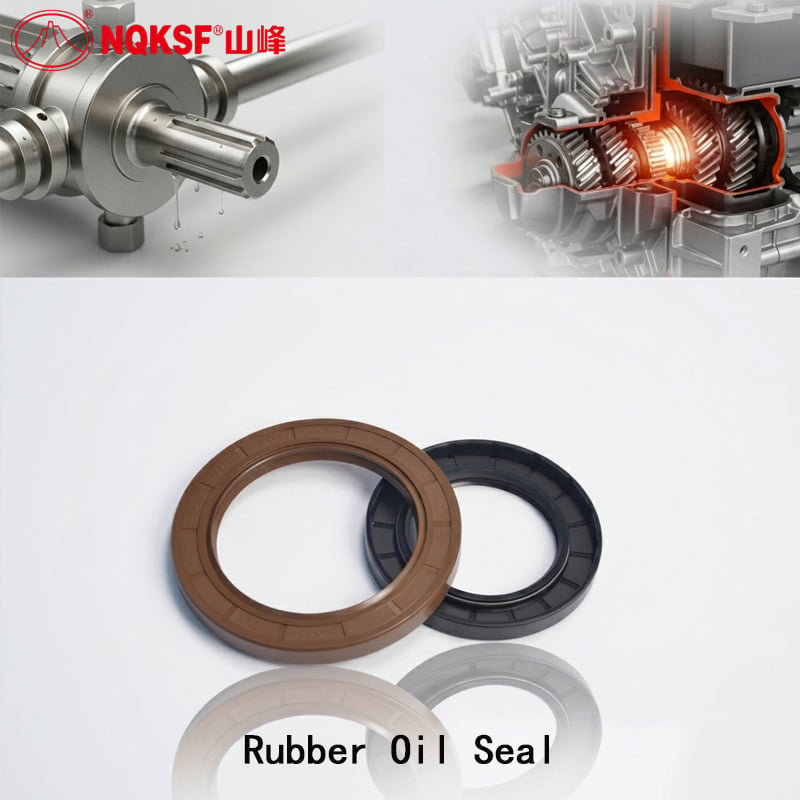
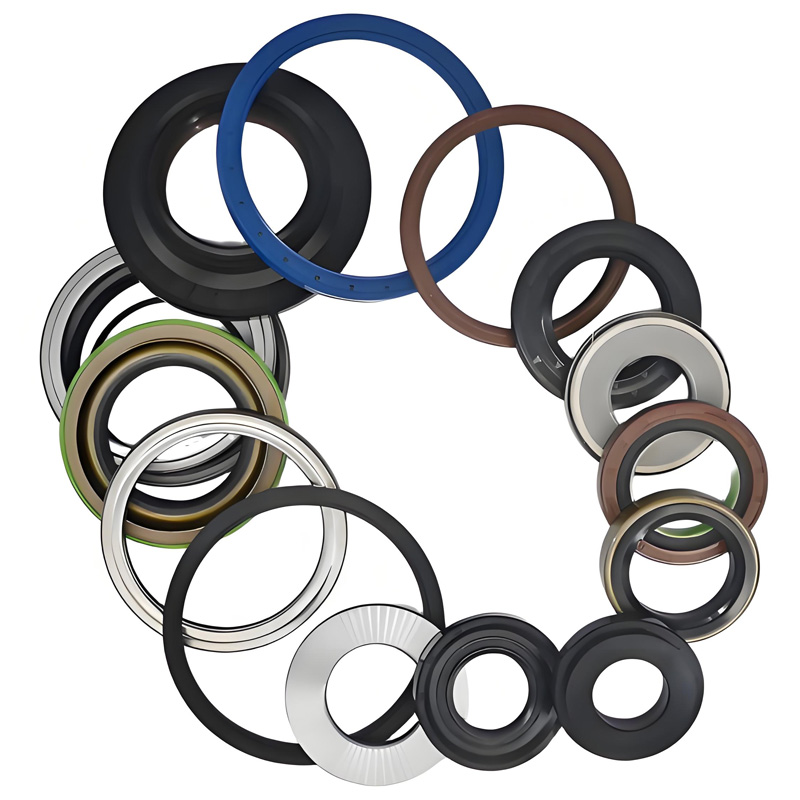
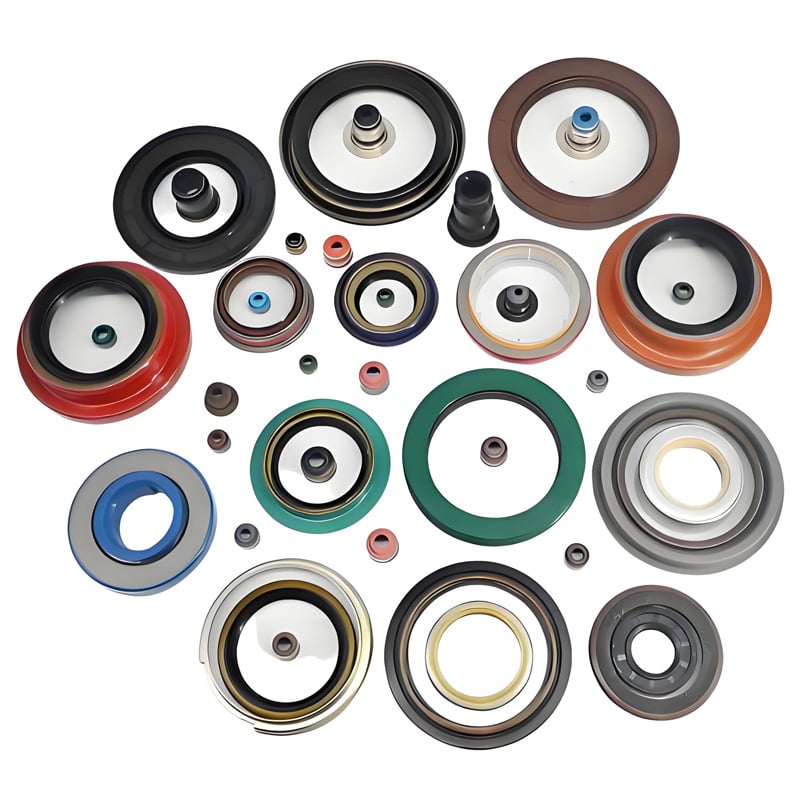
The differential oil seal represents a critical component in automotive and industrial machinery, serving as the primary barrier that prevents lubricant leakage from differential assemblies while maintaining optimal performance levels. This specialized sealing device operates within the differential housing, where it encounters extreme conditions including high rotational speeds, temperature fluctuations, and constant exposure to gear oil and contaminants. The differential oil seal functions by creating a secure interface between rotating shafts and stationary housing components, ensuring that essential lubricants remain contained within the system while preventing external debris from entering critical mechanical areas. Modern differential oil seals incorporate advanced elastomeric materials combined with precision-engineered metal components to deliver superior sealing performance across diverse operating environments. These seals feature carefully designed lip geometries that maintain consistent contact pressure against rotating surfaces, adapting to minor shaft irregularities and thermal expansion variations. The technological sophistication of contemporary differential oil seals extends to their material composition, which typically includes nitrile rubber, fluoroelastomers, or specialized polymer compounds selected for their resistance to automotive fluids, temperature extremes, and mechanical wear. Manufacturing processes employ precision molding techniques that ensure dimensional accuracy and consistent quality across production runs. Applications for differential oil seals span numerous industries, with automotive applications representing the largest market segment, including passenger vehicles, commercial trucks, agricultural machinery, and construction equipment. Industrial applications encompass mining equipment, marine propulsion systems, wind turbines, and manufacturing machinery where reliable shaft sealing proves essential for operational efficiency. The design evolution of differential oil seals continues advancing through computational modeling, material science innovations, and enhanced understanding of tribological interactions, resulting in products that deliver extended service life and improved reliability compared to conventional sealing solutions.

New Products

The differential oil seal delivers exceptional cost savings through its ability to prevent expensive lubricant loss and protect expensive internal components from contamination damage. When differential systems operate without proper sealing, gear oil continuously leaks, requiring frequent replacements that increase maintenance costs and create environmental concerns. A high-quality differential oil seal eliminates this waste by maintaining tight sealing integrity throughout its extended service life, typically lasting 100,000 miles or more in automotive applications. The seal prevents dirt, water, and abrasive particles from entering the differential housing, which would otherwise cause accelerated wear of expensive gears, bearings, and other precision components. This protection translates into significantly reduced repair costs and extended equipment lifespan. Installation simplicity represents another major advantage, as differential oil seals require no special tools or complex procedures for replacement. Most seals feature press-fit designs that allow technicians to install them quickly using standard automotive tools, minimizing labor costs and downtime. The standardized dimensions and universal mounting configurations mean that replacement seals are readily available through multiple suppliers, ensuring quick repairs when needed. Performance reliability stands as a cornerstone benefit, with modern differential oil seals engineered to withstand extreme operating conditions without failure. These seals maintain their sealing effectiveness across temperature ranges from minus 40 to plus 300 degrees Fahrenheit, accommodating seasonal variations and high-performance applications. The flexible sealing lips automatically adjust to minor shaft runout and wear, maintaining consistent contact pressure throughout the component lifecycle. This self-adjusting capability ensures continuous protection without requiring periodic adjustments or maintenance interventions. Environmental compliance becomes increasingly important as regulations tighten around fluid disposal and contamination prevention. Differential oil seals help organizations meet environmental standards by preventing lubricant spills that could contaminate soil and groundwater. The reduced need for frequent oil changes also minimizes waste generation and disposal requirements. Additionally, the improved efficiency gained through proper sealing reduces energy consumption by maintaining optimal lubrication conditions, contributing to lower carbon footprints for vehicles and industrial equipment.

Latest News

Why Do Automotive Systems Rely Heavily on Shaft Oil Seals?

27

Nov

Why Do Automotive Systems Rely Heavily on Shaft Oil Seals?

Modern automotive systems operate under extreme conditions, requiring precise engineering solutions to maintain optimal performance and longevity. Among the most critical components ensuring system reliability are shaft oil seals, which serve as the ...
View More
Which Rubber Oil Seal Materials Fit Heavy-Duty Machinery?

06

Jan

Which Rubber Oil Seal Materials Fit Heavy-Duty Machinery?

Heavy-duty machinery operates under extreme conditions that demand reliable sealing solutions to prevent fluid leakage and contamination. The selection of appropriate rubber oil seal materials plays a critical role in maintaining equipment performanc...
View More
What Should Buyers Inspect When Selecting a Double Lip Shaft Oil Seal?

06

Jan

What Should Buyers Inspect When Selecting a Double Lip Shaft Oil Seal?

When selecting a double lip shaft oil seal for industrial applications, buyers must evaluate numerous critical factors that directly impact equipment performance and longevity. These specialized rubber oil seal components serve as the primary barrier...
View More
What Should You Look For When Choosing a Durable O-Ring Kit?

06

Jan

What Should You Look For When Choosing a Durable O-Ring Kit?

Industrial applications demand reliable sealing solutions that can withstand extreme conditions, chemical exposure, and mechanical stress. An O-Ring Kit serves as a comprehensive solution for maintenance teams, engineers, and technicians who need imm...
View More

Get a Free Quote

Our representative will contact you soon.
Email
Telephone
Name
Company Name
Message
0/1000

differential oil seal

Advanced Material Technology and Durability

Advanced Material Technology and Durability

The differential oil seal incorporates cutting-edge material science that delivers unmatched durability and performance in demanding applications. Modern seals utilize specially formulated elastomers that resist chemical degradation, thermal breakdown, and mechanical wear far better than traditional rubber compounds. These advanced materials include hydrogenated nitrile rubber (HNBR), which provides superior resistance to automotive fluids including synthetic gear oils, extreme pressure additives, and cleaning solvents commonly encountered in differential systems. The fluoroelastomer options offer exceptional thermal stability, maintaining sealing integrity at temperatures up to 400 degrees Fahrenheit while resisting compression set and hardening that plague conventional materials. The reinforcing metal components undergo precision manufacturing processes that ensure dimensional stability and corrosion resistance throughout the seal's operational lifetime. These metal elements, typically constructed from premium steel alloys, provide structural support that prevents seal distortion under pressure while maintaining concentricity with rotating shafts. The integration of these materials through advanced vulcanization processes creates molecular bonds that eliminate potential separation points, ensuring the seal functions as a unified component rather than discrete parts that might fail independently. Quality control measures throughout production include extensive testing protocols that verify material properties, dimensional accuracy, and performance characteristics under simulated operating conditions. Each differential oil seal undergoes multiple inspection stages, including automated optical scanning that detects microscopic defects, durometer testing that confirms material hardness specifications, and leak testing that validates sealing effectiveness. The result is a product that consistently delivers extended service life, often exceeding 150,000 miles in automotive applications and providing years of trouble-free operation in industrial settings. This material advancement translates directly into reduced maintenance costs, fewer unexpected failures, and improved overall system reliability that customers can depend upon for critical applications.
Precision Engineering and Custom Fitment Solutions

Precision Engineering and Custom Fitment Solutions

The differential oil seal demonstrates exceptional engineering precision that ensures perfect fitment across diverse applications while accommodating the unique requirements of specific equipment manufacturers. Each seal undergoes meticulous design processes that consider shaft dimensions, housing configurations, rotational speeds, and environmental conditions to optimize sealing performance. The lip geometry receives particular attention, with computer-aided design tools used to model contact pressure distribution, friction characteristics, and wear patterns under various operating scenarios. This engineering approach results in sealing lips that maintain optimal contact force against shaft surfaces, providing effective sealing without excessive friction that could cause premature wear or power loss. Manufacturing tolerances are held to extremely tight specifications, typically within plus or minus 0.002 inches for critical dimensions, ensuring consistent fit and performance across production runs. Advanced molding techniques, including transfer molding and injection molding processes, create seals with uniform material distribution and precise dimensional control. The spring-loading mechanisms incorporated into many differential oil seals receive special engineering attention to provide consistent sealing force throughout the component's service life. These springs, manufactured from corrosion-resistant materials, maintain their tension characteristics across temperature variations and extended use periods. Custom fitment solutions address the specific needs of original equipment manufacturers and aftermarket applications, with engineering teams working closely with customers to develop seals that meet unique performance requirements. This customization capability extends to special coatings, modified lip configurations, alternative materials, and non-standard dimensions that accommodate specialized applications. The engineering process includes extensive field testing and validation procedures that confirm performance under real-world conditions before products reach market. This comprehensive approach ensures that each differential oil seal delivers optimal performance in its intended application while providing the reliability and longevity that customers expect from premium sealing solutions.
Comprehensive Application Range and Versatility

Comprehensive Application Range and Versatility

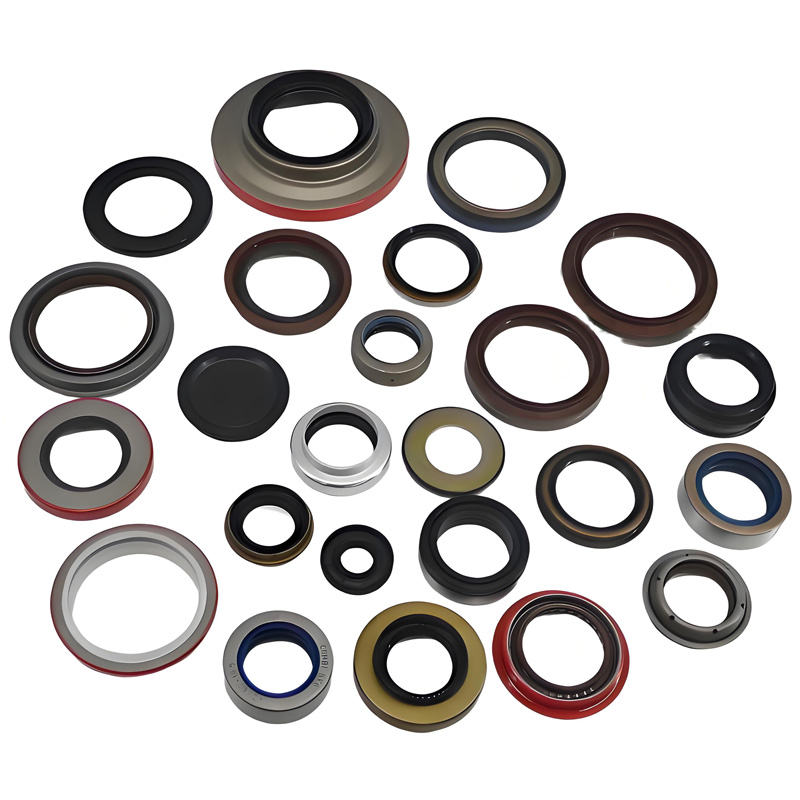
The differential oil seal exhibits remarkable versatility across a comprehensive range of applications, making it an indispensable component in virtually every industry that relies on rotating machinery and lubrication systems. Automotive applications represent the most visible use case, where these seals protect differential assemblies in passenger cars, light trucks, heavy-duty commercial vehicles, and specialty vehicles including racing cars and off-road equipment. Each vehicle category presents unique challenges, from the high-speed continuous operation of highway vehicles to the extreme loading conditions encountered in construction and mining equipment. The agricultural sector depends heavily on differential oil seals for tractors, combines, and harvesting equipment that operate in dusty, debris-laden environments where contamination protection becomes critical for equipment longevity. Marine applications present additional challenges with saltwater exposure, temperature cycling, and continuous vibration that demand specialized seal designs capable of withstanding these harsh conditions. Industrial machinery applications encompass conveyor systems, pumps, mixers, and manufacturing equipment where reliable sealing prevents costly downtime and product contamination. The renewable energy sector increasingly relies on differential oil seals in wind turbine gearboxes, where component failures can result in extremely expensive repairs and extended outages. Mining and construction equipment applications require seals that withstand extreme loads, shock conditions, and abrasive environments while maintaining sealing integrity throughout extended duty cycles. Each application benefits from the seal's ability to adapt to specific operating conditions while maintaining consistent performance standards. The versatility extends to size ranges, from small automotive differentials with shaft diameters of less than one inch to massive industrial applications exceeding twelve inches in diameter. Temperature compatibility spans from Arctic conditions below minus 40 degrees Fahrenheit to industrial processes operating above 300 degrees Fahrenheit. This broad application range demonstrates the fundamental importance of quality differential oil seals across modern industry, where reliable sealing technology enables efficient operation of countless mechanical systems that society depends upon for transportation, food production, energy generation, and manufacturing processes.

Get a Free Quote

Our representative will contact you soon.
Email
Telephone
Name
Company Name
Message
0/1000