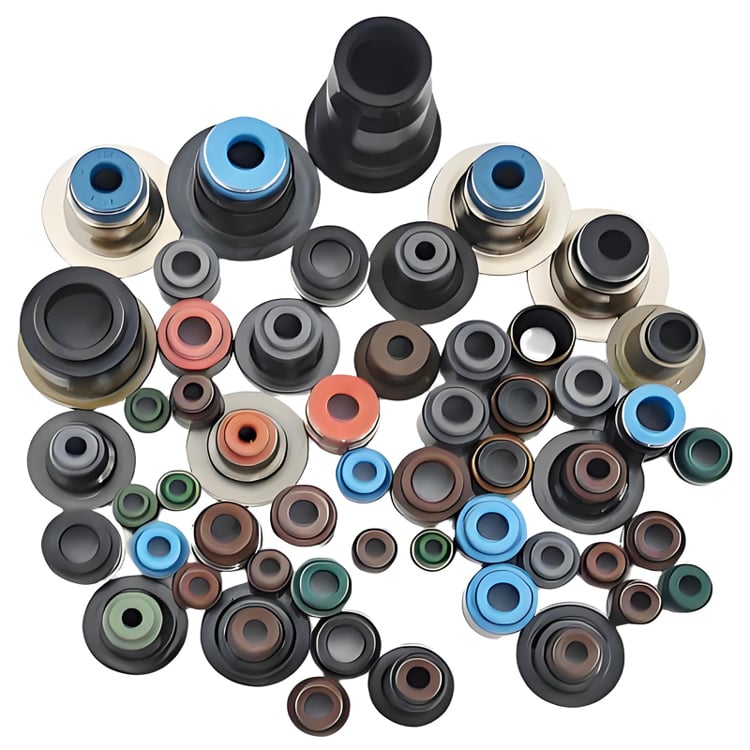
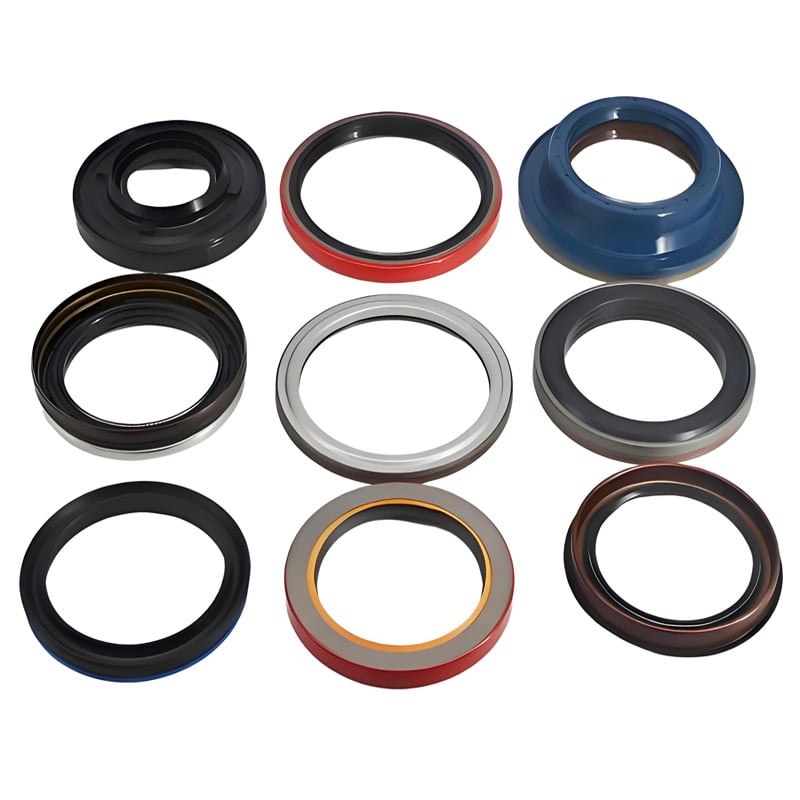
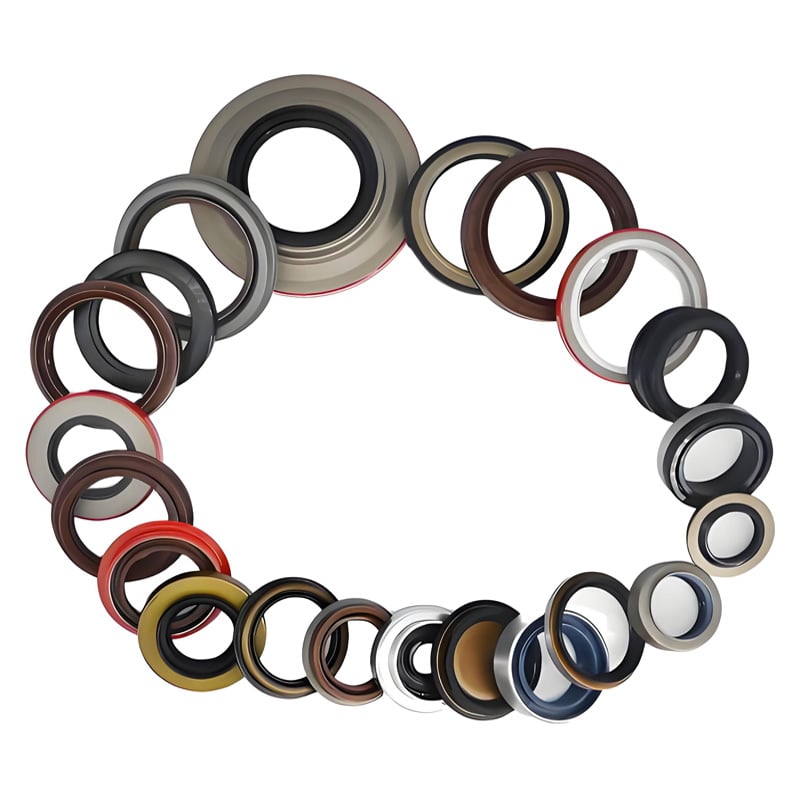
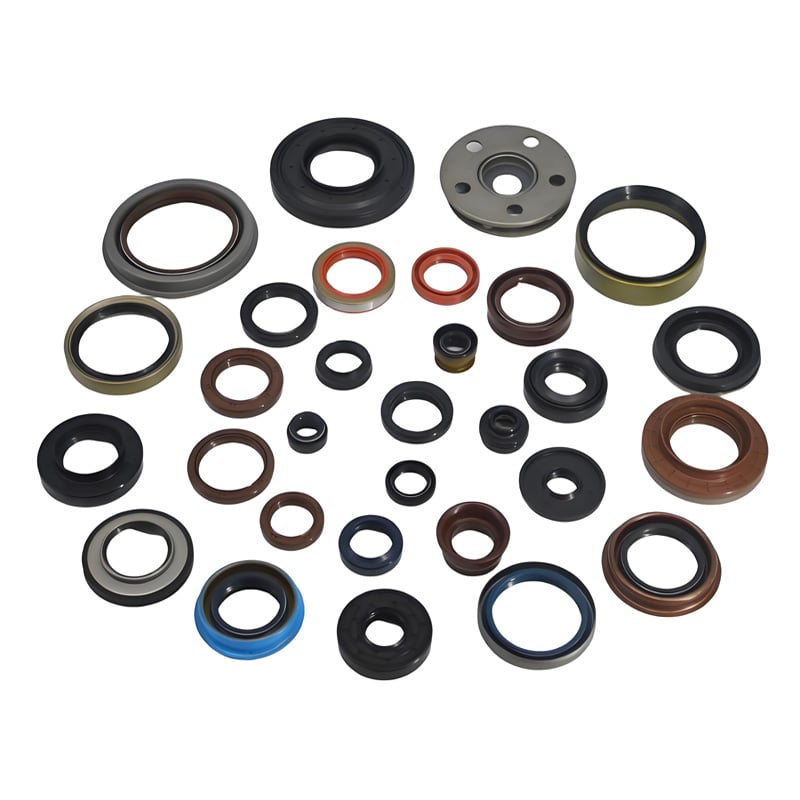
transmission oil seal
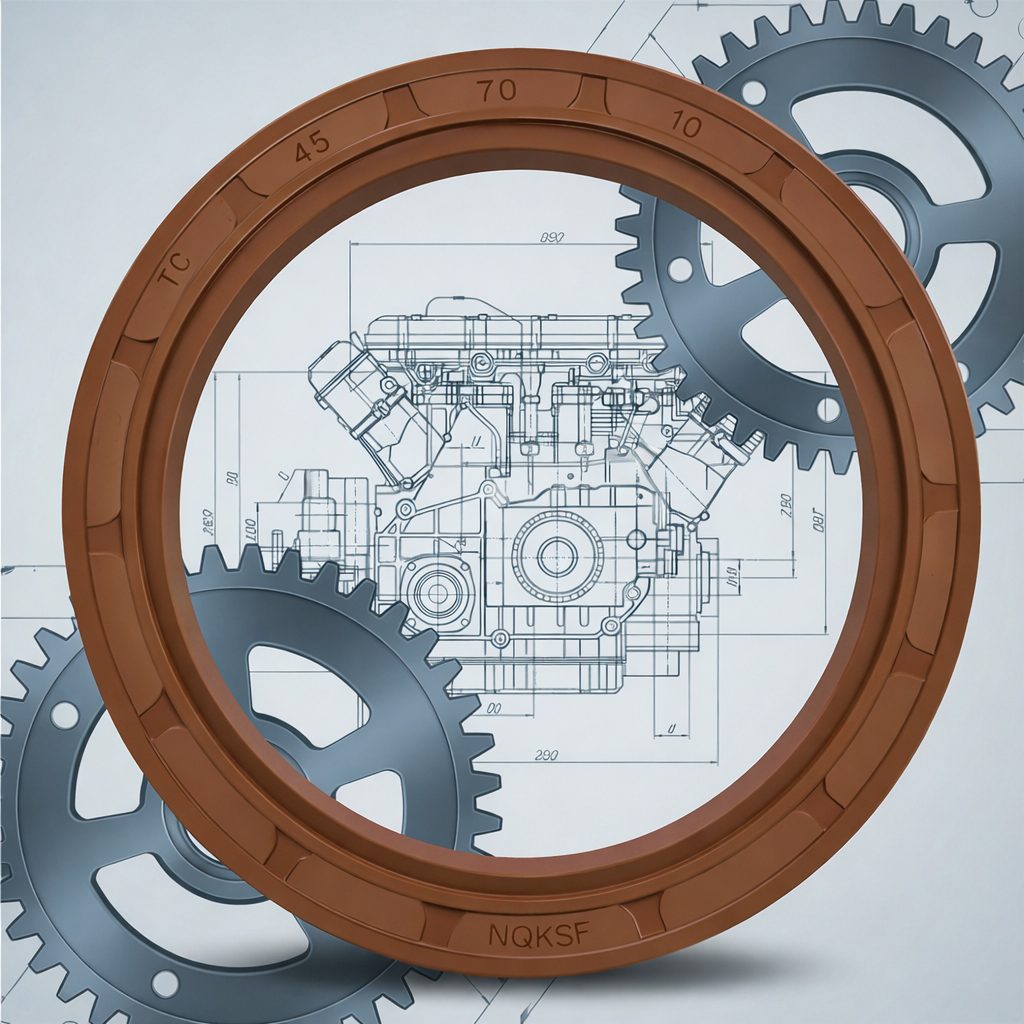
A transmission oil seal is a critical component designed to prevent fluid leakage from transmission systems while maintaining optimal performance under demanding conditions. This essential seal functions as a barrier between moving and stationary parts, containing pressurized transmission fluid within the transmission housing. The transmission oil seal operates by creating a tight seal that accommodates shaft rotation while preventing oil escape, which could lead to mechanical failure and reduced efficiency.
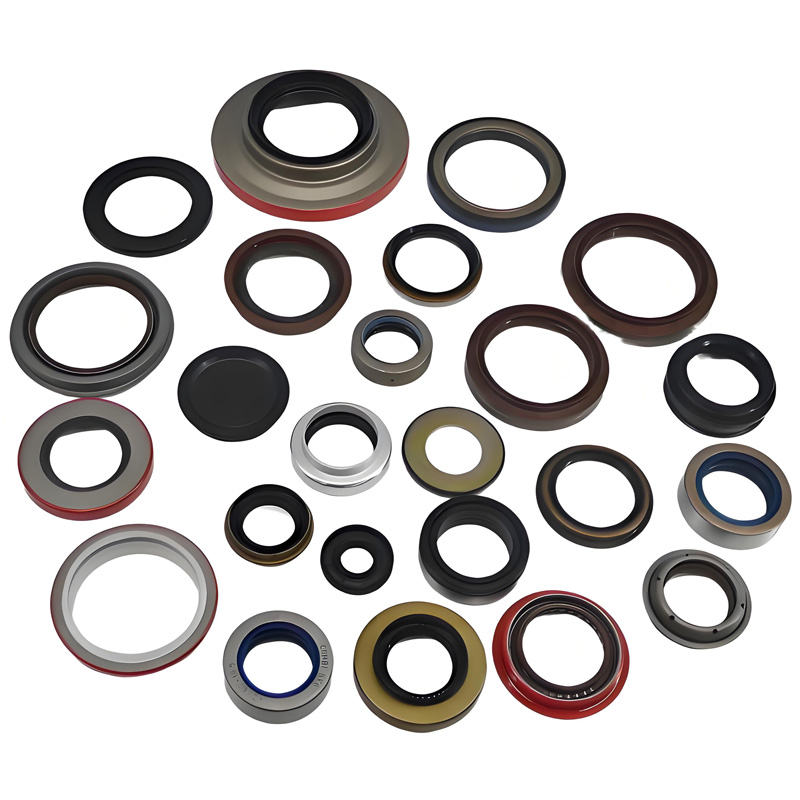
Modern transmission oil seals feature advanced technological innovations including elastomeric materials that withstand extreme temperatures and pressures. These seals incorporate precision engineering to maintain consistent contact with rotating shafts, ensuring reliable performance throughout the transmission's operational life. The transmission oil seal design accommodates various shaft speeds and fluid types, adapting to both conventional and synthetic transmission oils.
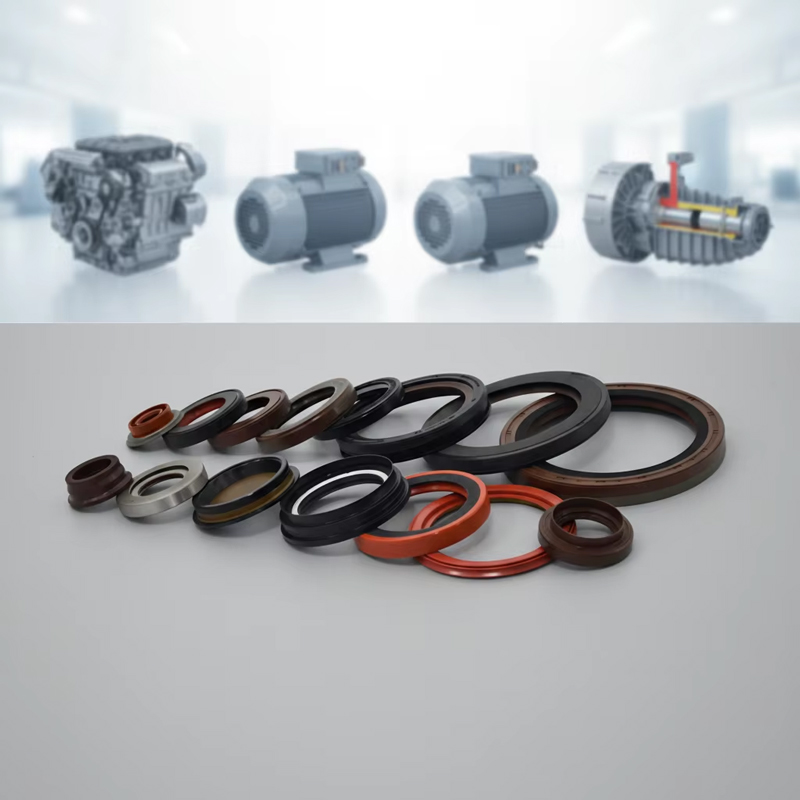
Applications for transmission oil seals span across automotive, industrial, and commercial sectors. Vehicles rely on transmission oil seals to maintain transmission fluid integrity, preventing leaks that compromise gear lubrication and overall drivetrain performance. Industrial machinery utilizes transmission oil seals in gearboxes and power transmission systems. Heavy-duty trucks, passenger vehicles, and specialized equipment all depend on quality transmission oil seal installation for reliable operation and extended service life, making them indispensable components in modern mechanical systems.

 EN
EN