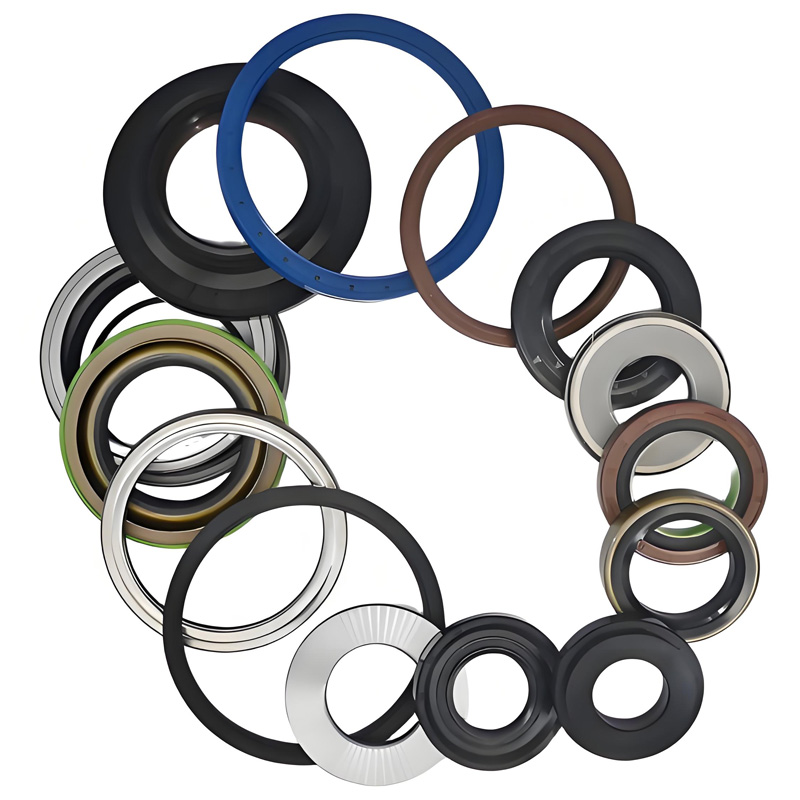
car oil seals
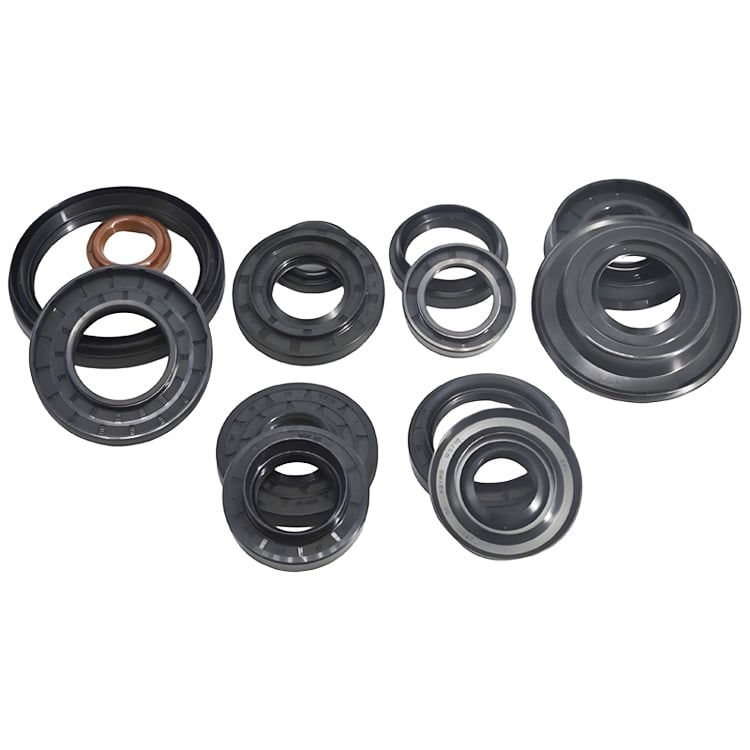
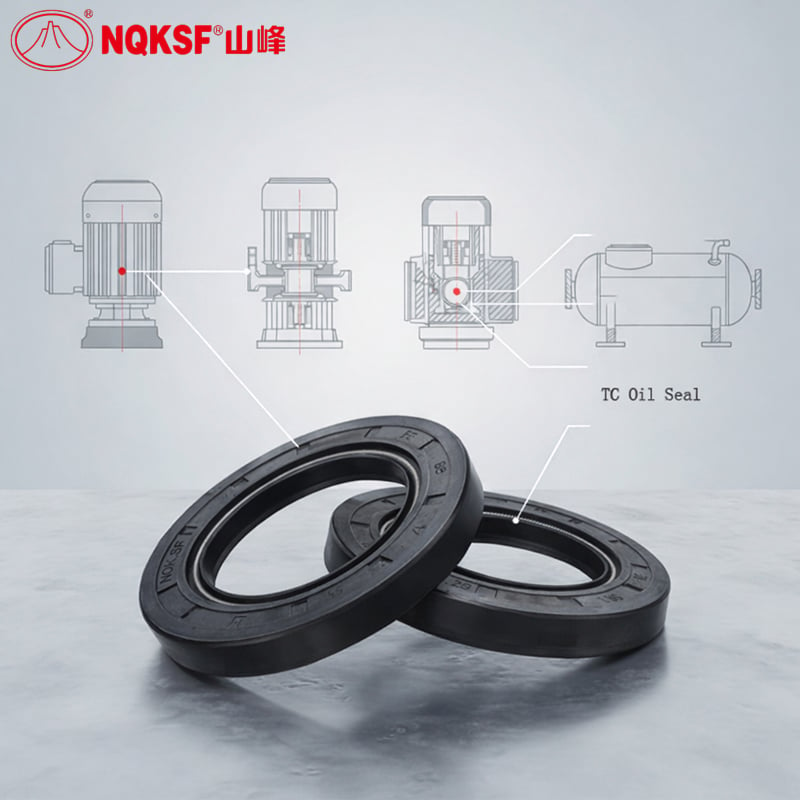
Car oil seals are essential components designed to prevent oil leakage and maintain optimal engine performance. These precision-engineered devices create a barrier between rotating and stationary parts within your vehicle's engine, effectively containing lubricating oil where it belongs. Understanding car oil seals helps vehicle owners appreciate their critical role in engine longevity and reliability.
The primary function of car oil seals is to prevent oil from escaping engine compartments while blocking contaminants from entering. They work by creating a tight seal around engine shafts and housings, maintaining proper oil pressure and circulation. Car oil seals operate under extreme temperature and pressure conditions, requiring durable materials and precise manufacturing standards.
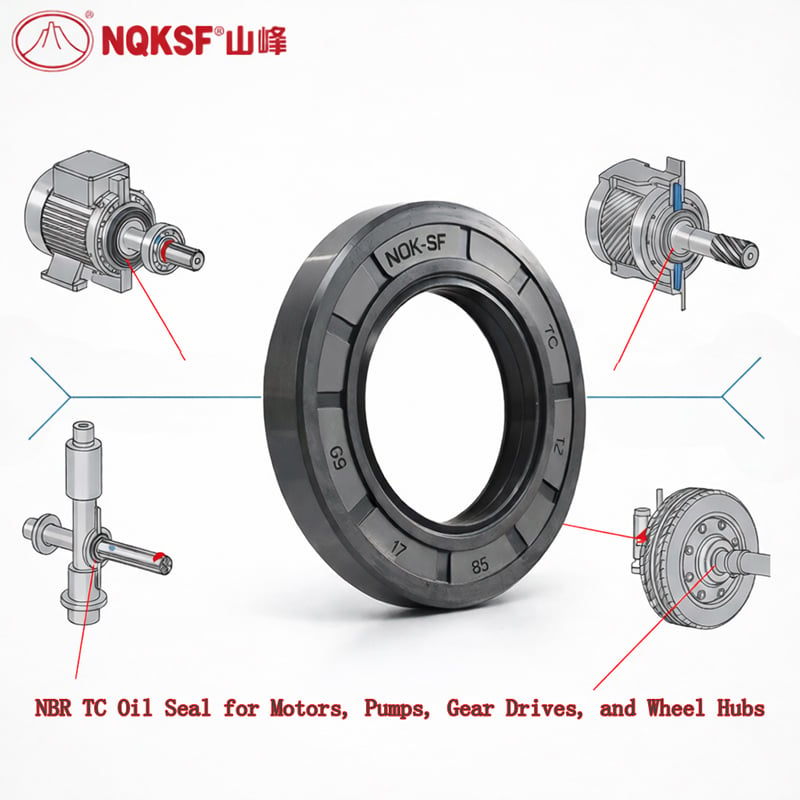
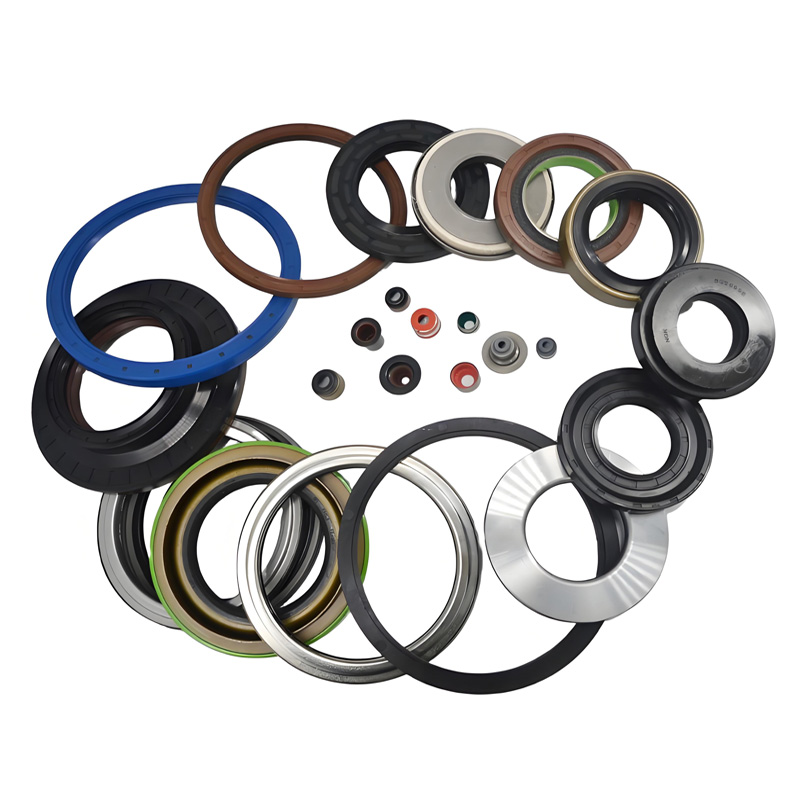
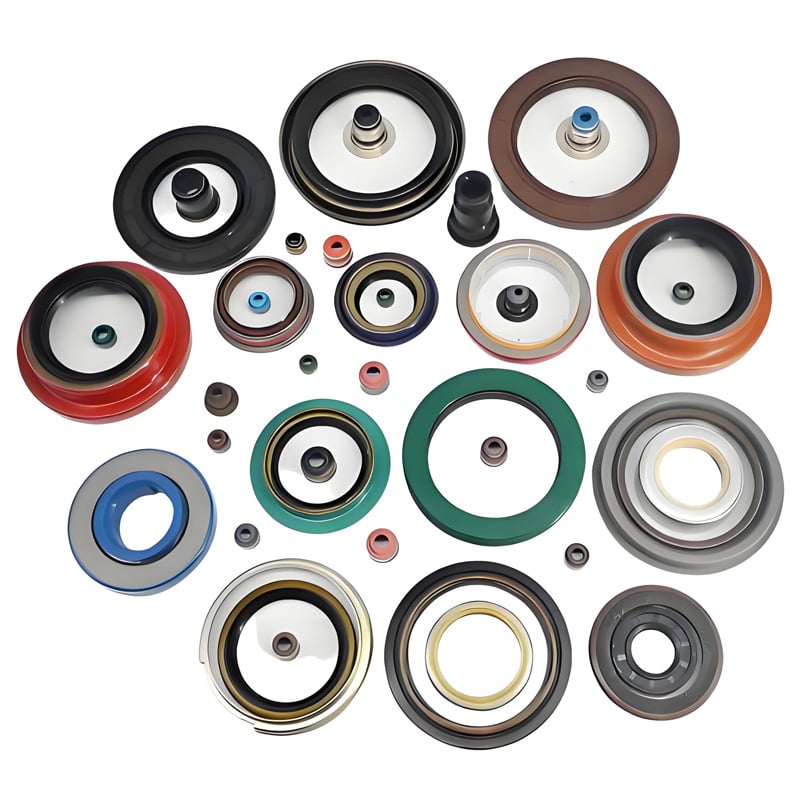
Modern car oil seals feature advanced technological innovations. They utilize high-grade elastomeric materials combined with metal reinforcement rings, providing superior durability and performance. The double-lip design of contemporary car oil seals offers enhanced protection against dust and moisture intrusion. Precision manufacturing ensures tight tolerances, reducing internal friction and improving fuel efficiency.
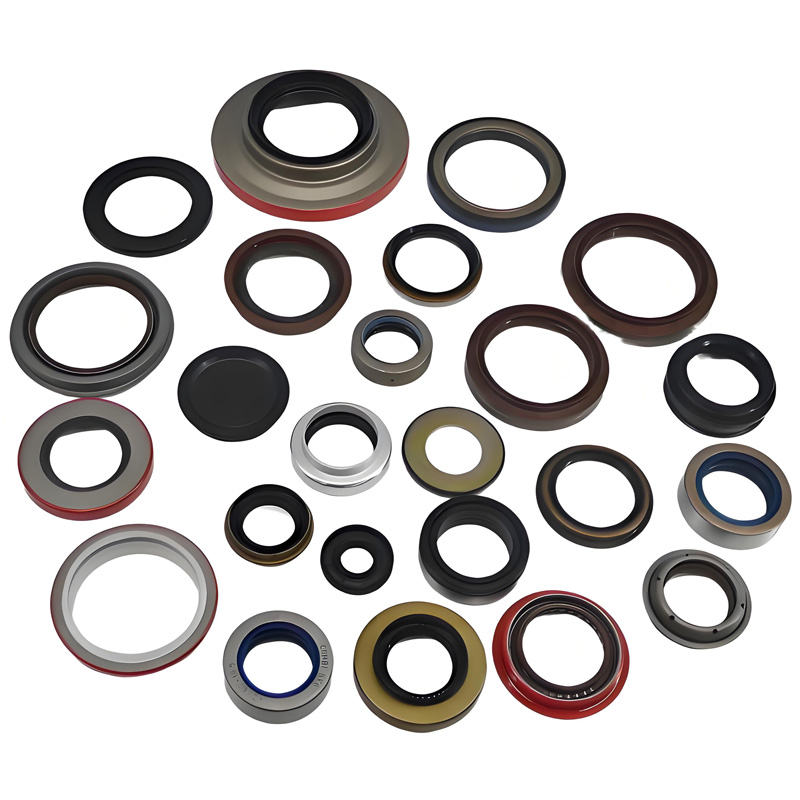
Car oil seals find applications throughout vehicle engines. They protect crankshaft ends, camshaft journals, and transmission housings. Different engine types require specifically designed car oil seals tailored to their unique specifications. Regular inspection of car oil seals helps prevent catastrophic engine damage and expensive repairs. Whether in passenger vehicles, trucks, or industrial equipment, quality car oil seals remain indispensable for reliable engine operation and extended service life.

 EN
EN