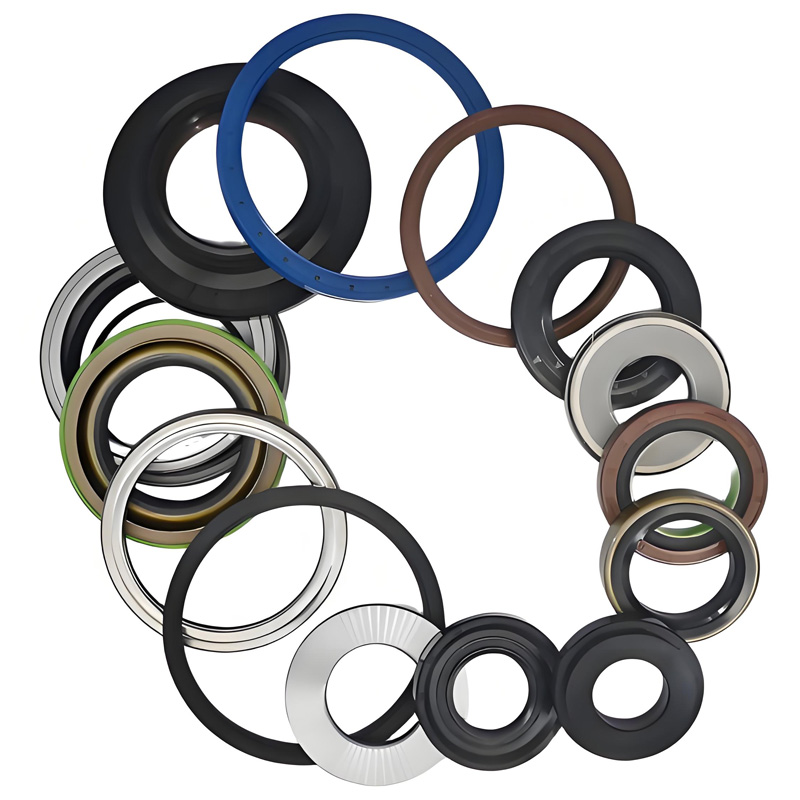
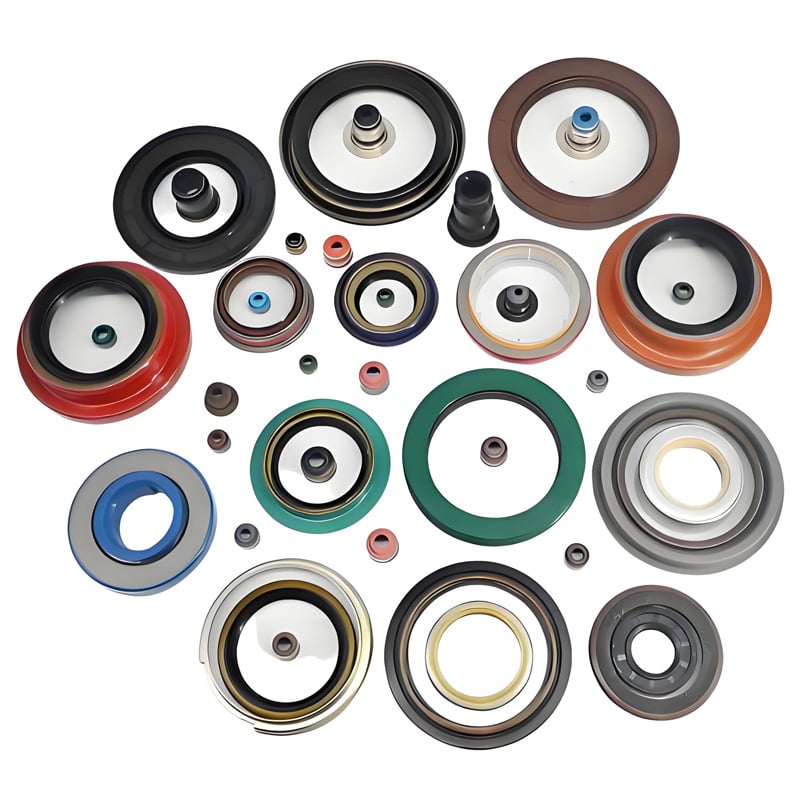
automotive oil seal
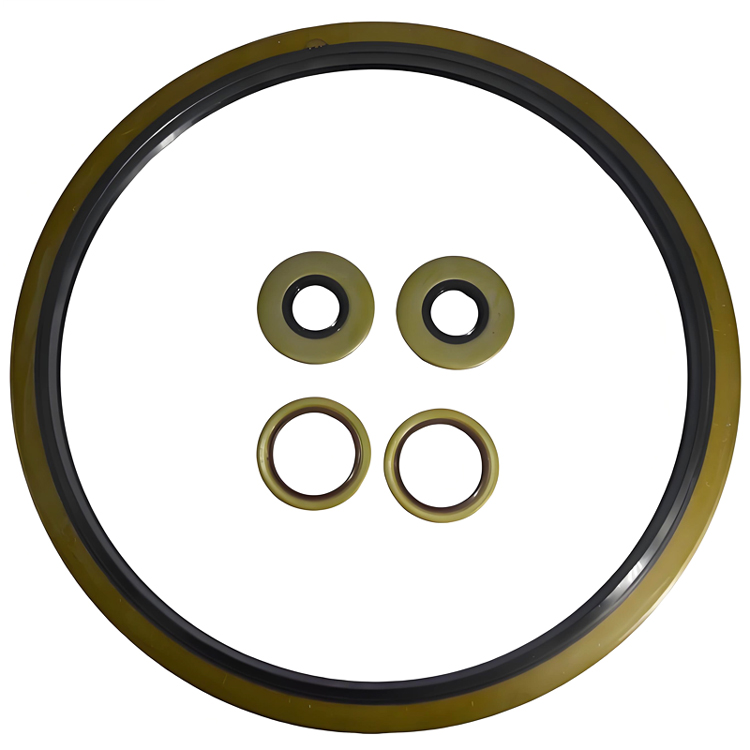
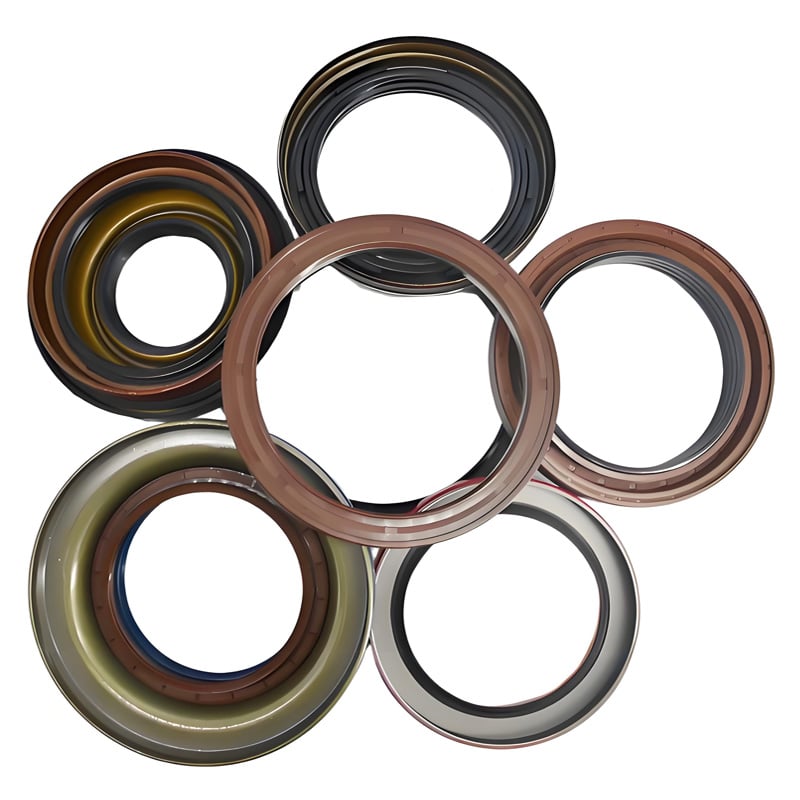
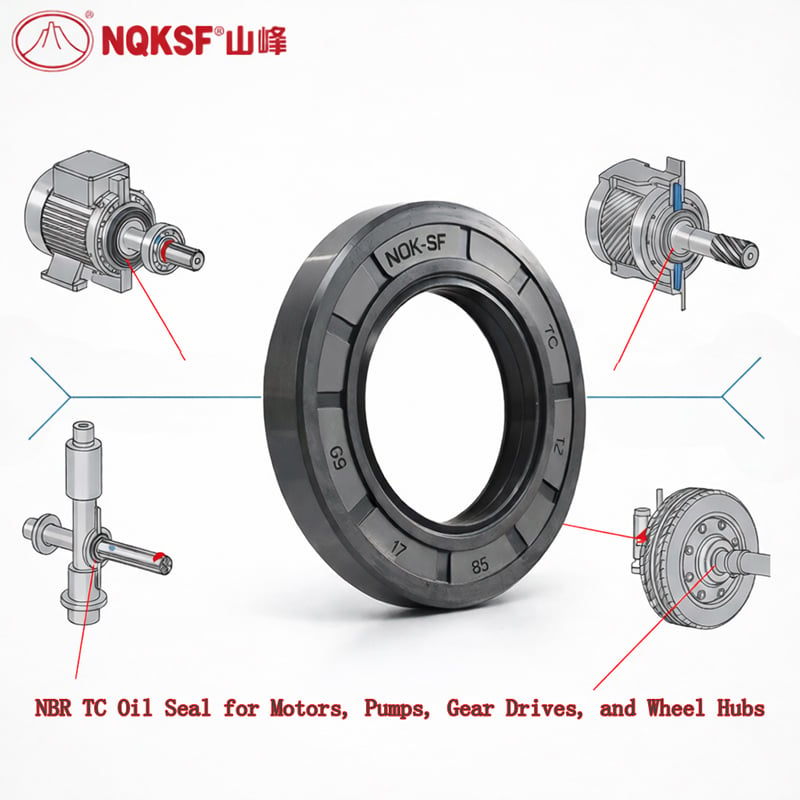
An automotive oil seal is a critical component designed to prevent oil leakage from engines and transmissions while maintaining optimal performance under demanding conditions. This precision-engineered automotive oil seal serves as a barrier between rotating and stationary parts, containing lubricating fluids and protecting internal mechanisms from external contaminants.
The primary function of an automotive oil seal is to maintain fluid containment within engine compartments. By creating an effective seal around shaft surfaces, the automotive oil seal prevents precious engine oil from escaping, which would result in inadequate lubrication and potential engine damage. Simultaneously, it blocks dirt, water, and debris from entering critical engine areas.
Modern automotive oil seal technology incorporates advanced materials including elastomeric compounds and reinforced metal springs. These components work together to withstand extreme temperatures, high rotational speeds, and substantial pressure variations. The spring mechanism maintains consistent contact with the shaft, ensuring reliable sealing performance throughout the automotive oil seal's operational lifespan.
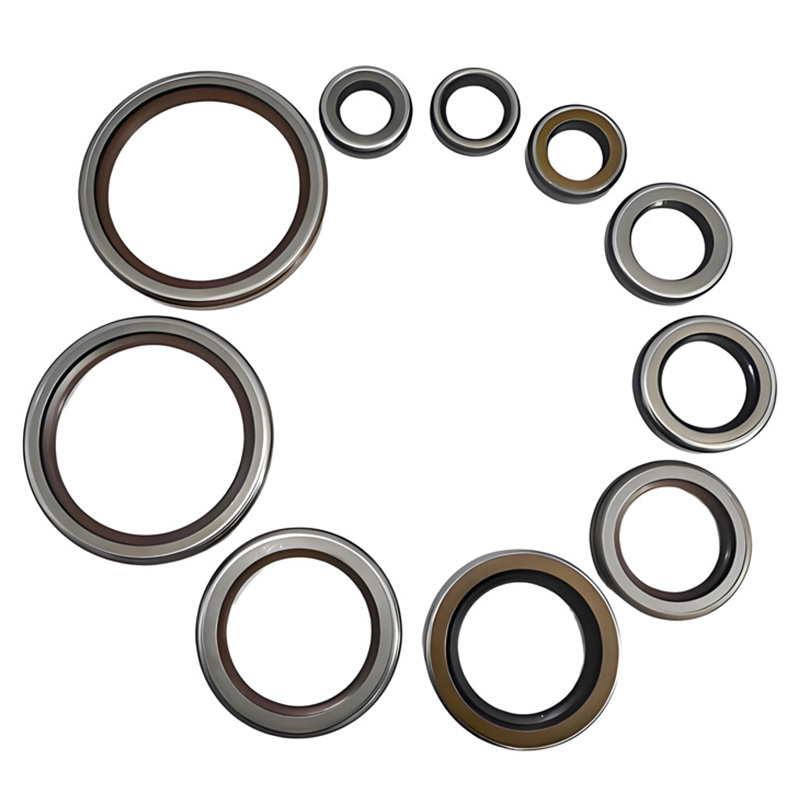
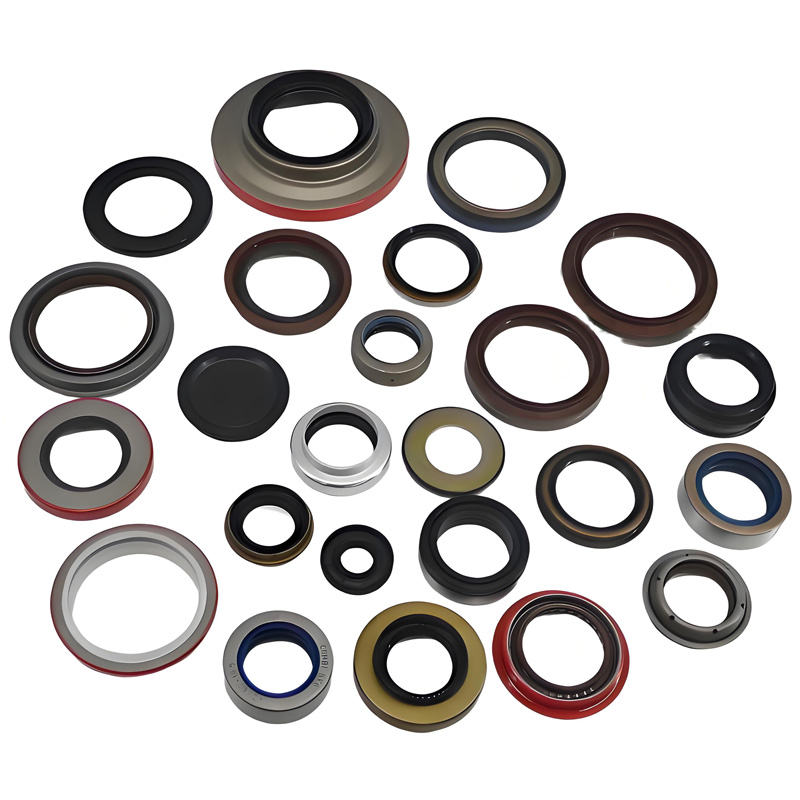
Applications for the automotive oil seal span virtually all vehicle types, including passenger cars, trucks, and heavy equipment. Whether protecting crankshaft locations, transmission housings, or differential assemblies, the automotive oil seal proves essential for engine reliability. Different vehicle models require specific automotive oil seal designs tailored to their particular shaft dimensions and operating environments, ensuring compatibility and performance across diverse automotive applications.

 EN
EN