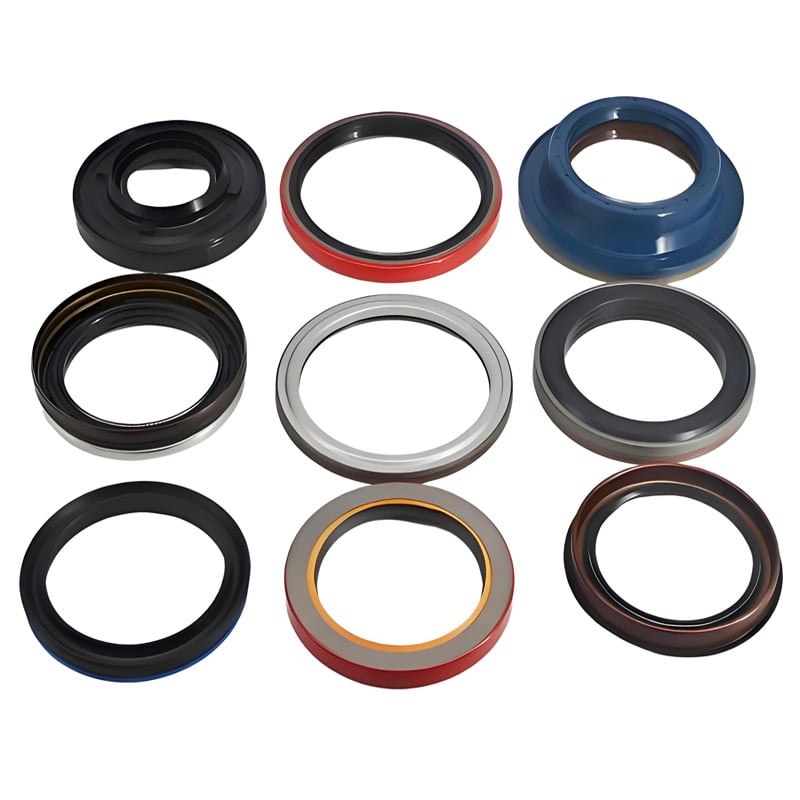
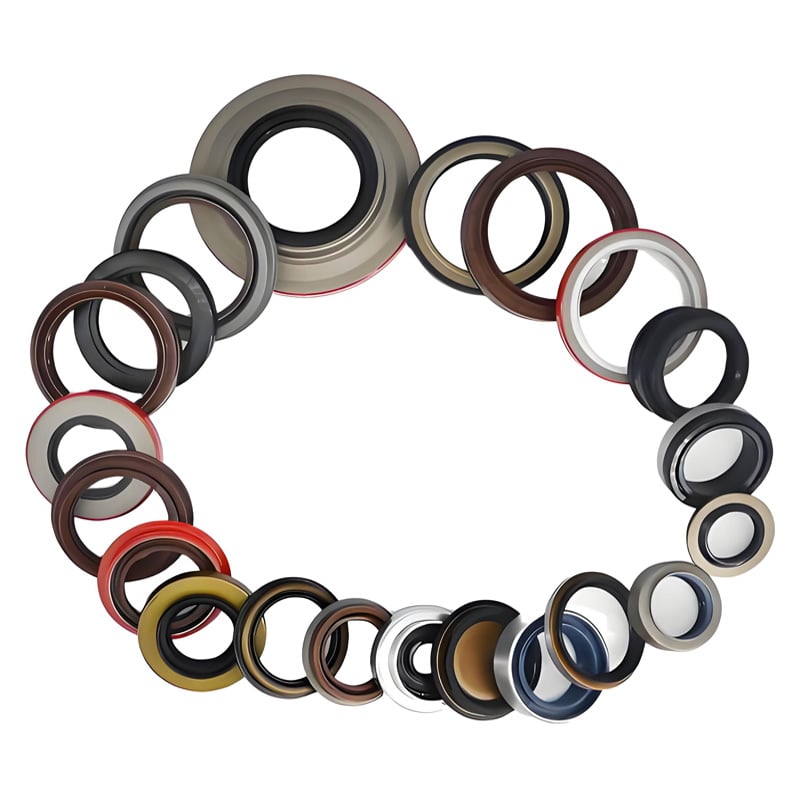
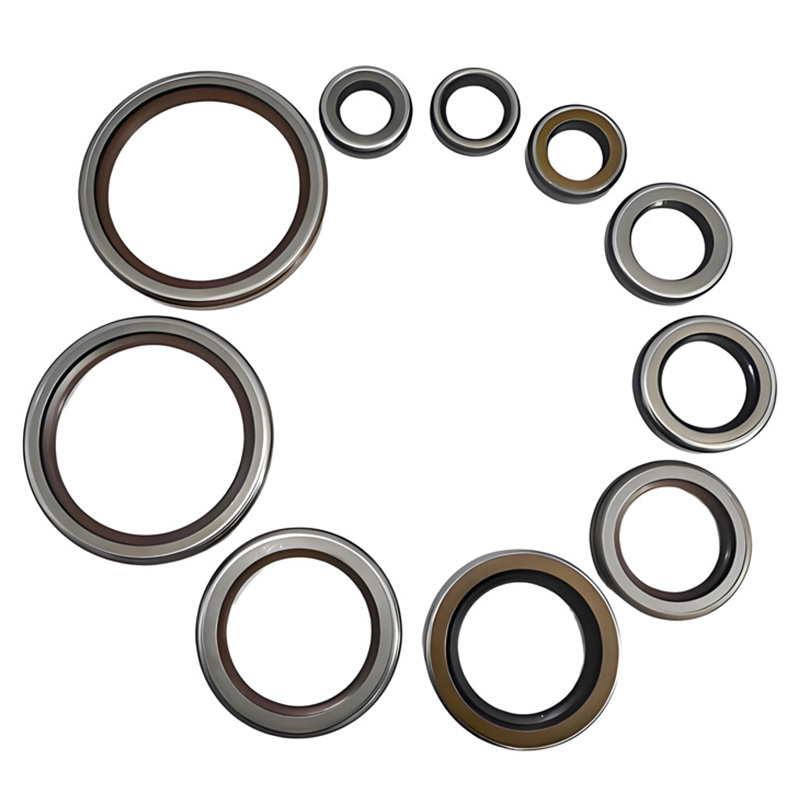
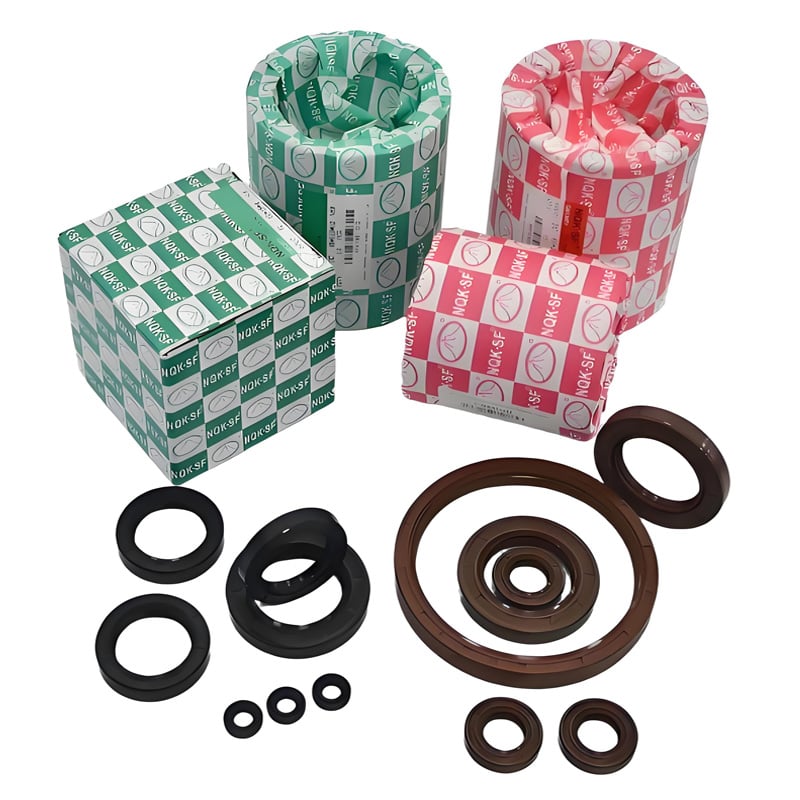
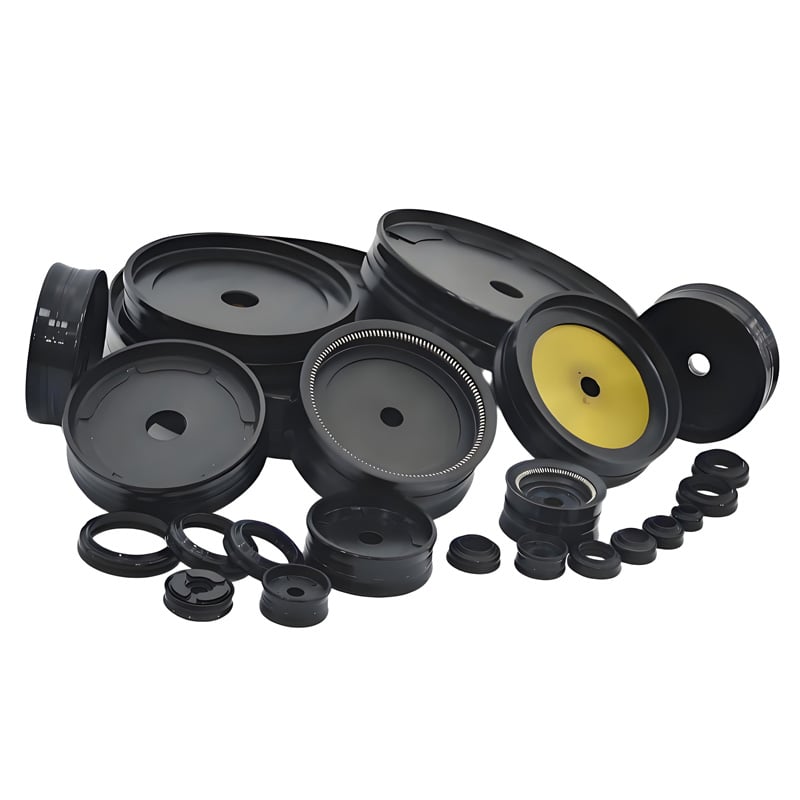
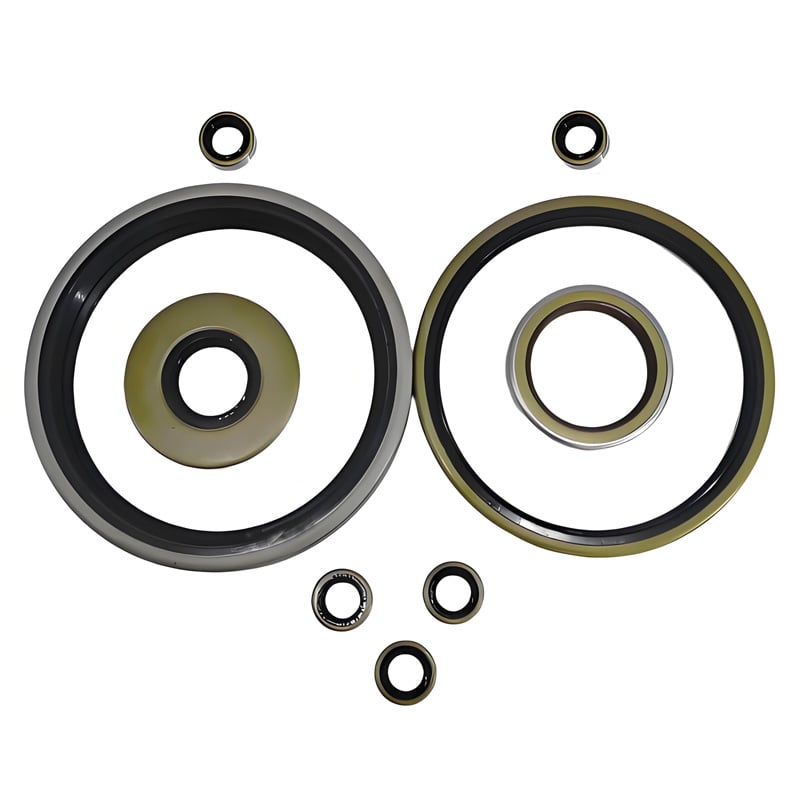
bonded seals
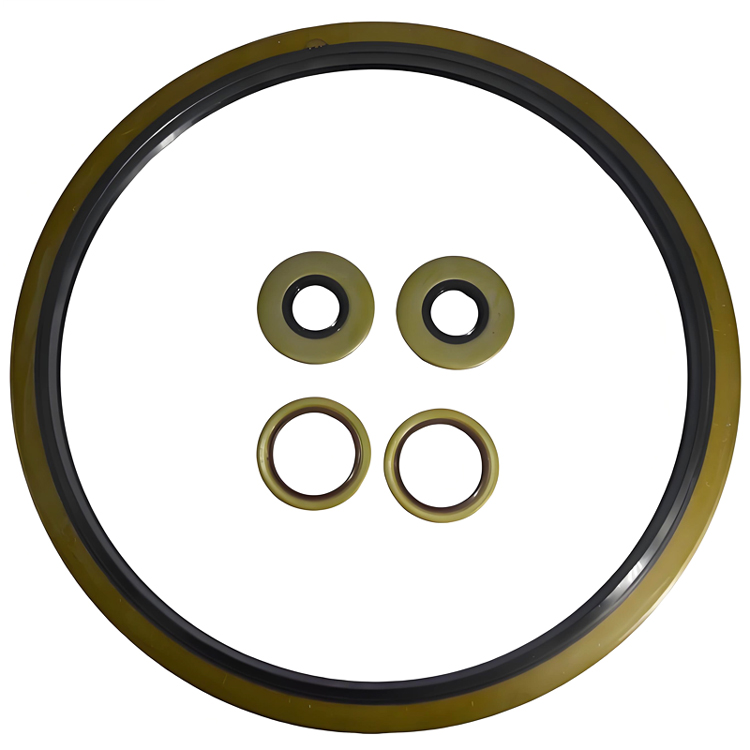
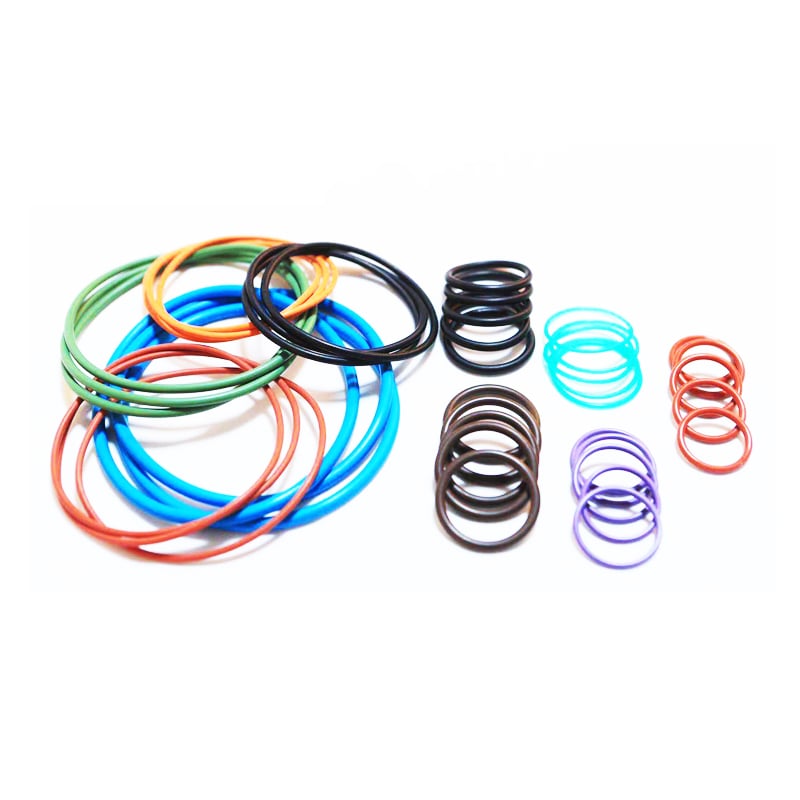
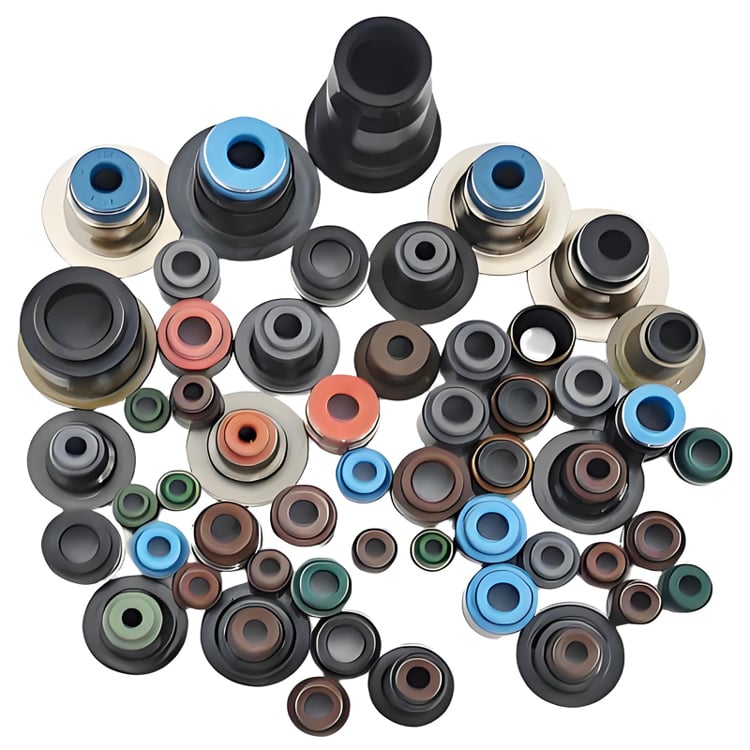
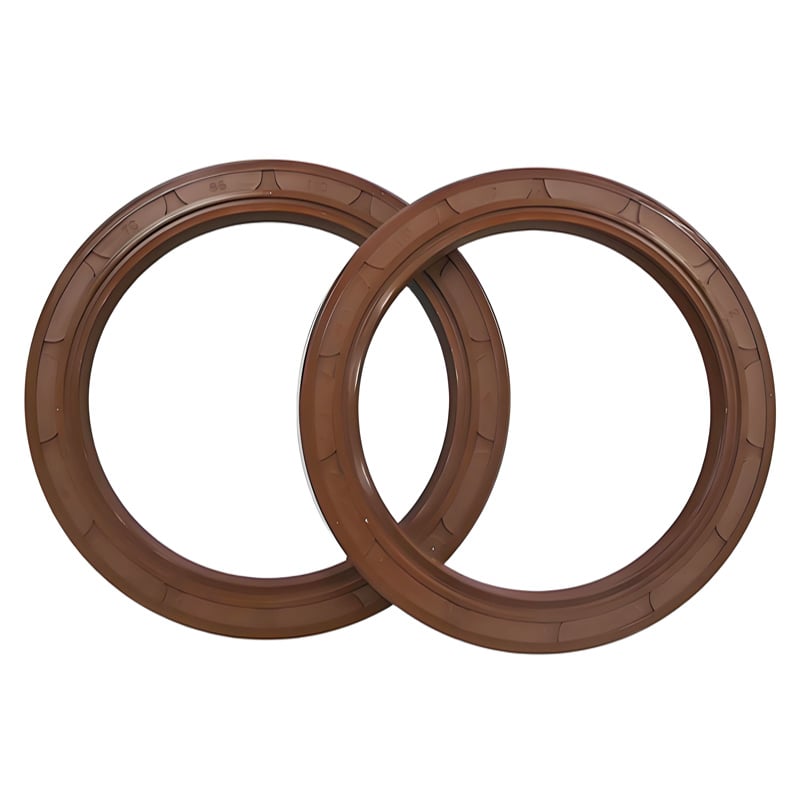
Bonded seals represent a critical component in modern hydraulic and pneumatic systems, delivering reliable fluid containment and pressure management across diverse industrial applications. These bonded seals combine metal and elastomer materials, creating a unified unit that eliminates traditional multi-component assembly requirements. The primary function of bonded seals involves creating a hermetic seal between surfaces, preventing fluid leakage while maintaining system integrity under extreme conditions. Bonded seals excel in high-pressure environments, withstanding temperatures ranging from minus forty to three hundred degrees Fahrenheit, making them ideal for aerospace, automotive, and manufacturing sectors. The technological features of bonded seals include advanced elastomer formulations that resist chemical degradation and mechanical wear. Metal backing provides structural support, ensuring the bonded seals maintain their shape and sealing capacity during extended operational cycles. Modern bonded seals incorporate precision engineering that enables them to function effectively in compact spaces where conventional sealing solutions prove impractical. The applications span numerous industries, from jet engine assemblies to hydraulic brake systems and industrial machinery. Bonded seals perform exceptionally in static sealing applications, though specialized designs accommodate dynamic requirements. Their versatility extends to various fluid types, including oils, fuels, and refrigerants, without compromising performance. Quality manufacturing processes ensure consistent bonded seals performance, reducing system downtime and maintenance costs. Engineers favor bonded seals for their straightforward installation procedures and compatibility with standard port configurations. The cost-effectiveness of bonded seals relative to alternative sealing technologies makes them increasingly popular among design teams optimizing production expenses while maintaining reliability standards.

 EN
EN