High-Performance Bonded Seals - Advanced Sealing Solutions for Industrial Applications

All Categories

bonded seals

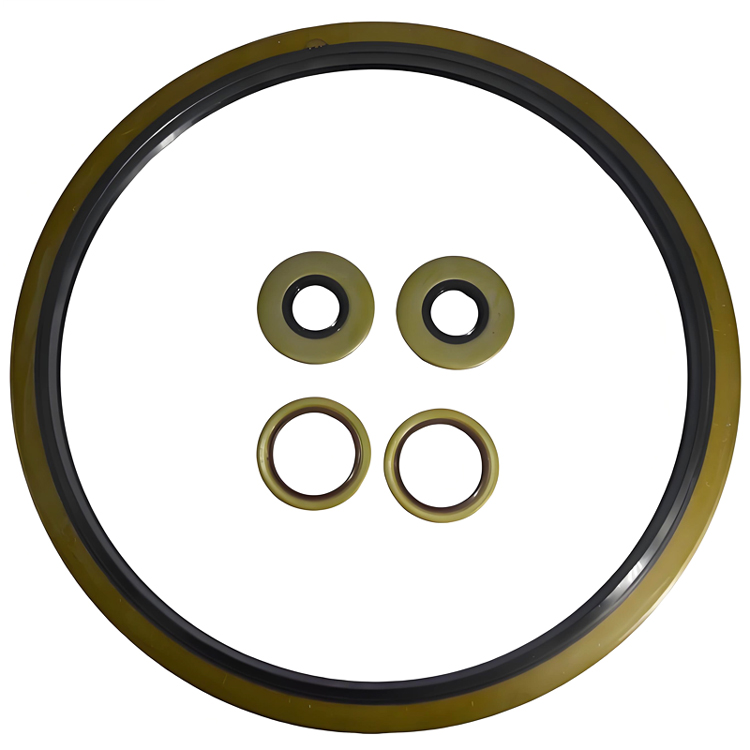
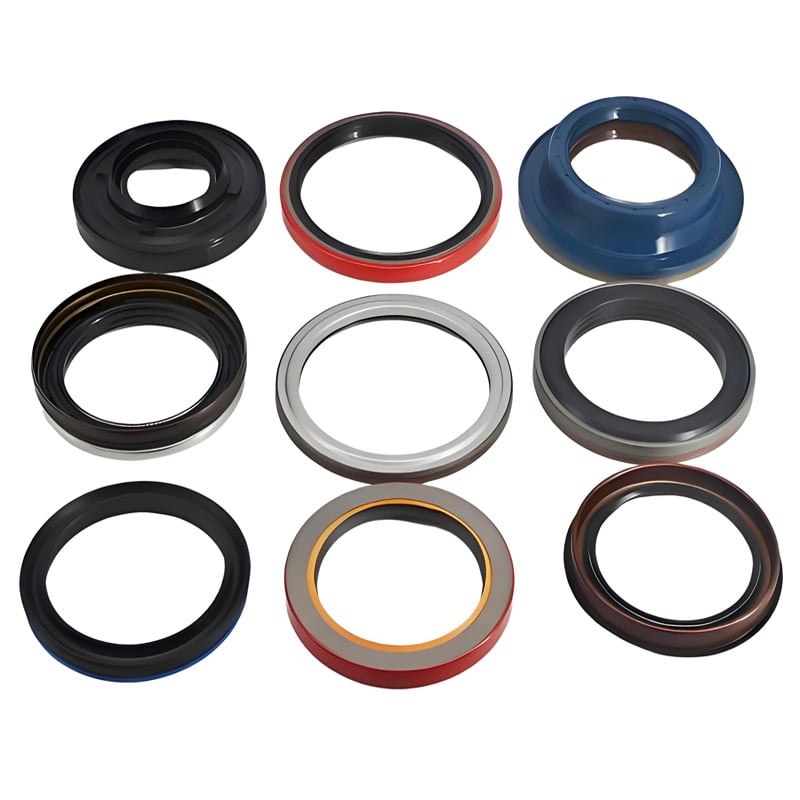
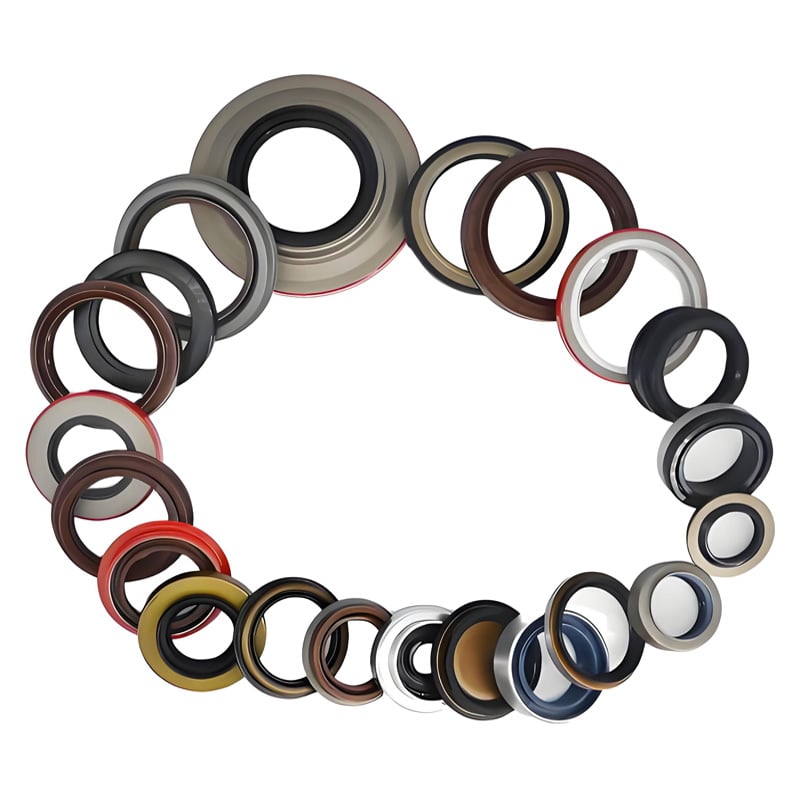
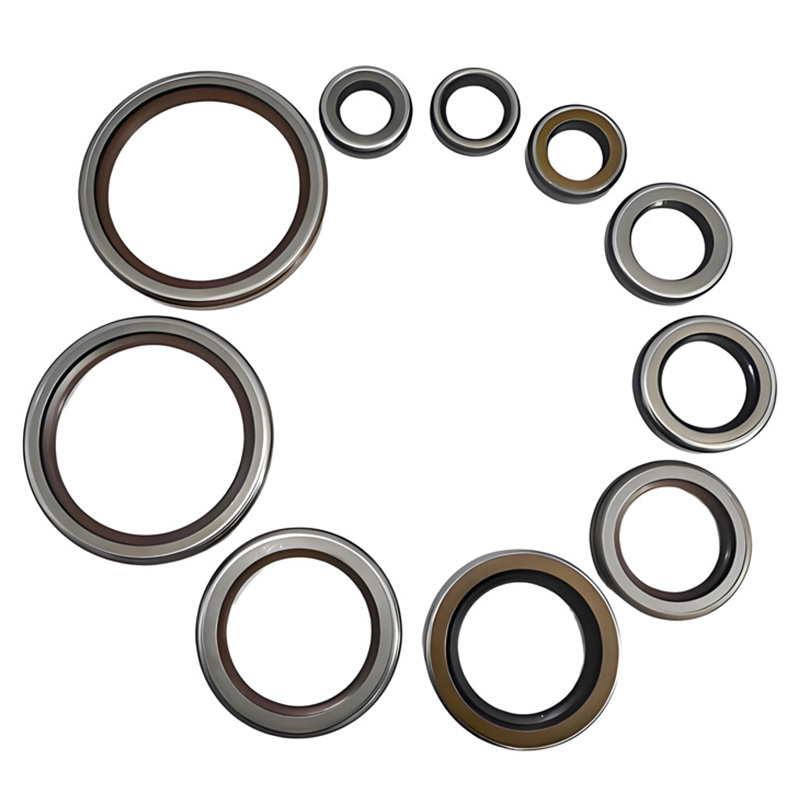
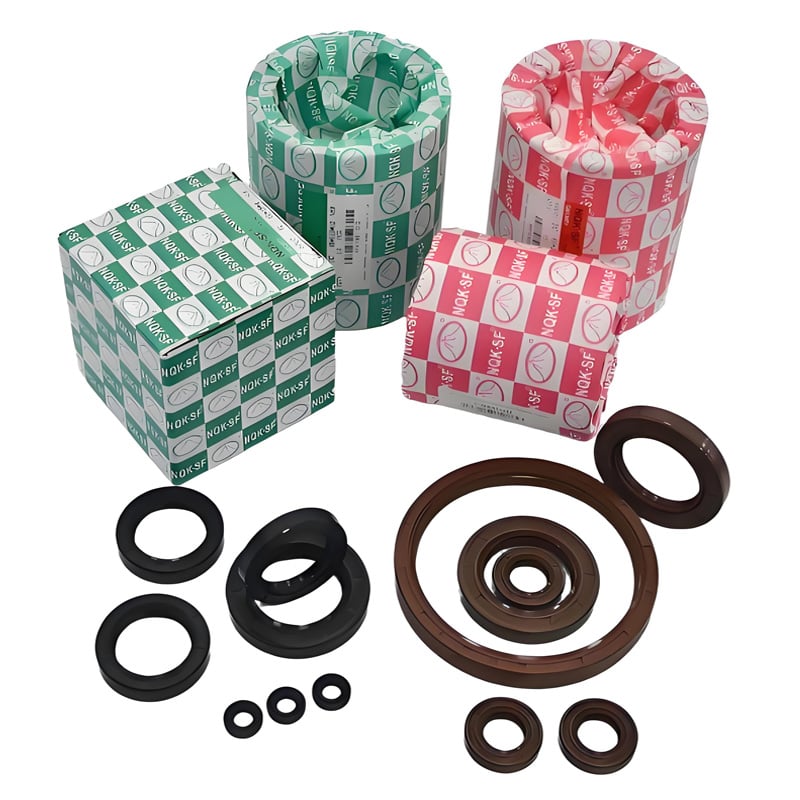
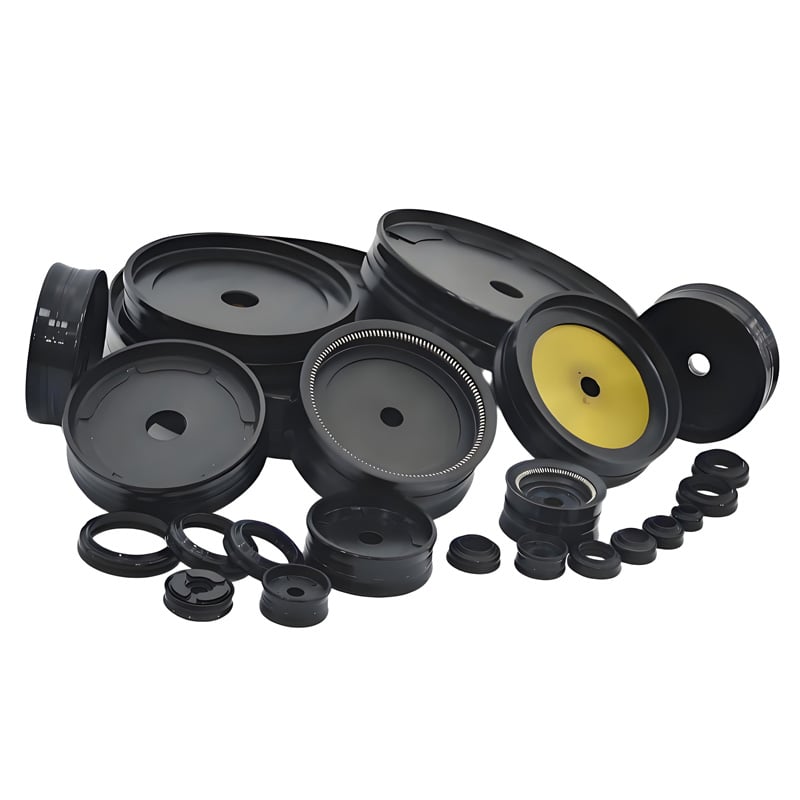
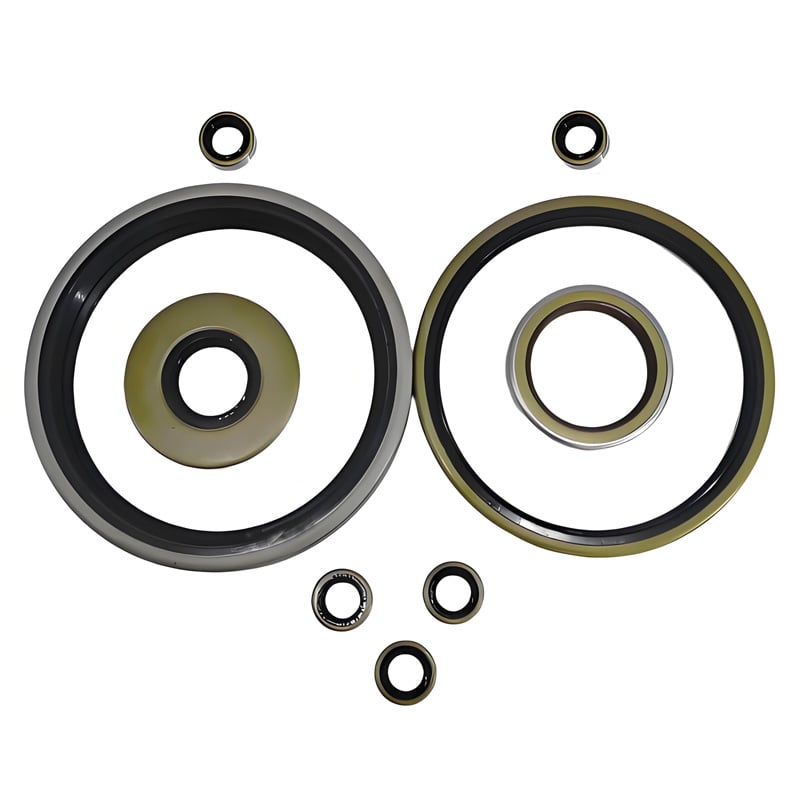
Bonded seals represent a revolutionary advancement in sealing technology, combining the superior sealing capabilities of O-rings with the enhanced functionality of backup rings or washers. These innovative sealing solutions consist of an elastomeric sealing element that is permanently bonded to a rigid metallic or thermoplastic carrier, creating a single, integrated component that delivers exceptional performance across diverse industrial applications. The primary function of bonded seals involves preventing fluid leakage while maintaining system pressure integrity in hydraulic, pneumatic, and mechanical assemblies. Unlike traditional separate sealing components, bonded seals eliminate the risk of component displacement during installation and operation, ensuring consistent sealing performance throughout the equipment's operational lifecycle. The technological features of bonded seals include precision-engineered geometric profiles that optimize contact pressure distribution, advanced elastomeric compounds that resist chemical degradation and temperature extremes, and robust bonding processes that ensure permanent adhesion between sealing and carrier elements. These seals effectively address common sealing challenges such as spiral failure, nibbling damage, and installation errors that frequently occur with conventional sealing methods. Applications for bonded seals span numerous industries including automotive manufacturing, aerospace engineering, hydraulic equipment, pneumatic systems, oil and gas exploration, marine equipment, and industrial machinery. In hydraulic applications, bonded seals provide reliable sealing for cylinders, valves, and pumps operating under high pressure conditions. Automotive applications utilize these seals in transmission systems, brake assemblies, and engine components where consistent sealing performance is critical for safety and reliability. The aerospace industry relies on bonded seals for landing gear systems, flight control mechanisms, and fuel system components where failure is not an option.

New Product Releases

Bonded seals offer significant advantages that make them the preferred choice for demanding sealing applications across multiple industries. The primary benefit stems from their integrated design, which eliminates the complexity of managing separate sealing components during assembly processes. This integration reduces installation time by up to sixty percent compared to traditional multi-component sealing systems, directly translating to lower labor costs and improved production efficiency. The permanent bond between the elastomeric seal and carrier prevents component separation, eliminating costly equipment downtime caused by seal displacement or misalignment during operation. Enhanced reliability represents another crucial advantage, as bonded seals maintain consistent sealing performance even under extreme operating conditions including high pressures, temperature fluctuations, and aggressive chemical environments. The rigid carrier provides structural support that prevents seal extrusion and deformation, extending service life significantly beyond conventional O-ring applications. This extended service life reduces maintenance requirements and replacement costs, providing substantial long-term savings for equipment operators. Bonded seals also deliver superior contamination resistance due to their streamlined profile, which minimizes areas where debris can accumulate and compromise sealing effectiveness. The precision manufacturing process ensures dimensional consistency across production batches, guaranteeing reliable fit and function in critical applications. Installation errors become virtually impossible with bonded seals since the integrated design eliminates the possibility of installing components incorrectly or in the wrong sequence. This foolproof installation characteristic is particularly valuable in high-volume manufacturing environments where consistency and quality control are paramount. Additionally, bonded seals provide excellent chemical compatibility through careful selection of elastomeric compounds and carrier materials, ensuring optimal performance in specific application environments. The compact design of bonded seals allows for smaller groove dimensions compared to traditional sealing arrangements, enabling more compact equipment designs and weight reductions that are especially important in aerospace and automotive applications.

Latest News

Which Industries Benefit Most from Hydraulic Oil Seals?

27

Nov

Which Industries Benefit Most from Hydraulic Oil Seals?

In today's industrial landscape, hydraulic oil seals serve as critical components that ensure optimal performance and longevity of hydraulic systems across numerous sectors. These specialized sealing solutions prevent fluid leakage, maintain system p...
View More
What Should Buyers Inspect When Selecting a Double Lip Shaft Oil Seal?

06

Jan

What Should Buyers Inspect When Selecting a Double Lip Shaft Oil Seal?

When selecting a double lip shaft oil seal for industrial applications, buyers must evaluate numerous critical factors that directly impact equipment performance and longevity. These specialized rubber oil seal components serve as the primary barrier...
View More
Which Sealing Ring Specifications Matter for Industrial Applications?

06

Jan

Which Sealing Ring Specifications Matter for Industrial Applications?

Industrial sealing applications demand precise attention to ring specification details that directly impact operational efficiency and system reliability. Understanding the critical parameters that define effective sealing performance helps engineers...
View More
How to Choose the Right O Ring for Industrial Equipment?

22

Apr

How to Choose the Right O Ring for Industrial Equipment?

Selecting the appropriate o ring for industrial equipment requires careful consideration of multiple technical factors that directly impact system performance and operational reliability. The wrong o ring choice can lead to catastrophic seal failure,...
View More

Get a Free Quote

Our representative will contact you soon.
Email
Telephone
Name
Company Name
Message
0/1000

bonded seals

Superior Installation Reliability and Efficiency

Superior Installation Reliability and Efficiency

The installation advantages of bonded seals represent a game-changing benefit for manufacturers and maintenance professionals across all industries. Traditional sealing systems require careful handling of multiple components, precise positioning, and sequential installation procedures that are prone to human error and time-consuming assembly processes. Bonded seals eliminate these complications through their innovative integrated design, where the elastomeric sealing element remains permanently attached to its carrier throughout the entire installation process. This integration means technicians handle a single component instead of managing separate O-rings, backup rings, and washers that can easily be dropped, misaligned, or installed in incorrect orientations. The time savings are substantial, with typical installation procedures reduced from several minutes to mere seconds, allowing production lines to maintain higher throughput rates and reducing labor costs significantly. The foolproof nature of bonded seal installation eliminates the training requirements associated with complex sealing procedures, as workers cannot install the seal incorrectly due to its self-contained design. Quality control benefits extend beyond speed improvements, as the integrated construction prevents the assembly errors that frequently occur with multi-component systems, such as twisted O-rings, improperly seated backup rings, or missing sealing elements. This reliability is particularly crucial in high-volume manufacturing environments where even small error rates can result in significant warranty claims and customer satisfaction issues. Maintenance operations also benefit dramatically from bonded seals, as replacement procedures become straightforward and require minimal specialized knowledge or tools. Field service technicians can perform seal replacements more efficiently, reducing equipment downtime and service call duration. The consistent installation quality achieved with bonded seals translates to more predictable equipment performance and extended service intervals, providing additional value beyond the immediate installation benefits.
Exceptional Durability and Extended Service Life

Exceptional Durability and Extended Service Life

The durability advantages of bonded seals stem from their sophisticated engineering approach that addresses the primary failure modes affecting conventional sealing systems. Traditional O-ring installations are susceptible to extrusion damage when operating pressures exceed the elastic limit of the sealing material, leading to progressive seal degradation and eventual failure. Bonded seals solve this fundamental problem through their rigid carrier design, which provides structural support that prevents seal deformation even under extreme pressure conditions. This support mechanism allows bonded seals to operate reliably at pressures that would destroy conventional sealing arrangements, extending their useful service life by three to five times in high-pressure applications. The permanent bond between sealing element and carrier eliminates another common failure mode known as spiral failure, where traditional backup rings can rotate and create leak paths during dynamic operations. Temperature cycling represents another durability challenge that bonded seals address effectively through their integrated construction, as the thermal expansion coefficients of sealing and carrier materials are carefully matched during the design process. This material compatibility prevents bond stress and separation that could occur with mismatched thermal properties, ensuring seal integrity across wide temperature ranges. Chemical resistance is enhanced through the protective effect of the carrier material, which shields the elastomeric element from direct contact with aggressive fluids while maintaining effective sealing contact. The precision manufacturing processes used in bonded seal production ensure consistent material properties and dimensional accuracy, eliminating the quality variations that can affect durability in conventional sealing systems. Contamination resistance is improved through the streamlined profile of bonded seals, which provides fewer crevices where abrasive particles can accumulate and cause wear damage. Regular inspection and replacement scheduling become more predictable with bonded seals due to their consistent wear patterns and reliable performance characteristics, allowing maintenance teams to optimize service intervals and reduce unexpected failures.
Versatile Chemical Compatibility and Environmental Resistance

Versatile Chemical Compatibility and Environmental Resistance

The chemical compatibility advantages of bonded seals provide exceptional value in applications involving aggressive fluids, extreme temperatures, and challenging environmental conditions that would rapidly degrade conventional sealing materials. Advanced elastomeric compounds used in bonded seal construction are specifically formulated to resist swelling, hardening, and chemical attack from petroleum products, synthetic fluids, cleaning solvents, and corrosive chemicals commonly encountered in industrial applications. The carrier materials, whether metallic or thermoplastic, are selected to complement the chemical resistance of the elastomeric element while providing additional barrier protection against permeation and degradation. This dual-layer protection approach significantly extends service life in chemically aggressive environments where standard O-rings would fail prematurely due to material incompatibility or chemical attack. Temperature resistance capabilities of bonded seals exceed those of conventional sealing systems through careful material selection and thermal matching between components, allowing reliable operation from cryogenic temperatures below minus forty degrees Celsius to elevated temperatures exceeding two hundred degrees Celsius. The integrated construction prevents thermal stress concentration that could cause bond failure or seal distortion during temperature cycling, maintaining sealing effectiveness throughout the operating range. Environmental resistance extends to ultraviolet radiation, ozone exposure, and weathering conditions that affect outdoor equipment and mobile machinery applications. Specialized compound formulations provide excellent resistance to these environmental factors, preventing premature aging and maintaining seal flexibility over extended exposure periods. The chemical compatibility database for bonded seals includes detailed testing results with hundreds of fluids and chemicals, providing engineers with comprehensive selection guidance for specific applications. Custom compound development capabilities allow bonded seal manufacturers to create specialized materials for unique chemical environments, ensuring optimal performance in challenging applications where standard materials would be inadequate. Quality testing procedures verify chemical compatibility through accelerated aging tests, immersion testing, and compatibility studies that simulate actual operating conditions, providing confidence in long-term performance reliability.

Get a Free Quote

Our representative will contact you soon.
Email
Telephone
Name
Company Name
Message
0/1000