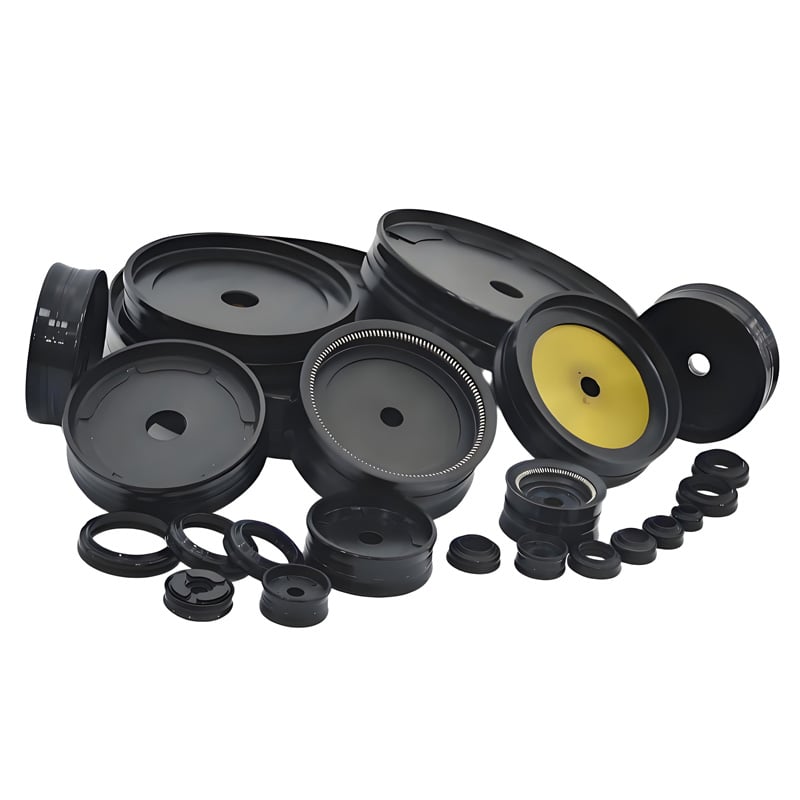
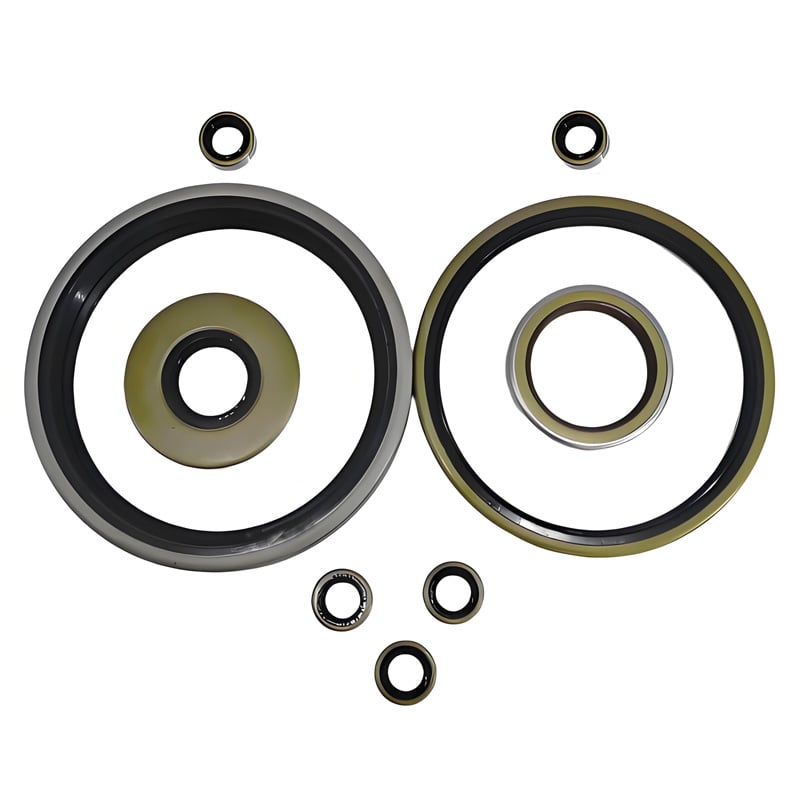
labyrinth oil seal
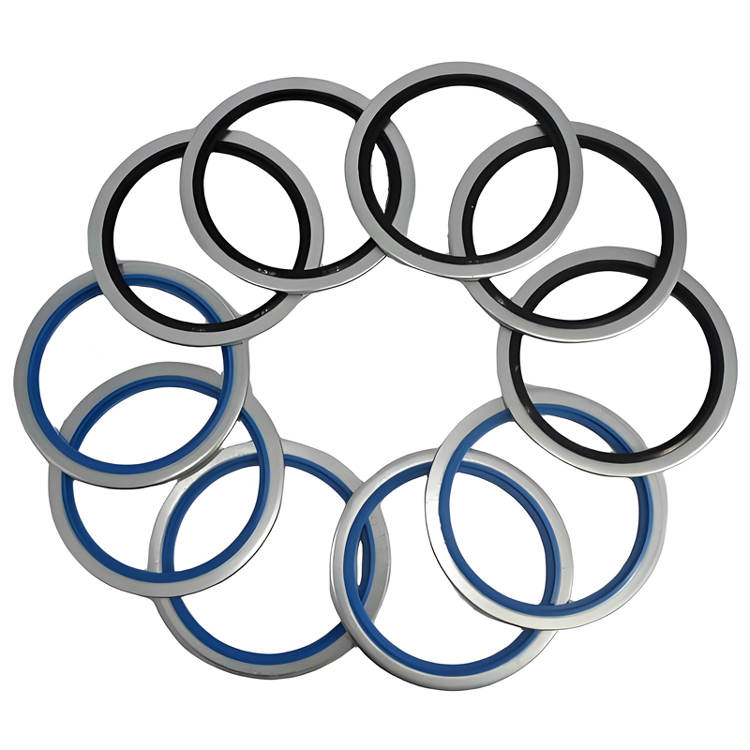
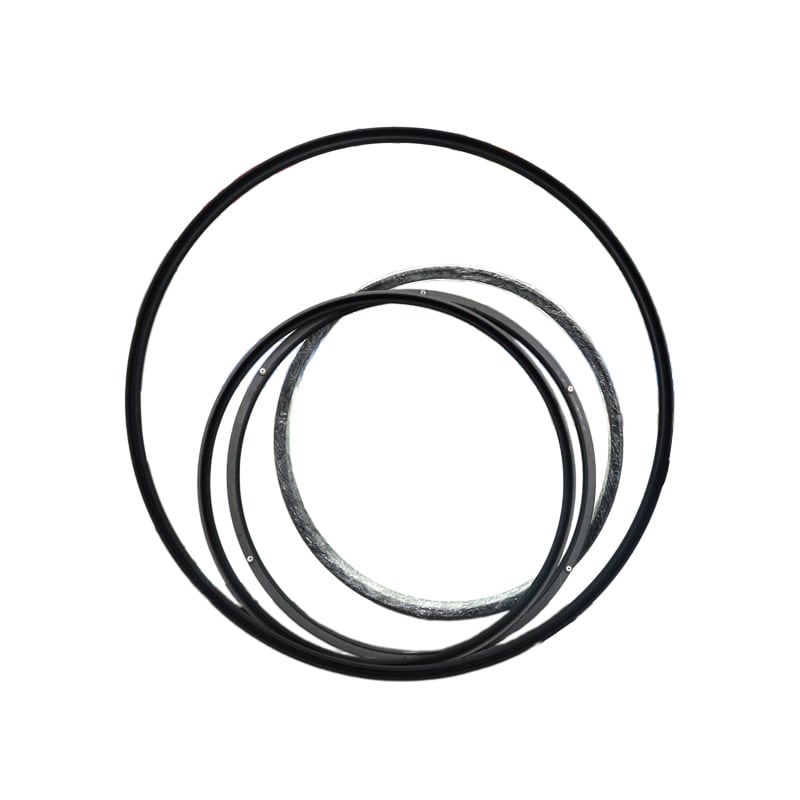
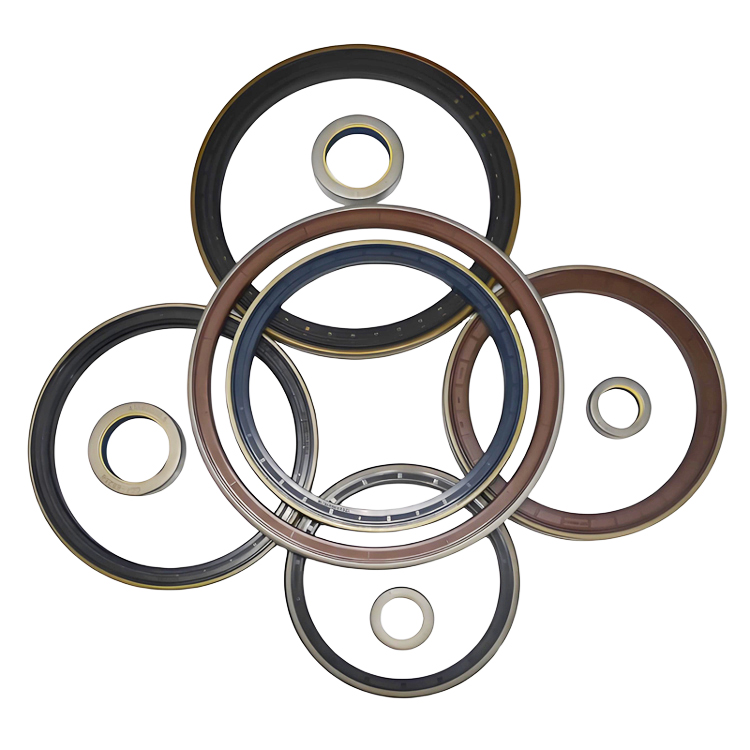
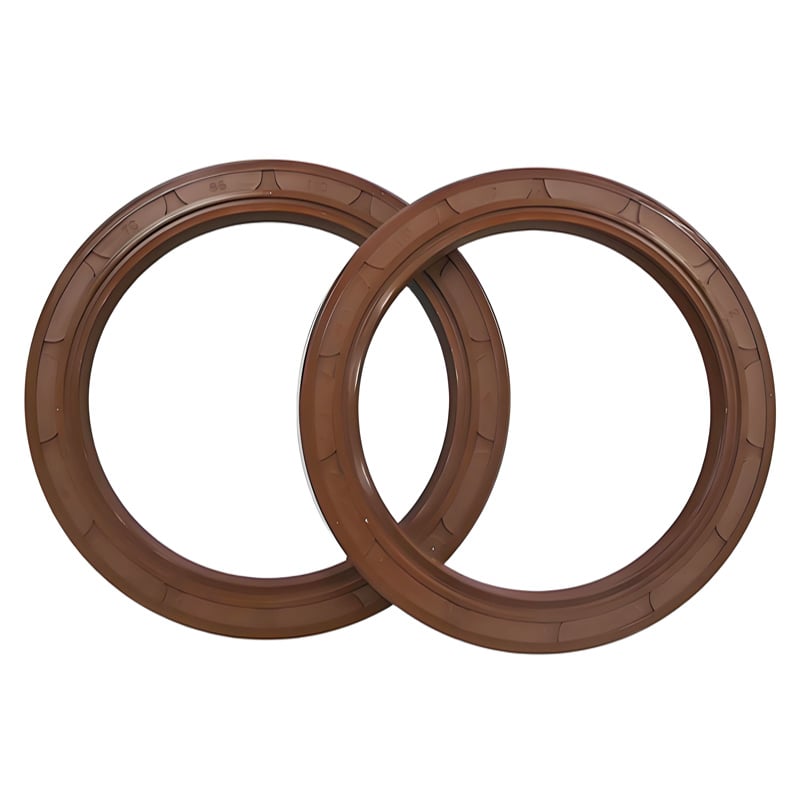
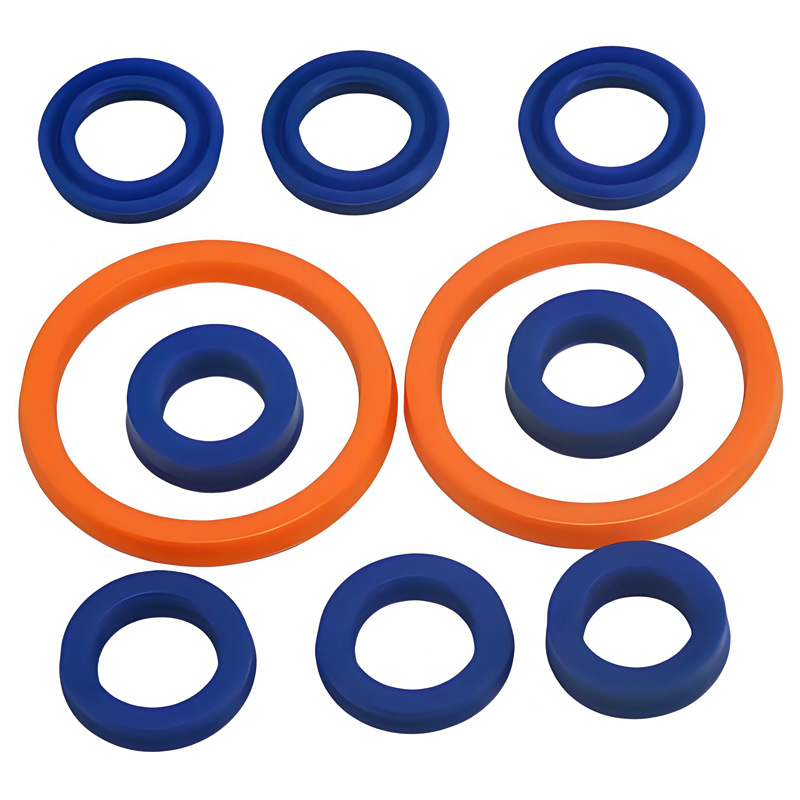
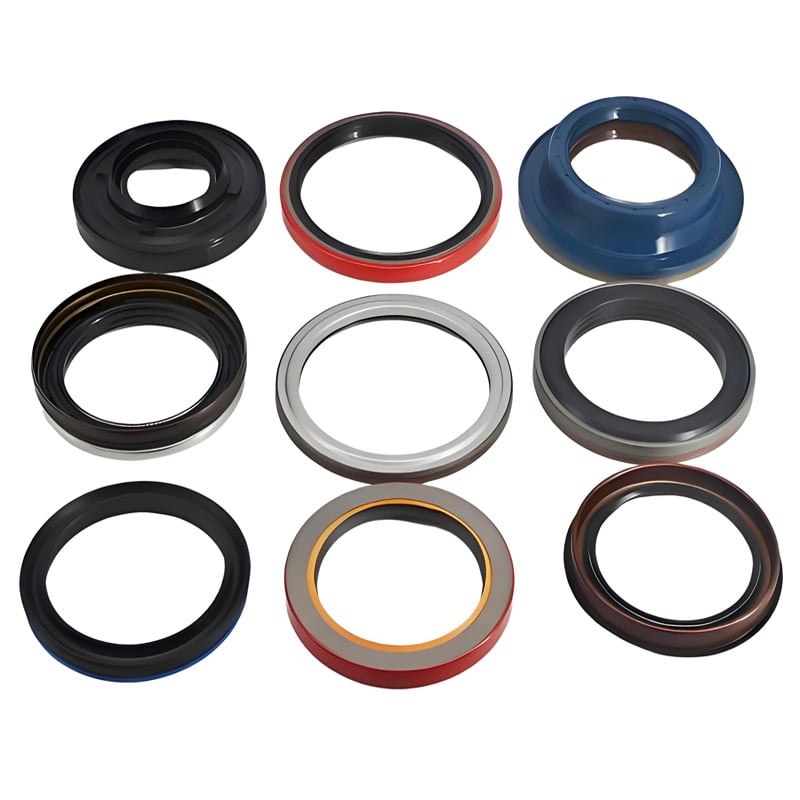
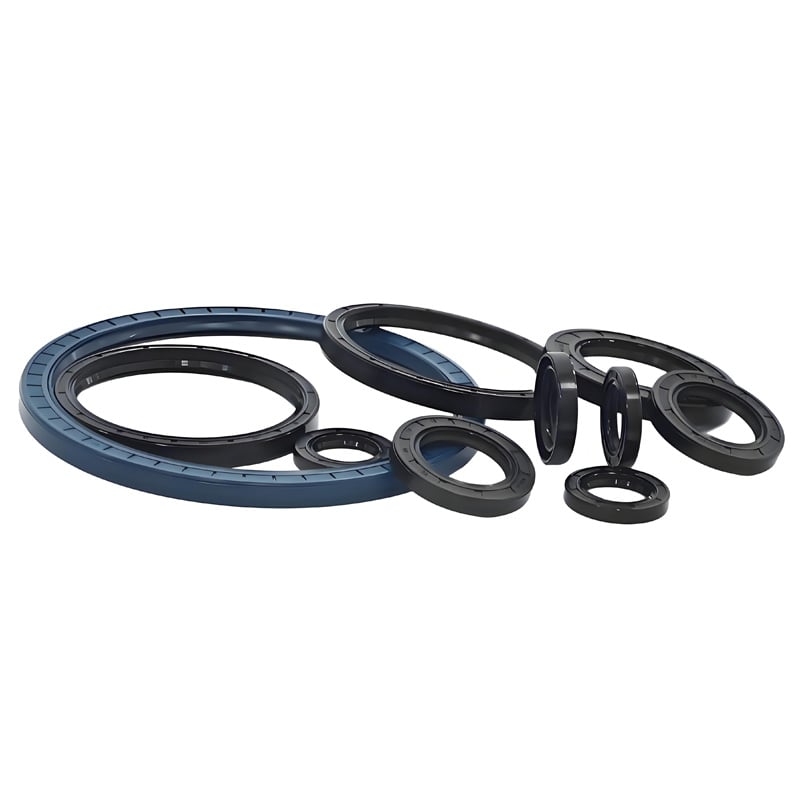
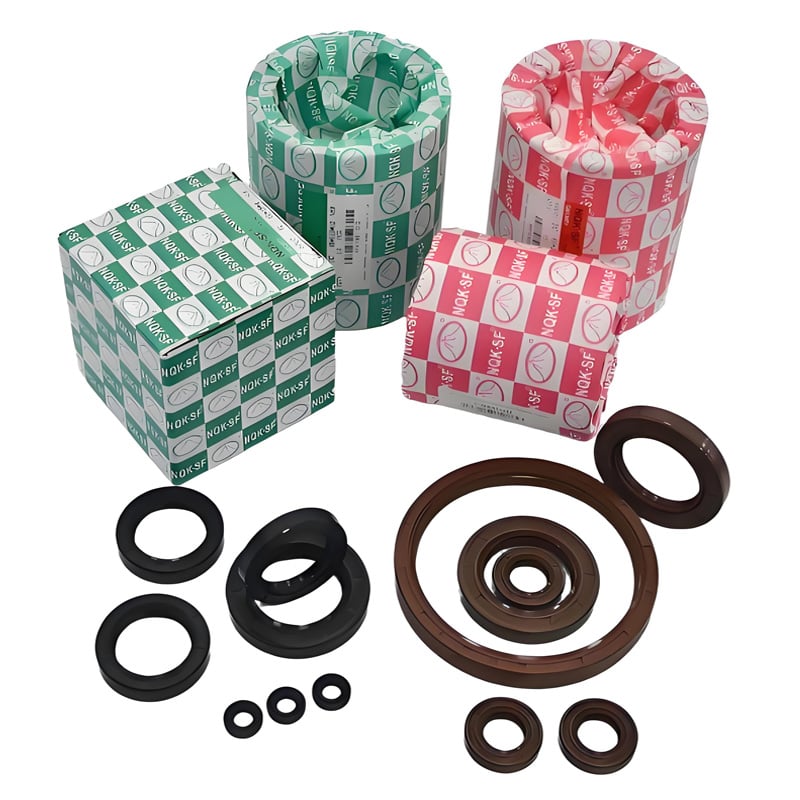
A labyrinth oil seal represents a sophisticated sealing solution designed to prevent fluid leakage while maintaining operational efficiency in demanding industrial environments. The labyrinth oil seal functions through a unique maze-like pathway that restricts fluid escape without direct contact between moving and stationary components, making it an ideal choice for high-speed applications where traditional seals might fail.
The technological features of the labyrinth oil seal include its non-contact design, which minimizes friction and heat generation during operation. This advanced design incorporates grooved chambers that create centrifugal barriers, effectively trapping contaminants and preventing lubricant loss. The labyrinth oil seal operates optimally in applications requiring continuous rotation and extreme temperature variations.
Key applications for the labyrinth oil seal span numerous industrial sectors. Manufacturing facilities utilize labyrinth oil seal designs in compressors, turbines, and gear systems where conventional sealing methods prove inadequate. The labyrinth oil seal excels in automotive transmissions, marine propulsion systems, and aerospace engines due to its reliability and durability.
The engineering excellence behind the labyrinth oil seal makes it particularly valuable for equipment operating at high speeds and variable pressures. Industries ranging from petrochemical processing to renewable energy generation depend on labyrinth oil seal technology to maintain equipment integrity and reduce maintenance costs. The labyrinth oil seal provides consistent performance across diverse operational conditions, establishing itself as an essential component in modern mechanical systems requiring advanced sealing capabilities.

 EN
EN