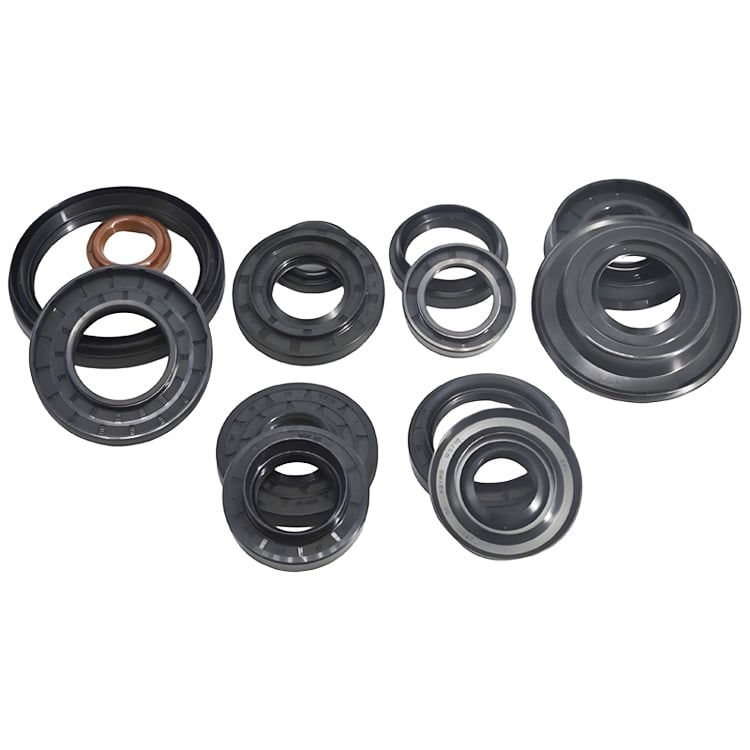
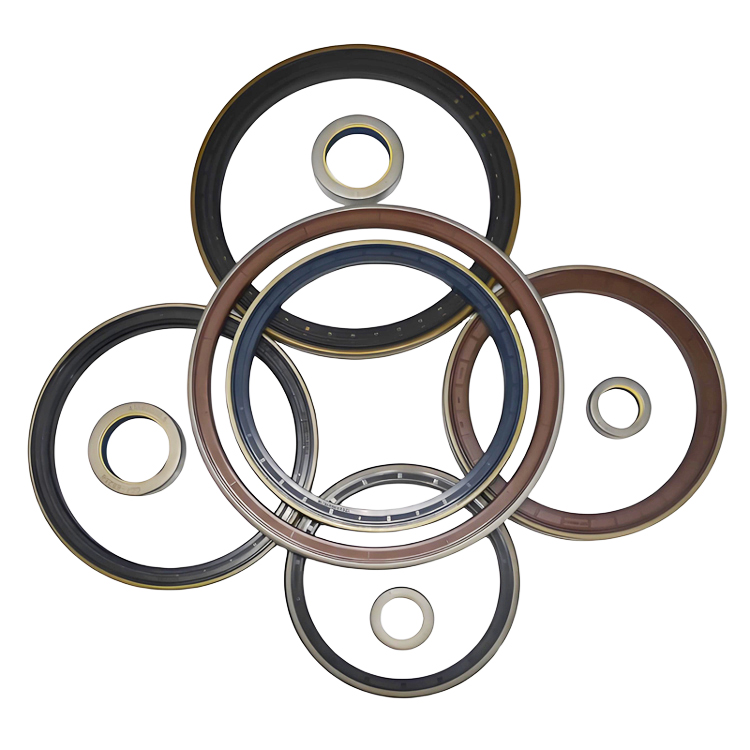
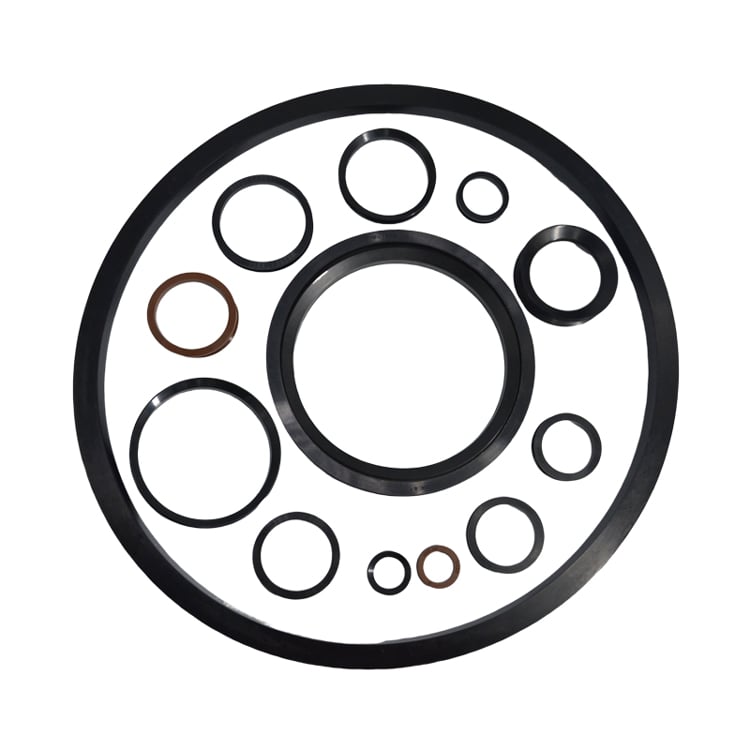
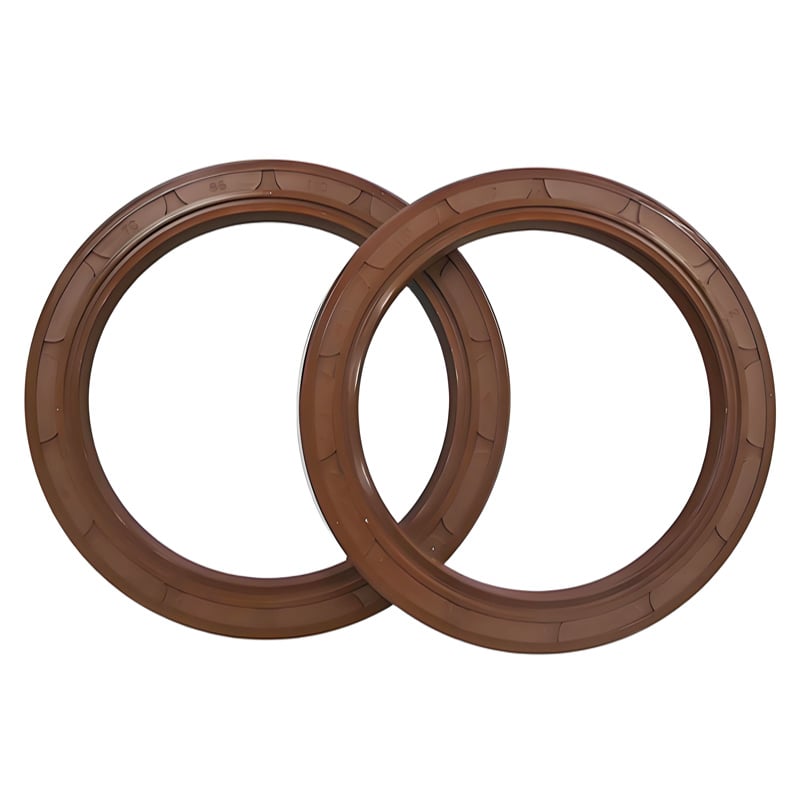
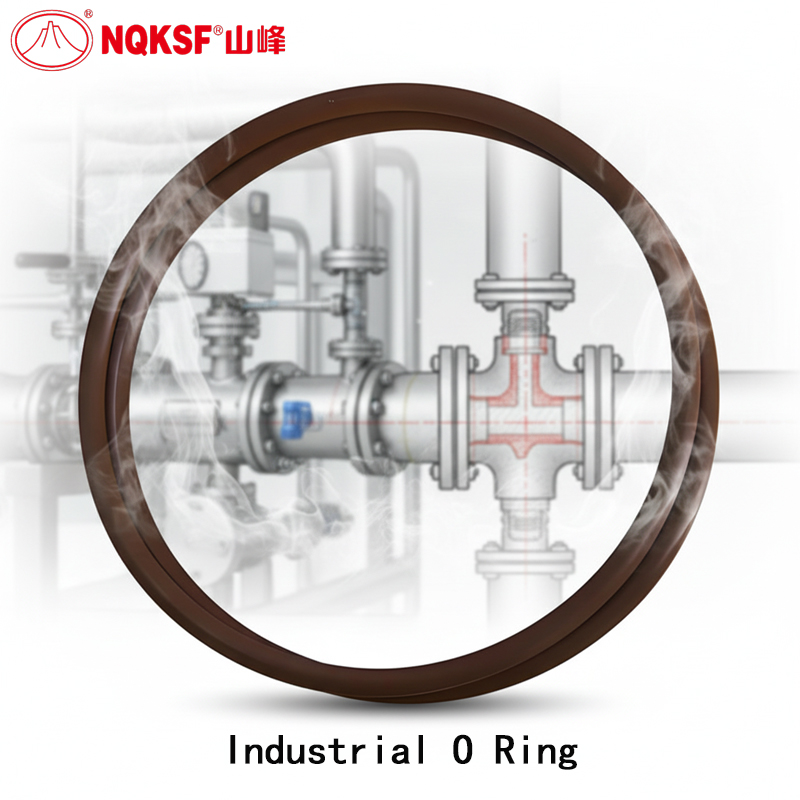
industrial o ring seal
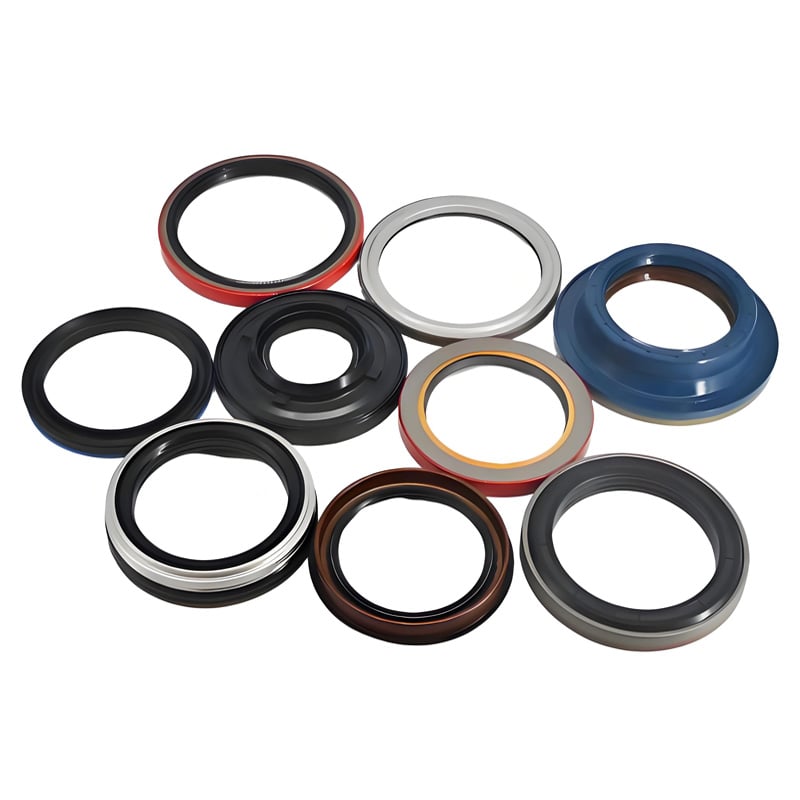
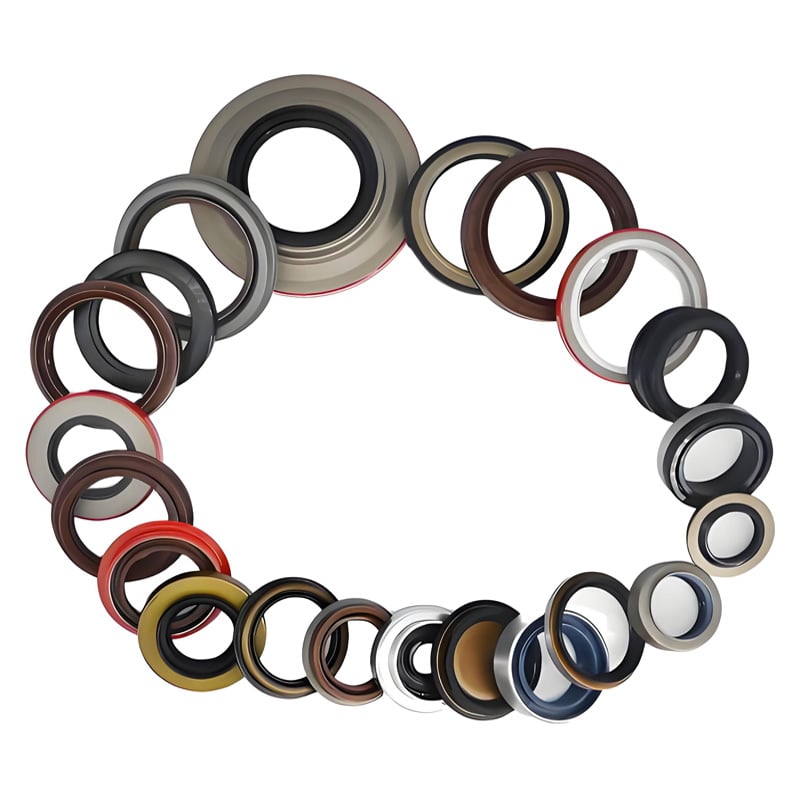
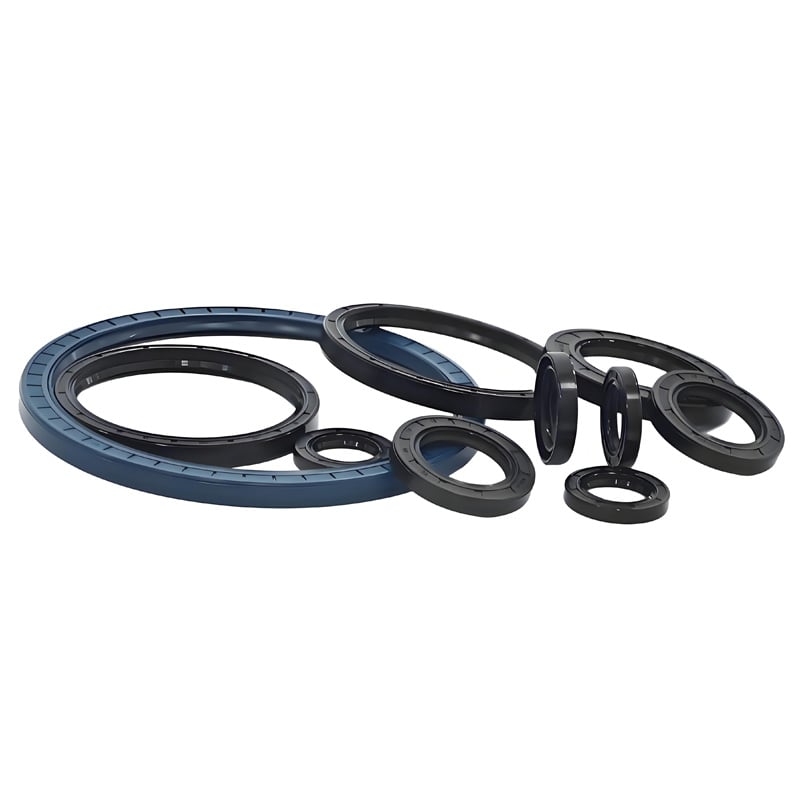
An industrial o ring seal represents a fundamental component in modern sealing applications across numerous industries. This circular elastomeric device functions as a critical barrier against fluid leakage, contamination, and pressure loss in machinery and equipment. The industrial o ring seal operates by creating a compression fit within grooved chambers, effectively preventing unwanted fluid or gas migration between connected components.
The primary function of an industrial o ring seal involves maintaining system integrity under varying pressure and temperature conditions. These seals perform exceptionally well in hydraulic systems, pneumatic applications, and mechanical assemblies where reliability is paramount. The industrial o ring seal achieves this through precise dimensional specifications and material composition tailored to specific operating environments.
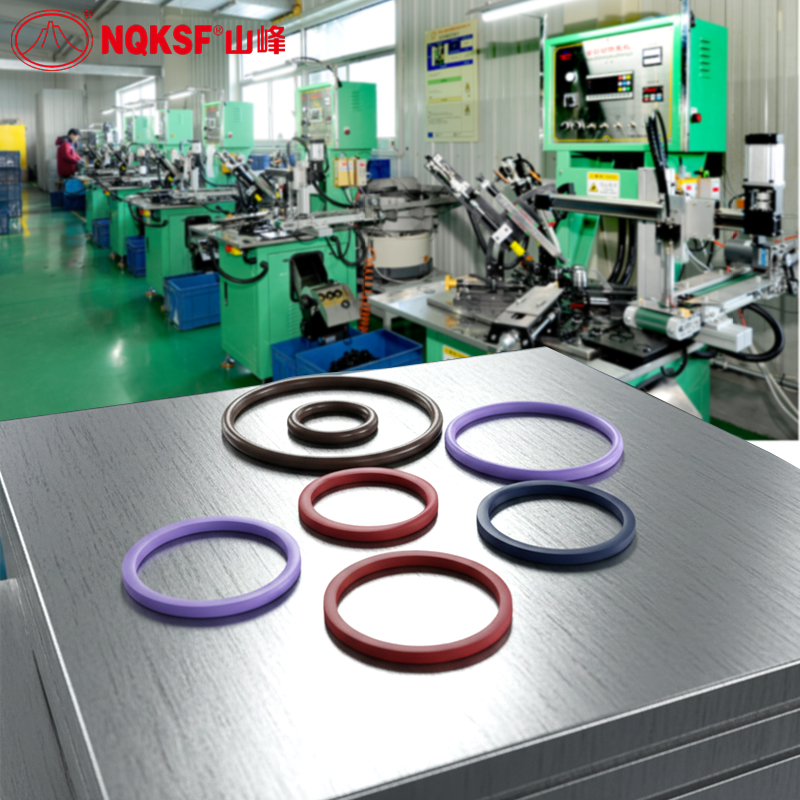
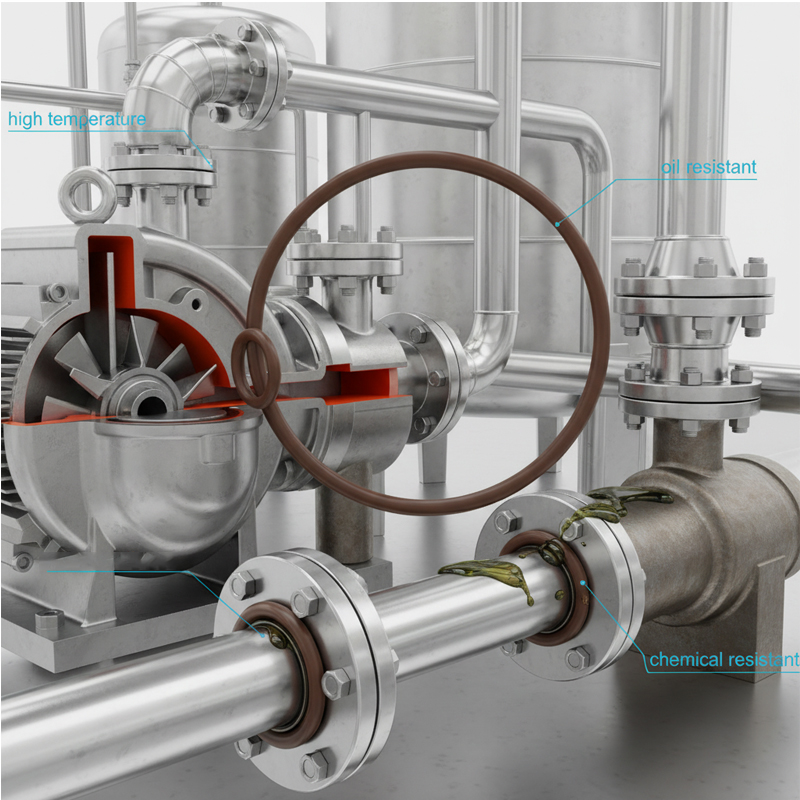
Technologically, modern industrial o ring seal designs incorporate advanced elastomer materials such as nitrile, Viton, and silicone, each offering distinct performance characteristics. These materials withstand extreme temperatures, aggressive chemicals, and prolonged exposure without degradation. The industrial o ring seal benefits from decades of engineering refinement, resulting in consistent performance across industrial applications.
Applications for industrial o ring seal products span aerospace, automotive, chemical processing, and manufacturing sectors. Equipment manufacturers rely on industrial o ring seal solutions for pumps, compressors, valves, and actuators. Whether managing high-pressure hydraulic systems or maintaining vacuum seals, the industrial o ring seal delivers dependable protection. Industries worldwide depend on these versatile components to minimize downtime, reduce maintenance costs, and ensure operational safety in critical applications.

 EN
EN