seal o
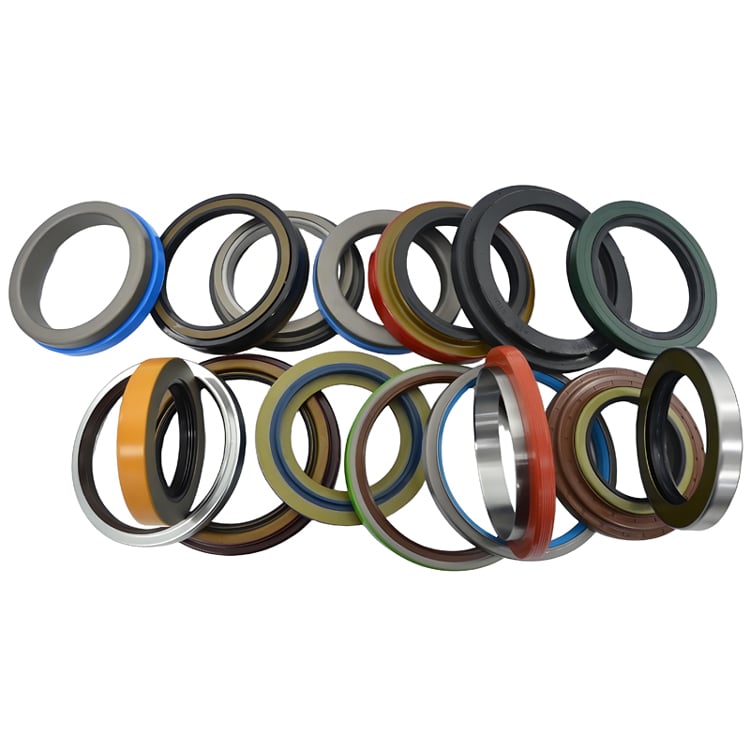
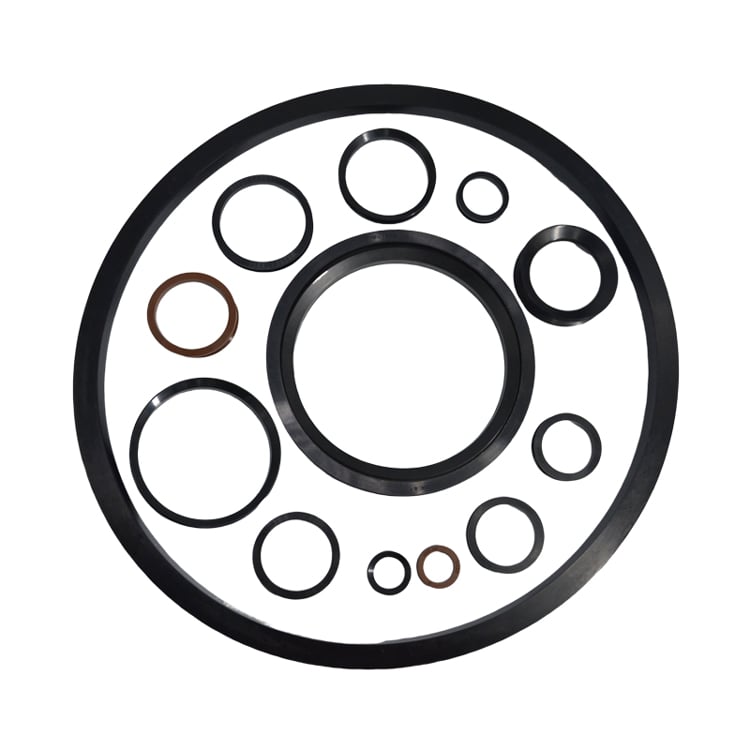
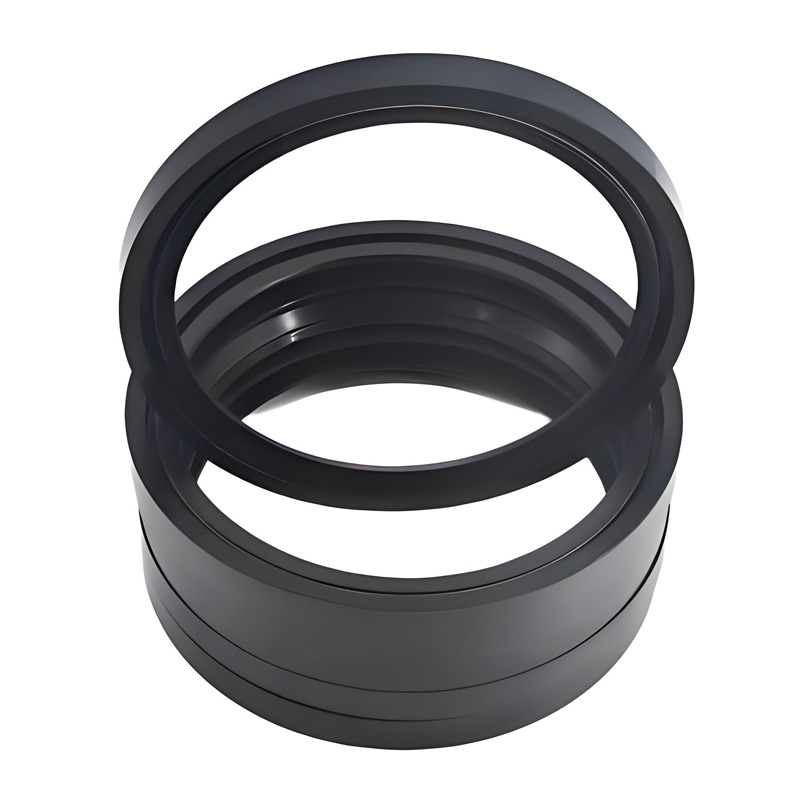
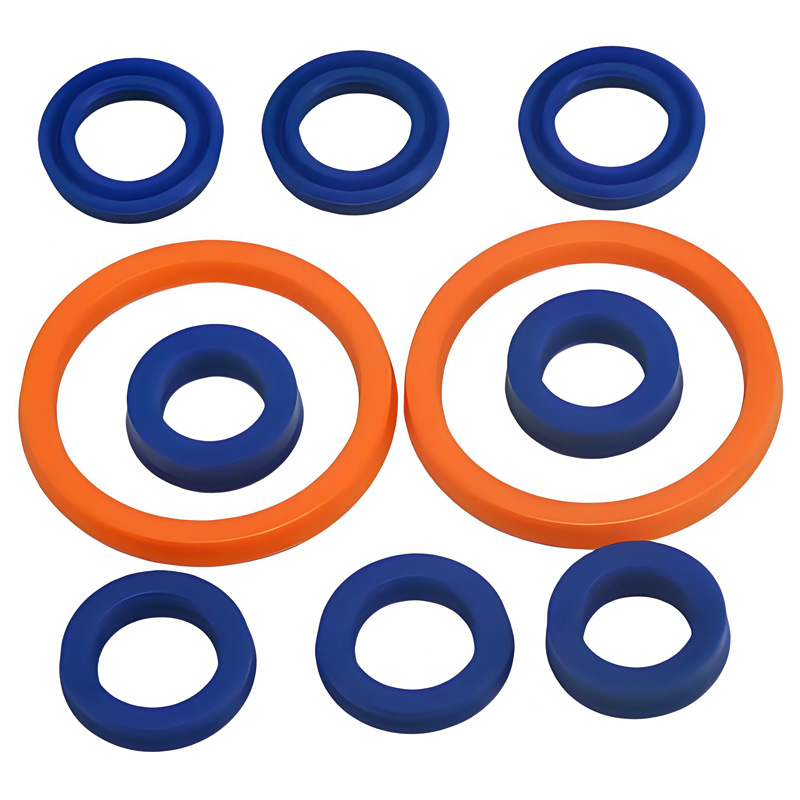
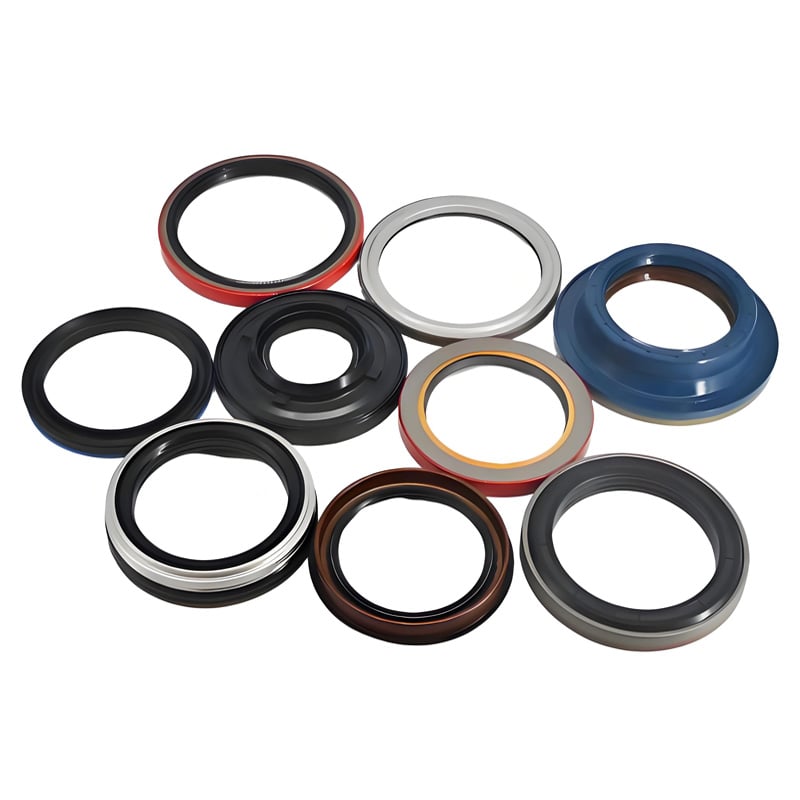
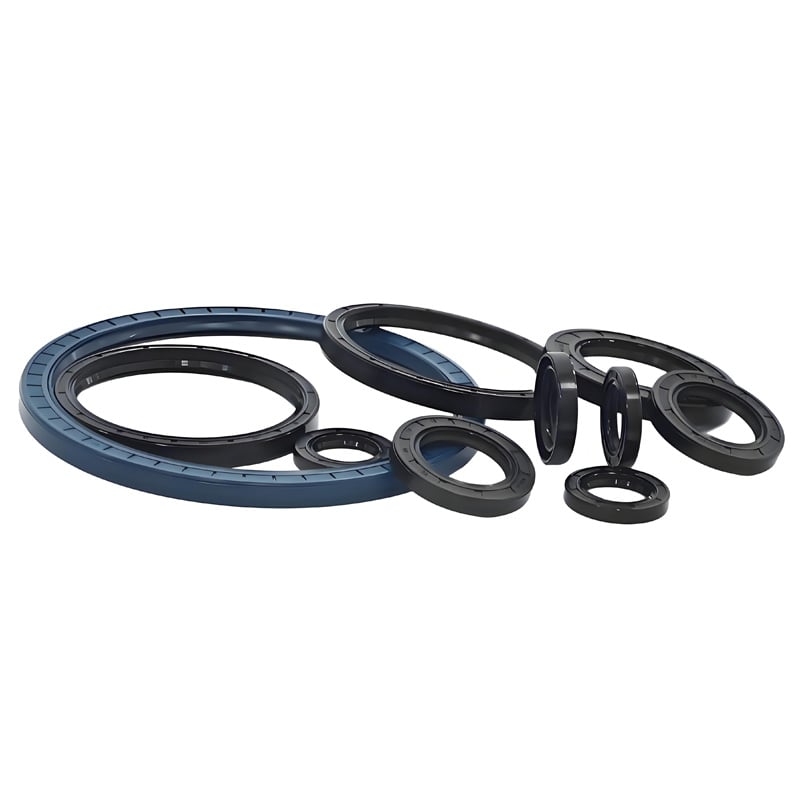
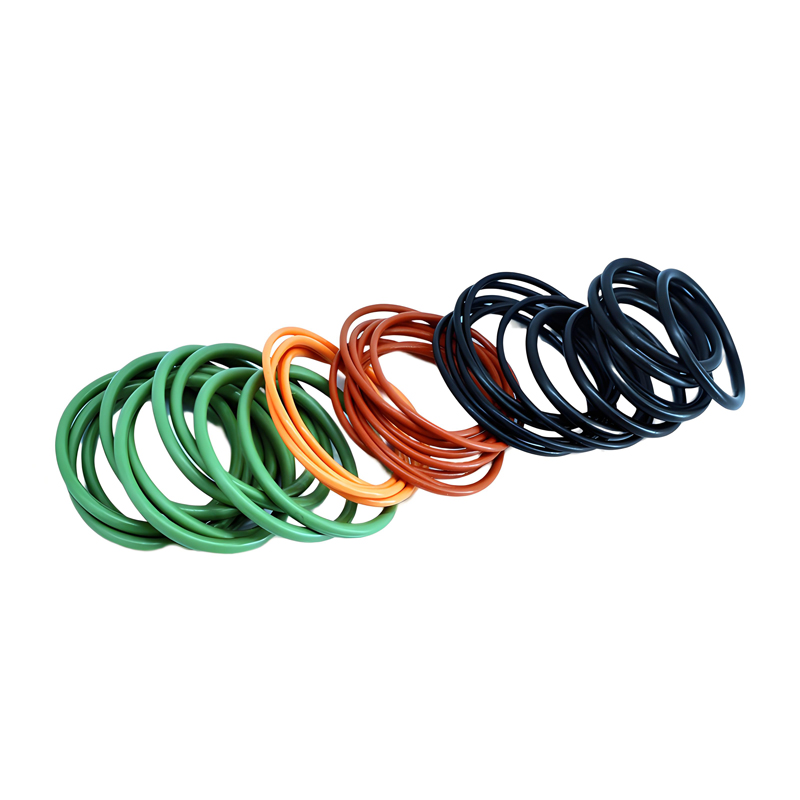
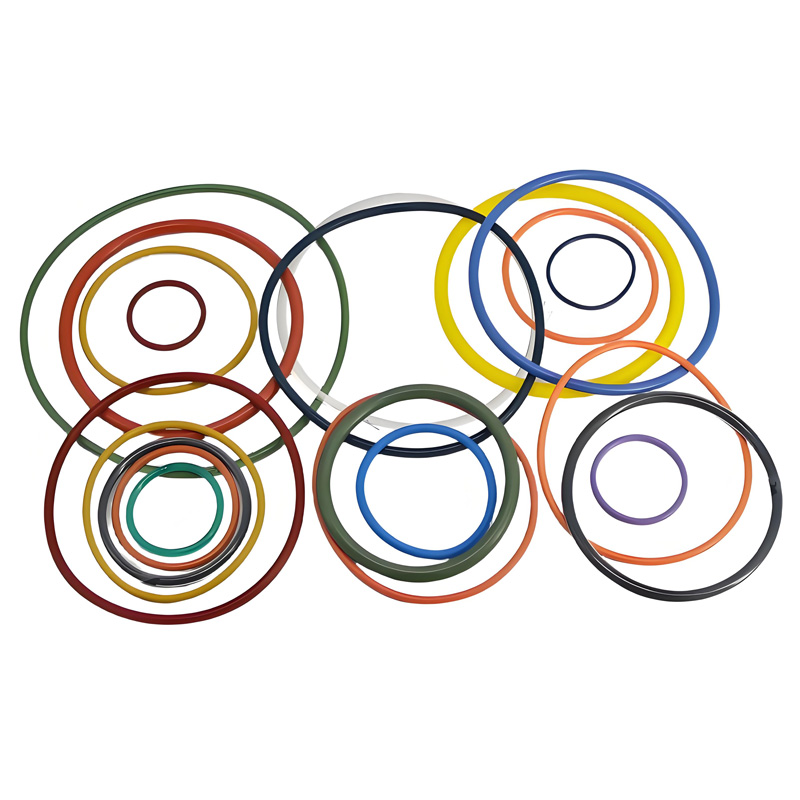
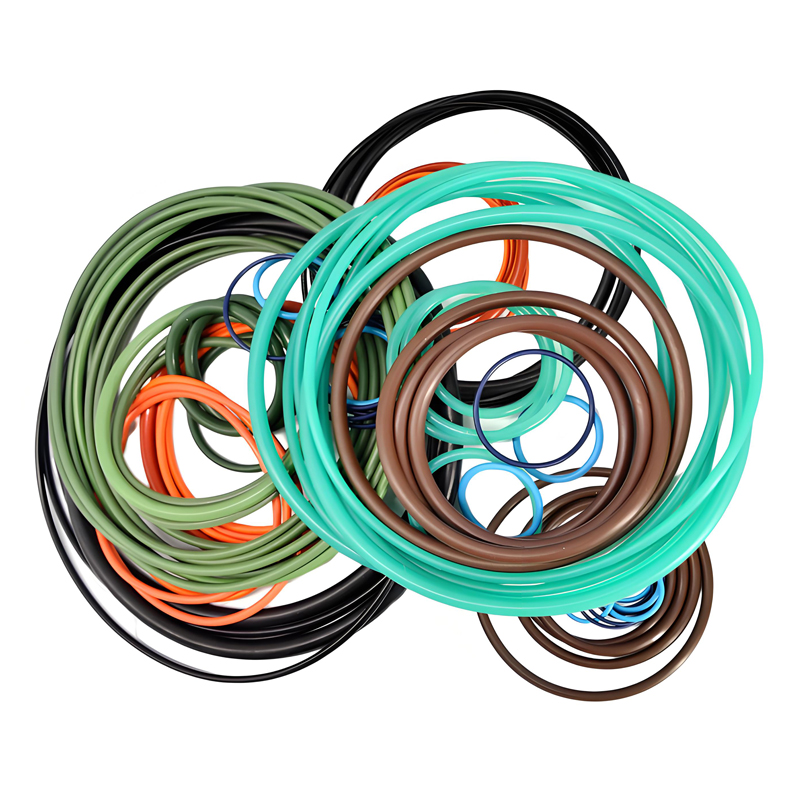
A seal o represents a critical component in modern engineering and industrial applications, designed to prevent leakage and maintain system integrity across diverse operational environments. The seal o functions as a barrier mechanism that restricts fluid or gas passage between mating surfaces, ensuring optimal performance in machinery, hydraulic systems, and pneumatic equipment. This versatile seal o serves multiple purposes, from protecting internal components against contamination to maintaining pressure within sealed chambers.
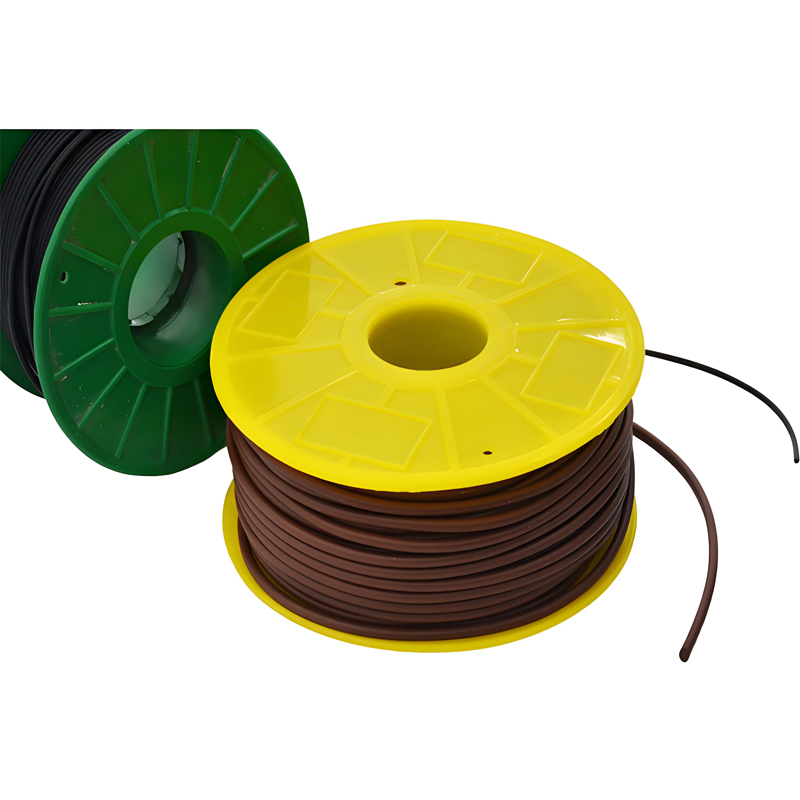
The technological features of a seal o include advanced elastomer materials that provide superior resilience and durability under extreme conditions. Modern seal o designs incorporate precision engineering that allows for consistent performance across temperature variations and pressure fluctuations. The seal o construction typically features specialized profiles that enhance grip and stability, preventing unwanted displacement during operation.
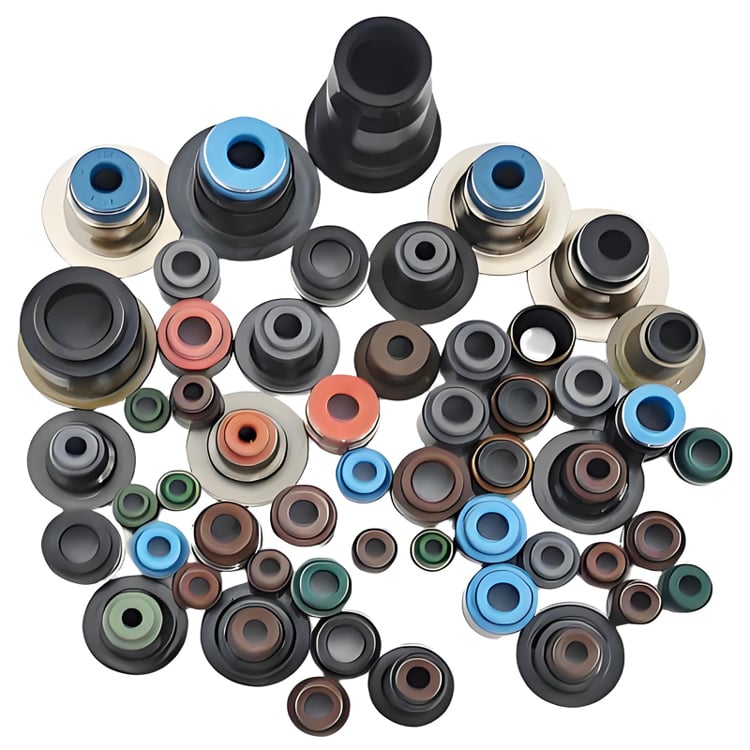
Applications for the seal o extend throughout various industries, including automotive, aerospace, manufacturing, and hydraulic engineering. Industrial professionals rely on seal o products to maintain equipment reliability and reduce maintenance downtime. The seal o proves essential in both static and dynamic applications, where preventing leakage is paramount. Whether in compressors, pumps, cylinders, or connecting components, the seal o delivers consistent protection and performance. Understanding seal o specifications and installation requirements ensures maximum operational efficiency and extends equipment lifespan significantly.

 EN
EN