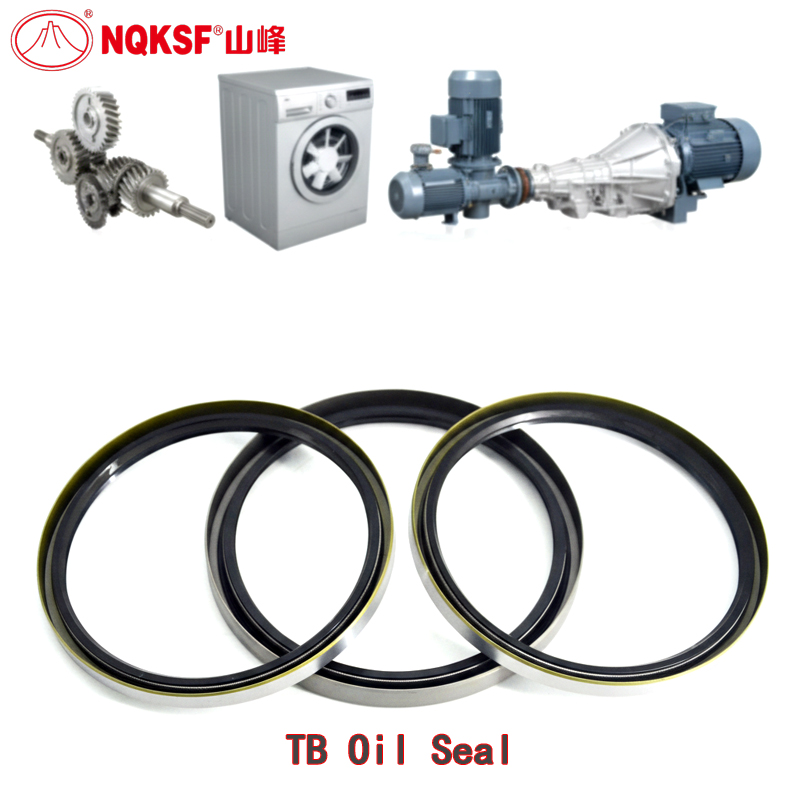
tb oil seal
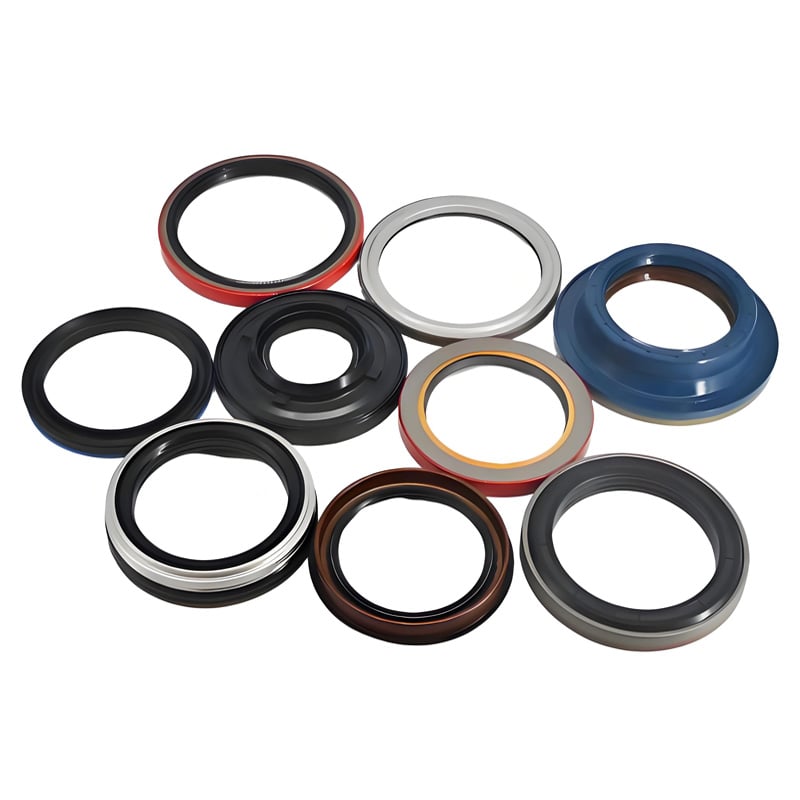
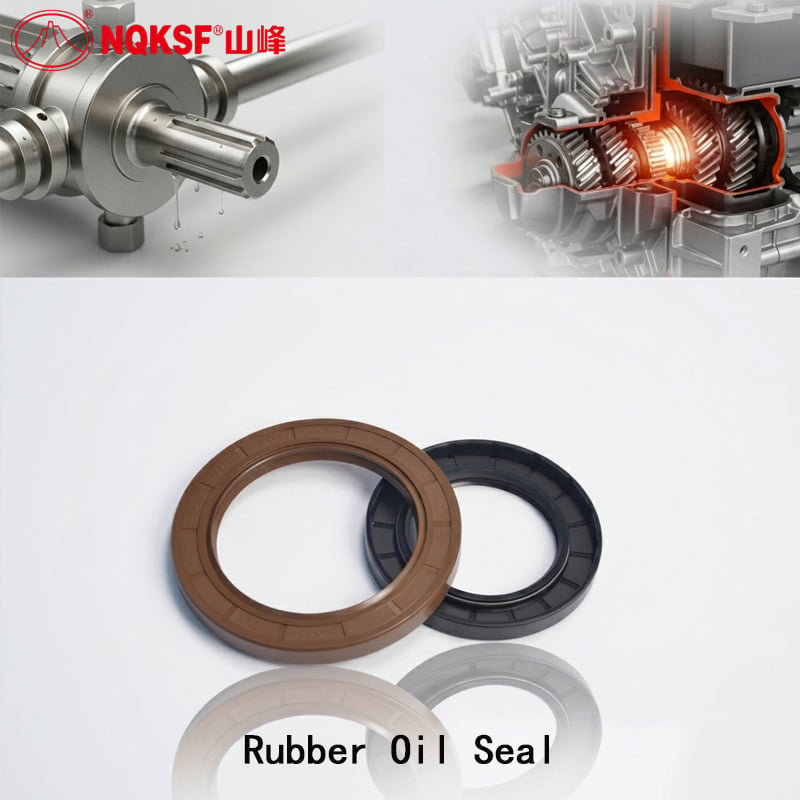
A TB oil seal is a precision-engineered mechanical component designed to prevent fluid leakage in rotating shaft applications. This essential sealing device works by creating a barrier between the internal and external environments of machinery, protecting sensitive equipment from contamination while retaining lubrication. The TB oil seal represents a critical advancement in modern sealing technology, offering reliable performance across demanding industrial conditions.
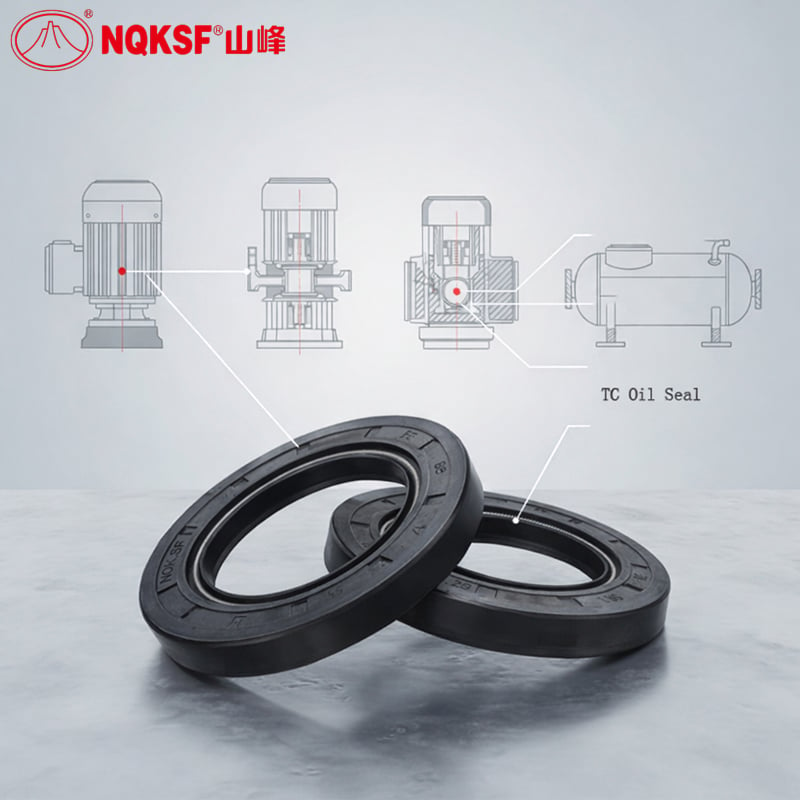
The primary function of a TB oil seal is to maintain operational integrity by stopping unwanted fluid escape from gearboxes, pumps, compressors, and other rotating machinery. By implementing a specially designed lip mechanism that contacts the rotating shaft, the TB oil seal creates an effective seal that accommodates shaft movement while preventing leakage. This dual functionality makes the TB oil seal indispensable for equipment longevity.
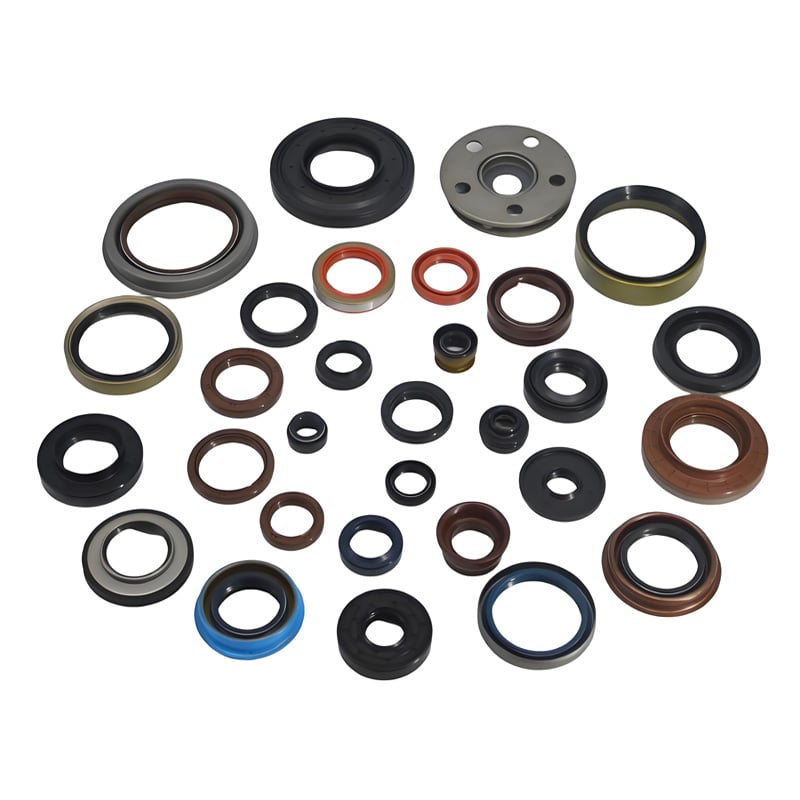
Technologically, the TB oil seal features advanced elastomer materials that withstand extreme temperatures, pressures, and chemical exposure. The design incorporates precision-engineered dimensions that ensure compatibility with various shaft sizes and housing specifications. Modern TB oil seal manufacturing employs strict quality control standards, resulting in consistent performance and extended service life.
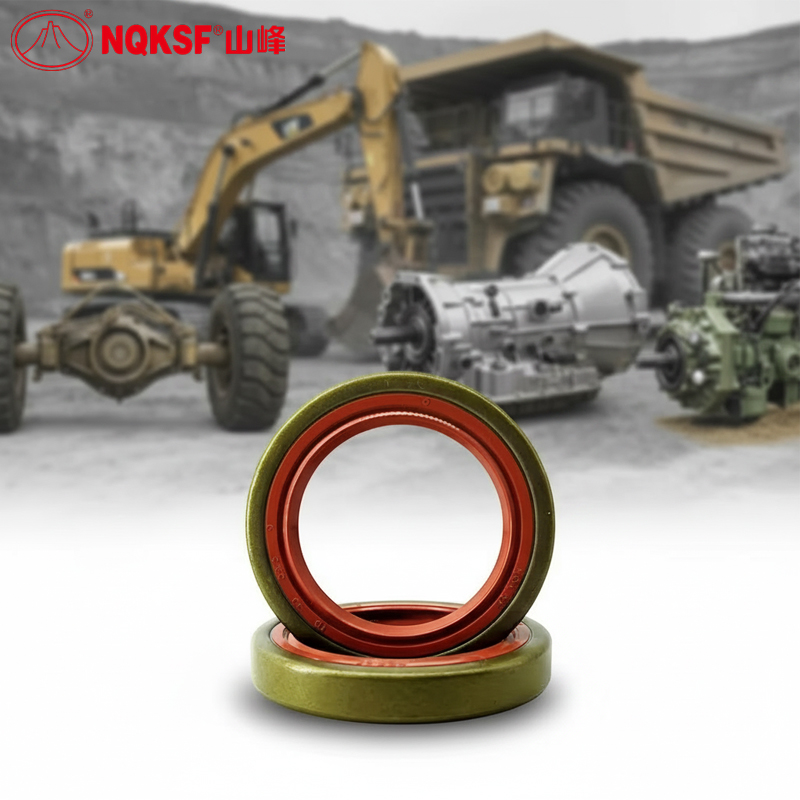
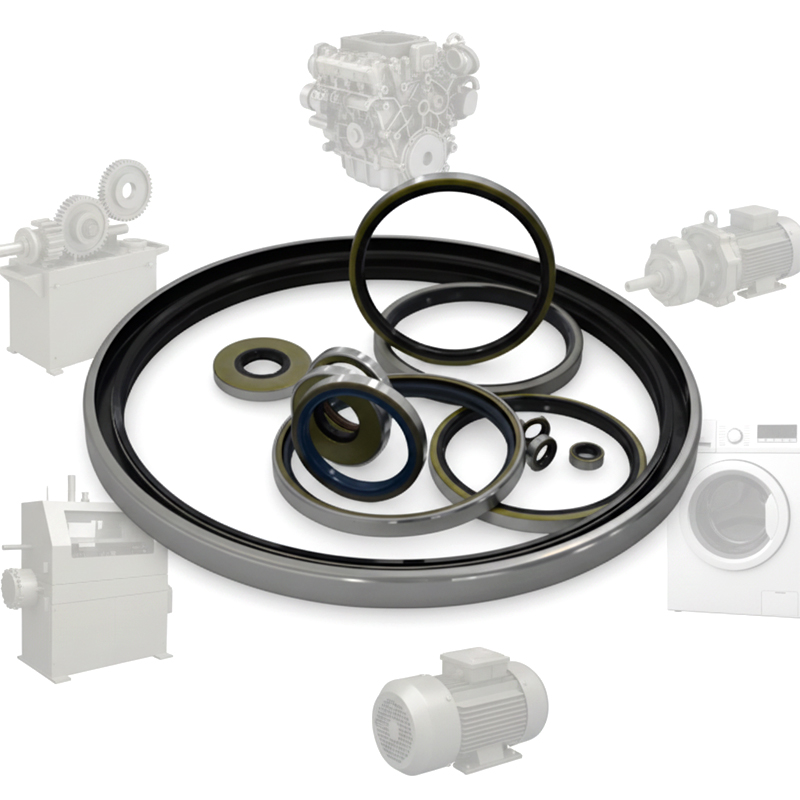
Applications for the TB oil seal span multiple industries including automotive, industrial machinery, marine equipment, and agricultural systems. Whether protecting critical engine components or sealing industrial pumps, the TB oil seal delivers dependable performance. Its versatility and reliability have made the TB oil seal the preferred choice for engineers and maintenance professionals worldwide seeking durable sealing solutions for rotating equipment.

 EN
EN