Felt Oil Seals - Premium Sealing Solutions for Industrial Applications | Expert Guide

All Categories

felt oil seals

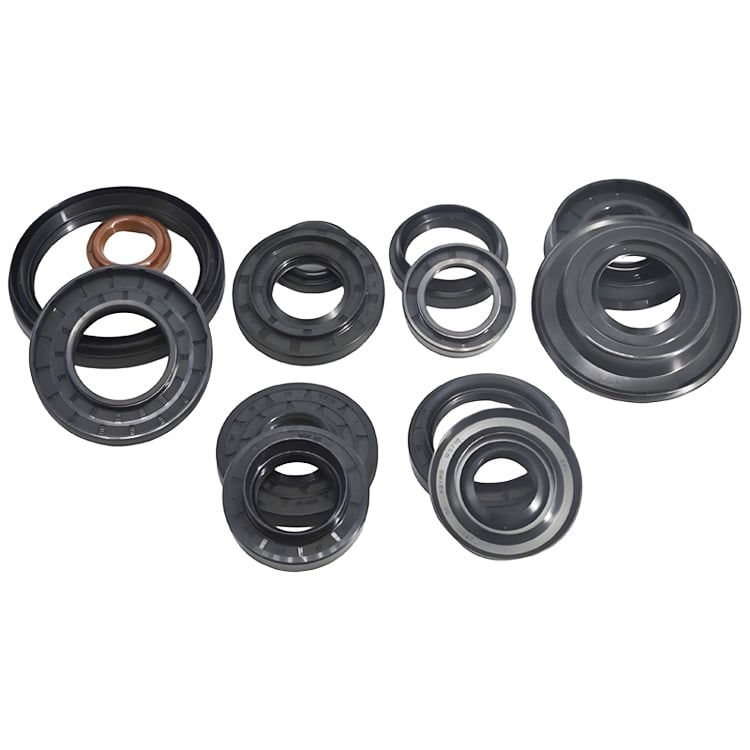
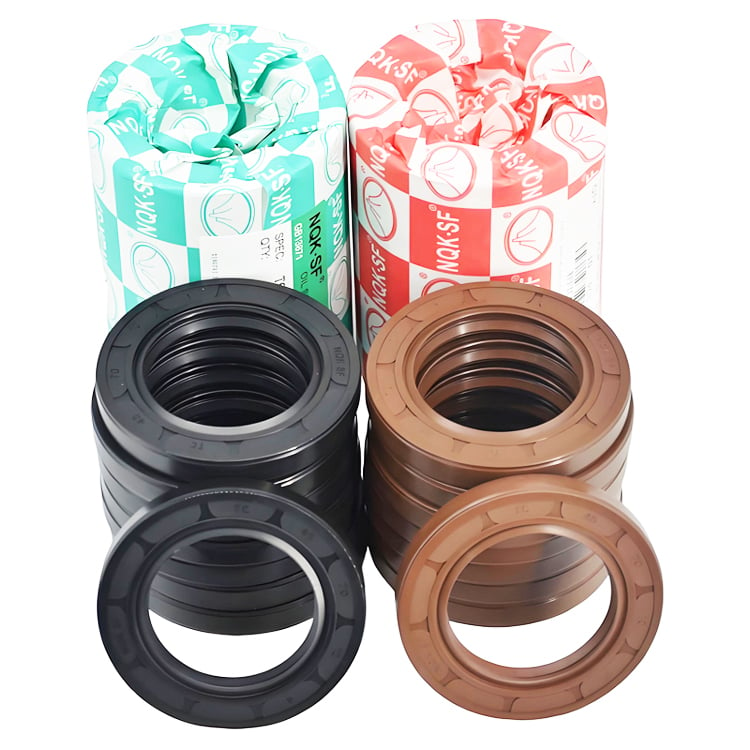
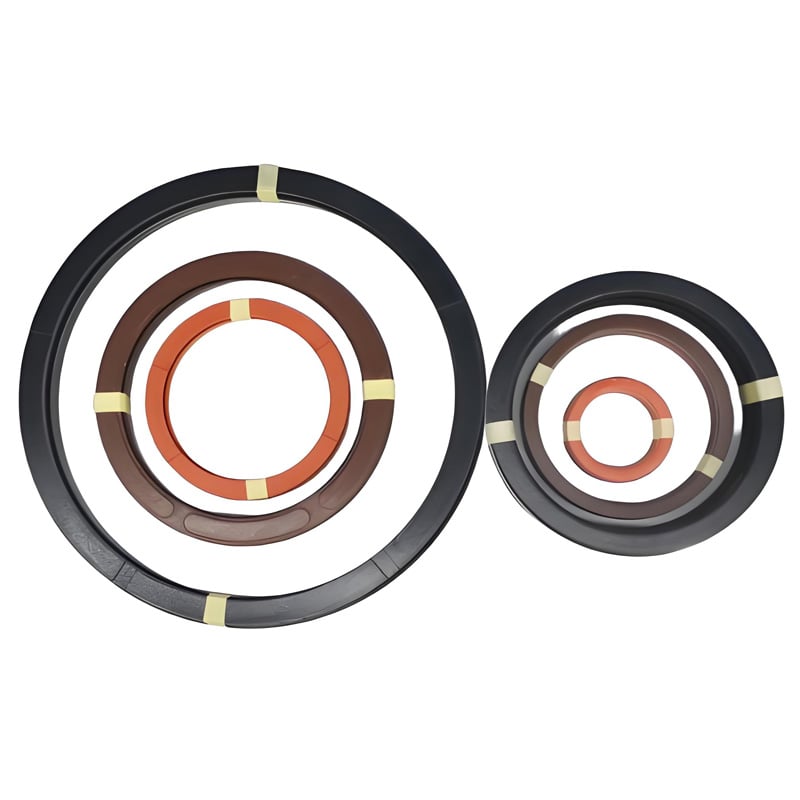
Felt oil seals represent a specialized sealing solution that combines traditional felt manufacturing techniques with modern engineering requirements. These seals utilize natural or synthetic felt materials to create effective barriers against oil leakage in rotating machinery applications. The primary construction involves compressed felt fibers that form a porous yet controlled structure, enabling these seals to function as both mechanical barriers and oil management systems. The manufacturing process compresses felt material into precise dimensions and shapes, creating seals that can accommodate various shaft sizes and housing configurations. Felt oil seals operate through a unique mechanism that differs significantly from conventional rubber seals. Rather than creating a complete barrier, these seals work by managing oil flow through controlled porosity. The felt material allows minimal oil penetration while preventing excessive leakage, creating a self-lubricating system that enhances performance longevity. This design principle makes felt oil seals particularly effective in applications where complete sealing might create excessive friction or heat buildup. The technological features of felt oil seals include their ability to accommodate shaft irregularities and misalignment better than rigid sealing solutions. Their compressible nature allows them to conform to shaft variations while maintaining effective sealing performance. Temperature resistance varies depending on the felt composition, with synthetic variants offering enhanced performance in extreme conditions. The porosity characteristics can be engineered during manufacturing to meet specific application requirements. Applications for felt oil seals span numerous industries including automotive transmissions, agricultural equipment, industrial gearboxes, and marine propulsion systems. They prove particularly valuable in vintage machinery restoration where original sealing methods need replication. The automotive sector utilizes these seals in transmission applications where their unique properties provide reliable performance under varying load conditions.

Popular Products

Felt oil seals deliver exceptional cost-effectiveness compared to traditional sealing alternatives. Manufacturing these seals requires less complex tooling and materials, resulting in significantly lower production costs that translate directly to customer savings. The simplified manufacturing process eliminates the need for expensive molding equipment and specialized compounds typically required for rubber seals. This economic advantage makes felt oil seals an attractive option for budget-conscious applications without compromising essential sealing performance. Maintenance requirements for felt oil seals remain minimal throughout their operational lifespan. The self-lubricating properties inherent in their design eliminate the need for external lubrication systems or frequent maintenance intervals. This characteristic reduces operational downtime and labor costs associated with seal replacement and system maintenance. The felt material naturally absorbs and releases small amounts of oil, creating a continuous lubrication cycle that prevents dry running conditions and extends seal life. Installation procedures for felt oil seals prove remarkably straightforward, requiring only basic tools and minimal technical expertise. The flexible nature of felt material allows for easy compression during installation, accommodating slight dimensional variations in housings or shafts. This forgiving installation characteristic reduces the risk of damage during assembly and minimizes the need for precision machining of mating surfaces. Technicians can install these seals quickly without specialized training or equipment. Temperature tolerance capabilities of modern felt oil seals accommodate a wide range of operating conditions. Advanced synthetic felt compositions maintain structural integrity and sealing effectiveness across temperature ranges that would compromise other sealing materials. This thermal stability ensures consistent performance in applications experiencing temperature fluctuations or extreme conditions. The material composition can be customized to meet specific temperature requirements for specialized applications. Vibration resistance represents another significant advantage of felt oil seals in dynamic applications. The compressible nature of felt material naturally dampens vibrations and accommodates shaft movement without losing sealing contact. This characteristic proves particularly valuable in mobile equipment and automotive applications where constant vibration poses challenges for rigid sealing systems. The felt material maintains effective sealing contact despite continuous mechanical stress and movement.

Practical Tips

Which Industries Benefit Most from Hydraulic Oil Seals?

27

Nov

Which Industries Benefit Most from Hydraulic Oil Seals?

In today's industrial landscape, hydraulic oil seals serve as critical components that ensure optimal performance and longevity of hydraulic systems across numerous sectors. These specialized sealing solutions prevent fluid leakage, maintain system p...
View More
What Should Buyers Inspect When Selecting a Double Lip Shaft Oil Seal?

06

Jan

What Should Buyers Inspect When Selecting a Double Lip Shaft Oil Seal?

When selecting a double lip shaft oil seal for industrial applications, buyers must evaluate numerous critical factors that directly impact equipment performance and longevity. These specialized rubber oil seal components serve as the primary barrier...
View More
Why Do Industrial Systems Depend on Reliable Rotary Oil Seals?

06

Jan

Why Do Industrial Systems Depend on Reliable Rotary Oil Seals?

Industrial machinery operates under extreme conditions where precision engineering and component reliability determine operational success. Among the critical components that ensure seamless functionality, the oil seal stands as a fundamental element...
View More
What Are O Rings? Where and Why Are They Used?

29

Apr

What Are O Rings? Where and Why Are They Used?

An o ring is a mechanical gasket designed in the shape of a torus that sits in a groove and is compressed during assembly between two or more parts, creating a reliable seal at the interface. These simple yet highly effective sealing devices consist ...
View More

Get a Free Quote

Our representative will contact you soon.
Email
Telephone
Name
Company Name
Message
0/1000

felt oil seals

Superior Conformability and Adaptability

Superior Conformability and Adaptability

The exceptional conformability of felt oil seals represents their most distinguishing characteristic, setting them apart from rigid sealing alternatives in demanding applications. This unique property stems from the fibrous structure of felt material, which consists of interlocked fibers creating a flexible yet resilient matrix. When installed, felt oil seals compress and conform to surface irregularities, shaft wear patterns, and housing variations that would compromise the effectiveness of conventional seals. This adaptability proves invaluable in applications where perfect surface conditions cannot be maintained or where equipment has experienced wear over extended operational periods. The conformability extends beyond simple surface accommodation to include dynamic adaptation during operation. As shafts move, vibrate, or experience thermal expansion, felt oil seals continuously adjust their contact patterns to maintain effective sealing. This dynamic response prevents the formation of leak paths that commonly develop with rigid seals under similar conditions. The material memory characteristics of quality felt ensure that seals return to their original dimensions when stress is removed, providing long-term dimensional stability. Manufacturing processes can optimize conformability characteristics by controlling fiber orientation and compression ratios during production. Different felt densities create varying levels of conformability, allowing engineers to select seals that match specific application requirements. Softer felt compositions provide maximum conformability for applications with significant surface irregularities, while denser variants offer enhanced durability for high-pressure applications. This customization capability ensures optimal performance across diverse operating conditions. The practical benefits of superior conformability translate directly into extended service life and reduced maintenance costs. Equipment operators experience fewer seal failures and reduced downtime associated with seal replacement. The ability of felt oil seals to accommodate gradual shaft wear means that equipment can continue operating effectively without requiring immediate shaft refurbishment, extending the operational life of expensive machinery components.
Excellent Oil Management Properties

Excellent Oil Management Properties

Felt oil seals excel in oil management through their unique controlled porosity characteristics, creating an optimal balance between sealing effectiveness and lubrication requirements. Unlike conventional seals that create complete barriers, felt oil seals manage oil flow through engineered permeability that allows minimal oil migration while preventing significant leakage. This controlled porosity creates a self-regulating system where oil availability at the sealing interface remains consistent, ensuring continuous lubrication without excessive loss. The oil retention capabilities of felt material create a reservoir effect within the seal structure itself. Felt fibers naturally absorb and retain oil, creating an internal lubrication system that supplies the sealing interface during operation. This characteristic proves particularly beneficial during startup conditions when external lubrication may be limited or during intermittent operation where oil supply varies. The retained oil gradually releases during operation, maintaining optimal lubrication conditions at the critical sealing interface. Temperature variations affect oil viscosity and flow characteristics, but felt oil seals adapt automatically to these changes. As temperatures increase and oil viscosity decreases, the felt material adjusts its release rate to maintain appropriate lubrication levels. Conversely, at lower temperatures when oil becomes more viscous, the felt structure retains more oil, preventing excessive drainage and ensuring adequate lubrication during cold startup conditions. This automatic adaptation eliminates the need for external compensation systems or seasonal oil changes in many applications. The oil filtering effect of felt material provides additional benefits by preventing contamination particles from reaching critical sealing surfaces. Small debris and wear particles become trapped within the felt structure, preventing them from causing seal damage or accelerated wear. This filtering action extends the life of both the seal and the protected equipment while maintaining cleaner oil conditions throughout the system. Regular oil changes remove accumulated contaminants, restoring the filtering capacity of felt oil seals. Quality control measures during manufacturing ensure consistent oil management properties across production batches. Porosity testing and oil absorption measurements verify that each seal meets specified performance criteria before shipment, ensuring reliable performance in field applications.
Exceptional Durability and Longevity

Exceptional Durability and Longevity

The remarkable durability of felt oil seals results from their unique material composition and structural design, which enables them to withstand harsh operating conditions while maintaining effective sealing performance over extended periods. The fibrous structure of felt creates countless small contact points that distribute stress evenly across the sealing surface, preventing the concentration of forces that typically cause failure in conventional seals. This stress distribution mechanism allows felt oil seals to operate successfully under conditions that would quickly destroy other sealing materials. Wear resistance characteristics of modern felt oil seals have improved significantly through advanced manufacturing techniques and material selection. High-quality synthetic fibers combined with natural wool create hybrid compositions that offer superior abrasion resistance while maintaining the beneficial properties of traditional felt. The manufacturing process aligns fibers to optimize wear patterns, ensuring that seal degradation occurs gradually rather than through catastrophic failure modes. This predictable wear pattern allows maintenance teams to schedule replacements during planned downtime rather than responding to emergency failures. Chemical resistance properties protect felt oil seals from degradation caused by various lubricants, additives, and environmental contaminants. Modern felt compositions resist swelling, hardening, and chemical breakdown when exposed to petroleum-based oils, synthetic lubricants, and common industrial chemicals. This chemical stability ensures that sealing performance remains consistent throughout the operational life of the equipment, regardless of oil type changes or contamination exposure. Environmental factors such as moisture, dust, and temperature cycling pose challenges for many sealing materials, but felt oil seals demonstrate exceptional resilience under these conditions. The natural moisture management properties of felt prevent water accumulation that could lead to corrosion or seal deterioration. Dust and particulate contamination become trapped within the felt structure without compromising sealing effectiveness, while temperature cycling causes minimal dimensional changes compared to other sealing materials. Field testing data consistently demonstrates that properly selected and installed felt oil seals often exceed their rated service life by significant margins. Documentation from various industries shows instances where felt oil seals have operated successfully for decades without replacement, particularly in applications where installation and operational conditions match design specifications. This exceptional longevity translates into substantial cost savings through reduced replacement frequency and maintenance requirements.

Get a Free Quote

Our representative will contact you soon.
Email
Telephone
Name
Company Name
Message
0/1000