
If your equipment operates in harsh conditions, a standard oil seal may not be the right choice
A common mistake in industrial maintenance is assuming that all oil seals perform similarly.
They do not.
A seal that works perfectly in a clean gearbox may experience rapid wear when exposed to pressure spikes, abrasive dust, freezing temperatures, or muddy environments.
The operating environment often determines the seal design long before the dimensions are selected.
High Pressure Changes the Behavior of the Sealing Lip
Traditional rotary oil seals are primarily designed to retain lubricant rather than withstand significant internal pressure.
As pressure increases, the sealing lip may deform or lift away from the shaft surface.
The result can include:
Oil leakage
Accelerated lip wear
Increased heat generation
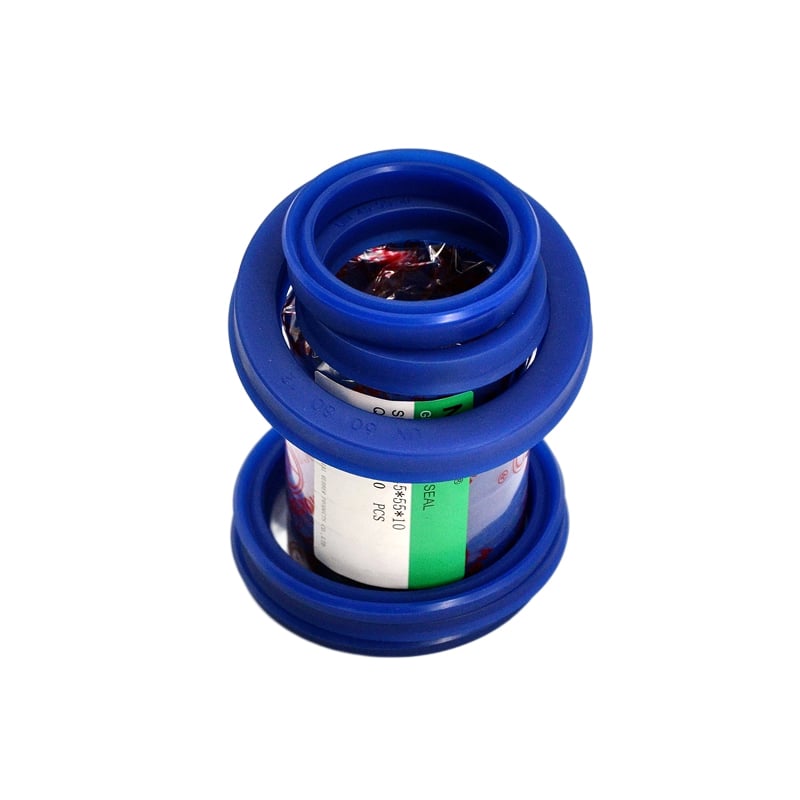
Pressure-resistant configurations often include reinforced structures that help the lip maintain contact stability under load.
Dust Is More Destructive Than Many People Realize
In mining, agriculture, and construction equipment, external contamination frequently causes more damage than the lubricant itself.
Fine dust particles can work their way beneath the sealing lip and act like abrasive compounds.
Over time, the shaft and sealing edge wear together, creating a leakage path.
Additional dust lips, exclusion features, or specialized sealing geometries are commonly used to manage these conditions.
Low Temperatures Change Material Flexibility
Rubber materials become less flexible as temperatures decrease.
At sufficiently low temperatures, a conventional seal may lose some ability to follow shaft movement or compensate for vibration.
This can increase startup leakage and reduce sealing effectiveness.
Special low-temperature compounds are formulated to remain more flexible under cold operating conditions.
Mud and Water Create Multiple Challenges at Once
Construction machinery rarely operates in clean environments.
Mud introduces abrasive particles. Water reduces lubrication quality. Repeated contamination cycles place continuous stress on the sealing system.
In these situations, the goal is not only keeping oil inside the equipment. It is also preventing contaminants from entering.
Multiple-lip designs and enhanced exclusion structures are often preferred for such applications.
Harsh Conditions Require a Different Selection Mindset
Many failures are not caused by poor seal quality.
The real issue is that the operating environment changed while the seal specification did not.
Selecting a seal according to pressure, contamination level, temperature range, and moisture exposure usually leads to more stable operating performance and lower maintenance frequency.
 Hot News
ShanFeng Special Rubber Products Co., Ltd., operating under brand NQKSF since 1990, is a global leader in the sealing industry.
Copyright © 2026 ShanFeng Special Rubber Products Co., Ltd. All rights reserved. Privacy Policy
 EN
EN