Complete Guide to Oil Seals Types: Advanced Sealing Solutions for Industrial Applications

All Categories

oil seals types

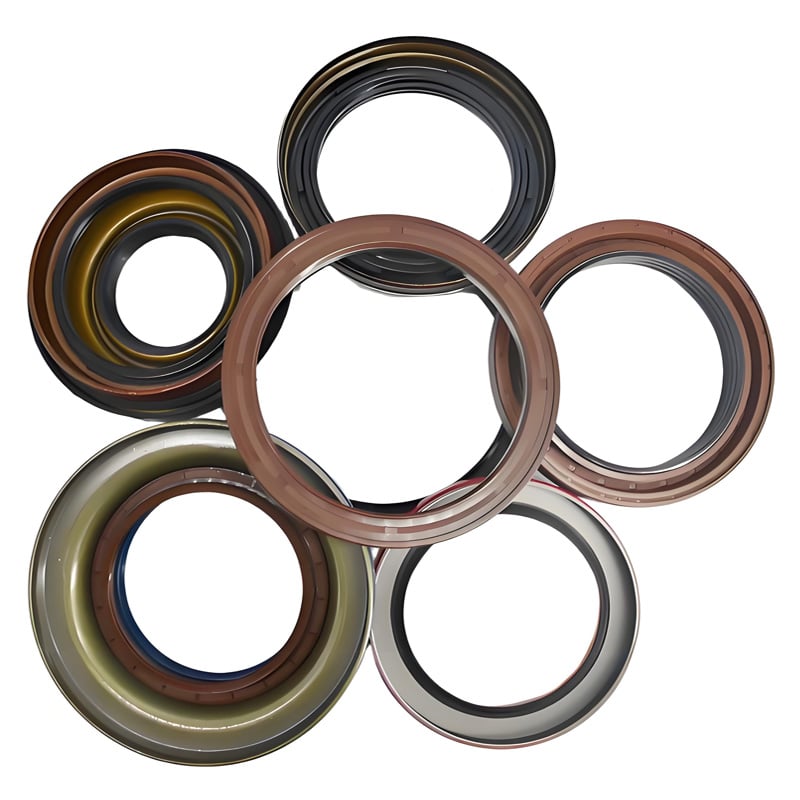
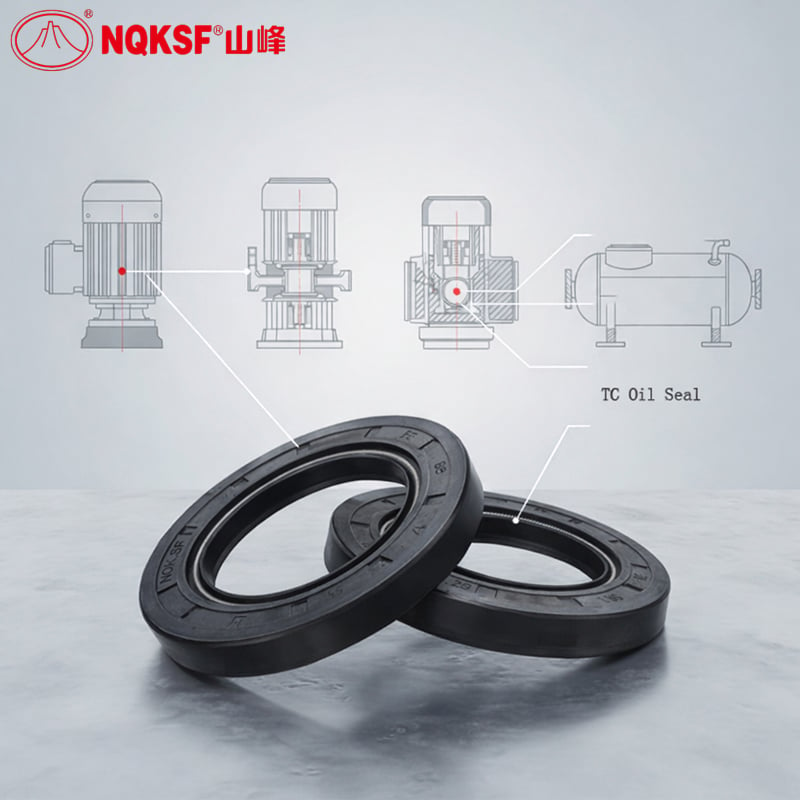
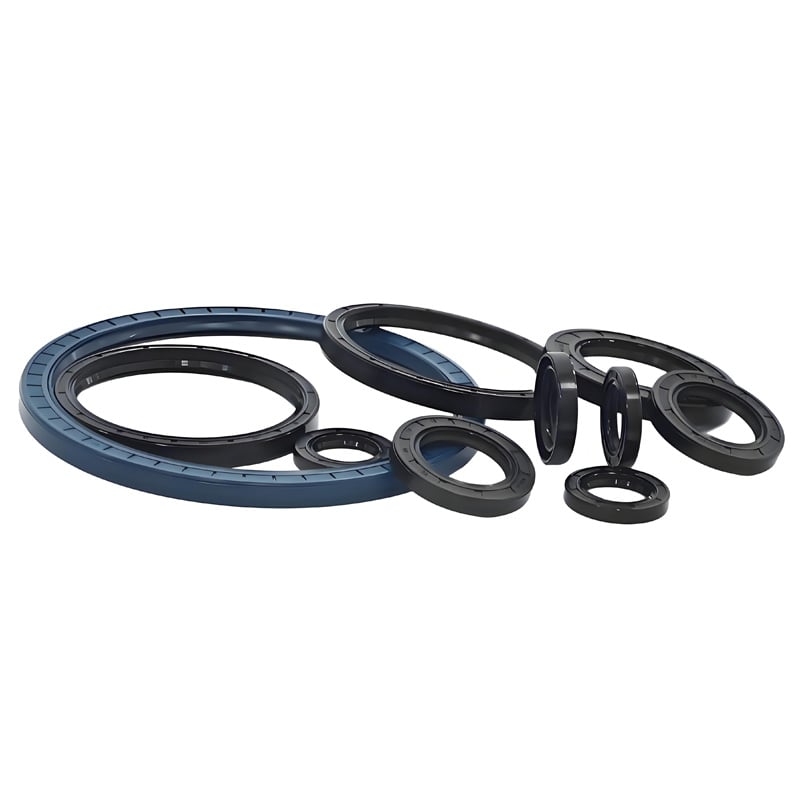
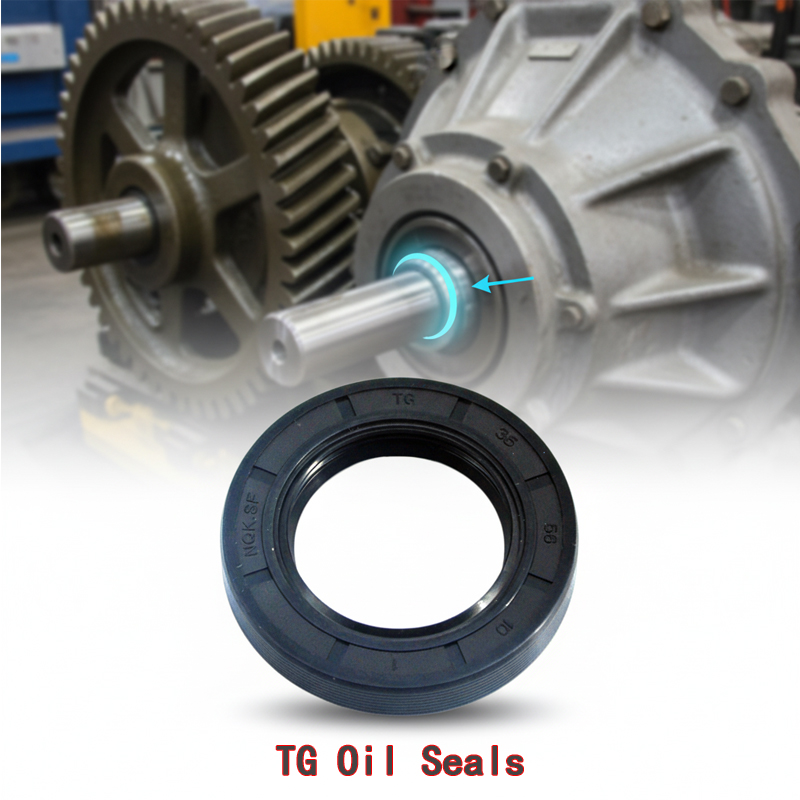
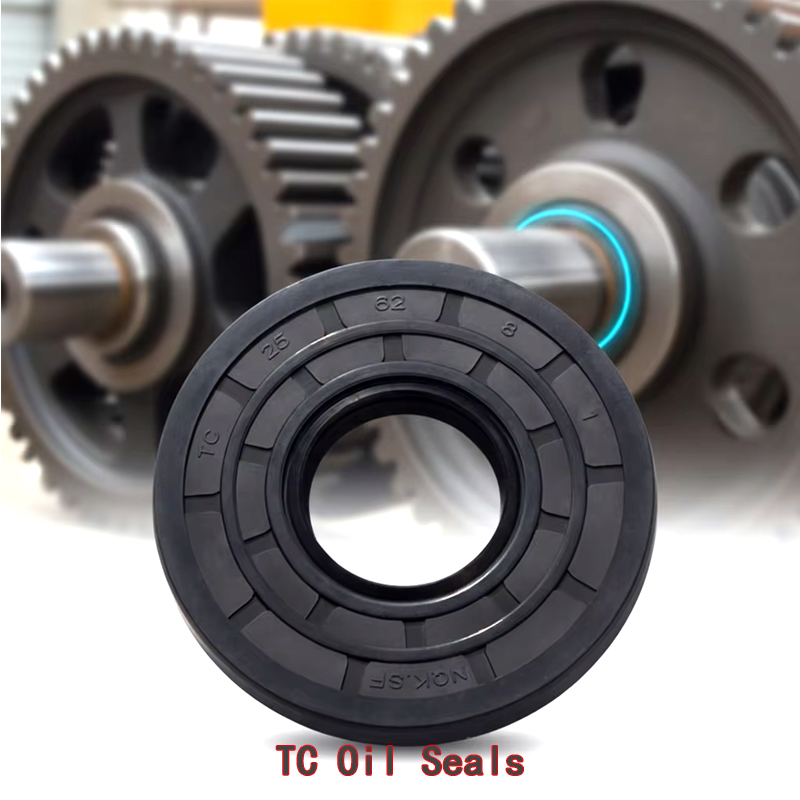
Oil seals types represent critical mechanical components designed to prevent fluid leakage and contamination in rotating and reciprocating machinery. These essential sealing solutions create barriers between moving parts and stationary surfaces, ensuring optimal equipment performance across diverse industrial applications. The primary function of various oil seals types involves containing lubricants within mechanical systems while excluding external contaminants such as dirt, moisture, and debris. Modern oil seals types incorporate advanced materials including nitrile rubber, fluorocarbon elastomers, and polytetrafluoroethylene compounds that deliver exceptional chemical resistance and temperature stability. Technological features of contemporary oil seals types include precision-molded lip designs that maintain consistent contact pressure against rotating shafts, spring-energized configurations that compensate for wear and thermal expansion, and specialized surface treatments that reduce friction and extend service life. Manufacturing processes for oil seals types utilize computer-controlled molding systems that ensure dimensional accuracy and consistent quality across production batches. The sealing mechanism relies on controlled interference between the seal lip and shaft surface, creating a thin film of lubricant that provides both sealing effectiveness and lubrication for the contact zone. Applications for oil seals types span automotive transmissions, hydraulic cylinders, industrial gearboxes, agricultural equipment, construction machinery, and aerospace systems where reliable fluid containment remains paramount. Different oil seals types accommodate varying operating conditions including high-pressure environments, extreme temperatures, aggressive chemical exposure, and high-speed rotation requirements. Installation considerations for oil seals types involve proper shaft preparation, correct seal orientation, appropriate tooling usage, and adherence to specified interference fits that optimize sealing performance while minimizing installation damage.

New Products

Oil seals types deliver substantial cost savings by preventing expensive fluid losses and reducing maintenance requirements throughout equipment lifecycles. These sealing solutions eliminate the need for frequent lubricant replacement while protecting internal components from premature wear caused by contamination ingress. The superior durability of modern oil seals types translates into extended service intervals and reduced downtime costs for industrial operations. Advanced materials used in contemporary oil seals types resist degradation from temperature extremes, chemical exposure, and mechanical stress, ensuring consistent performance under challenging operating conditions. Installation simplicity represents another significant advantage as most oil seals types require minimal specialized tools and can be replaced quickly during routine maintenance procedures. The compact design of oil seals types enables their integration into space-constrained applications where alternative sealing methods would prove impractical or impossible. Environmental compliance benefits emerge from the leak-prevention capabilities of oil seals types, which help organizations meet stringent regulations regarding fluid containment and environmental protection. Performance reliability of quality oil seals types reduces the risk of unexpected equipment failures that could result in production losses and safety hazards. The wide temperature operating range of modern oil seals types accommodates applications from arctic conditions to high-temperature industrial processes without compromising sealing effectiveness. Chemical compatibility features of specialized oil seals types enable their use with aggressive fluids including synthetic lubricants, hydraulic fluids, and industrial solvents. Low-friction characteristics of precision-manufactured oil seals types minimize power consumption and heat generation in high-speed applications. The availability of custom oil seals types allows engineers to optimize sealing solutions for specific application requirements including unusual shaft sizes, unique groove configurations, or specialized material needs. Quality oil seals types maintain consistent sealing contact throughout their service life through spring-energized designs that compensate for normal wear and thermal expansion effects.

Practical Tips

What Should You Look for in a Quality Rotary Shaft Seal?

27

Nov

What Should You Look for in a Quality Rotary Shaft Seal?

Industrial machinery relies heavily on effective sealing solutions to prevent contamination, maintain lubrication, and ensure optimal performance. Among the most critical components in rotating equipment, the rotary shaft seal stands as a fundamental...
View More
Which Rubber Oil Seal Materials Fit Heavy-Duty Machinery?

06

Jan

Which Rubber Oil Seal Materials Fit Heavy-Duty Machinery?

Heavy-duty machinery operates under extreme conditions that demand reliable sealing solutions to prevent fluid leakage and contamination. The selection of appropriate rubber oil seal materials plays a critical role in maintaining equipment performanc...
View More
What Is the Correct Installation Method for Oil Seals?

06

Jan

What Is the Correct Installation Method for Oil Seals?

Fundamentals of Proper Oil Seal Installation in Mechanical Systems Correct installation is one of the most critical factors affecting Oil Seal performance and service life. Even a high-quality Oil Seal can fail prematurely if it is installed incorrec...
View More
How to Choose the Right O Ring for Industrial Equipment?

22

Apr

How to Choose the Right O Ring for Industrial Equipment?

Selecting the appropriate o ring for industrial equipment requires careful consideration of multiple technical factors that directly impact system performance and operational reliability. The wrong o ring choice can lead to catastrophic seal failure,...
View More

Get a Free Quote

Our representative will contact you soon.
Email
Telephone
Name
Company Name
Message
0/1000

oil seals types

Advanced Material Technology for Superior Performance

Advanced Material Technology for Superior Performance

The exceptional material technology employed in modern oil seals types represents a cornerstone advantage that sets these components apart from conventional sealing solutions. Contemporary oil seals types utilize sophisticated elastomer compounds including fluorocarbon materials, high-performance nitrile rubber, and specialized thermoplastic elastomers that deliver unmatched resistance to chemical degradation, temperature extremes, and mechanical stress. These advanced materials undergo rigorous testing protocols to ensure compatibility with diverse fluid types including synthetic lubricants, bio-based oils, and aggressive industrial chemicals. The molecular structure of materials used in premium oil seals types incorporates cross-linking agents and stabilizers that prevent polymer chain breakdown under demanding operating conditions. Manufacturing processes for high-quality oil seals types involve precision compounding techniques that ensure uniform material properties throughout the seal structure, eliminating weak points that could lead to premature failure. The surface characteristics of materials used in oil seals types feature controlled roughness patterns that optimize fluid film formation while minimizing friction and wear. Thermal stability testing of oil seals types materials confirms their ability to maintain sealing effectiveness across temperature ranges from minus forty degrees Celsius to over two hundred degrees Celsius without losing elasticity or developing permanent deformation. Chemical resistance evaluation procedures for oil seals types materials involve extended exposure testing with various fluid types to verify long-term compatibility and performance retention. The durability benefits of advanced materials in oil seals types translate directly into reduced replacement frequency and lower total cost of ownership for end users.
Precision Engineering for Optimal Sealing Contact

Precision Engineering for Optimal Sealing Contact

The precision engineering principles applied to oil seals types manufacturing ensure optimal sealing contact that maintains effectiveness throughout extended service periods while minimizing friction and wear. Computer-aided design systems used in developing oil seals types incorporate fluid dynamics modeling and finite element analysis to optimize lip geometry, contact pressure distribution, and spring characteristics for specific application requirements. Manufacturing tolerances for quality oil seals types typically maintain dimensional accuracy within micrometers, ensuring consistent sealing performance across production batches and eliminating the variability that can compromise sealing effectiveness. The lip design of modern oil seals types features carefully engineered contact angles and surface profiles that create ideal sealing conditions while accommodating normal shaft runout and surface irregularities. Spring systems integrated into many oil seals types provide controlled radial force that maintains proper sealing contact as wear occurs and compensates for thermal expansion effects in both the seal and mating components. Surface finishing processes applied to oil seals types contact surfaces utilize specialized techniques that create optimal texture patterns for fluid film formation and seal longevity. Quality control procedures for oil seals types manufacturing include automated inspection systems that verify dimensional accuracy, surface finish quality, and material properties to ensure each component meets stringent performance specifications. The engineering precision achieved in oil seals types manufacturing enables these components to accommodate challenging operating conditions including high rotational speeds, pressure fluctuations, and shaft misalignment while maintaining reliable sealing performance. Installation features of precision-engineered oil seals types include chamfered edges and protective sleeves that prevent damage during assembly procedures.
Versatile Application Range Across Industries

Versatile Application Range Across Industries

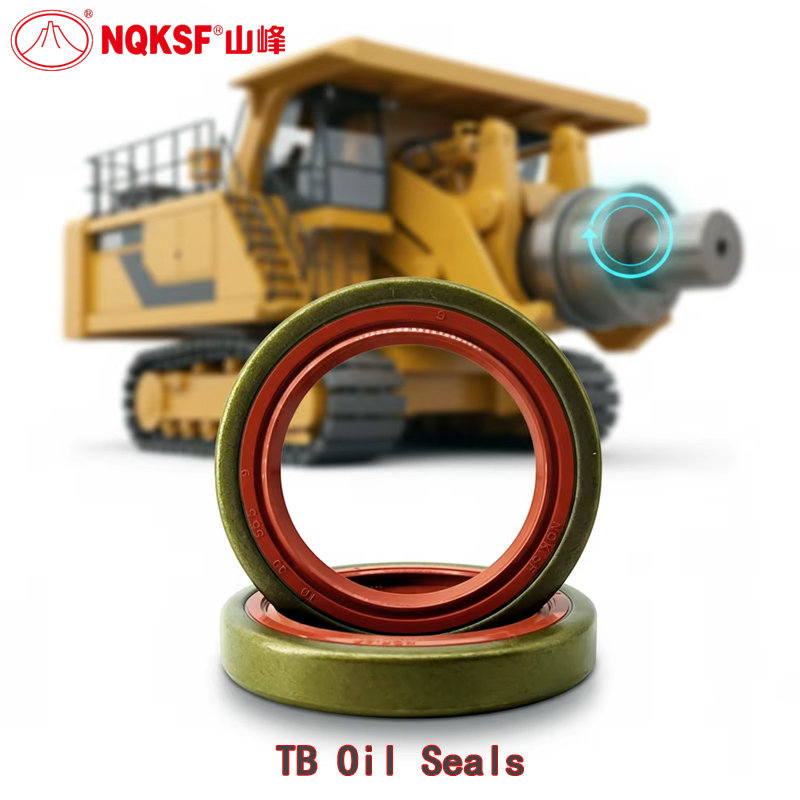
The remarkable versatility of oil seals types enables their successful deployment across an extensive range of industries and applications, demonstrating their adaptability to diverse operating environments and performance requirements. Automotive applications for oil seals types encompass engine crankshafts, transmission systems, differential assemblies, and wheel bearings where reliable fluid containment remains critical for vehicle performance and longevity. Industrial machinery utilizing oil seals types includes hydraulic systems, pneumatic equipment, gearboxes, pumps, and compressors that require dependable sealing solutions to maintain operational efficiency. Marine applications for specialized oil seals types involve propeller shafts, rudder systems, and engine components that must withstand saltwater exposure and challenging environmental conditions. Agricultural equipment relies on robust oil seals types for implements, tractors, and harvesting machinery that operate in dusty, debris-laden environments while maintaining reliable fluid containment. Construction machinery applications for oil seals types include excavators, bulldozers, and cranes where sealing components must endure extreme operating conditions including high pressures, temperature variations, and contamination exposure. Aerospace systems utilize precision oil seals types in aircraft engines, landing gear assemblies, and hydraulic systems where failure consequences demand the highest reliability standards. Food processing equipment employs specialized oil seals types manufactured from FDA-approved materials that ensure product safety while maintaining effective sealing performance. Power generation facilities depend on oil seals types for turbine systems, generators, and auxiliary equipment where uninterrupted operation remains essential for grid stability. The customization capabilities of oil seals types manufacturers enable the development of specialized solutions for unique applications including unusual shaft sizes, extreme operating conditions, and specific regulatory requirements that standard components cannot address effectively.

Get a Free Quote

Our representative will contact you soon.
Email
Telephone
Name
Company Name
Message
0/1000