Premium Rubber Seal Factory - Advanced Manufacturing Solutions for Industrial Sealing Applications

All Categories

rubber seal factory

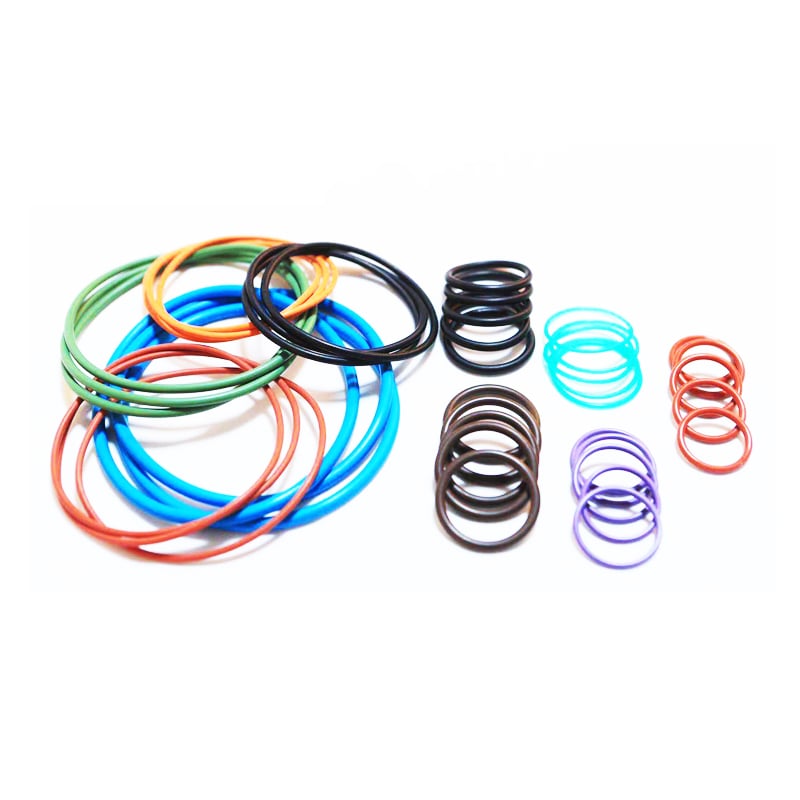
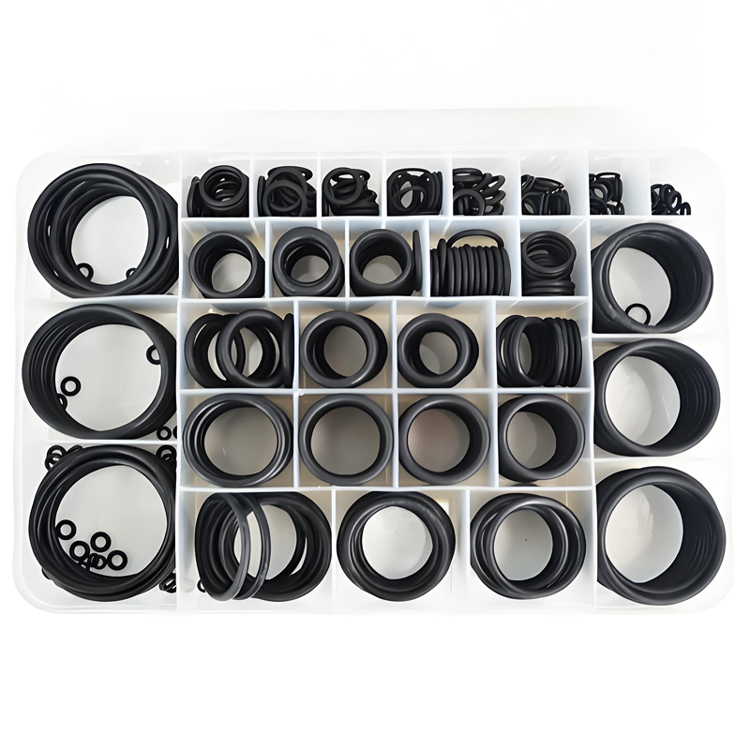
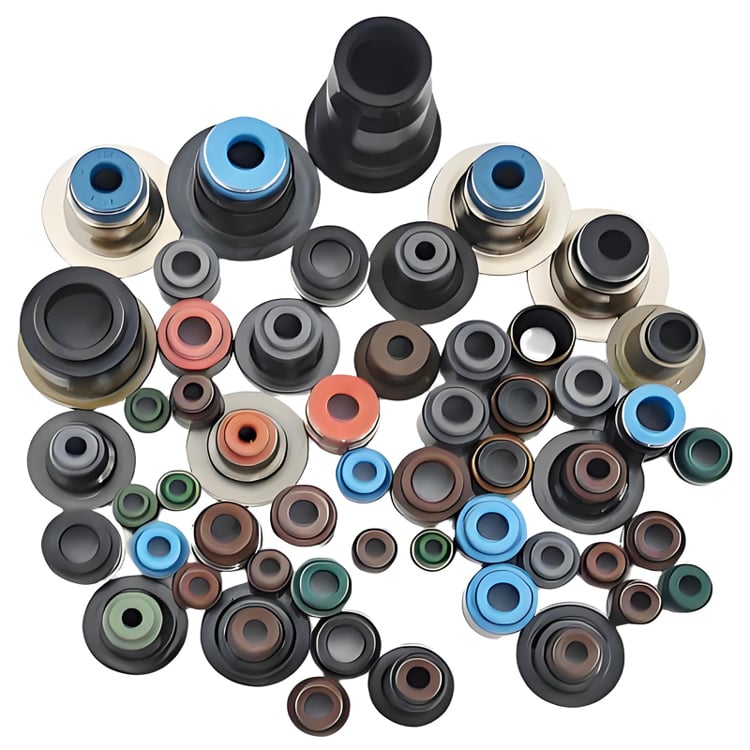
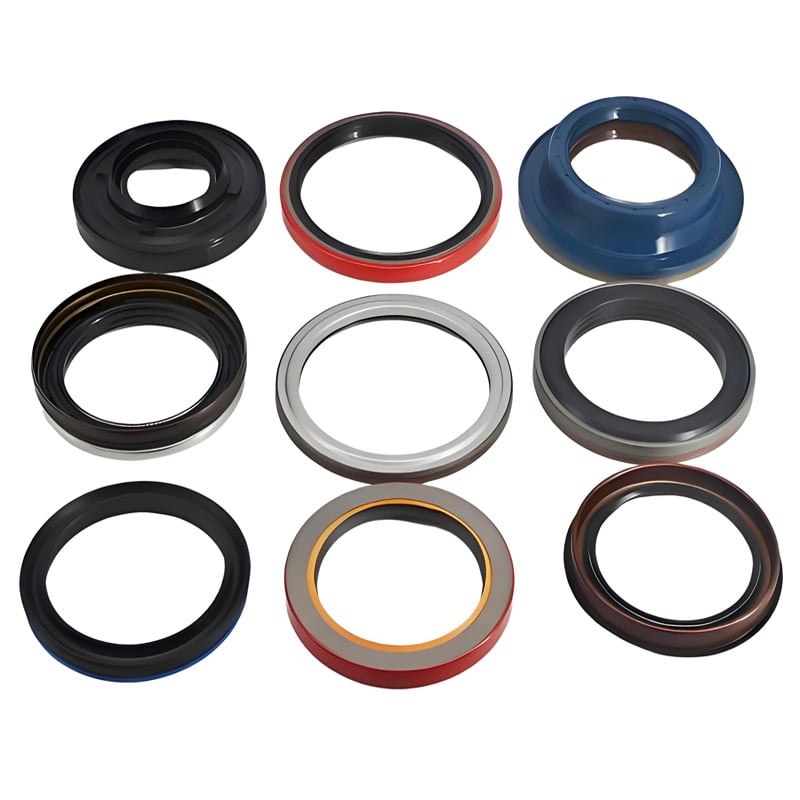
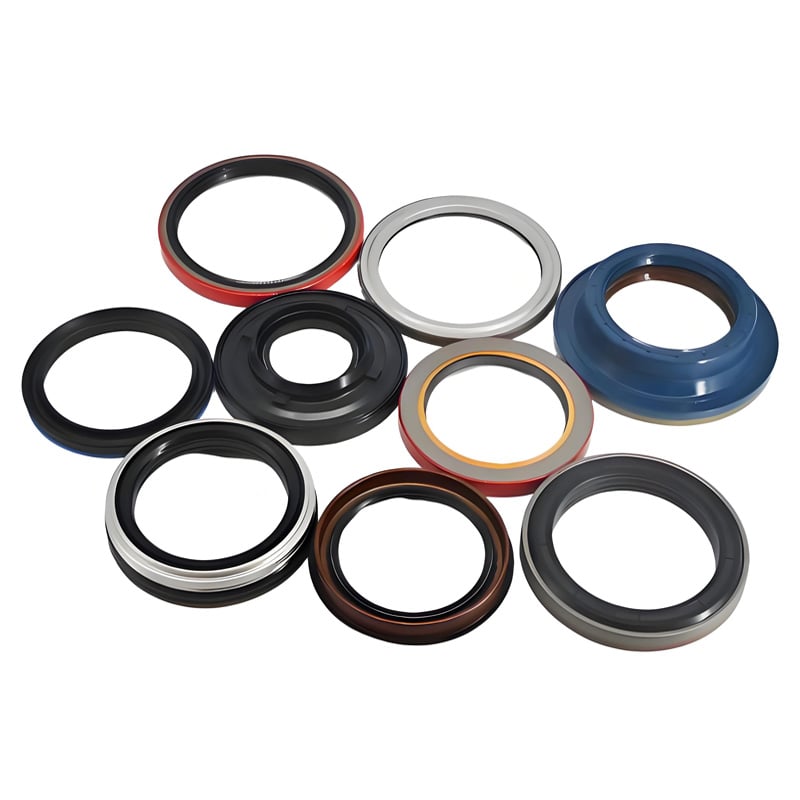
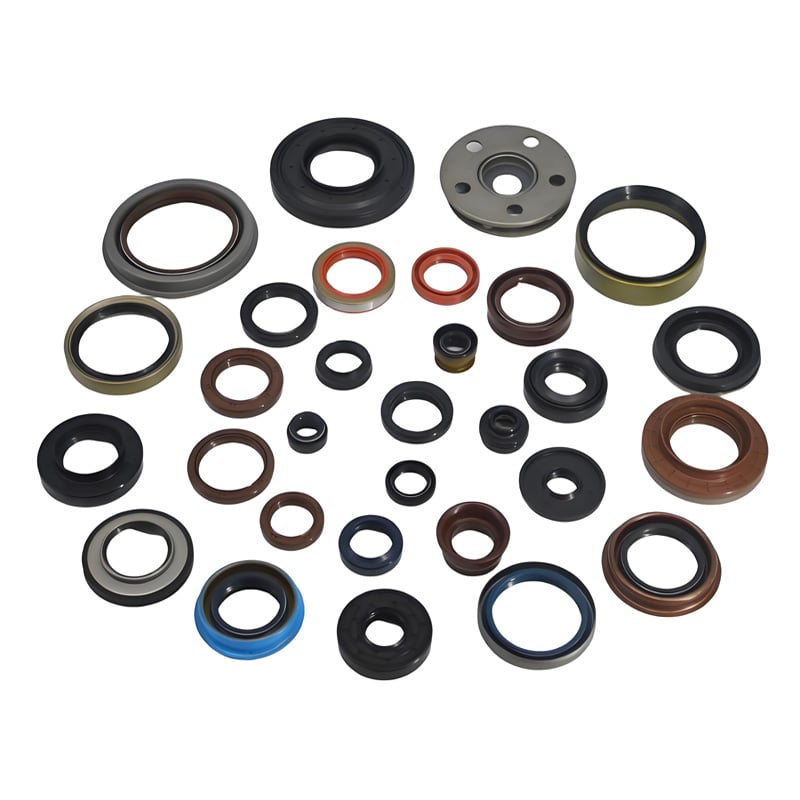
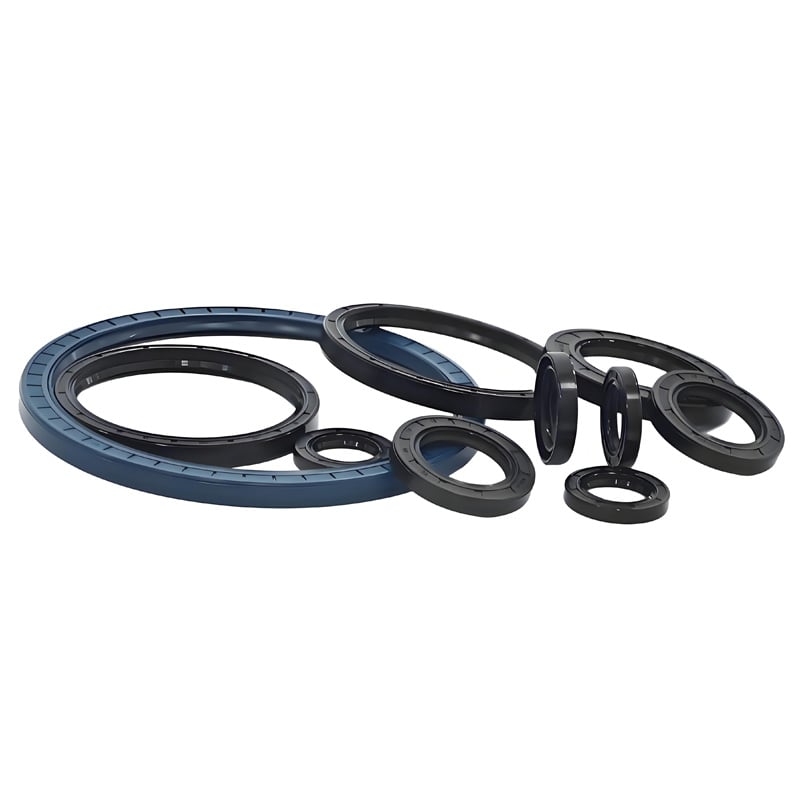
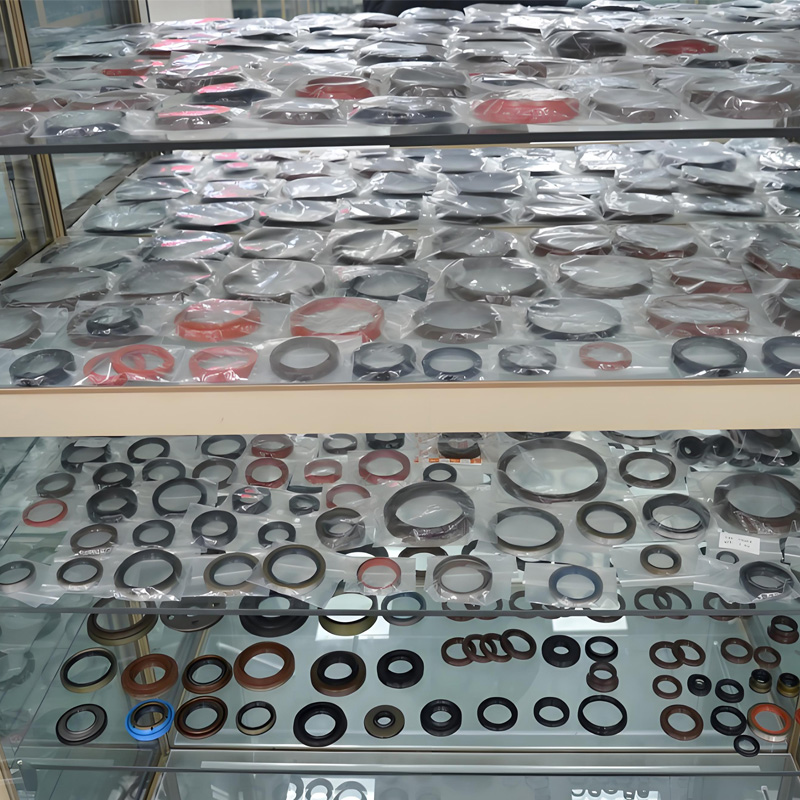
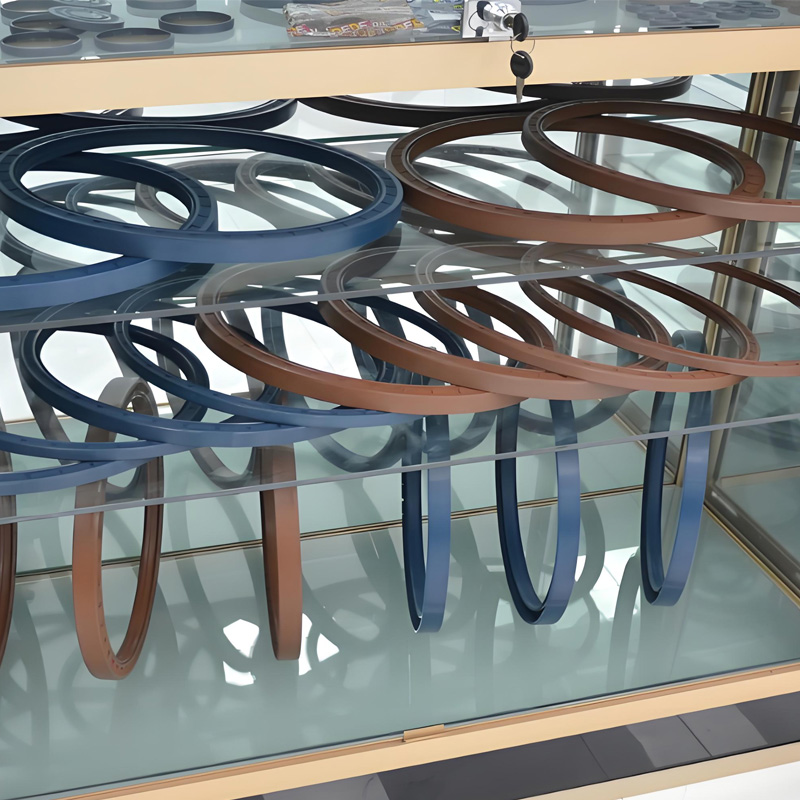
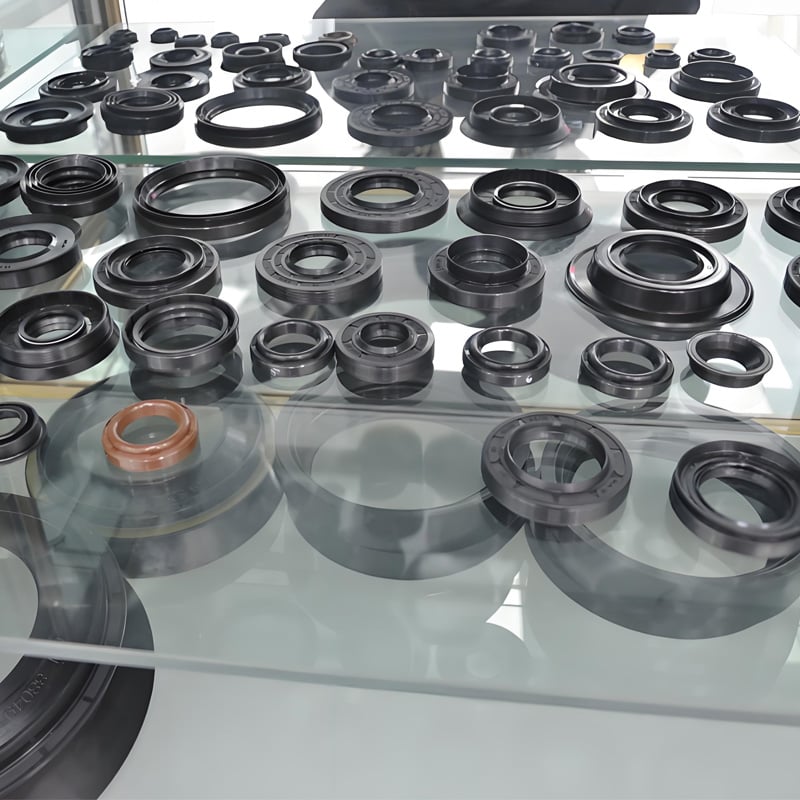
A rubber seal factory represents a specialized manufacturing facility dedicated to producing high-quality sealing solutions for diverse industrial applications. These advanced manufacturing centers combine cutting-edge technology with precision engineering to create rubber seals that meet stringent performance standards across multiple sectors. The primary function of a rubber seal factory involves transforming raw rubber materials into precisely engineered sealing components through sophisticated molding, vulcanization, and quality control processes. Modern rubber seal factory operations utilize computer-controlled machinery and automated production lines to ensure consistent dimensional accuracy and material properties. The technological features of contemporary rubber seal factory facilities include multi-cavity injection molding systems, compression molding equipment, and transfer molding capabilities that enable efficient production of complex seal geometries. Advanced rubber seal factory installations incorporate temperature-controlled curing ovens, precision mixing equipment for rubber compounds, and automated trimming systems that remove excess material from finished products. Quality assurance laboratories within each rubber seal factory conduct comprehensive testing procedures including durometer measurements, tensile strength evaluations, and chemical resistance assessments. These facilities serve automotive manufacturers by producing engine gaskets, transmission seals, and weatherstripping components that withstand extreme operating conditions. Aerospace applications demand specialized rubber seals manufactured in certified rubber seal factory environments that meet stringent aviation standards for fuel resistance and temperature stability. Industrial machinery manufacturers rely on rubber seal factory products for hydraulic systems, pneumatic equipment, and rotating shaft applications where leak-proof performance is critical. The versatility of modern rubber seal factory operations enables custom seal development for unique applications ranging from medical device sealing to marine equipment protection. Environmental compliance represents another crucial aspect of rubber seal factory operations, with facilities implementing waste reduction programs and energy-efficient manufacturing processes that minimize ecological impact while maintaining production excellence.

New Products

Operating a modern rubber seal factory provides numerous compelling benefits that directly impact customer satisfaction and business success. Cost-effectiveness stands as a primary advantage, as centralized rubber seal factory production enables economies of scale that reduce per-unit manufacturing costs significantly compared to outsourced alternatives. Customers benefit from competitive pricing structures while maintaining access to premium-quality sealing solutions that meet their specific requirements. Quality control represents another major strength of dedicated rubber seal factory operations, with specialized equipment and trained personnel ensuring consistent product specifications across large production runs. This systematic approach eliminates quality variations that often plague smaller manufacturing operations, providing customers with reliable performance characteristics they can depend upon. Speed and efficiency characterize modern rubber seal factory workflows, where automated production lines and optimized material handling systems reduce lead times substantially. Customers receive their orders faster, enabling them to maintain lean inventory levels and respond quickly to market demands without compromising product availability. Customization capabilities within a rubber seal factory environment allow for rapid prototyping and design modifications that meet unique application requirements. Engineering teams collaborate directly with customers to develop specialized sealing solutions that address specific challenges, from extreme temperature resistance to chemical compatibility concerns. Technical expertise concentrated within rubber seal factory facilities provides customers with valuable consultation services throughout the product development process. Experienced engineers offer material selection guidance, design optimization recommendations, and performance validation testing that ensures optimal seal performance in real-world applications. Supply chain reliability emerges as another significant advantage, with established rubber seal factory operations maintaining consistent raw material sourcing and production scheduling that prevents supply disruptions. This dependability allows customers to plan production schedules confidently without worrying about component shortages. Environmental responsibility within modern rubber seal factory operations demonstrates commitment to sustainable manufacturing practices that align with corporate social responsibility goals. Customers increasingly value suppliers who prioritize environmental stewardship through waste reduction initiatives and energy-efficient production methods. Innovation drives continuous improvement within rubber seal factory environments, where research and development teams explore new materials, manufacturing techniques, and design approaches that enhance product performance while reducing costs.

Practical Tips

Why Do Professionals Prefer Premium Hydraulic Shaft Seal?

27

Nov

Why Do Professionals Prefer Premium Hydraulic Shaft Seal?

Industrial professionals across manufacturing, construction, and heavy machinery sectors consistently choose premium hydraulic shaft seals for their critical applications. These specialized sealing components serve as the backbone of hydraulic system...
View More
What Are the Main Advantages of Using Shaft Oil Seals in Industrial Equipment?

27

Nov

What Are the Main Advantages of Using Shaft Oil Seals in Industrial Equipment?

Industrial machinery operates under demanding conditions where contamination, fluid leakage, and component wear can lead to costly downtime and equipment failure. Shaft oil seals represent one of the most critical components in maintaining machinery ...
View More
Oil Seal Brand Rankings?

06

Jan

Oil Seal Brand Rankings?

Understanding Oil Seal Quality and Market Evaluation In industrial transmission systems, fluid control assemblies, and rotating machinery, the oil seal plays a fundamental role in maintaining performance stability and operational safety. An oil seal ...
View More
What Are the Key Lip Design Considerations for Skeleton Oil Seals?

22

Apr

What Are the Key Lip Design Considerations for Skeleton Oil Seals?

The effectiveness of any oil seal fundamentally depends on its lip design, which forms the critical interface between the sealing element and the shaft surface. For skeleton oil seals specifically, the lip configuration determines sealing performance...
View More

Get a Free Quote

Our representative will contact you soon.
Email
Telephone
Name
Company Name
Message
0/1000

rubber seal factory

Advanced Manufacturing Technology and Precision Engineering

Advanced Manufacturing Technology and Precision Engineering

The cornerstone of any successful rubber seal factory lies in its sophisticated manufacturing technology and precision engineering capabilities that deliver superior sealing solutions. Modern rubber seal factory installations feature state-of-the-art injection molding systems equipped with computer-controlled temperature regulation, pressure monitoring, and cycle time optimization that ensures consistent product quality across every production run. These advanced systems enable precise control over rubber compound flow characteristics, curing parameters, and dimensional tolerances that are critical for achieving reliable seal performance. Multi-cavity tooling within the rubber seal factory environment maximizes production efficiency while maintaining strict geometric accuracy, allowing simultaneous production of multiple seal components with identical specifications. The integration of automated material handling systems throughout the rubber seal factory eliminates human error in compound preparation and reduces contamination risks that could compromise seal integrity. Precision mixing equipment ensures homogeneous distribution of additives, fillers, and curing agents within rubber compounds, creating uniform material properties that translate into predictable seal behavior under operating conditions. Advanced vulcanization processes within the rubber seal factory utilize precisely controlled heating cycles that optimize crosslink density and mechanical properties while minimizing material degradation. Quality monitoring systems continuously track critical parameters including temperature profiles, pressure variations, and cure times to maintain optimal processing conditions throughout production cycles. The rubber seal factory commitment to technological excellence extends to post-molding operations where automated trimming systems remove flash material with micron-level precision, ensuring clean seal surfaces that facilitate proper installation and optimal sealing performance. Dimensional inspection equipment including coordinate measuring machines and optical comparators verify that every seal meets specified tolerances before packaging and shipment. This comprehensive approach to manufacturing technology and precision engineering within the rubber seal factory environment guarantees that customers receive sealing components that perform reliably in their intended applications while meeting the most demanding quality standards.
Comprehensive Material Science and Custom Compound Development

Comprehensive Material Science and Custom Compound Development

A distinguishing feature of leading rubber seal factory operations is their comprehensive material science expertise and custom compound development capabilities that create tailored sealing solutions for specialized applications. The rubber seal factory laboratory serves as the innovation hub where experienced chemists and material scientists formulate proprietary rubber compounds that address specific performance requirements including temperature resistance, chemical compatibility, and mechanical durability. This technical depth enables the rubber seal factory to develop sealing materials that outperform standard compounds in challenging operating environments where conventional seals would fail prematurely. Advanced testing equipment within the rubber seal factory characterizes material properties including tensile strength, elongation at break, compression set resistance, and dynamic fatigue performance under simulated service conditions. These comprehensive evaluations ensure that custom-formulated compounds meet or exceed application requirements before entering production. The rubber seal factory maintains an extensive library of proven formulations spanning multiple elastomer families including nitrile rubber, fluorocarbon elastomers, silicone rubber, and specialty polymers that provide unique property combinations. Material selection expertise guides customers toward optimal compound choices based on their specific application parameters including fluid exposure, temperature cycling, and mechanical stress levels. Accelerated aging studies conducted within the rubber seal factory predict long-term performance characteristics and identify potential degradation mechanisms that could affect seal reliability over time. This predictive capability allows customers to make informed decisions about maintenance intervals and replacement schedules that optimize equipment uptime while minimizing unexpected failures. The rubber seal factory commitment to material innovation includes ongoing research into emerging elastomer technologies and additive systems that enhance performance while reducing environmental impact. Collaboration with raw material suppliers ensures access to the latest polymer developments and enables rapid incorporation of improved materials into production compounds. Quality assurance protocols within the rubber seal factory verify that every batch of custom compound meets specified properties through rigorous testing procedures that include physical property measurements, chemical analysis, and performance validation. This systematic approach to material science and custom compound development positions the rubber seal factory as a trusted partner for customers requiring specialized sealing solutions that cannot be addressed through standard catalog products.
Rapid Prototyping and Design Validation Services

Rapid Prototyping and Design Validation Services

The ability to provide rapid prototyping and comprehensive design validation services sets advanced rubber seal factory operations apart from traditional manufacturing suppliers by enabling customers to evaluate seal performance before committing to full production runs. Modern rubber seal factory facilities maintain dedicated prototyping departments equipped with small-scale molding equipment, 3D printing capabilities, and rapid tooling technologies that can produce functional seal samples within days rather than weeks. This accelerated development process allows customers to test multiple design iterations quickly and make informed decisions about optimal seal configurations for their specific applications. The rubber seal factory engineering team collaborates closely with customers throughout the prototyping phase, providing design optimization recommendations based on manufacturing constraints, material properties, and performance requirements. Computer-aided design software within the rubber seal factory enables precise modeling of seal geometries and stress distributions that predict performance characteristics under various loading conditions. Finite element analysis capabilities help identify potential failure modes and optimize seal designs for maximum durability and reliability in service. Physical testing of prototypes within the rubber seal factory validation laboratory subjects seal samples to simulated operating conditions including pressure cycling, temperature extremes, and fluid exposure that replicate real-world service environments. These comprehensive validation procedures verify that prototype seals meet performance specifications and identify any design modifications needed before production tooling is manufactured. The rubber seal factory maintains testing equipment for leak rate measurements, dynamic sealing evaluations, and accelerated life testing that provides quantitative data on seal performance characteristics. Documentation generated during the prototyping and validation process within the rubber seal factory includes detailed test reports, performance curves, and installation guidelines that support customer engineering efforts and facilitate successful seal integration. Material compatibility testing ensures that prototype seals perform properly with customer fluids and operating environments while identifying any potential degradation mechanisms that could affect long-term reliability. The rubber seal factory commitment to thorough design validation reduces customer risk by identifying and resolving potential issues before expensive production tooling is committed, saving both time and development costs while ensuring successful product launches.

Get a Free Quote

Our representative will contact you soon.
Email
Telephone
Name
Company Name
Message
0/1000