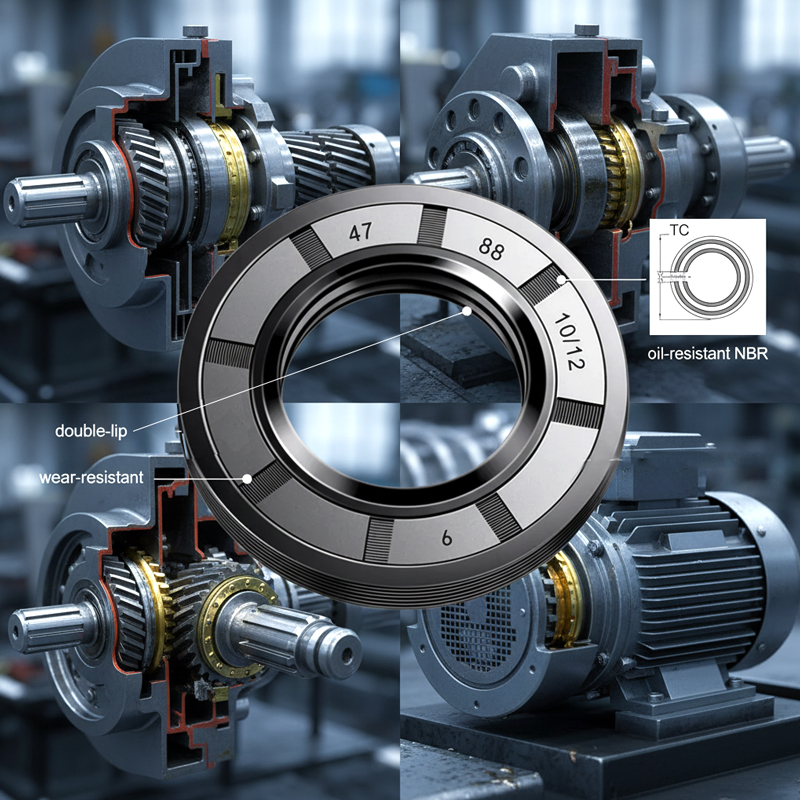
tcv oil seal
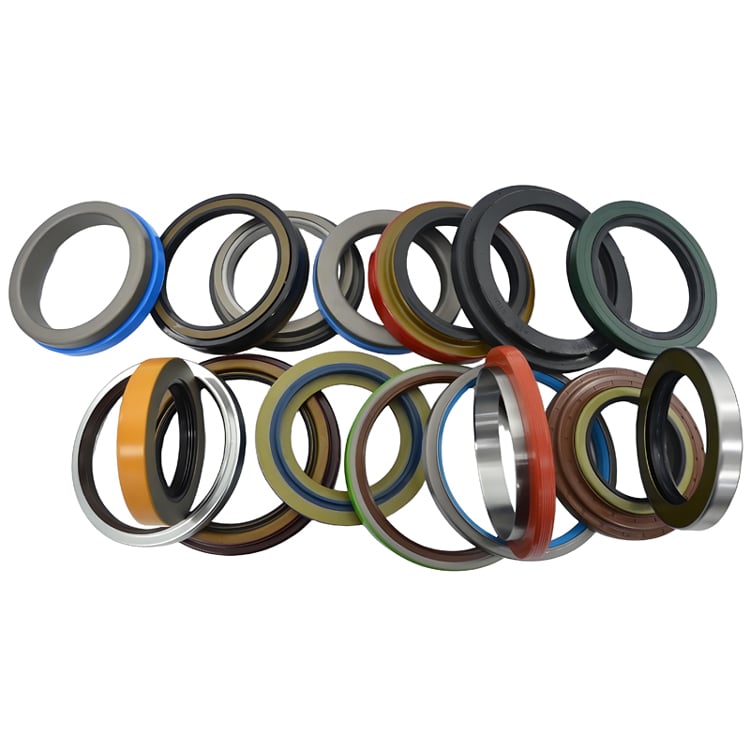
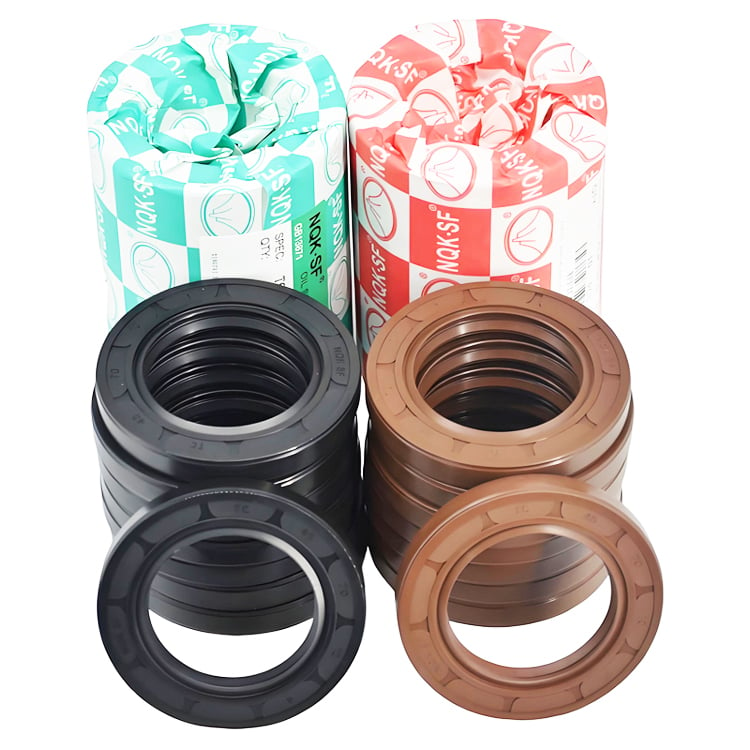
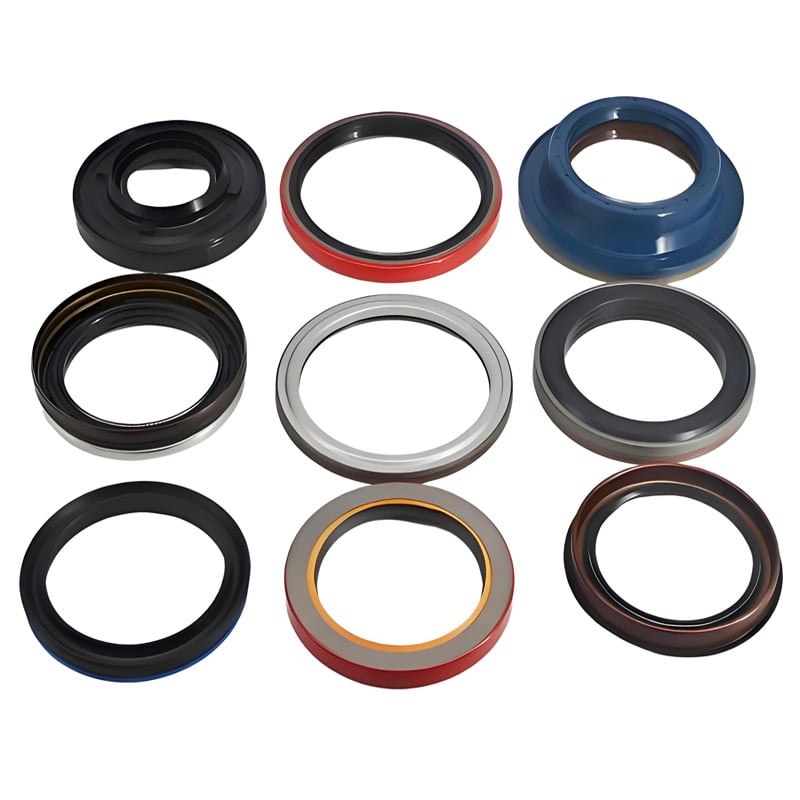
A tcv oil seal represents a critical component in modern transmission systems, designed to prevent fluid leakage and maintain optimal pressure within transmission and transfer case assemblies. The tcv oil seal operates by creating a hermetic barrier between rotating and stationary parts, effectively containing transmission fluid while preventing external contaminants from entering the system.
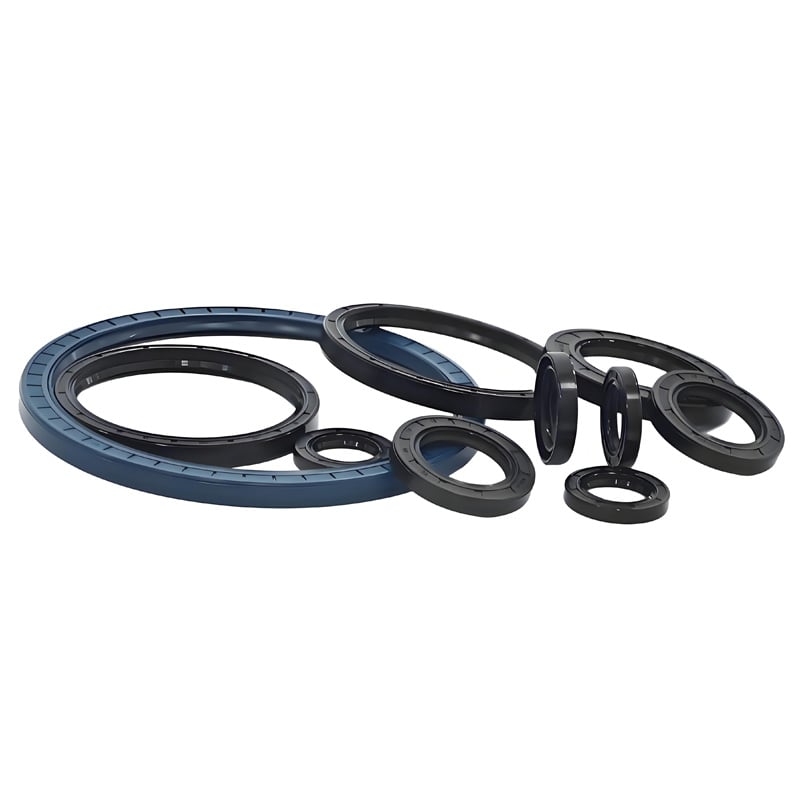
The technological features of a tcv oil seal include advanced elastomer materials that withstand extreme temperatures and pressures, precision engineering that ensures minimal friction during operation, and dual-lip designs that provide enhanced sealing capabilities. These seals are manufactured using state-of-the-art processes to guarantee dimensional accuracy and consistent performance across demanding applications.
The primary functions of a tcv oil seal involve maintaining fluid integrity, extending component lifespan, and ensuring reliable vehicle operation. By preventing transmission fluid loss, the tcv oil seal reduces maintenance costs and environmental impact. The seal also protects internal transmission components from moisture and debris contamination.
Applications for the tcv oil seal span across automotive, industrial machinery, and commercial vehicles. Heavy-duty trucks, SUVs, automatic transmissions, and transfer case assemblies all rely on high-quality tcv oil seals for dependable performance. Construction equipment, agricultural machinery, and marine vessels similarly benefit from effective tcv oil seal technology.
Manufacturers worldwide recognize the tcv oil seal as an essential element in achieving transmission durability and reliability. Modern vehicle designs increasingly demand superior sealing solutions, making the tcv oil seal indispensable for contemporary automotive engineering applications.

 EN
EN