Complete Guide to Lip Seals Types: Applications, Benefits, and Performance Solutions

All Categories

lip seals types

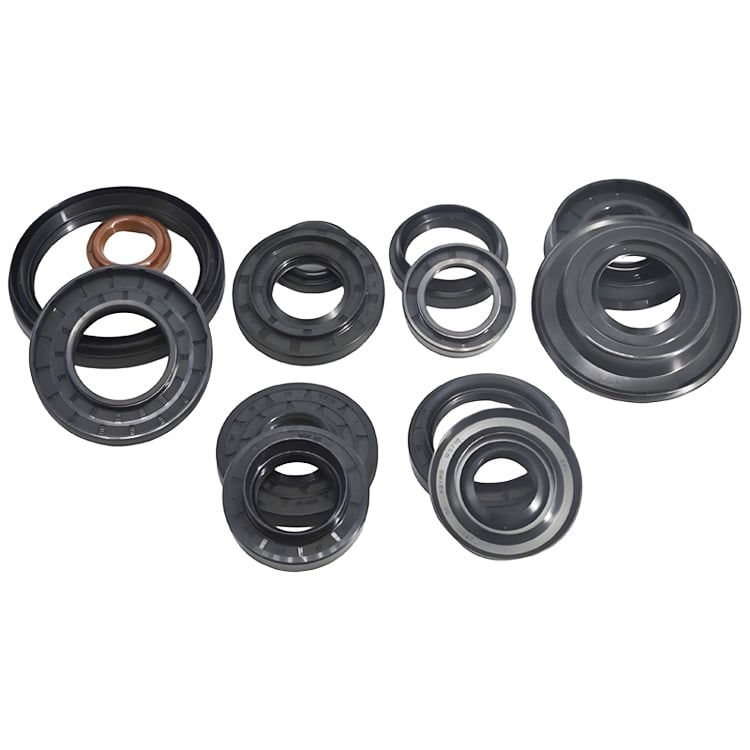
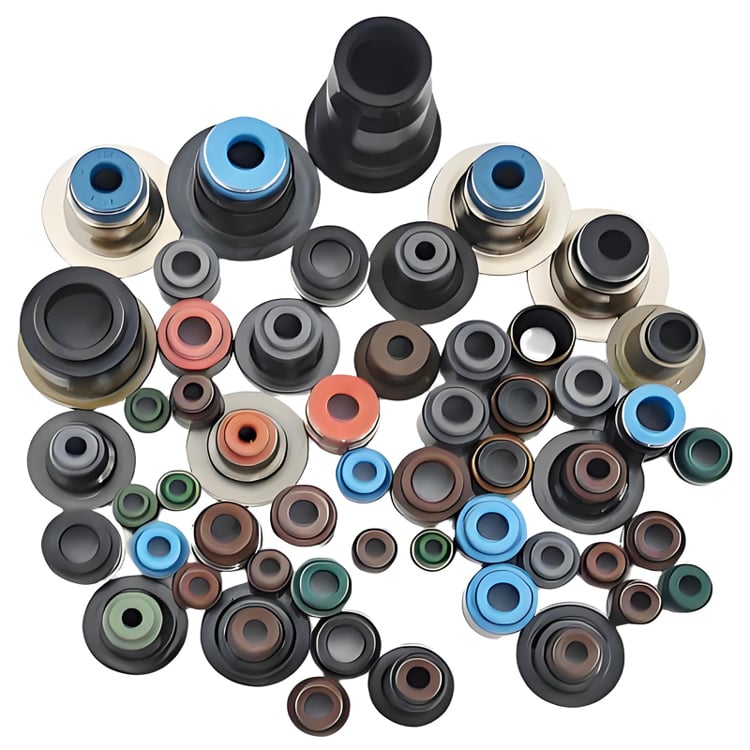
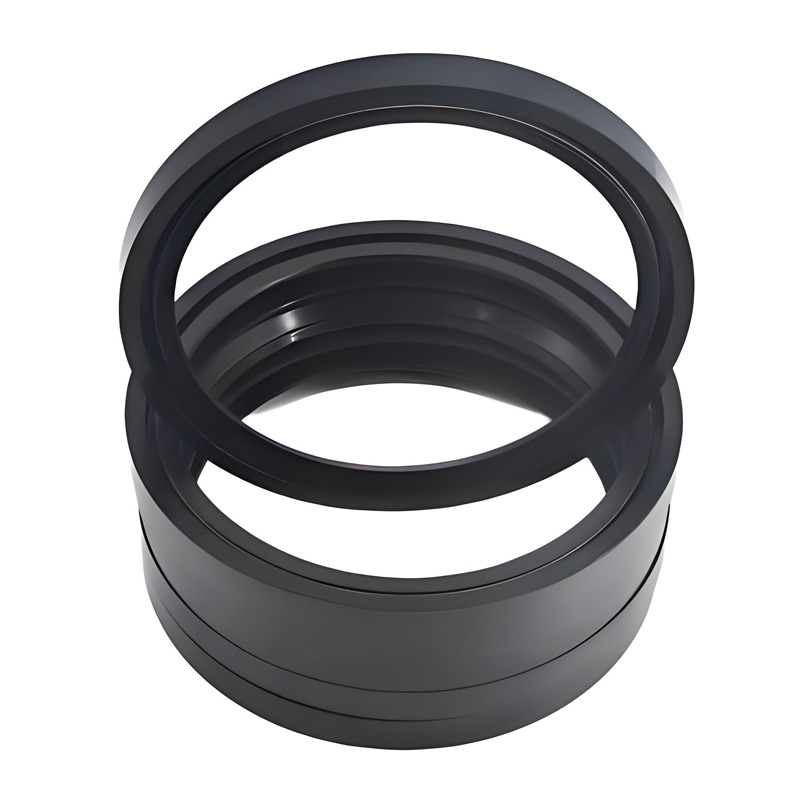
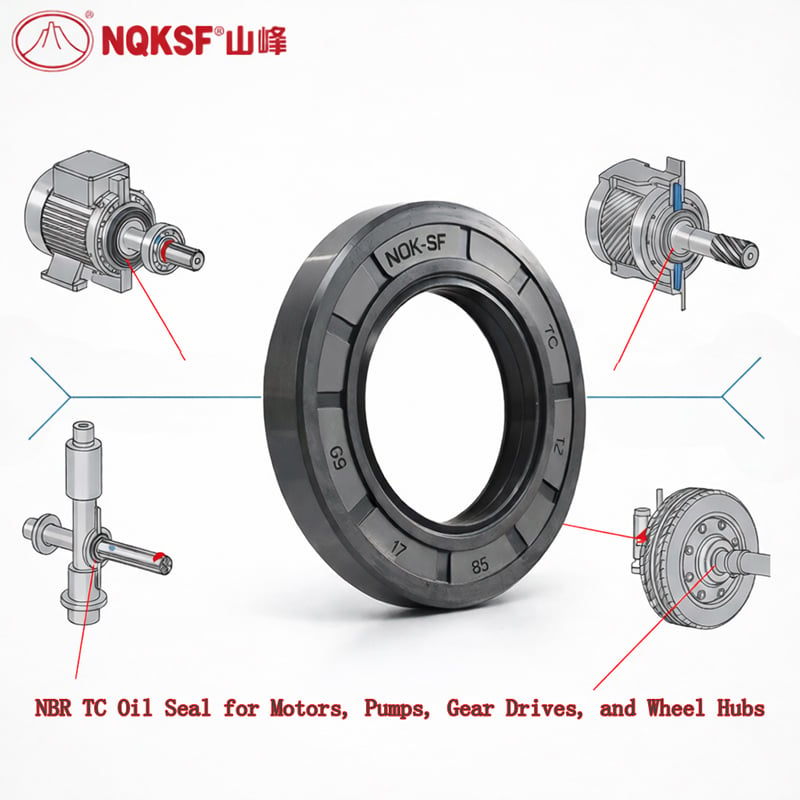
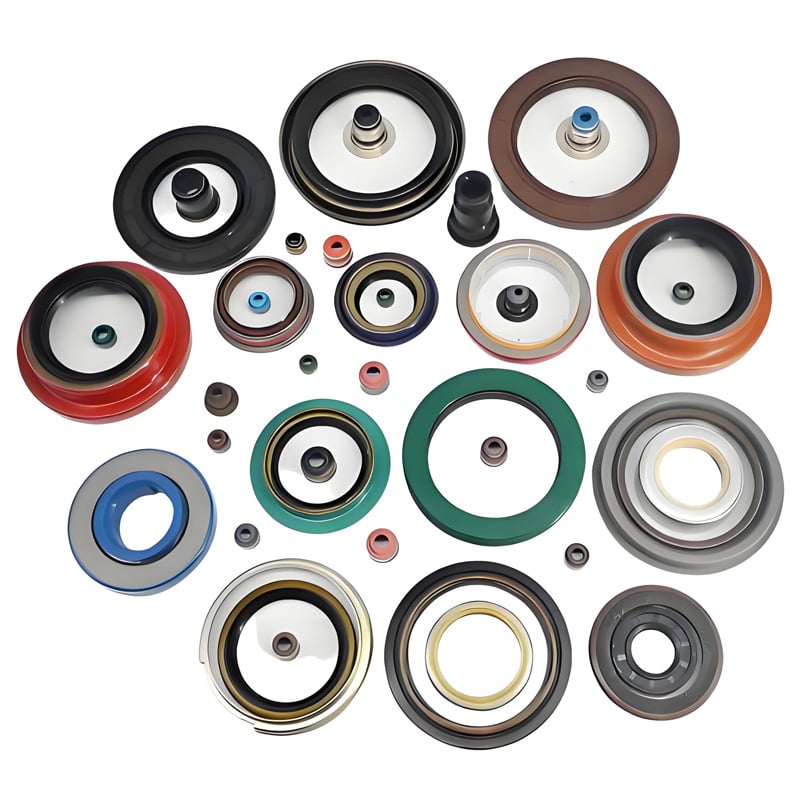
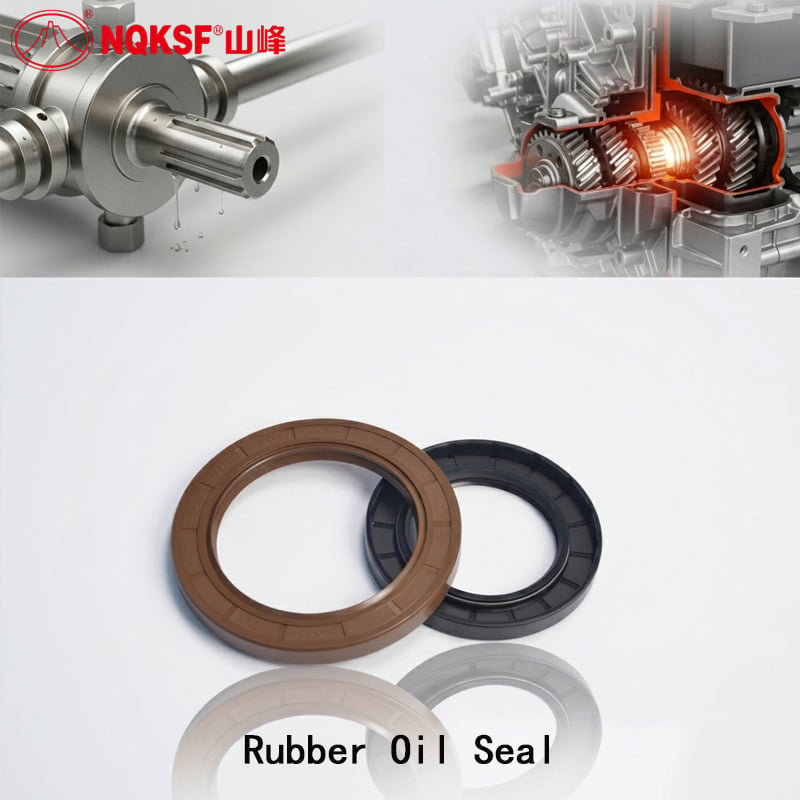
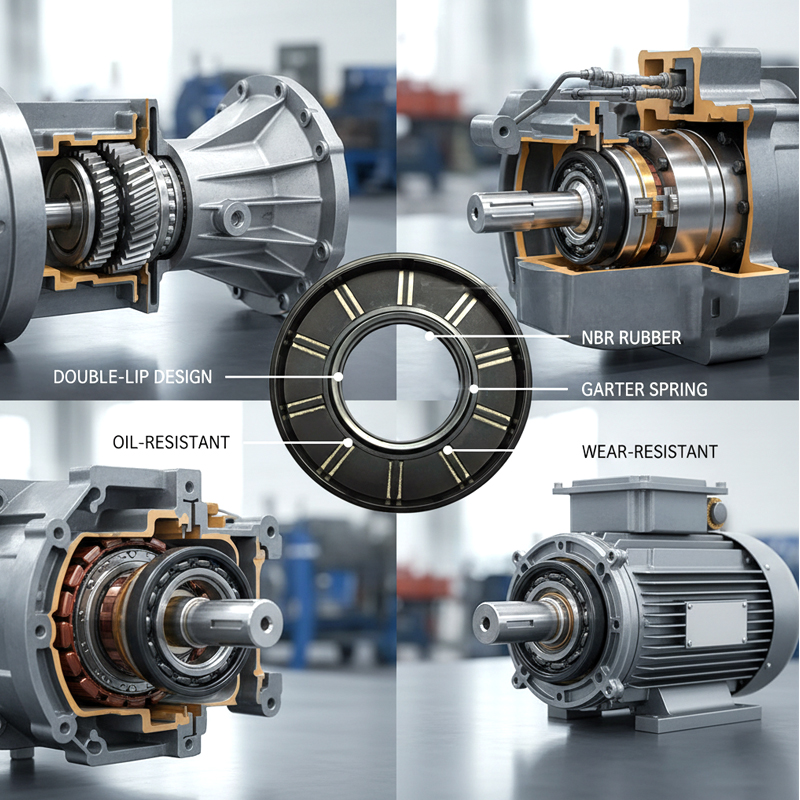
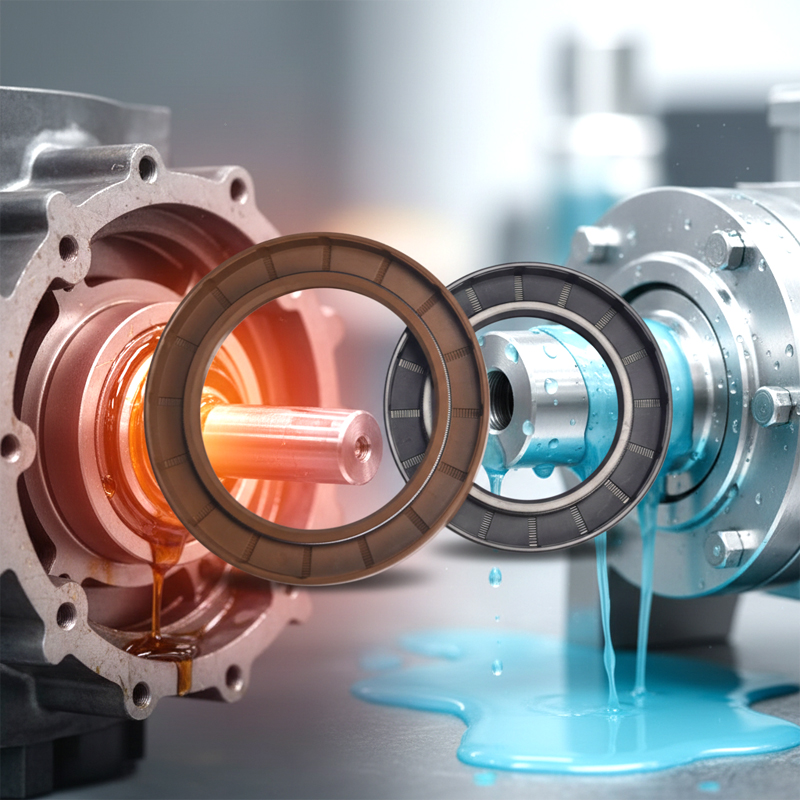
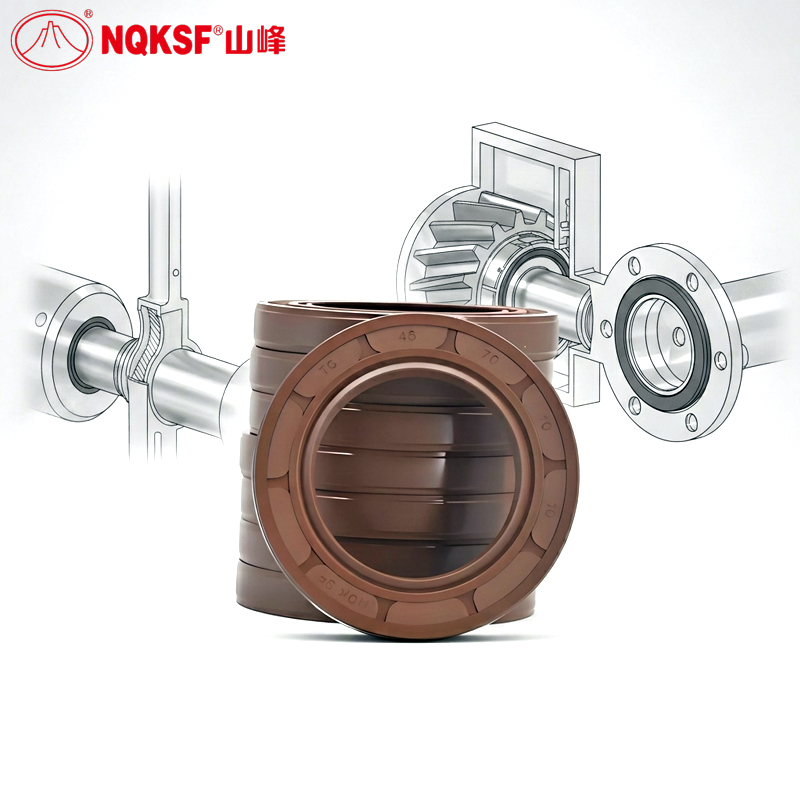
Lip seals types represent essential components in mechanical engineering, designed to prevent fluid leakage and contamination in rotating and reciprocating applications. These specialized sealing solutions create effective barriers between moving and stationary parts, maintaining system integrity across diverse industrial environments. The fundamental purpose of lip seals types involves containing lubricants, excluding contaminants, and ensuring optimal equipment performance throughout operational cycles. Modern lip seals types incorporate advanced materials and engineering principles to deliver superior sealing capabilities under varying pressure, temperature, and speed conditions. The technological foundation of these sealing systems relies on flexible lip geometries that maintain contact with moving surfaces while accommodating shaft irregularities and thermal expansion. Primary materials used in lip seals types include nitrile rubber, fluoroelastomer, polytetrafluoroethylene, and thermoplastic compounds, each selected based on specific chemical compatibility and performance requirements. Manufacturing processes for lip seals types involve precision molding techniques that ensure consistent dimensional accuracy and surface finish quality. Installation considerations for these sealing components include proper housing design, adequate lubrication, and correct compression settings to maximize service life. Performance characteristics of lip seals types encompass low friction operation, excellent wear resistance, and reliable sealing effectiveness across extended operational periods. Quality control measures during production ensure that each seal meets stringent specifications for dimensional tolerance, material properties, and surface integrity. Applications for lip seals types span automotive transmissions, hydraulic cylinders, pumps, gearboxes, and industrial machinery where reliable fluid containment remains critical. Environmental factors affecting lip seals types performance include operating temperature ranges, chemical exposure, shaft surface finish, and dynamic loading conditions that influence seal behavior and longevity.

New Product Recommendations

Lip seals types offer numerous practical benefits that make them indispensable components in modern mechanical systems. These sealing solutions provide excellent cost-effectiveness compared to alternative sealing methods, delivering reliable performance at competitive price points that help businesses maintain profitable operations. The installation process for lip seals types remains straightforward and requires minimal specialized tools, reducing maintenance downtime and labor costs significantly. Maintenance requirements for these sealing systems stay minimal once properly installed, as they operate effectively without frequent adjustments or replacements under normal operating conditions. Energy efficiency represents another key advantage of lip seals types, as their low-friction design reduces power consumption and heat generation within mechanical systems. The versatility of lip seals types allows engineers to select appropriate configurations for diverse applications, from high-speed automotive components to heavy-duty industrial equipment. Temperature resistance capabilities enable these sealing solutions to function reliably across wide temperature ranges, maintaining sealing integrity in both extreme cold and high-heat environments. Chemical compatibility features of advanced lip seals types ensure long-term performance when exposed to various fluids, including aggressive chemicals, synthetic lubricants, and hydraulic fluids. Durability characteristics of modern lip seals types result from improved material formulations and manufacturing processes that extend service life significantly beyond traditional sealing methods. Space efficiency advantages make lip seals types ideal for compact machinery designs where installation space remains limited but sealing performance cannot be compromised. The adaptability of these sealing components allows them to accommodate shaft misalignment and surface imperfections without losing sealing effectiveness. Performance reliability of lip seals types provides engineers with confidence in system design, knowing that these components will maintain their sealing function throughout expected service intervals. Quality assurance programs implemented by reputable manufacturers ensure consistent performance standards across production batches, giving customers predictable results and reduced warranty concerns.

Tips And Tricks

Which Rubber Oil Seal Materials Fit Heavy-Duty Machinery?

06

Jan

Which Rubber Oil Seal Materials Fit Heavy-Duty Machinery?

Heavy-duty machinery operates under extreme conditions that demand reliable sealing solutions to prevent fluid leakage and contamination. The selection of appropriate rubber oil seal materials plays a critical role in maintaining equipment performanc...
View More
What Should You Look For When Choosing a Durable O-Ring Kit?

06

Jan

What Should You Look For When Choosing a Durable O-Ring Kit?

Industrial applications demand reliable sealing solutions that can withstand extreme conditions, chemical exposure, and mechanical stress. An O-Ring Kit serves as a comprehensive solution for maintenance teams, engineers, and technicians who need imm...
View More
What Is the Correct Installation Method for Oil Seals?

06

Jan

What Is the Correct Installation Method for Oil Seals?

Fundamentals of Proper Oil Seal Installation in Mechanical Systems Correct installation is one of the most critical factors affecting Oil Seal performance and service life. Even a high-quality Oil Seal can fail prematurely if it is installed incorrec...
View More
How to Choose Skeleton Oil Seal Models for Industrial Machinery

22

Apr

How to Choose Skeleton Oil Seal Models for Industrial Machinery

Selecting the appropriate skeleton oil seal models for industrial machinery requires understanding the unique operational demands of your equipment and matching them to specific seal characteristics. The choice directly impacts equipment reliability,...
View More

Get a Free Quote

Our representative will contact you soon.
Email
Telephone
Name
Company Name
Message
0/1000

lip seals types

Superior Material Engineering and Chemical Resistance

Superior Material Engineering and Chemical Resistance

The advanced material composition of lip seals types represents a significant technological achievement that directly benefits customers through enhanced performance and extended service life. Modern lip seals types utilize sophisticated polymer compounds that resist degradation from exposure to harsh chemicals, extreme temperatures, and aggressive operating environments. These engineered materials maintain their flexibility and sealing properties even when subjected to petroleum-based fluids, synthetic oils, hydraulic fluids, and industrial solvents that would quickly destroy conventional sealing materials. The molecular structure of these specialized compounds provides exceptional resistance to ozone, ultraviolet radiation, and oxidation processes that typically cause premature seal failure in demanding applications. Customers benefit from reduced maintenance costs and increased equipment uptime because these advanced lip seals types require replacement less frequently than traditional sealing solutions. The chemical resistance properties ensure that seal performance remains consistent throughout the service life, preventing unexpected failures that could result in costly equipment damage or production downtime. Temperature stability features allow lip seals types to maintain sealing effectiveness across temperature ranges from minus forty degrees Celsius to over two hundred degrees Celsius, making them suitable for applications in extreme climates and high-performance machinery. The material engineering also incorporates anti-extrusion properties that prevent seal damage under high-pressure conditions, ensuring reliable operation in hydraulic systems and heavy-duty applications. Quality control testing procedures verify chemical compatibility and material performance before products reach customers, providing confidence in seal selection and application. The investment in advanced materials technology translates directly into customer value through improved reliability, reduced total cost of ownership, and enhanced system performance across diverse industrial applications.
Precision Manufacturing and Dimensional Accuracy

Precision Manufacturing and Dimensional Accuracy

The manufacturing excellence behind lip seals types ensures that customers receive components with exceptional dimensional accuracy and surface quality that directly impact sealing performance and system reliability. Advanced manufacturing processes utilize precision molding techniques, computer-controlled machining, and stringent quality control measures to produce lip seals types that meet exact specifications consistently. The dimensional tolerances achieved through these manufacturing methods ensure proper fit and function in customer applications, eliminating common installation problems associated with poorly manufactured sealing components. Surface finish quality on lip seals types results from carefully controlled manufacturing parameters that create smooth, uniform contact surfaces for optimal sealing effectiveness and reduced wear rates. Customers benefit from predictable performance because each seal manufactured meets identical specifications, allowing for standardized installation procedures and reliable system design calculations. The precision manufacturing approach also ensures that lip seals types maintain their geometric integrity under operational stresses, preventing distortion that could compromise sealing effectiveness or cause premature failure. Quality assurance testing throughout the manufacturing process verifies dimensional accuracy, material properties, and surface characteristics before products ship to customers. Computer-aided design and manufacturing systems enable rapid customization of lip seals types for specific customer requirements while maintaining the same high-quality standards as standard products. The manufacturing infrastructure includes environmental controls that ensure consistent material properties and dimensional stability regardless of external weather conditions or seasonal variations. Traceability systems implemented during manufacturing allow customers to track product history and performance data, supporting quality improvement initiatives and application optimization efforts. The commitment to manufacturing excellence provides customers with confidence in product reliability and performance, reducing the risk of seal-related equipment failures and associated costs. Investment in advanced manufacturing technology ensures that lip seals types continue to meet evolving customer requirements for improved performance and reliability.
Comprehensive Application Versatility and System Integration

Comprehensive Application Versatility and System Integration

The remarkable versatility of lip seals types makes them invaluable components for customers across numerous industries and applications, providing flexible sealing solutions that adapt to diverse operational requirements and system designs. These sealing components excel in automotive applications, including transmission systems, differential assemblies, wheel bearings, and engine components where reliable fluid containment remains critical for vehicle performance and safety. Industrial machinery applications benefit from the adaptability of lip seals types in pumps, compressors, gearboxes, and hydraulic systems where varying operating conditions demand robust sealing performance. The agricultural sector relies on lip seals types for farming equipment, irrigation systems, and harvesting machinery that must operate reliably in harsh outdoor environments with exposure to dirt, moisture, and temperature extremes. Aerospace applications utilize specialized lip seals types in landing gear systems, hydraulic actuators, and engine components where failure consequences require the highest reliability standards. Marine applications depend on lip seals types for propulsion systems, steering mechanisms, and deck equipment that must withstand saltwater exposure and constant moisture conditions. The construction industry employs these sealing solutions in heavy equipment, hydraulic systems, and material handling machinery where durability and performance remain essential for productivity. Oil and gas operations utilize lip seals types in drilling equipment, pipeline systems, and processing facilities where chemical resistance and pressure capabilities are paramount. Mining applications require lip seals types that can withstand abrasive conditions, extreme pressures, and harsh chemical environments while maintaining sealing integrity. Food processing equipment benefits from specialized lip seals types that meet hygiene standards while providing reliable sealing performance in cleaning and sterilization cycles. The pharmaceutical industry relies on lip seals types that comply with stringent purity requirements while delivering consistent sealing performance in critical production processes.

Get a Free Quote

Our representative will contact you soon.
Email
Telephone
Name
Company Name
Message
0/1000