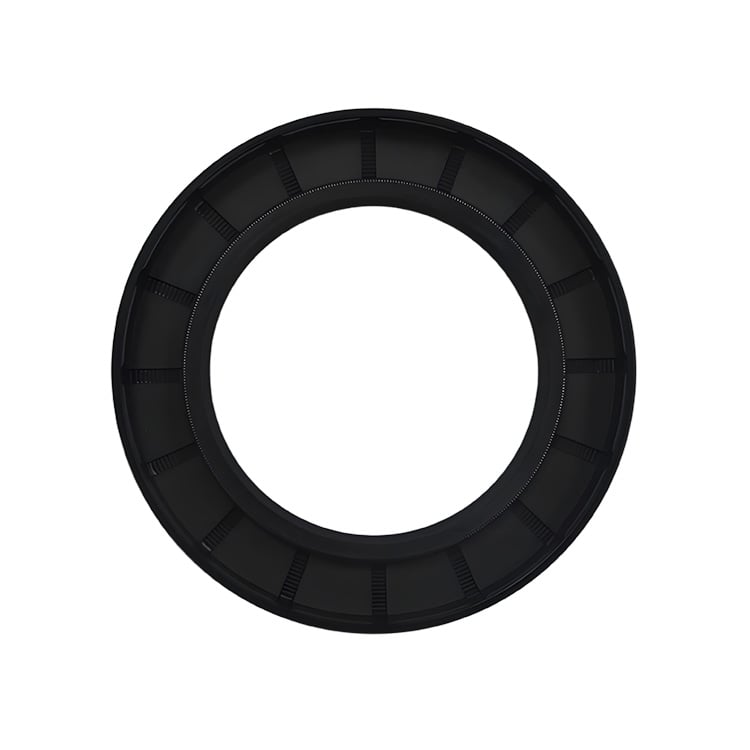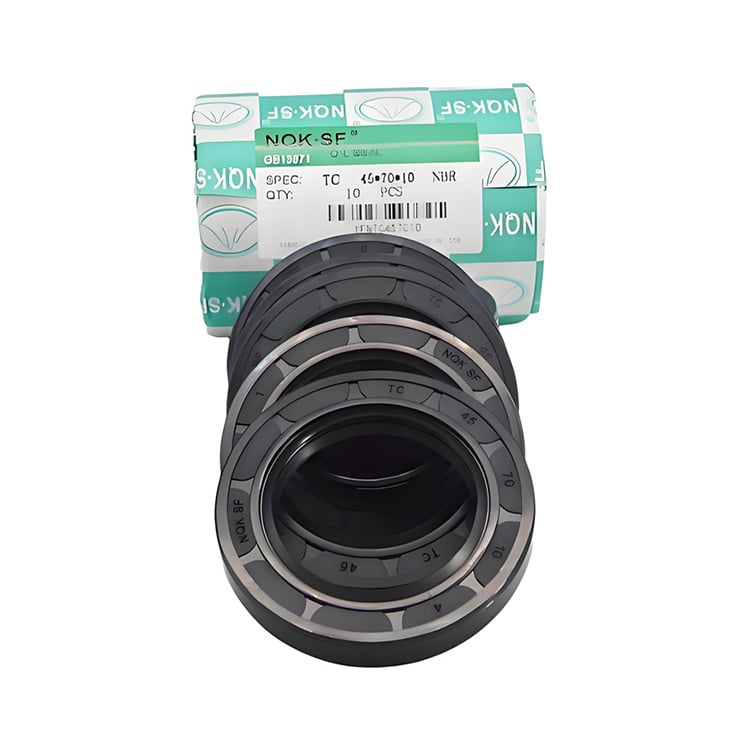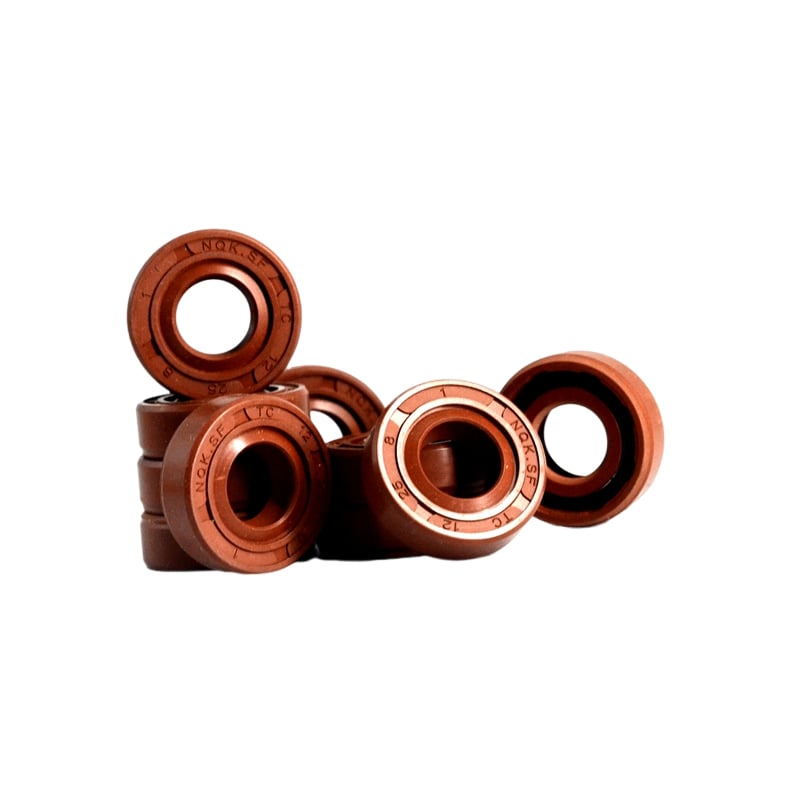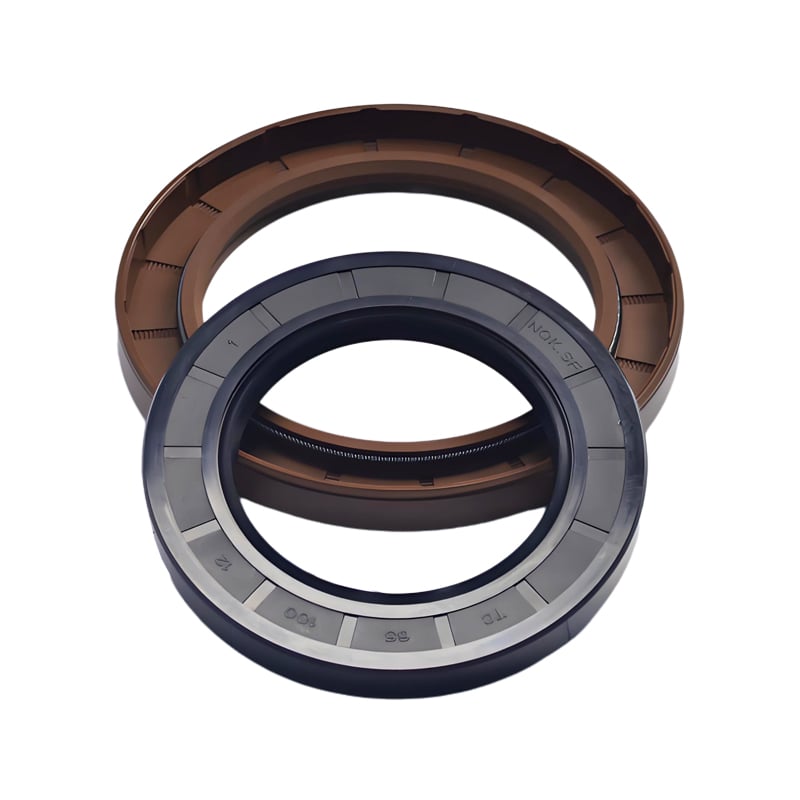

A garter spring may be a small part of a TC oil seal, but it plays an important role at the sealing interface.
Its main purpose is to help maintain radial force between the primary sealing lip and the rotating shaft.
Maintaining Lip Contact
The sealing lip must remain in contact with the shaft while the shaft rotates.
During operation, changes in temperature, material elasticity, shaft movement, and gradual wear can affect this contact.
The garter spring provides additional circumferential force around the lip, helping maintain a more consistent contact condition.
Useful in Continuous Rotary Applications
This feature is particularly relevant to motors, gearboxes, pumps, and other equipment where the shaft rotates continuously.
A stable lip contact condition helps the seal maintain its basic function of controlling lubricant leakage while accommodating normal operating changes.
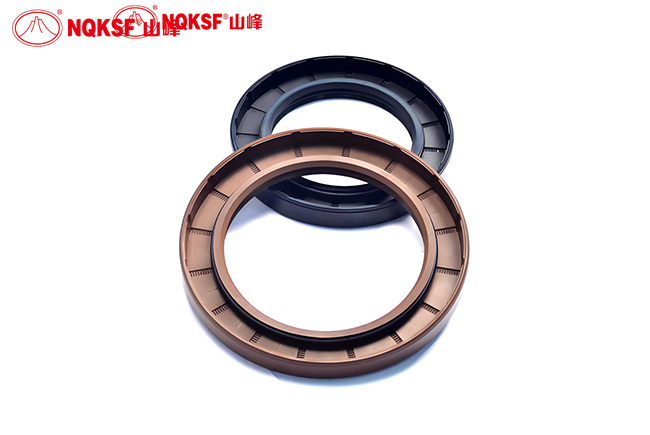
The Spring Needs the Right Force
More spring force does not necessarily mean better sealing.
Excessive contact force can increase friction, heat generation, and lip wear. Too little force may reduce the effectiveness of the sealing interface.
For this reason, spring force needs to work together with the lip geometry, elastomer, shaft surface, lubrication, and rotational speed.
The real benefit of a garter spring is therefore controlled and sustained lip contact, rather than simply increasing the pressure on the shaft.
 Hot News
ShanFeng Special Rubber Products Co., Ltd., operating under brand NQKSF since 1990, is a global leader in the sealing industry.
Copyright © 2026 ShanFeng Special Rubber Products Co., Ltd. All rights reserved. Privacy Policy
 EN
EN