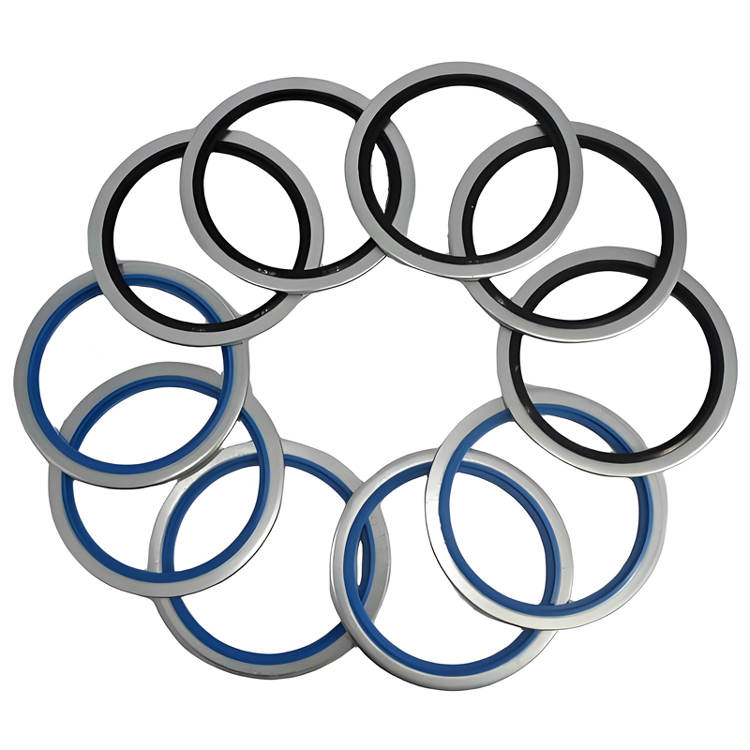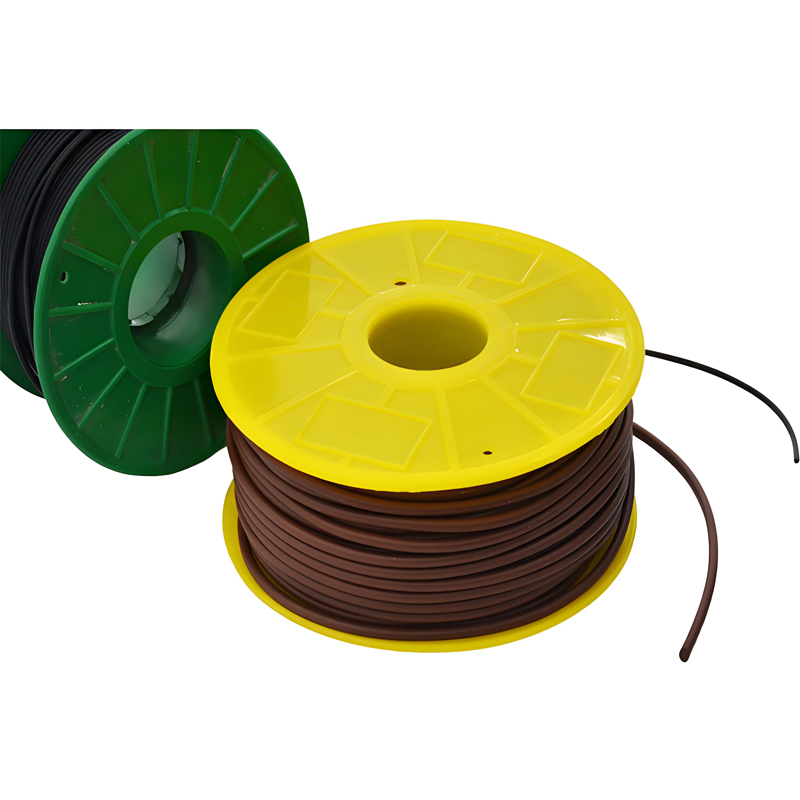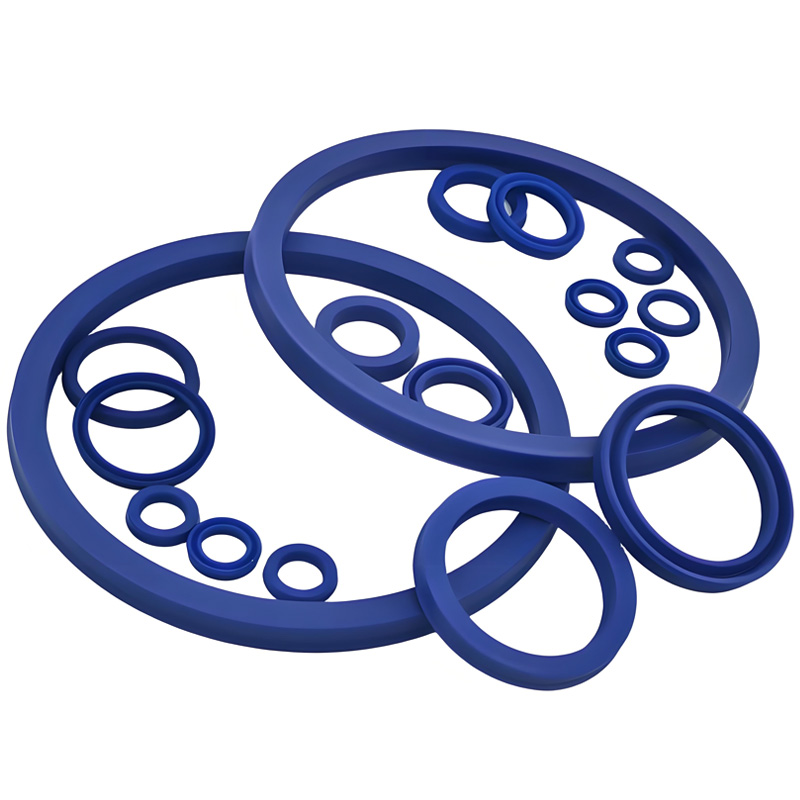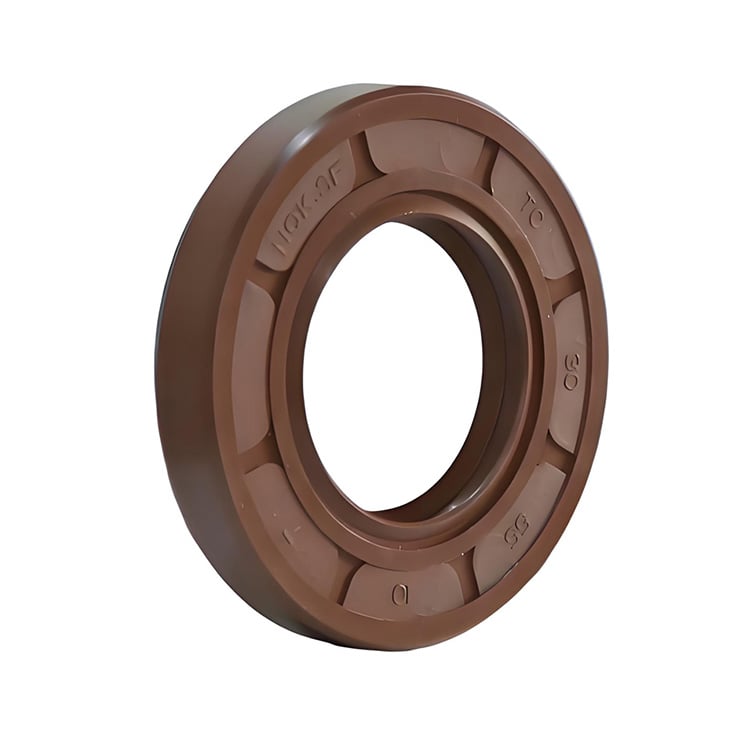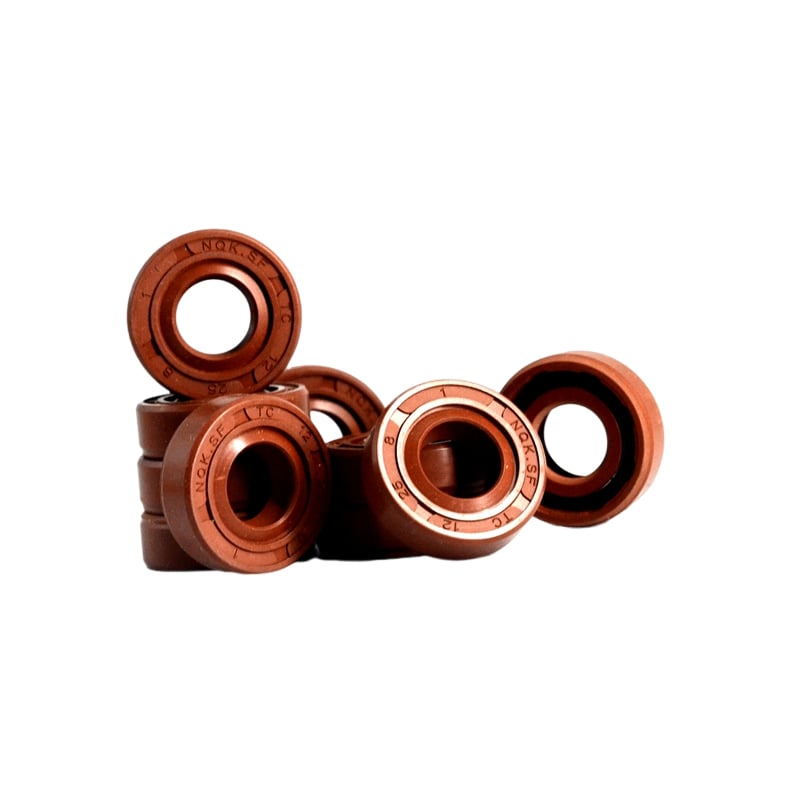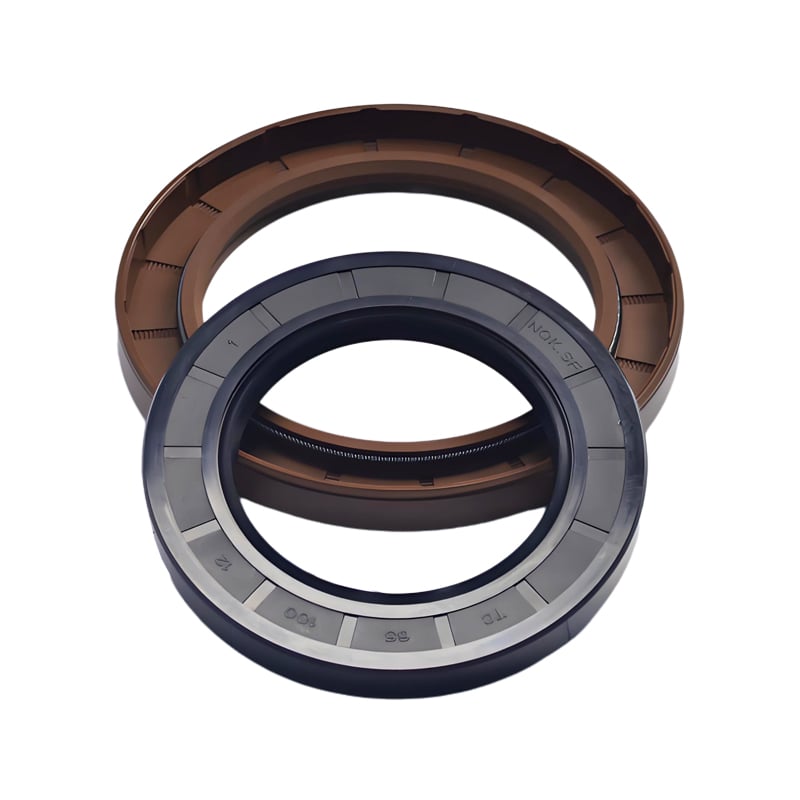

Shaft oil seals are commonly used sealing components in rotating equipment, designed to prevent lubricant leakage and block external contaminants such as dust and mud. Depending on the operating conditions of different machines, shaft oil seals have developed multiple structural and material types to meet the needs of high‑speed, high‑temperature, dusty, or corrosive environments. The following overview summarizes common shaft oil seal types and their suitable applications to support procurement and selection.
Why do shaft oil seals come in multiple types?
Different equipment varies significantly in speed, temperature, medium, shaft surface roughness, and installation conditions. Therefore, oil seals must be designed with different structures and materials to match the operating conditions. In simple terms: different conditions require different structures and materials, which lead to different sealing performance. This is why the industry has many oil seal types.
Common shaft oil seal types and their applications
· Single‑lip oil seal (main sealing lip) Structure: One main sealing lip. Application: Clean environments with good lubrication. Features: Low friction and low heat generation, suitable for high‑speed rotation.
· Double‑lip oil seal (main lip + dust lip) Structure: Main sealing lip plus a dust lip. Application: Dusty, muddy, or outdoor equipment. Features: The dust lip blocks contaminants and improves overall sealing reliability.
· Skeleton oil seal (high‑speed stability type) Structure: Internal metal case for structural stability. Application: High‑speed shafts or environments with large temperature changes. Features: Maintains shape under high‑speed rotation, providing more stable sealing.
· Non‑skeleton oil seal (flexible fit type) Structure: Fully rubber construction, soft and easy to install. Application: Light‑load, low‑speed, or limited‑space equipment. Features: Better housing conformity, reducing micro‑leakage.
· Rubber‑covered oil seal (housing compensation type) Structure: Outer case fully covered with rubber. Application: Housings with rough surfaces or slight corrosion. Features: Rubber layer compensates for housing imperfections and improves sealing.
· Metal‑cased oil seal (high‑precision positioning type) Structure: Metal outer case. Application: Stable installation environments with high dimensional accuracy requirements. Features: High positioning accuracy and strong structural rigidity.
· Special‑condition oil seals (high‑temperature / chemical‑resistant / high‑speed) Materials: FKM, HNBR, ACM, PTFE, etc. Application: High temperature, high speed, corrosive media, or oils with additives. Features: Superior heat resistance, chemical resistance, and wear resistance.
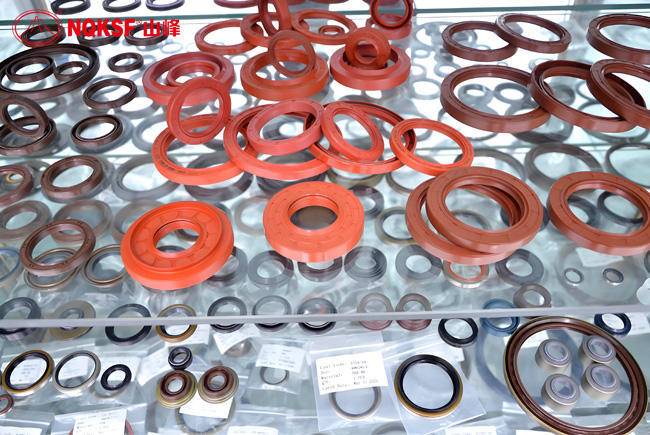
Why these classifications matter for selection
Choosing the wrong oil seal leads to leakage, shaft wear, and increased downtime. Choosing the right oil seal results in longer service life, fewer maintenance intervals, and more stable equipment operation.
Different structures vary in friction, temperature resistance, medium compatibility, and installation adaptability. Therefore, oil seals must be matched to the operating conditions rather than selected solely by size.
The reason shaft oil seals come in many types is that equipment conditions vary widely. Single‑lip, double‑lip, skeleton, non‑skeleton, rubber‑covered, metal‑cased, and special‑material oil seals are all designed to address different sealing needs. During procurement or selection, it is recommended to consider speed, temperature, medium, dust exposure, and installation conditions to ensure stable and reliable sealing performance.
 Hot News
ShanFeng Special Rubber Products Co., Ltd., operating under brand NQKSF since 1990, is a global leader in the sealing industry.
Copyright © 2026 ShanFeng Special Rubber Products Co., Ltd. All rights reserved. Privacy Policy
 EN
EN