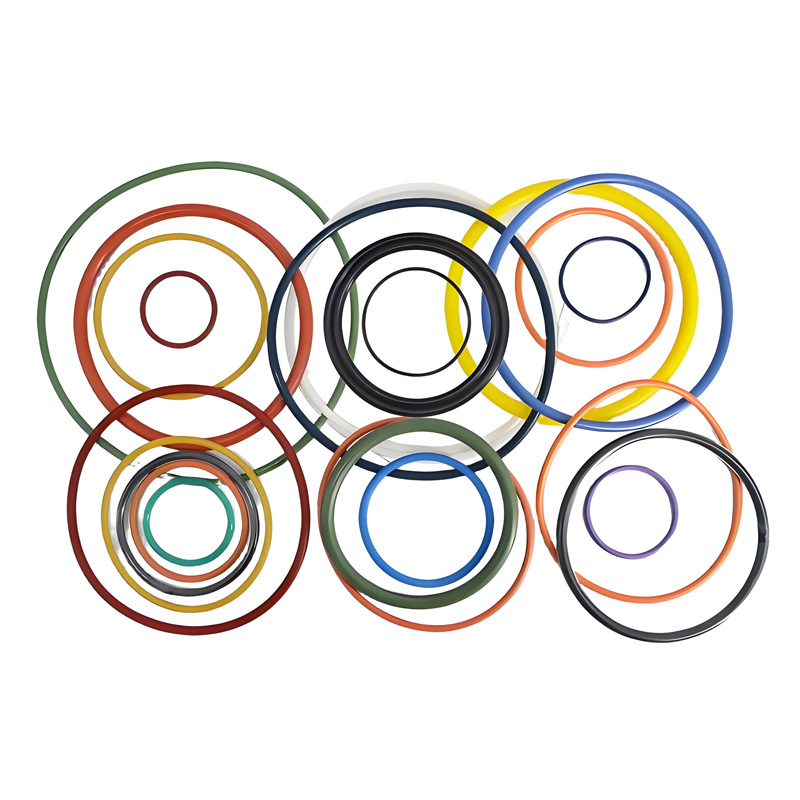
Premium Sealing Rubber Rings - Industrial Grade Sealing Solutions for All Applications

All Categories

sealing rubber ring

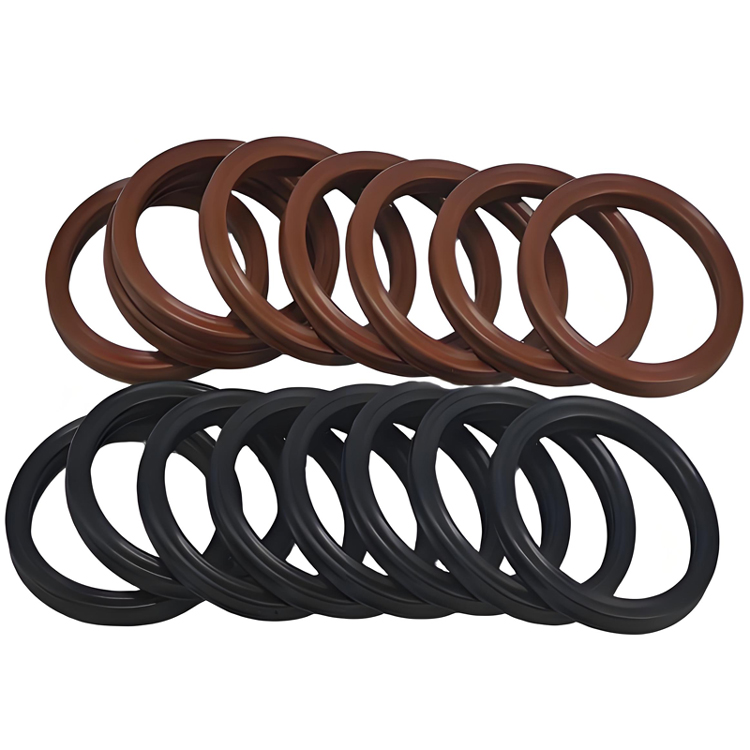
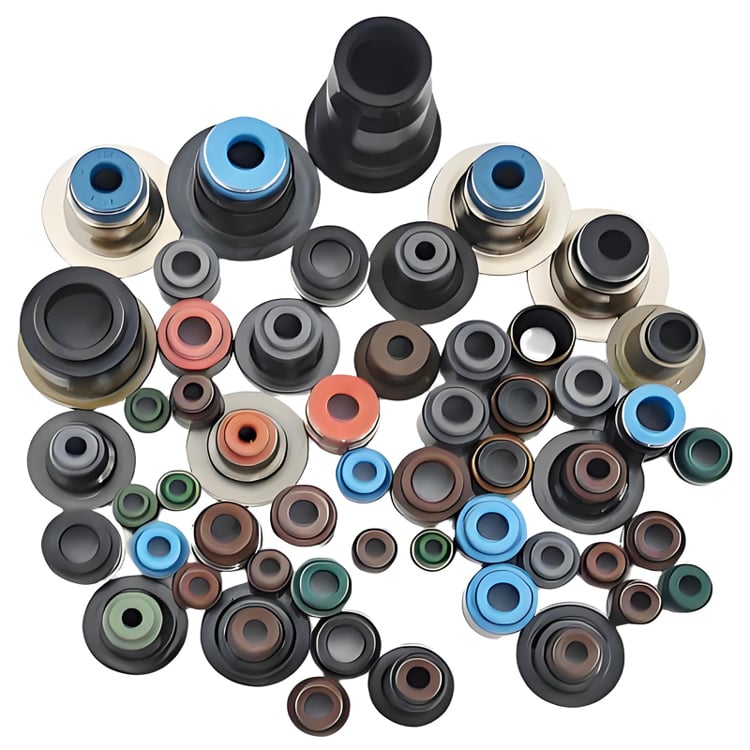
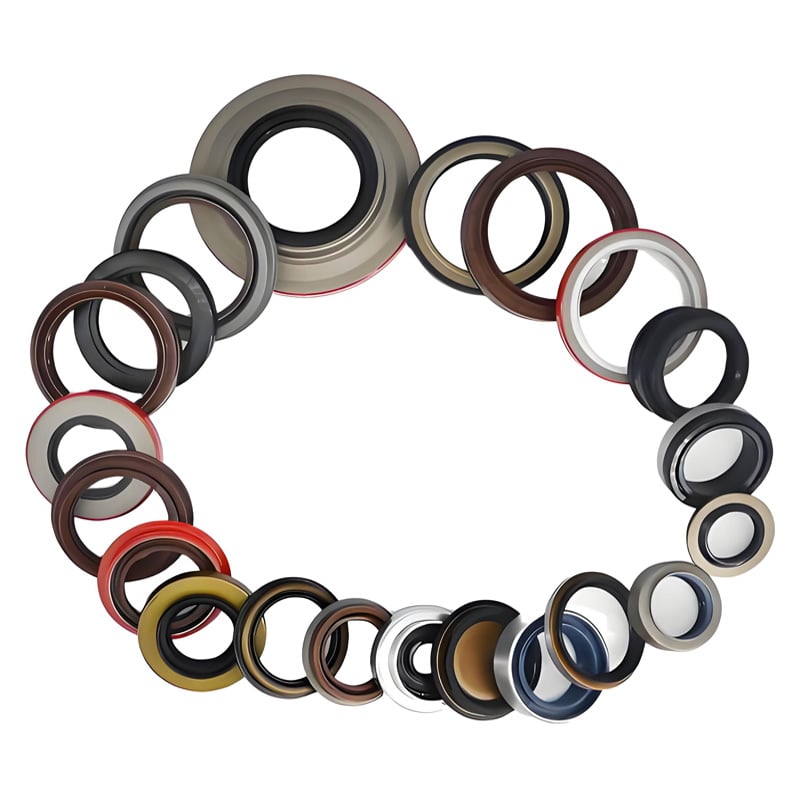
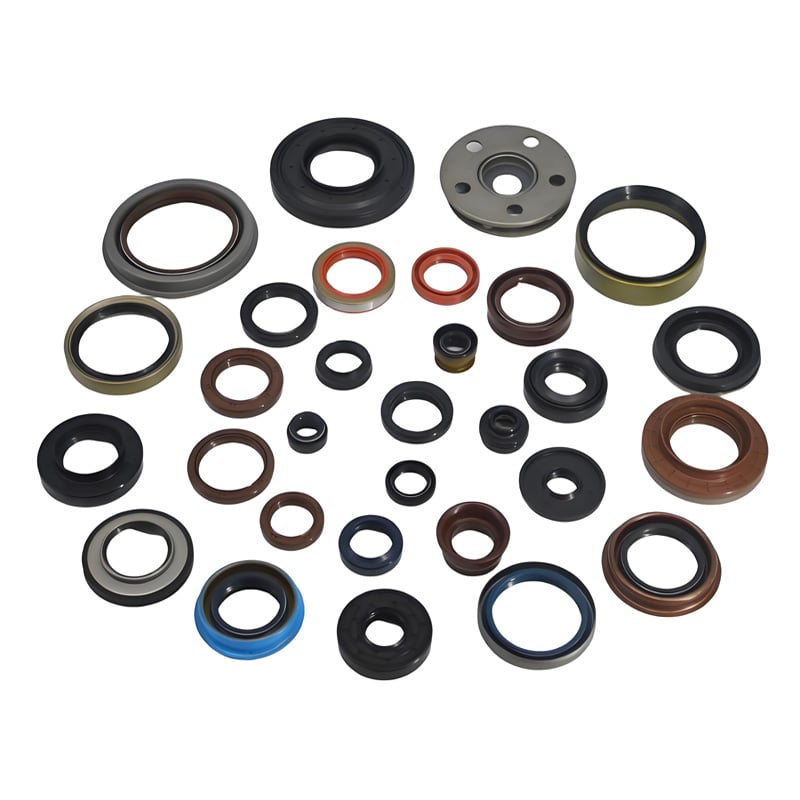
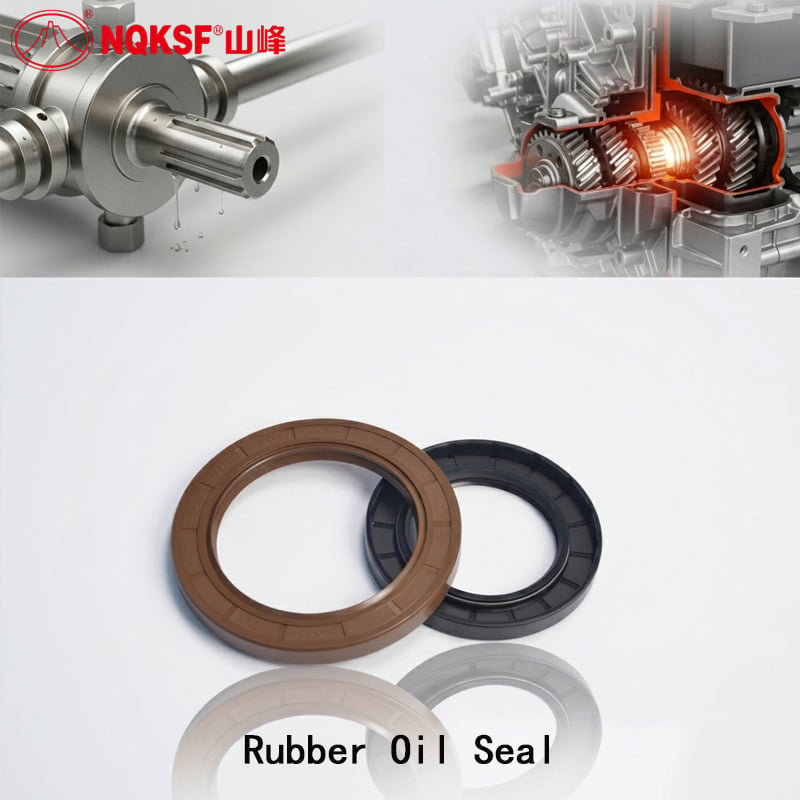
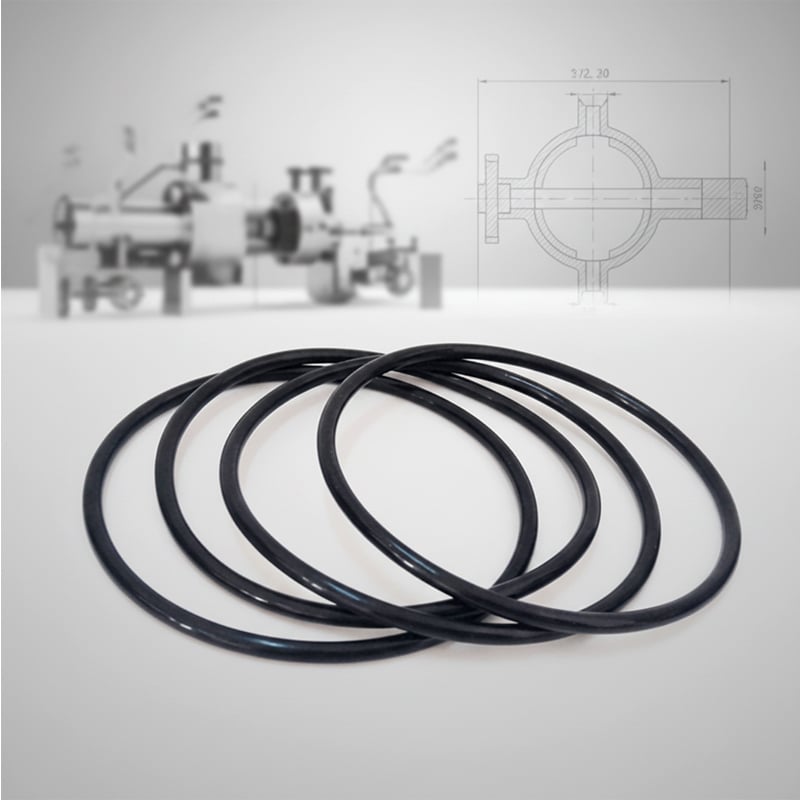
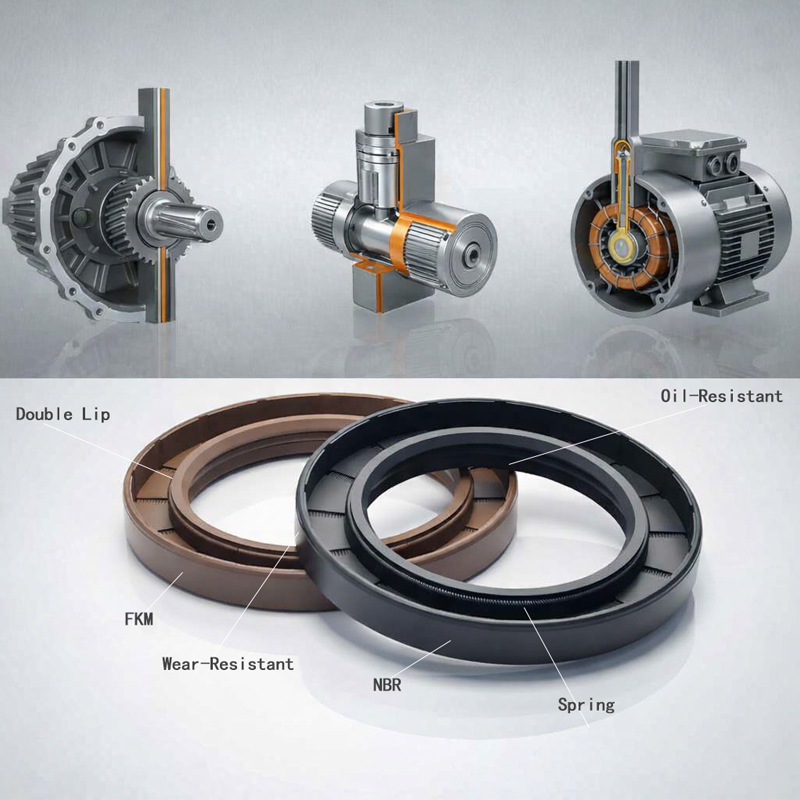
A sealing rubber ring represents a fundamental component in modern engineering and manufacturing, designed to prevent fluid leakage between two or more mating surfaces. These versatile components create effective barriers against liquids, gases, and contaminants while maintaining system integrity across diverse operating conditions. The sealing rubber ring functions by utilizing the elastic properties of rubber materials to form tight seals when compressed between mechanical joints, flanges, or connecting surfaces. The primary function involves creating a reliable barrier that prevents unwanted substance migration while accommodating thermal expansion, vibration, and pressure variations. Technological features of sealing rubber rings include precision molding techniques that ensure consistent dimensions and surface quality. Advanced manufacturing processes enable the production of rings with specific durometer ratings, chemical resistance properties, and temperature tolerance ranges. Material selection plays a crucial role, with options including nitrile rubber for oil resistance, silicone for extreme temperatures, EPDM for weather resistance, and fluorocarbon for chemical compatibility. The design incorporates mathematical calculations for compression ratios, ensuring optimal sealing performance without excessive stress on the material. Cross-sectional profiles vary from simple O-rings to complex custom shapes, each engineered for specific sealing challenges. Applications span numerous industries including automotive systems where sealing rubber rings protect engine components, transmission assemblies, and hydraulic circuits. Aerospace applications demand rings that withstand extreme altitude changes and temperature fluctuations while maintaining seal integrity. Industrial machinery relies on these components for hydraulic systems, pneumatic equipment, and process piping. Marine environments utilize corrosion-resistant sealing rubber rings for underwater applications and saltwater exposure. Food processing industries require FDA-approved materials that resist cleaning chemicals while maintaining sanitary conditions. The versatility of sealing rubber rings extends to consumer products, plumbing fixtures, and electronic enclosures where moisture protection remains essential for proper functionality.

Popular Products

Sealing rubber rings deliver exceptional cost-effectiveness compared to alternative sealing solutions, providing long-term value through extended service life and reduced maintenance requirements. These components offer superior versatility in accommodating various installation configurations and operating conditions without requiring complex mounting hardware or specialized tools. The installation process remains straightforward, enabling quick replacement during maintenance procedures and minimizing equipment downtime. Material flexibility allows sealing rubber rings to adapt to surface irregularities and manufacturing tolerances while maintaining consistent sealing pressure across the entire contact area. Temperature resistance capabilities ensure reliable performance across wide operating ranges, from cryogenic applications to high-temperature industrial processes. Chemical compatibility options enable selection of appropriate materials for specific fluid types, preventing degradation and maintaining seal integrity over extended periods. The compact design of sealing rubber rings requires minimal space allocation while providing maximum sealing effectiveness, making them ideal for applications with limited installation clearance. Pressure handling capabilities accommodate both low-pressure systems and high-pressure industrial applications without compromising seal reliability or requiring additional support structures. Dynamic sealing applications benefit from the elastic recovery properties that allow rings to maintain contact pressure despite component movement or thermal cycling. Maintenance simplicity reduces operational costs by enabling quick visual inspections and straightforward replacement procedures without specialized equipment or extensive training requirements. Environmental resistance protects against UV radiation, ozone exposure, and weather conditions that could degrade other sealing materials over time. The availability of standard sizes and custom manufacturing options provides flexibility in design applications while maintaining inventory efficiency. Quality control measures during manufacturing ensure consistent performance characteristics and dimensional accuracy across production batches. Leak prevention capabilities protect valuable fluids, prevent contamination, and maintain system cleanliness in critical applications. The durability of sealing rubber rings reduces replacement frequency, lowering total ownership costs while improving system reliability. Compatibility with automated installation processes enables high-volume manufacturing applications where consistent sealing performance remains essential for product quality and customer satisfaction.

Tips And Tricks

Which Industries Benefit Most from Hydraulic Oil Seals?

27

Nov

Which Industries Benefit Most from Hydraulic Oil Seals?

In today's industrial landscape, hydraulic oil seals serve as critical components that ensure optimal performance and longevity of hydraulic systems across numerous sectors. These specialized sealing solutions prevent fluid leakage, maintain system p...
View More
Which Sealing Ring Specifications Matter for Industrial Applications?

06

Jan

Which Sealing Ring Specifications Matter for Industrial Applications?

Industrial sealing applications demand precise attention to ring specification details that directly impact operational efficiency and system reliability. Understanding the critical parameters that define effective sealing performance helps engineers...
View More
Oil Seal Brand Rankings?

06

Jan

Oil Seal Brand Rankings?

Understanding Oil Seal Quality and Market Evaluation In industrial transmission systems, fluid control assemblies, and rotating machinery, the oil seal plays a fundamental role in maintaining performance stability and operational safety. An oil seal ...
View More
What Are O Rings? Where and Why Are They Used?

29

Apr

What Are O Rings? Where and Why Are They Used?

An o ring is a mechanical gasket designed in the shape of a torus that sits in a groove and is compressed during assembly between two or more parts, creating a reliable seal at the interface. These simple yet highly effective sealing devices consist ...
View More

Get a Free Quote

Our representative will contact you soon.
Email
Telephone
Name
Company Name
Message
0/1000

sealing rubber ring

Superior Material Engineering and Chemical Resistance

Superior Material Engineering and Chemical Resistance

The advanced material engineering behind sealing rubber rings represents a cornerstone of their exceptional performance and reliability across diverse applications. Modern manufacturing techniques utilize specialized rubber compounds that undergo precise formulation to achieve specific performance characteristics tailored to demanding operational requirements. These materials demonstrate remarkable chemical resistance properties, enabling sealing rubber rings to maintain their structural integrity when exposed to aggressive chemicals, petroleum products, hydraulic fluids, and industrial solvents. The molecular structure of these engineered materials provides inherent resistance to swelling, hardening, and degradation that commonly affects inferior sealing solutions. Temperature stability represents another critical advantage, with specialized compounds maintaining flexibility and sealing properties across temperature ranges spanning from sub-zero conditions to elevated industrial operating temperatures. The material selection process considers factors including compatibility with specific fluids, environmental exposure conditions, and mechanical stress requirements. Advanced polymer chemistry enables the development of sealing rubber rings with enhanced properties such as improved tear resistance, extended fatigue life, and superior compression set characteristics. These materials undergo rigorous testing protocols to verify their performance under accelerated aging conditions, ensuring long-term reliability in real-world applications. The chemical resistance properties protect against fluid absorption that could compromise dimensional stability or sealing effectiveness over time. Material certification processes validate compliance with industry standards and regulatory requirements, particularly important in food processing, pharmaceutical, and aerospace applications. The engineered material properties enable sealing rubber rings to resist oxidation, UV degradation, and ozone exposure that could otherwise lead to premature failure. Specialized additives enhance specific characteristics such as static dissipation for electronic applications or antimicrobial properties for medical devices. The material flexibility accommodates surface imperfections and manufacturing tolerances while maintaining consistent sealing pressure distribution. Quality assurance procedures verify material purity and performance consistency, ensuring reliable sealing performance across production batches and extended service periods.
Precision Manufacturing and Dimensional Accuracy

Precision Manufacturing and Dimensional Accuracy

The precision manufacturing processes employed in sealing rubber ring production ensure exceptional dimensional accuracy and consistent quality that directly translates to superior sealing performance and reliability. Advanced molding techniques utilize computer-controlled equipment that maintains precise temperature, pressure, and timing parameters throughout the production cycle, resulting in sealing rubber rings with tight dimensional tolerances and consistent material properties. The manufacturing process begins with careful material preparation, including precise mixing of base polymers, curing agents, and specialized additives according to engineered formulations. Injection molding and compression molding processes are optimized to eliminate air entrapment, material flow irregularities, and dimensional variations that could compromise sealing effectiveness. Quality control measures include automated dimensional inspection systems that verify critical measurements such as inner diameter, outer diameter, and cross-sectional dimensions within specified tolerances. Surface finish quality receives particular attention, as smooth, defect-free surfaces are essential for creating effective seals without premature wear or leakage paths. The curing process utilizes controlled temperature profiles that ensure complete cross-linking of the rubber material while preventing over-curing that could reduce flexibility or under-curing that might compromise durability. Post-production processes include deflashing operations that remove excess material and create clean, precise edges essential for proper sealing function. Batch traceability systems maintain detailed records of material sources, processing parameters, and quality test results, enabling rapid identification and resolution of any performance issues. Statistical process control monitors key manufacturing variables and implements corrective actions when parameters drift outside acceptable ranges. The precision manufacturing approach enables production of both standard sizes available from inventory and custom configurations designed for specific application requirements. Advanced tooling design incorporates features that minimize material waste while maximizing dimensional accuracy and surface quality. The manufacturing flexibility accommodates various rubber compounds and durometer requirements without compromising precision or quality standards, ensuring optimal sealing rubber ring performance across diverse applications and operating conditions.
Comprehensive Application Versatility and Performance Reliability

Comprehensive Application Versatility and Performance Reliability

The comprehensive application versatility of sealing rubber rings stems from their engineered capability to provide reliable sealing performance across an extraordinary range of industries, operating conditions, and technical requirements. These components demonstrate exceptional adaptability in addressing sealing challenges from low-pressure plumbing applications to high-pressure hydraulic systems operating under extreme conditions. The versatility extends to static sealing applications where sealing rubber rings create permanent barriers between stationary components, as well as dynamic applications involving reciprocating or rotational movement. Automotive applications showcase this versatility, with sealing rubber rings protecting engine components from oil leakage, transmission systems from fluid loss, and cooling systems from coolant migration. Industrial manufacturing relies on these components for pneumatic cylinders, hydraulic equipment, and process piping where consistent sealing performance directly impacts productivity and safety. The aerospace industry utilizes specialized sealing rubber rings designed to withstand rapid pressure changes, extreme temperatures, and prolonged exposure to aviation fuels and hydraulic fluids. Marine applications demand sealing solutions that resist saltwater corrosion and maintain flexibility despite continuous exposure to harsh environmental conditions. Food processing equipment incorporates FDA-approved sealing rubber rings that resist cleaning chemicals while preventing contamination of food products. Medical device applications require biocompatible materials that maintain sterility while providing reliable sealing in critical life-support systems. The performance reliability of sealing rubber rings results from extensive testing and validation procedures that verify their capability to maintain sealing integrity throughout their intended service life. Accelerated aging tests simulate years of operation under controlled laboratory conditions, identifying potential failure modes and validating material selection decisions. Field performance data collected from various applications provides feedback for continuous improvement in material formulations and design optimization. The reliability extends to predictable failure modes that enable proactive maintenance scheduling rather than unexpected system failures. Installation simplicity contributes to overall reliability by reducing the potential for human error during assembly or maintenance procedures. The standardization of common sizes and specifications facilitates inventory management while ensuring replacement parts availability when needed for maintenance or repairs across diverse applications and geographic locations.

Get a Free Quote

Our representative will contact you soon.
Email
Telephone
Name
Company Name
Message
0/1000