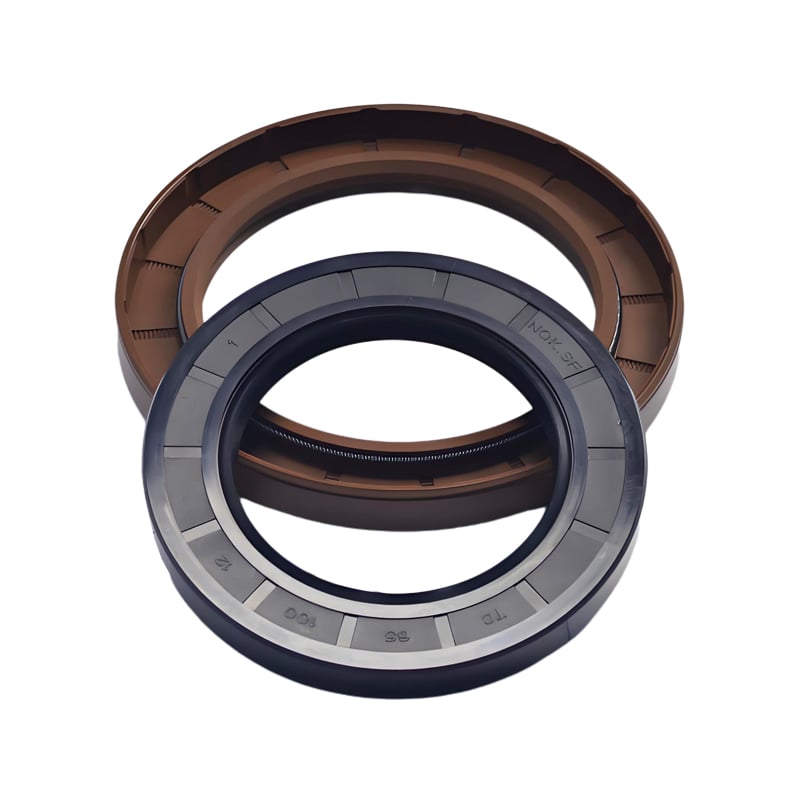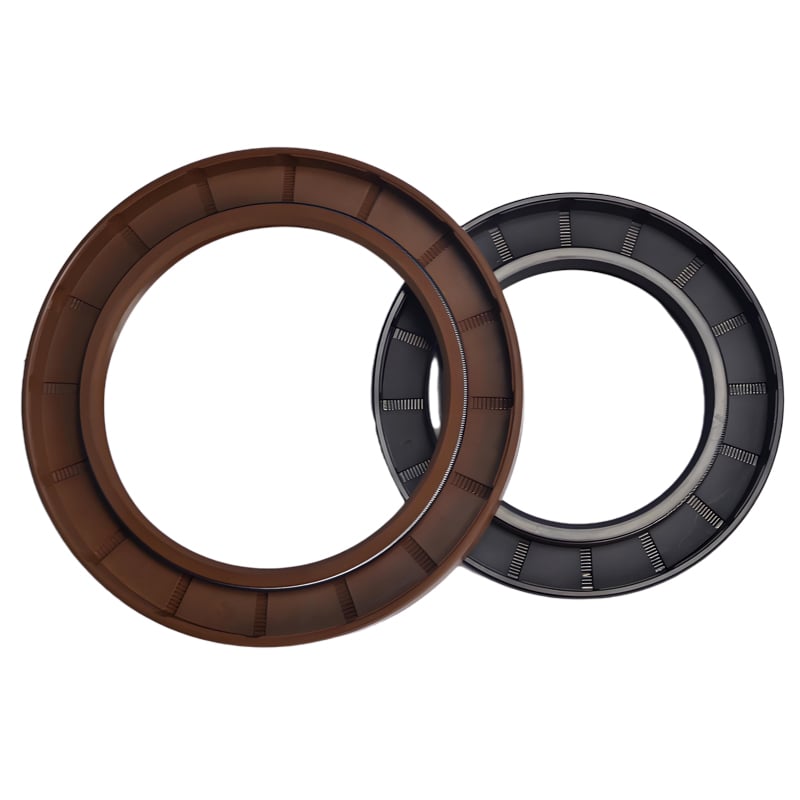

Oscillating shafts create different sealing conditions from continuously rotating shafts. Instead of completing full rotations in one direction, an oscillating shaft repeatedly moves back and forth through a limited angle. This movement changes the contact pattern between the sealing lip and shaft surface, making seal selection particularly important.
One challenge is lubricant distribution. In continuous rotation, the shaft moves beneath the sealing lip in one direction, helping maintain a relatively consistent contact pattern. With oscillating movement, the shaft repeatedly reverses direction. Depending on the design and operating conditions, this can affect lubricant-film formation and increase localized friction.
Shaft speed alone is therefore not enough to determine whether a conventional rotary shaft seal is suitable. The oscillation angle, frequency, shaft diameter, operating temperature, and lubrication conditions should all be considered. A seal designed for continuous rotation may not provide the same performance under frequent directional changes.
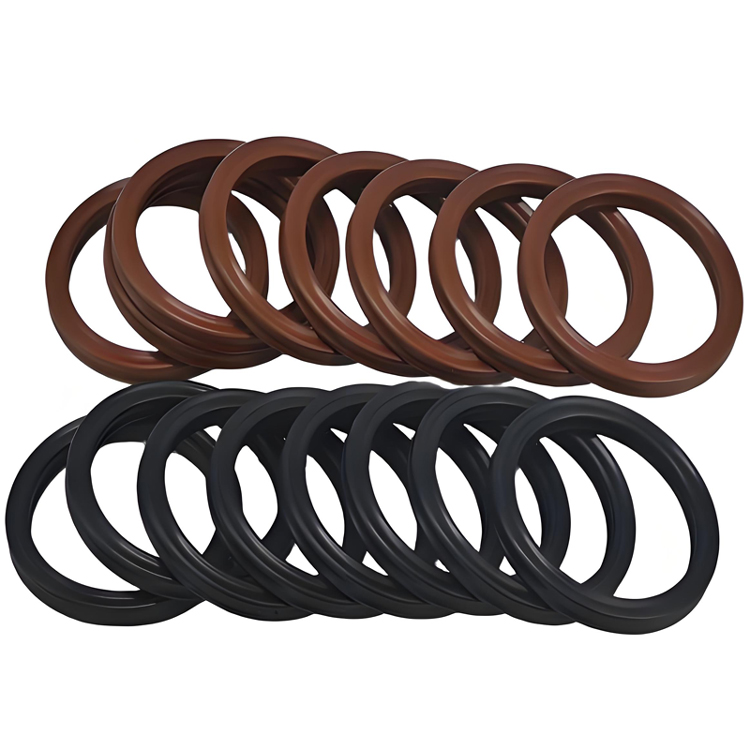
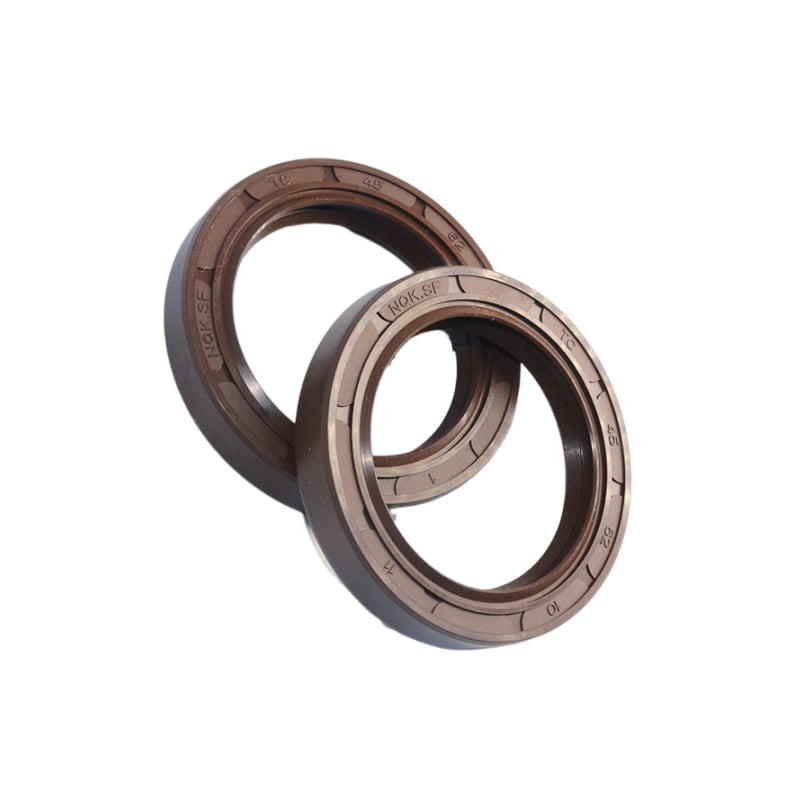
Material selection also deserves attention. NBR is commonly used in many oil-lubricated applications because of its compatibility with mineral oils and suitable mechanical properties. FKM may be considered when higher temperature resistance or specific chemical compatibility is required. However, the material must be evaluated together with lip geometry and the actual movement pattern.
Surface condition is equally important. Oscillating movement can repeatedly expose the sealing lip to the same shaft areas, making localized wear and surface defects particularly relevant. Shaft finish, hardness, alignment, and radial movement should therefore be checked during the design process.
For equipment such as industrial linkages, actuators, and mechanical joints, selecting a seal specifically suited to oscillating motion can help reduce wear and maintain lubricant retention. The key is to evaluate the complete movement cycle rather than treating oscillation as ordinary continuous rotation.
 Hot News
ShanFeng Special Rubber Products Co., Ltd., operating under brand NQKSF since 1990, is a global leader in the sealing industry.
Copyright © 2026 ShanFeng Special Rubber Products Co., Ltd. All rights reserved. Privacy Policy
 EN