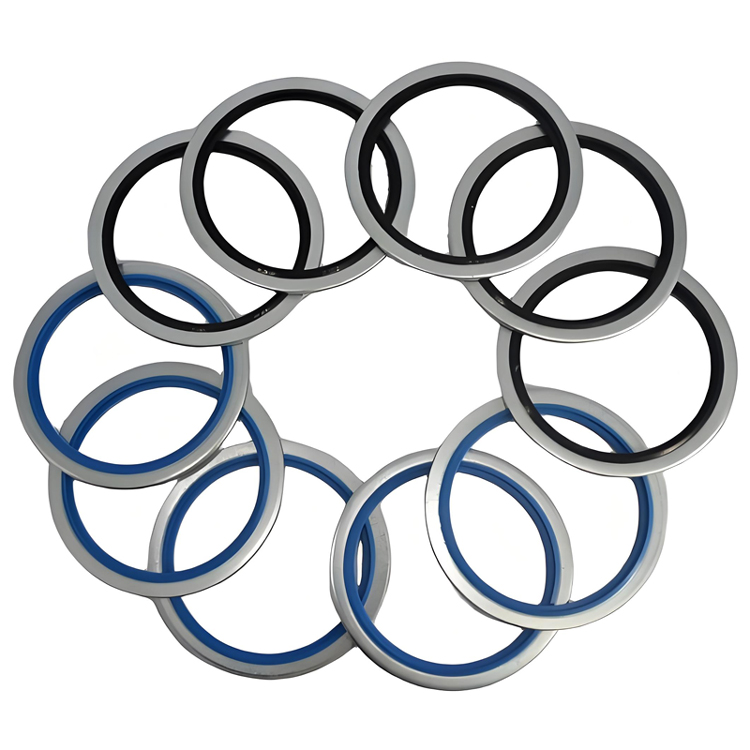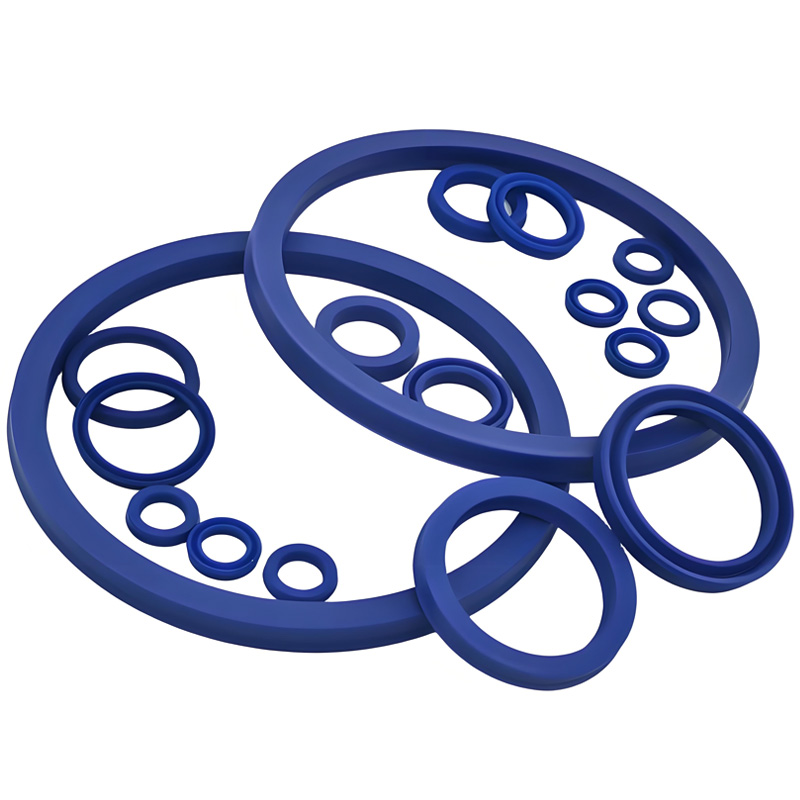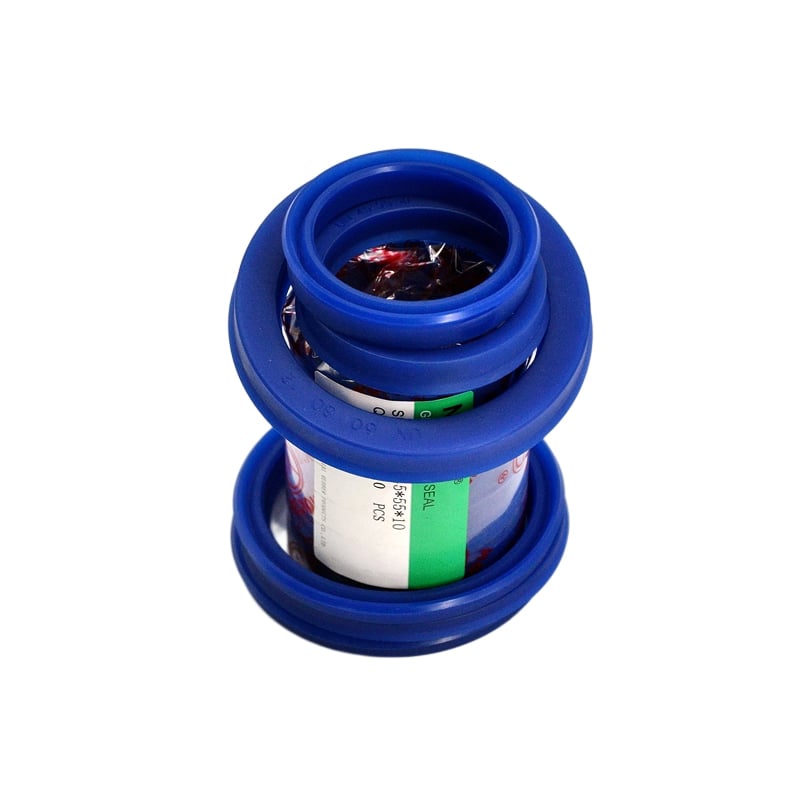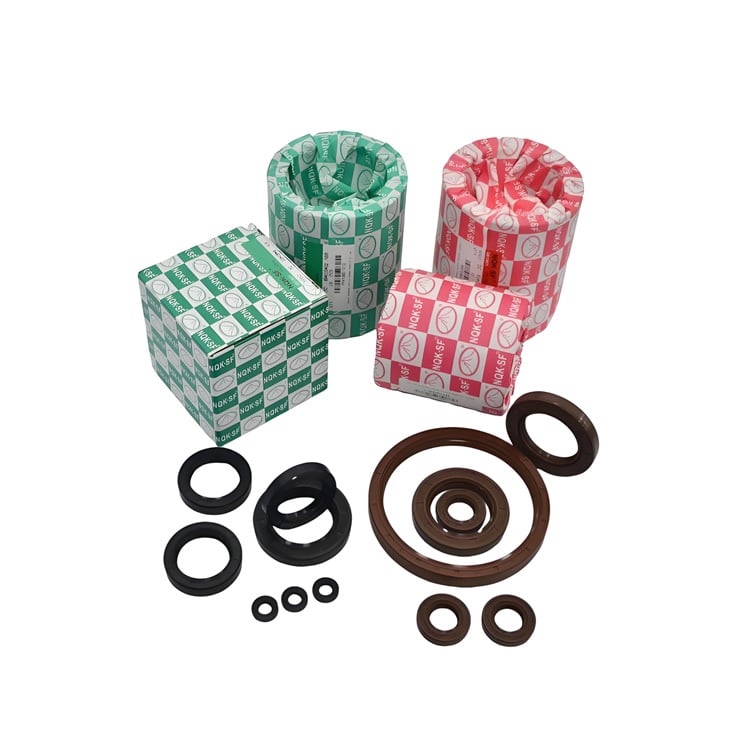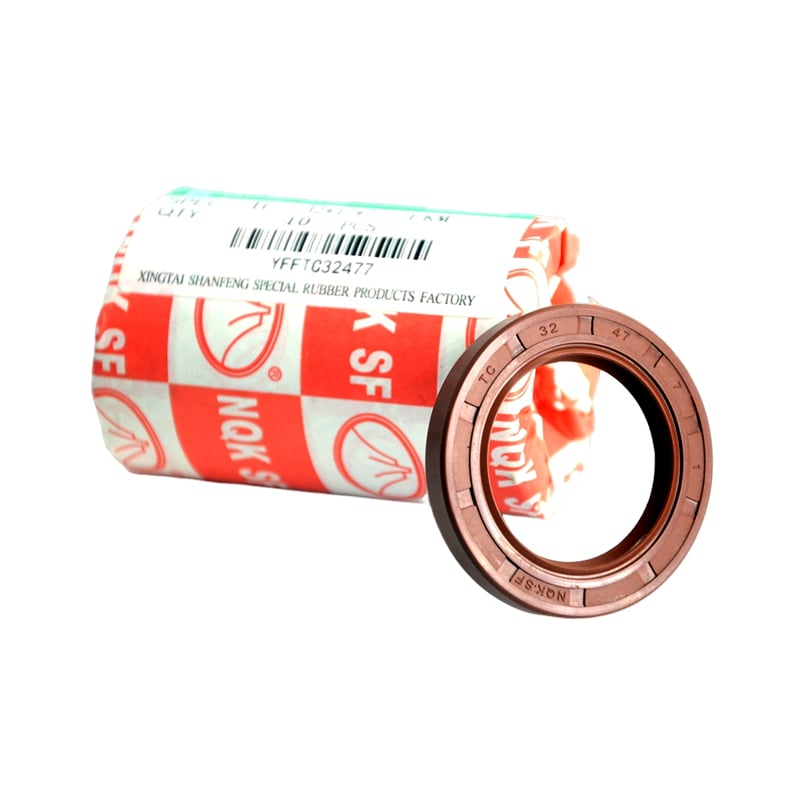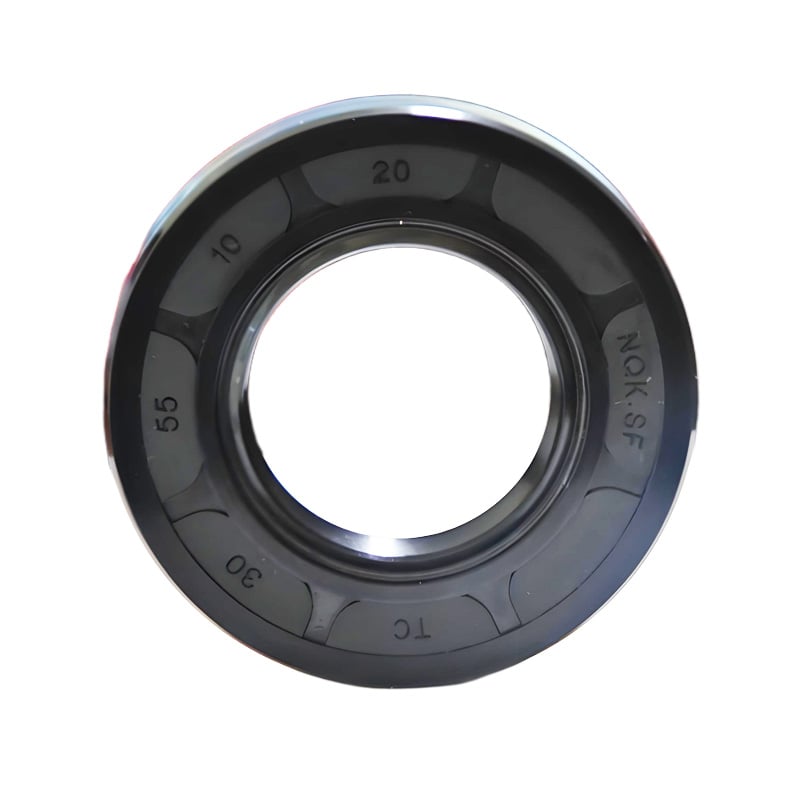

Oil seals are available with different outer diameter constructions, including exposed metal cases and rubber-covered outer surfaces. Although both designs are used to seal rotating shafts, their differences can influence housing fit, installation behavior, and suitability for different equipment conditions.
A metal-cased oil seal typically has an exposed metal outer surface that provides structural support and helps maintain the seal's shape. This construction is commonly used in applications where the housing dimensions and surface condition are properly controlled. The metal case provides a firm fitting surface, but the housing bore must be manufactured within the required dimensional tolerances to achieve a suitable interference fit.
A rubber-covered oil seal has an elastomeric outer surface surrounding the metal reinforcement or structural body. The rubber exterior can provide additional conformity to the housing bore and may help accommodate minor surface irregularities. It is often considered where improved external sealing against the housing is desirable.
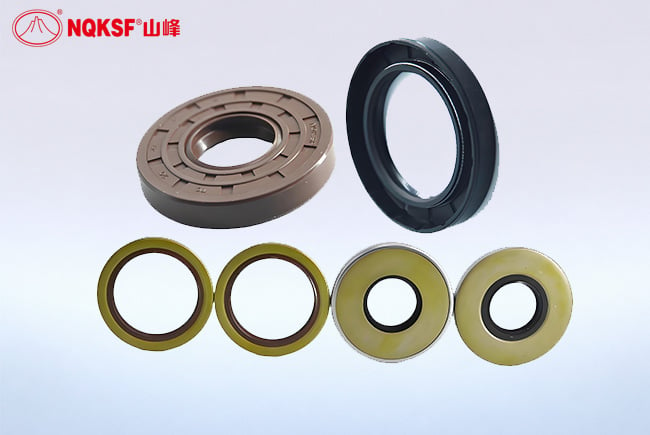
The choice depends largely on the equipment design. For a precisely machined housing with suitable dimensional accuracy, a metal-cased seal may be appropriate. Where the housing material, surface condition, or design makes rubber-to-housing contact advantageous, a rubber-covered version may be worth considering.
However, neither construction should be selected without checking the housing material, bore tolerance, operating temperature, and installation requirements. Housing expansion, corrosion, surface damage, and dimensional variation can all affect seal retention and external leakage.
It is also important to distinguish between the outer casing and the sealing lip material. A metal-cased oil seal can still use an NBR or FKM sealing element, just as a rubber-covered design can be manufactured with different elastomer compounds. These are separate design considerations.
Ultimately, the decision between metal-cased and rubber-covered oil seals should be based on the housing design and operating conditions. Understanding the differences helps equipment manufacturers choose a seal construction that fits their assembly requirements and sealing objectives.
 Hot News
ShanFeng Special Rubber Products Co., Ltd., operating under brand NQKSF since 1990, is a global leader in the sealing industry.
Copyright © 2026 ShanFeng Special Rubber Products Co., Ltd. All rights reserved. Privacy Policy
 EN