
Static sealing and dynamic sealing differ mainly in whether there is relative movement between the sealing surfaces. A static seal works between components that remain stationary relative to each other, while a dynamic seal is designed to maintain sealing when one component moves against another. This difference may look simple, but it changes how the seal must be designed and selected.
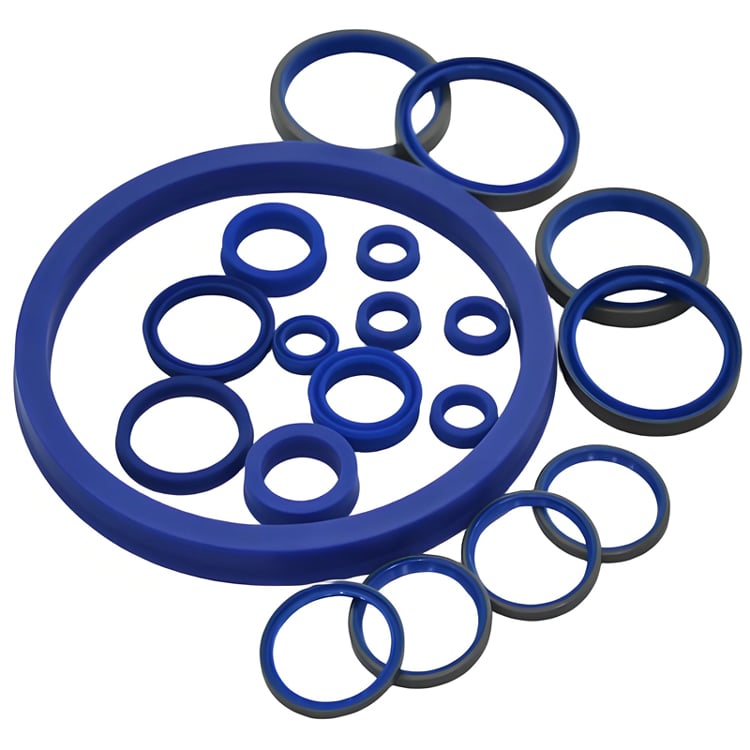
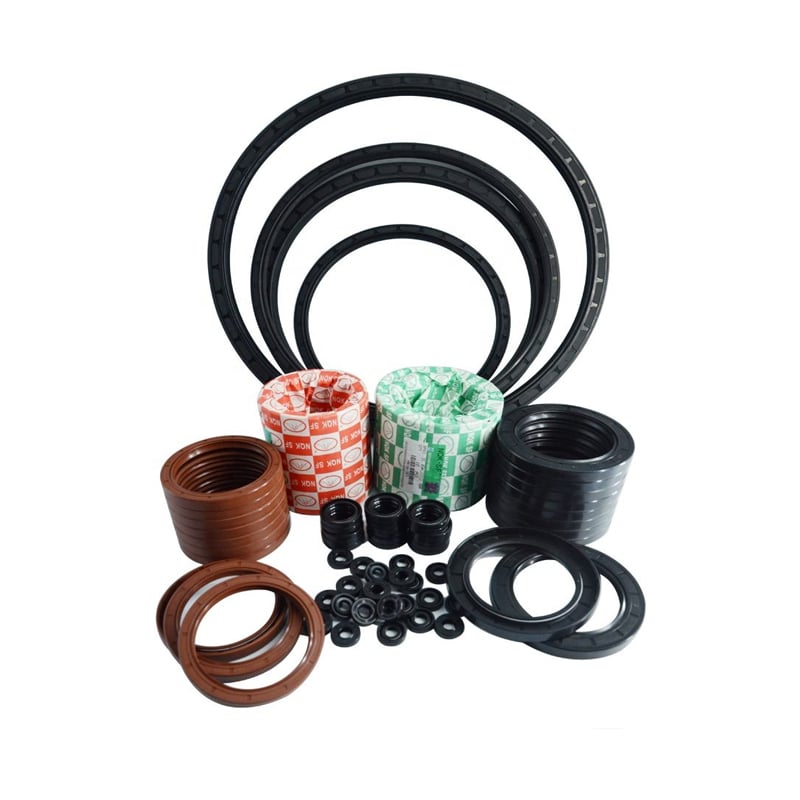
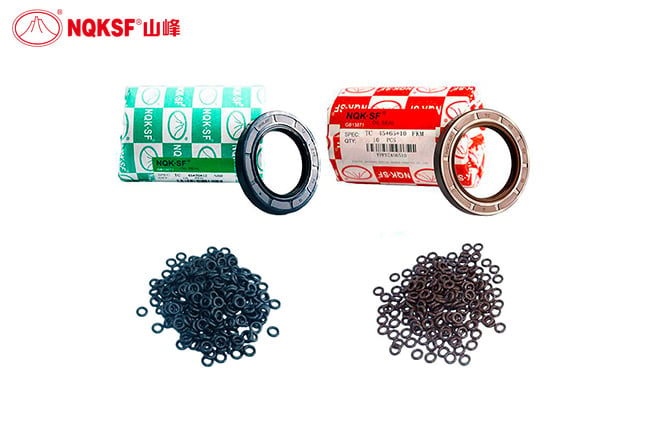
A gasket between two stationary flanges is a typical example of static sealing. Once the components are tightened, the sealing surfaces normally do not slide against each other during operation. An O-ring installed between a stationary housing and a cover can work in the same way. Its sealing ability mainly comes from elastic deformation of the rubber and the contact pressure created inside the groove. Because there is little or no continuous sliding contact, friction and wear are usually not the main concerns.
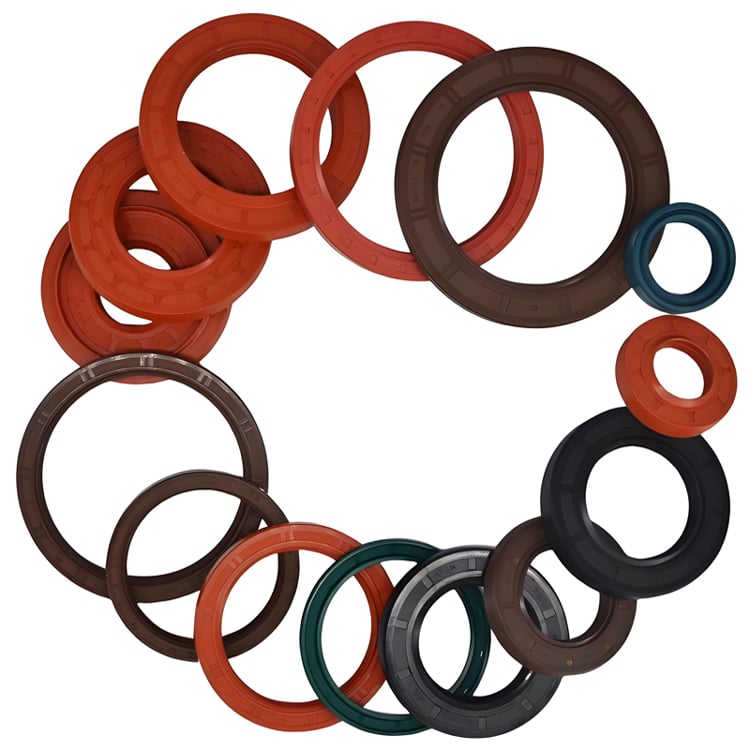
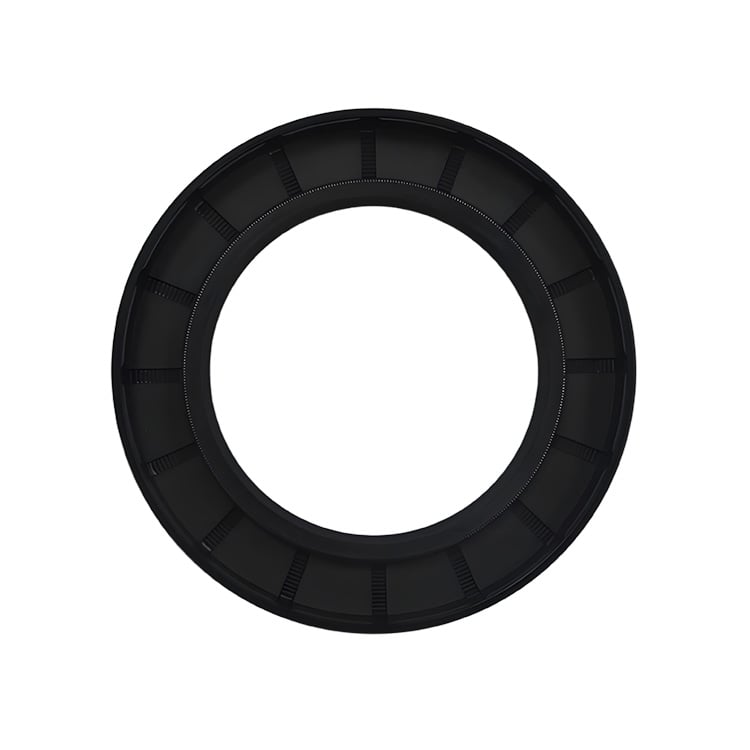
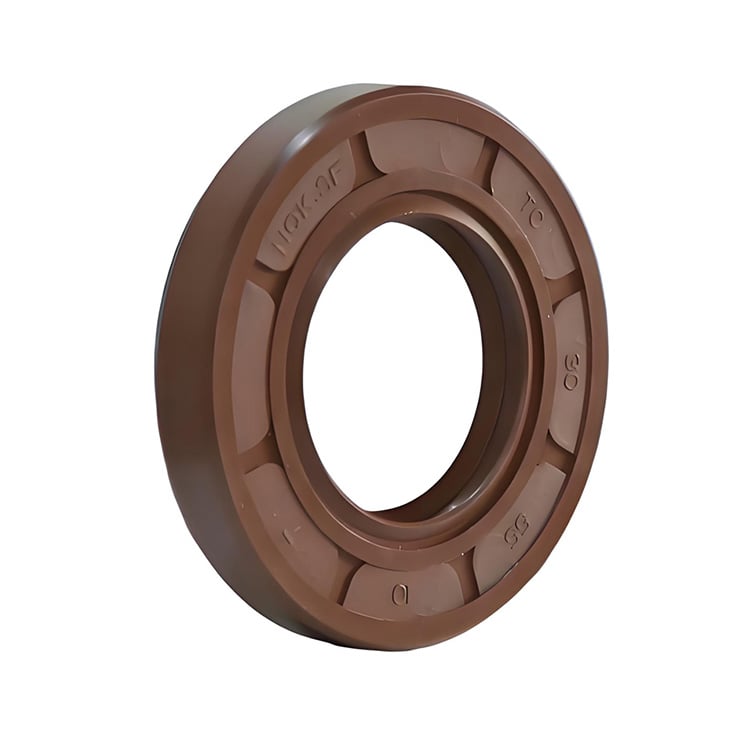
Dynamic sealing is more demanding because the sealing interface is exposed to movement. An oil seal installed around a rotating shaft is a common example. The shaft rotates continuously while the seal body remains fixed in the housing. The sealing lip therefore has to maintain contact with the shaft while allowing controlled relative movement. Radial shaft seals are specifically designed for this type of condition, with factors such as shaft speed, temperature, lubricant, pressure difference and shaft runout affecting their performance.
The important point is that a dynamic seal cannot simply be treated as a static seal with tighter contact. When a sealing lip presses against a moving shaft, friction produces heat. If the contact pressure becomes excessive, friction and temperature can increase, which may accelerate wear. At the same time, the contact pressure cannot be too low because the seal could lose its ability to maintain a stable sealing interface.
Lubrication also becomes much more important in dynamic sealing. A properly designed oil seal does not normally rely on completely dry contact between the lip and shaft. A very thin lubricant film exists at the interface, and the lip geometry helps maintain the balance between fluid retention and controlled leakage. SKF notes that shaft surface condition, speed, lubrication and heat generation all influence radial shaft seal performance.
There is also a difference in how the sealing surfaces are treated. Static sealing can often tolerate relatively simple contact conditions because there is no continuous sliding. A dynamic sealing surface, however, must be suitable for repeated movement. Shaft hardness, surface finish, runout and alignment can all affect lip wear and leakage.
So, the simplest way to understand the difference is this: static sealing mainly controls leakage between stationary parts, while dynamic sealing must control leakage while accommodating movement. That is why an O-ring used as a static seal and a rotary shaft oil seal cannot be evaluated using exactly the same design criteria, even though both are intended to prevent unwanted fluid movement.
 Hot News
ShanFeng Special Rubber Products Co., Ltd., operating under brand NQKSF since 1990, is a global leader in the sealing industry.
Copyright © 2026 ShanFeng Special Rubber Products Co., Ltd. All rights reserved. Privacy Policy
 EN
EN