pneumatic seal
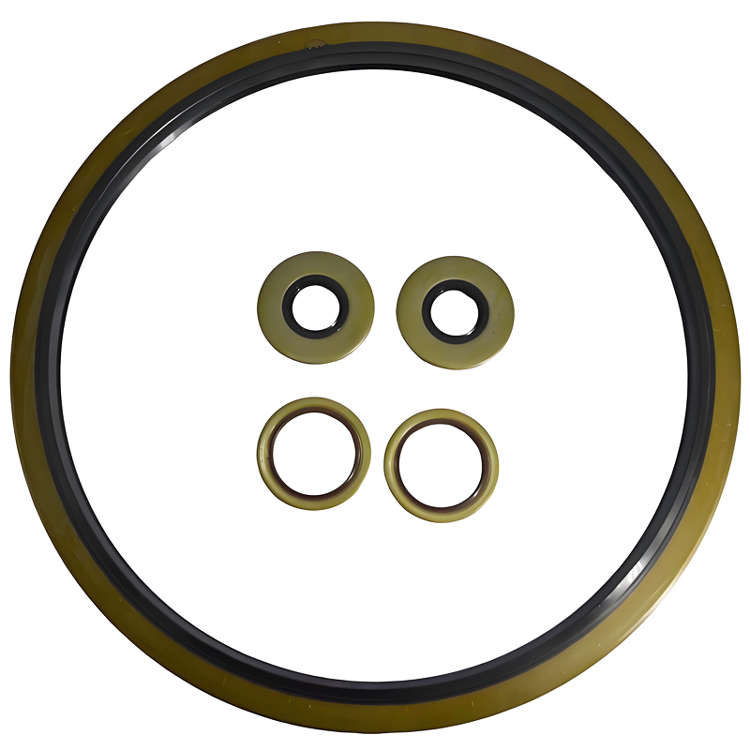
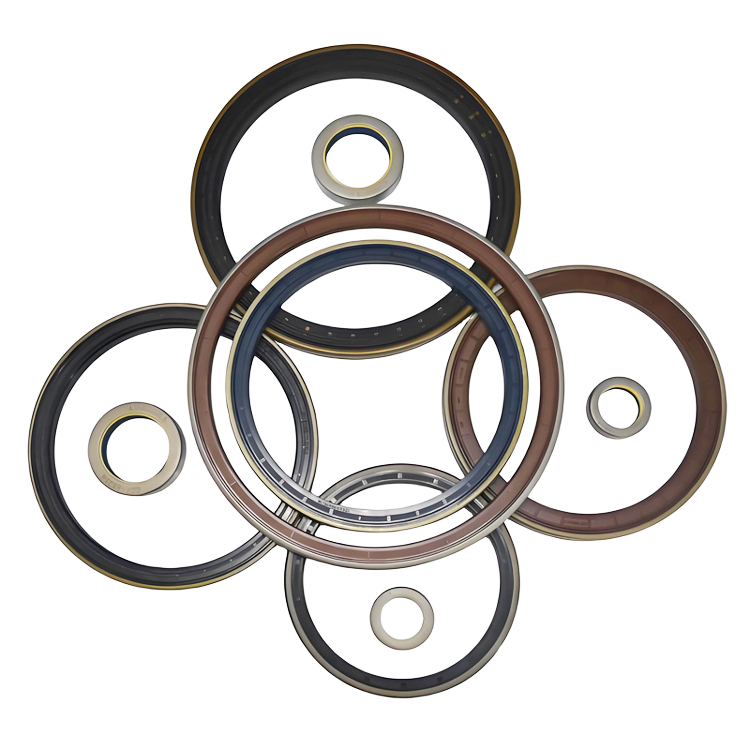
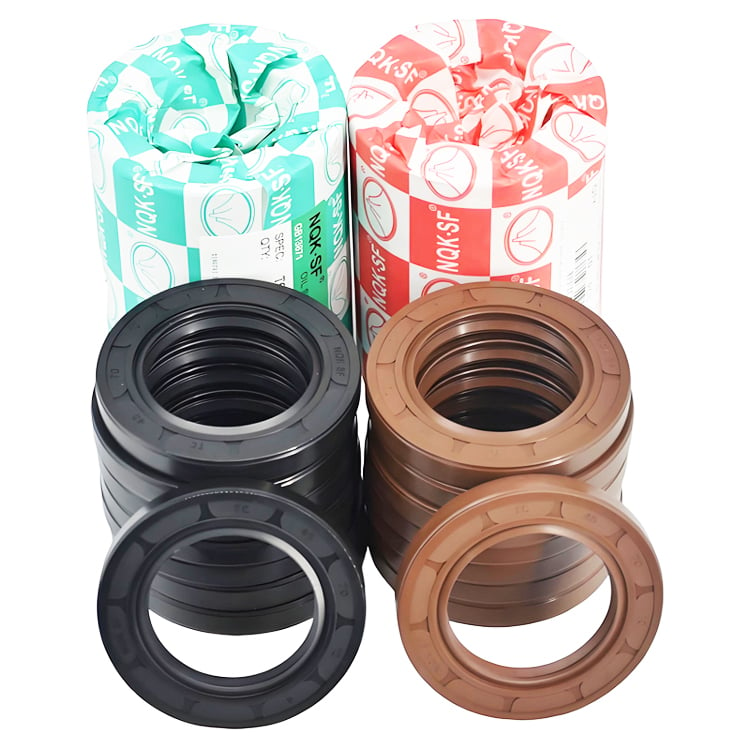
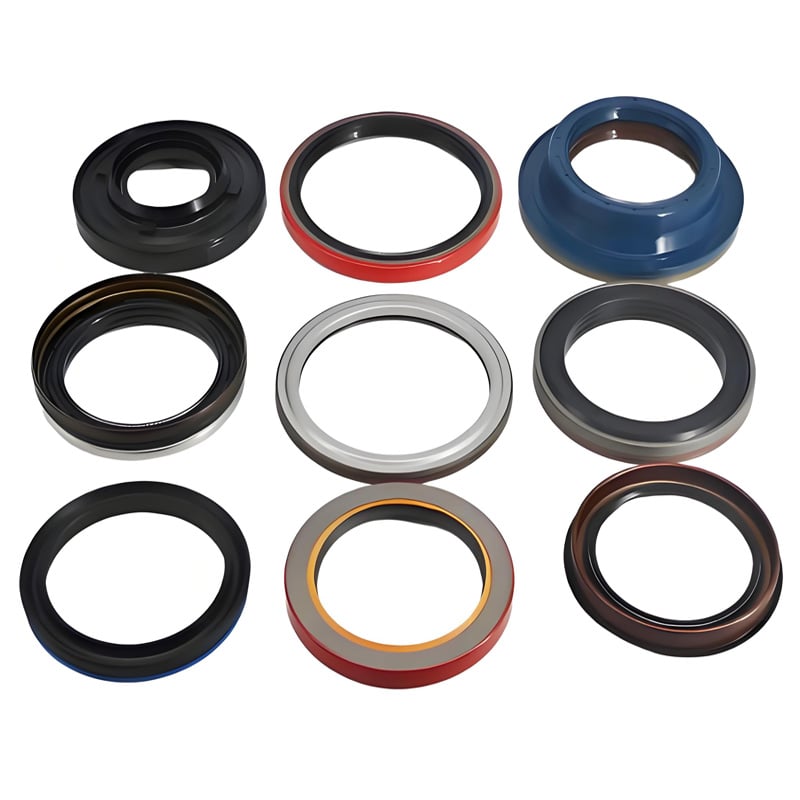
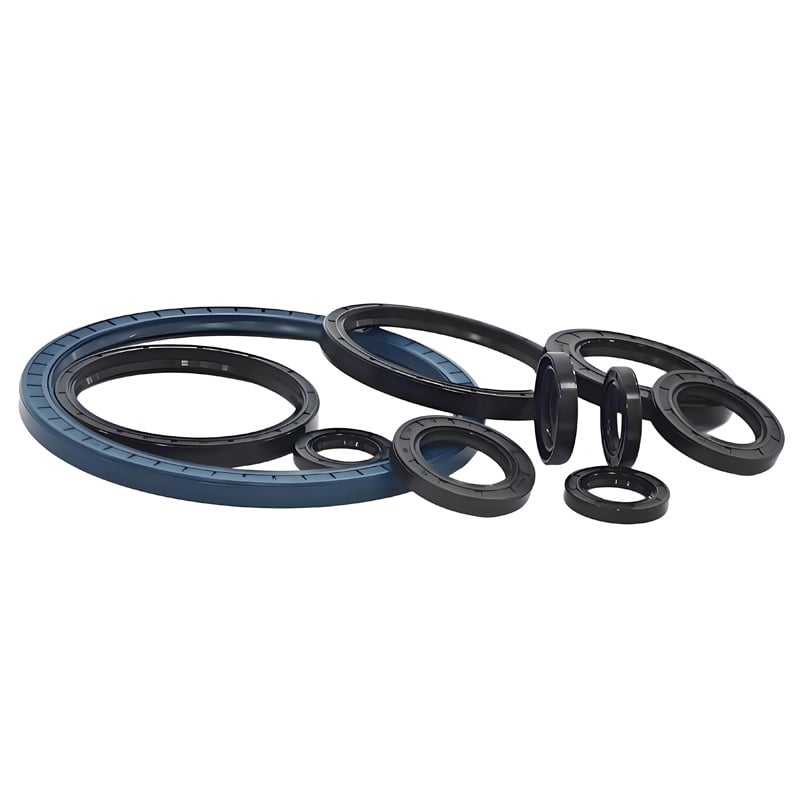
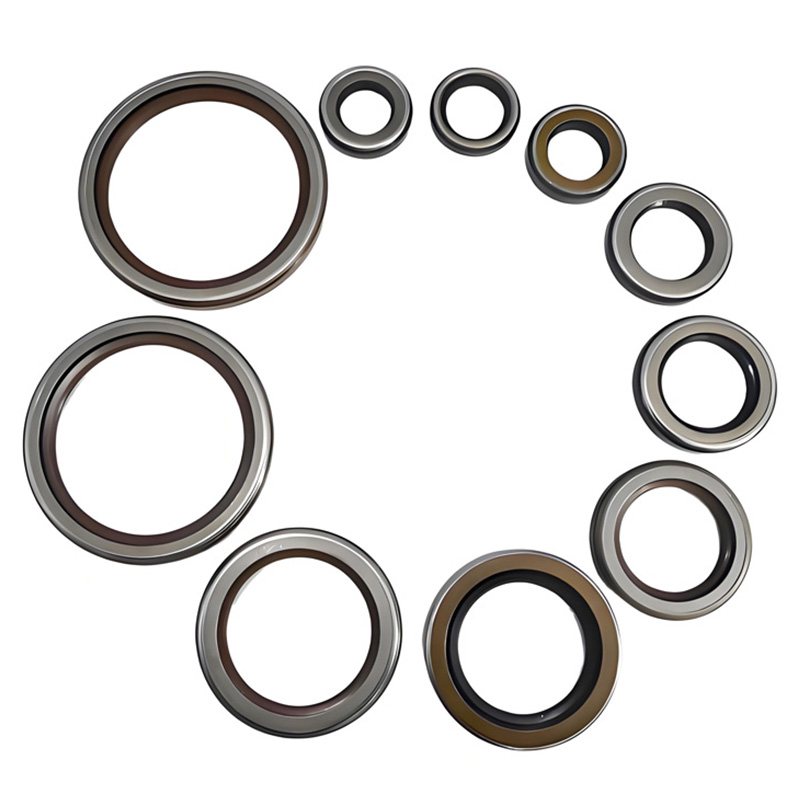
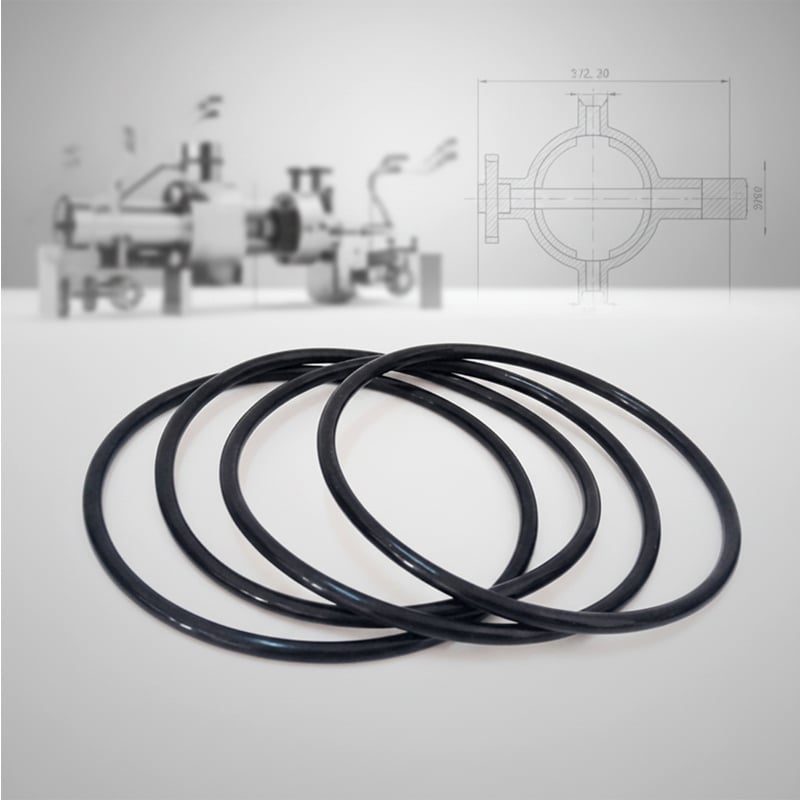
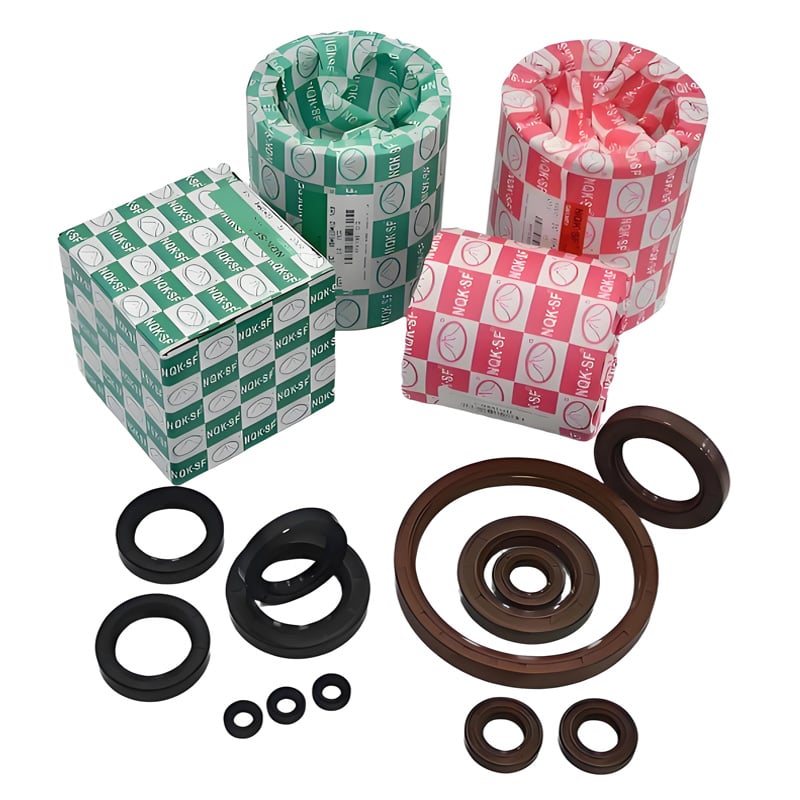
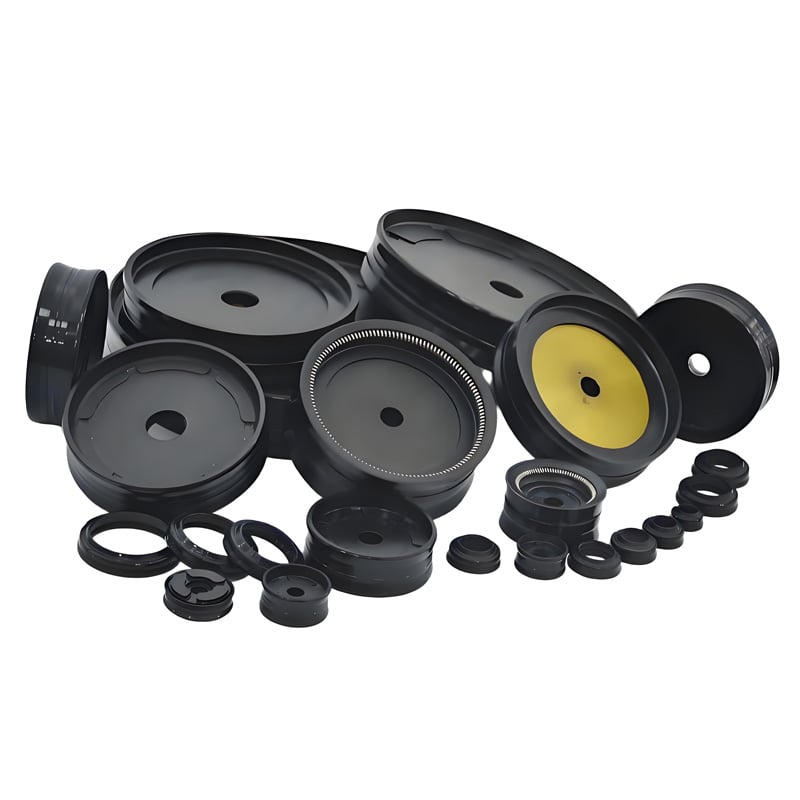
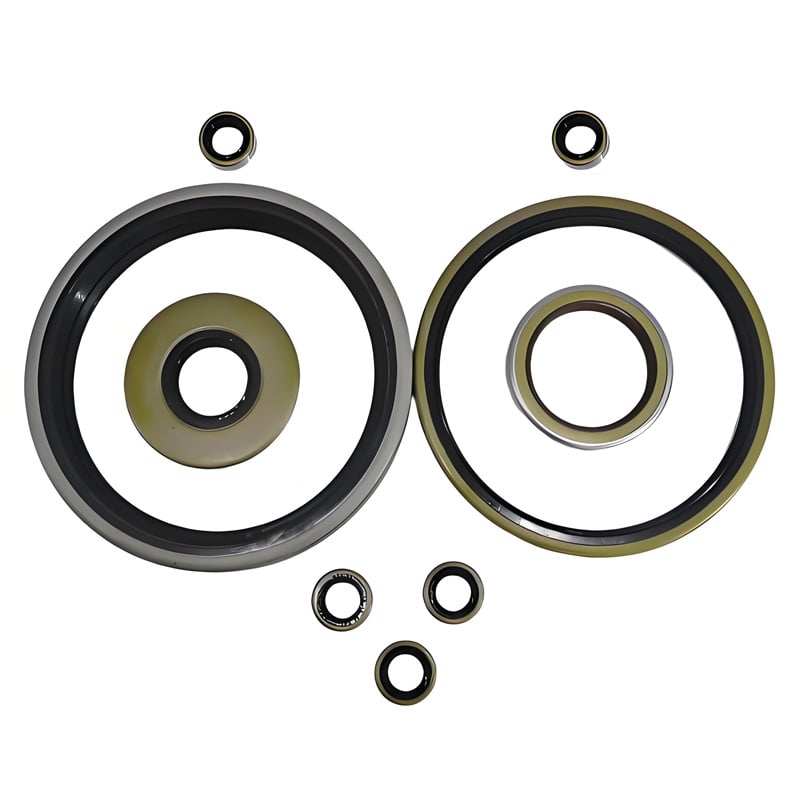
A pneumatic seal is a specialized mechanical component designed to prevent fluid or gas leakage between moving or stationary parts in pneumatic systems. This essential sealing device operates by creating a barrier that maintains pressure integrity within industrial equipment and machinery. The pneumatic seal functions by using air pressure to expand and contract, adapting to varying gap sizes and surface irregularities. Technologically, pneumatic seals feature advanced elastomer materials that withstand extreme temperatures and chemical exposure while maintaining flexibility and durability. These seals incorporate precision-engineered profiles that distribute pressure uniformly across contact surfaces, ensuring optimal performance under demanding conditions. The pneumatic seal is widely used in hydraulic cylinders, compressors, pumps, and automated manufacturing systems. Applications span industries including automotive production, aerospace engineering, food processing, and pharmaceutical manufacturing. Modern pneumatic seal designs incorporate self-aligning capabilities that compensate for component misalignment and reduce installation complexity. The sealing mechanism works by establishing a low-friction interface that minimizes energy loss while preventing unwanted leakage. Industrial facilities depend on pneumatic seal reliability for maintaining operational efficiency and reducing maintenance downtime. These components integrate seamlessly into existing pneumatic systems without requiring extensive modifications or specialized equipment installation procedures.
 EN