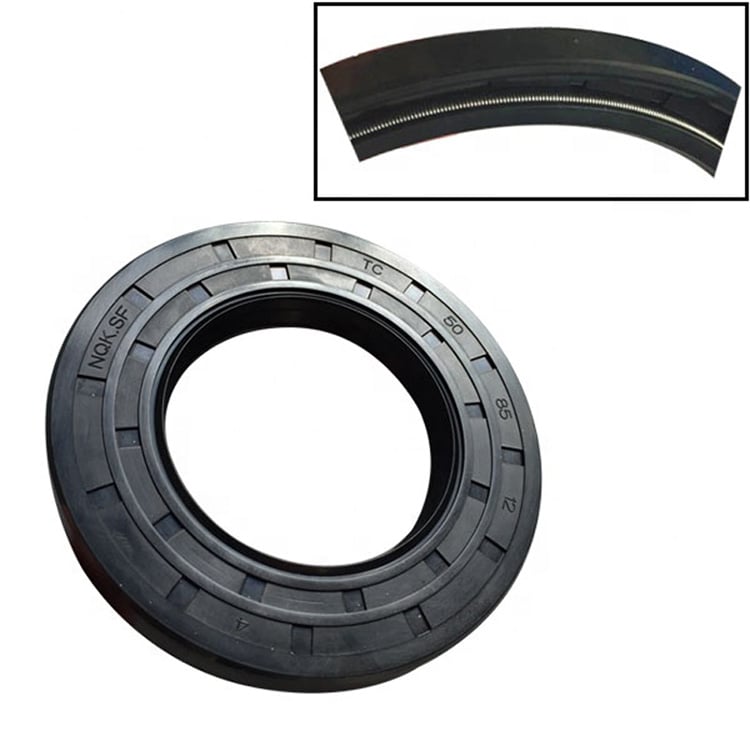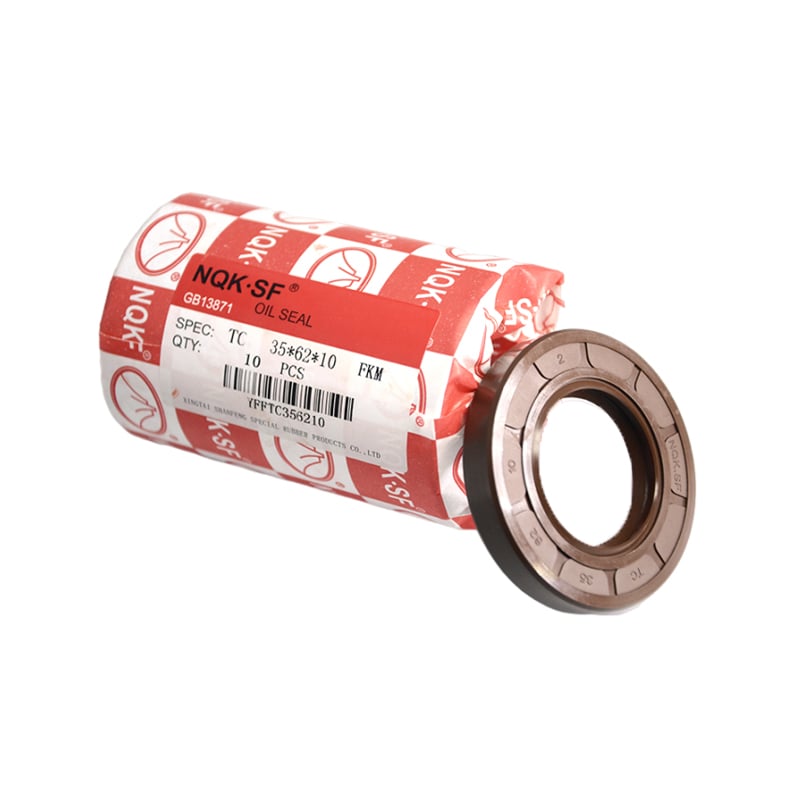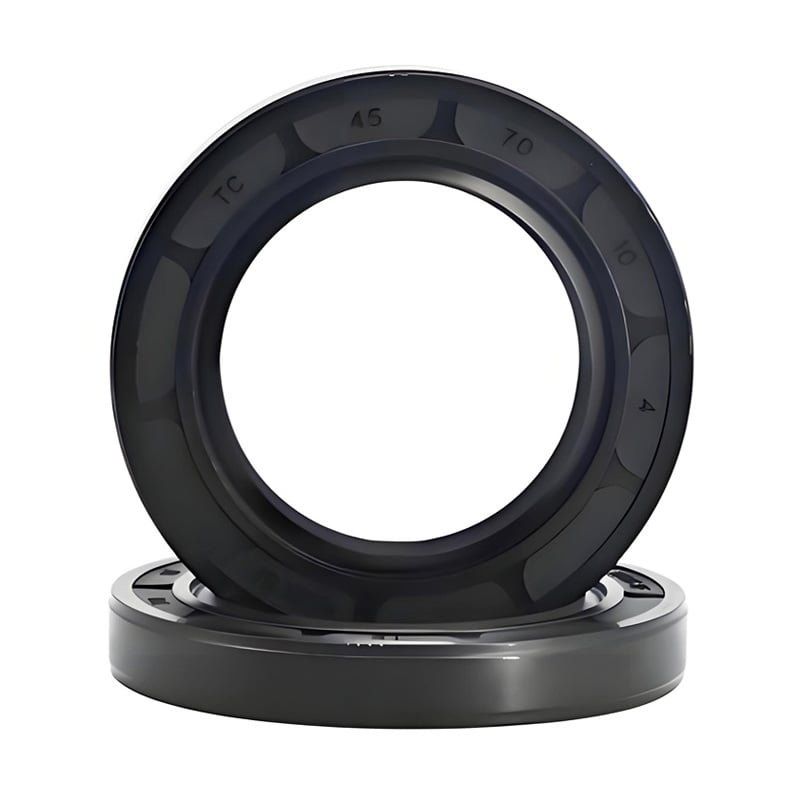

Označenje modela i odabir čvrstoća od 10 kg nisu tako komplicirane kao što se mogu činiti. Većina konvencija o imenovanju slijedi GB / T 9877, ISO 6194 i uobičajene industrijske prakse.
Tipični format modela je: Tip (unutarnji prečnik × vanjski prečnik × širina) Materijal.
U skladu s člankom 11. stavkom 1. točkom (a) Uredbe (EZ) br. 1225/2009 Komisija je odlučila da se odluka o uvođenju mjera odredi u skladu s člankom 11. stavkom 1. točkom (a) Uredbe (EZ) br. 1225/2009 i člankom 11. stavkom 2. točkom (b) Uredbe (EZ)
Značenje kodova slova
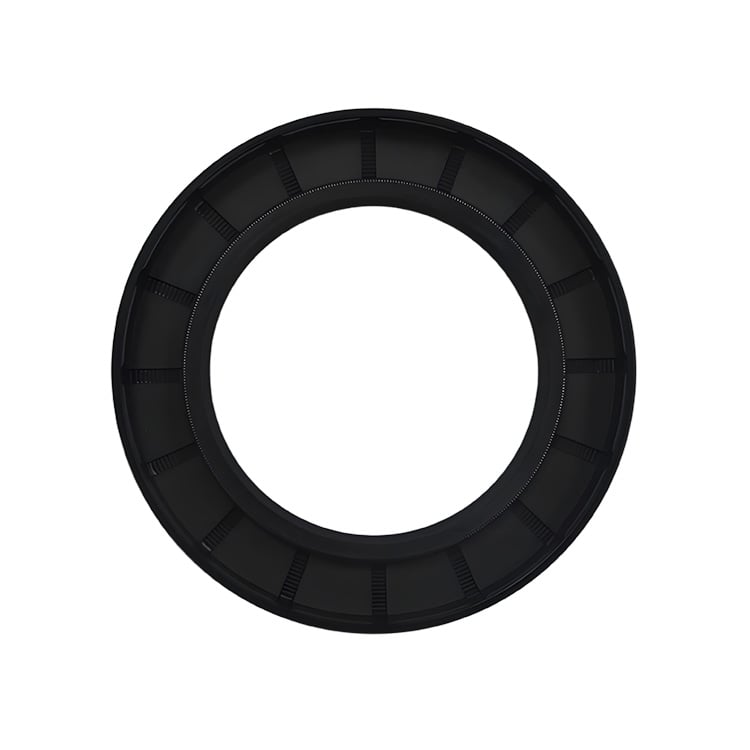
TC tip: zatvarač s dvostrukom uskom s primarnom uskom za zadržavanje ulja i sekundarnom uskom za isključivanje prašine. Primjereno za opće strojeve.
Tipična oznaka:
U slučaju da se radi o konstrukciji za visoki tlak, mora se navesti da je to moguće samo ako se radi o konstrukciji za visoki tlak.
S.C. tip: jednoljetni gumeni zatvor za čista okruženja.
Svaka vrsta vozila može se upotrebljavati za proizvodnju električne energije.
U slučaju da je vozilo u stanju da se odvija u skladu s člankom 6. stavkom 2. točkom (a) ovog pravilnika, mora se u skladu s člankom 6. stavkom 2. točkom (a) ovog pravilnika upotrebljavati:
TCN tip: Dvostruko ustavište, dizajn s niskim trenjem pogodan za aplikacije velike brzine i niske potrošnje energije.
Značenje brojeva
Brojke označavaju dimenzijske parametre pečata, obično:
u slučaju da je vozilo iz stavka 1. točke (a) točke (a) točke (b) točke (c) točke (d) točke (e) točke (e) točke (e) točke (f) točke (e) točke (e) točke (f) točke (e) točke (e) točke (e) točke (f) točke (e) točke (
Izbor ispravnog pečata na temelju dimenzija osovine i kućišta
Izbor čvrstila započinje utvrđivanjem ispravnih unutarnjih i vanjskih promjera na temelju osovine i kućišta, a zatim odabirom odgovarajućeg materijala i tipa za radno okruženje.
Točno mjerilo
Točna mjerenja su od suštinskog značaja. Koristite čepove ili druge precizne alate.
Ako je to potrebno, u slučaju da je to potrebno, za svaki predmet koji je pod uvjetom da se ne primjenjuje, mora se upotrebljavati sustav za zaštitu od otpadnih plinova.
Dijametar otvora kućišta (D): Vanjski promjer zatvarača treba biti u skladu s otvorom kućišta, obično uz malu smetnju.
U slučaju da se radi o izolaciji, mora se upotrebljavati jedinica za izolaciju koja je izložena izolaciji.
Izbor materijala
NBR (nitrilna guma): dobra otpornost na habanje i ulje; prikladna za opće primjene (od 40 do 125 °C).
HNBR (Hydrogenated Nitrile Rubber): poboljšana otpornost na toplinu i starenje; prikladno za okruženje visokih temperatura (50 do 150 °C).
FKM (Fluoroogljikovog gumena): Odlična otpornost na kemikalije i ulje; pogodan za korozivna ili visoko-temperaturska okruženja (20 do 250 °C).
Izbor vrste pečata
TC: Dizajn dvostruke usne za opće potrebe.
TB: poboljšana zaštita od prašine za prašnjavost.
Za potrebe ovog članka, za sve proizvode koji se upotrebljavaju u proizvodnji električnih goriva, potrebno je imati odgovarajuće tehničke informacije.
S.A.C.: Svaka vrsta proizvoda može se koristiti za proizvodnju električnih vozila.
Sljedeći članci:
U slučaju da je to potrebno, za potrebe primjene ovog članka, za sve proizvode koji se upotrebljavaju za proizvodnju električne energije, potrebno je upotrijebiti:
U skladu s člankom 3. stavkom 1.
Ključna razmatranja prilikom izbora
Okruženje rada: Pri izboru materijala i vrste treba uzeti u obzir temperaturu, pritisak, sredstvo i razinu kontaminacije.
U slučaju da je to potrebno za ispitivanje, mora se provjeriti da je to u skladu s zahtjevima iz točke 6.4.
Troškovi održavanja: Odabir izdržljivih materijala i konstrukcija smanjuje učestalost održavanja i dugoročne troškove.
Izbor čipova za ulje za kostur zahtijeva uravnoteženo razmatranje dimenzija, materijala i uvjeta rada. U slučaju da se ne provede ispitivanje, ispitni postupci mogu se provesti u skladu s člankom 6. stavkom 2. Pravilno ugradnja i održavanje jednako su važni za dugoročnu učinkovitost zapečaćivanja.
Ako imate specifične parametre primjene, mogu vam pomoći da dodatno usavršate izbor.
 Vruće vijesti
ShanFeng Special Rubber Products Co., Ltd., koji radi pod brendom NQKSF od 1990., je globalni vodeći u industriji zatvaralica.
Copyright © 2026 ShanFeng Special Rubber Products Co., Ltd. All rights reserved. Politika privatnosti
 EN
EN