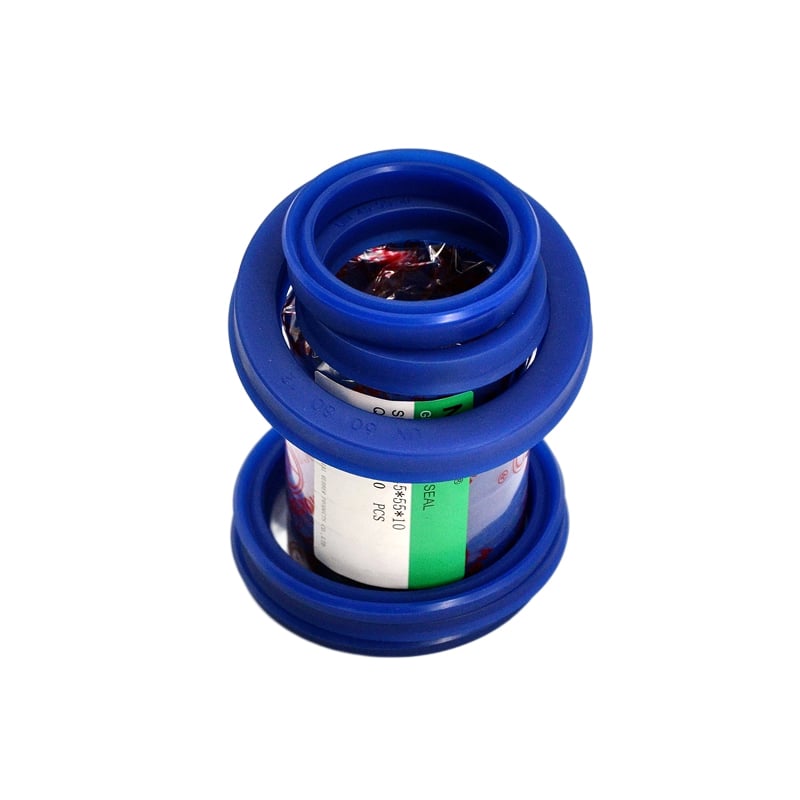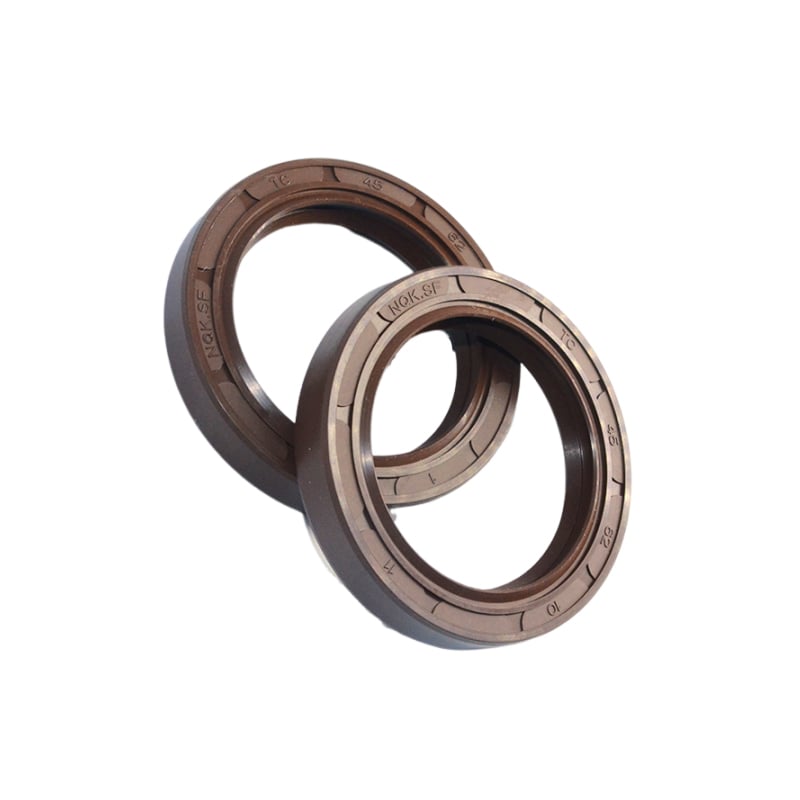

W urządzeniach obrotowych uszczelka pierścieniowa pełni ważną rolę w utrzymaniu smarowania, zapobieganiu zanieczyszczeniom oraz zapewnianiu stabilnej pracy. Wiele problemów z wyciekiem nie wynika z samej uszczelki pierścieniowej, lecz z pominięcia rzeczywistych warunków eksploatacji podczas jej doboru. Gdy takie czynniki jak ugięcie wału, prędkość obrotowa, rodzaj medium, temperatura, ciśnienie lub dostępna przestrzeń montażowa nie są zgodne z parametrami uszczelki pierścieniowej, nawet jej wymiana na nową nie pozwoli zapewnić stabilnego uszczelnienia. Dlatego też zrozumienie parametrów urządzenia oraz odpowiedni dobór konstrukcji i materiału uszczelki pierścieniowej stanowią klucz do zapewnienia niezawodności uszczelnienia.
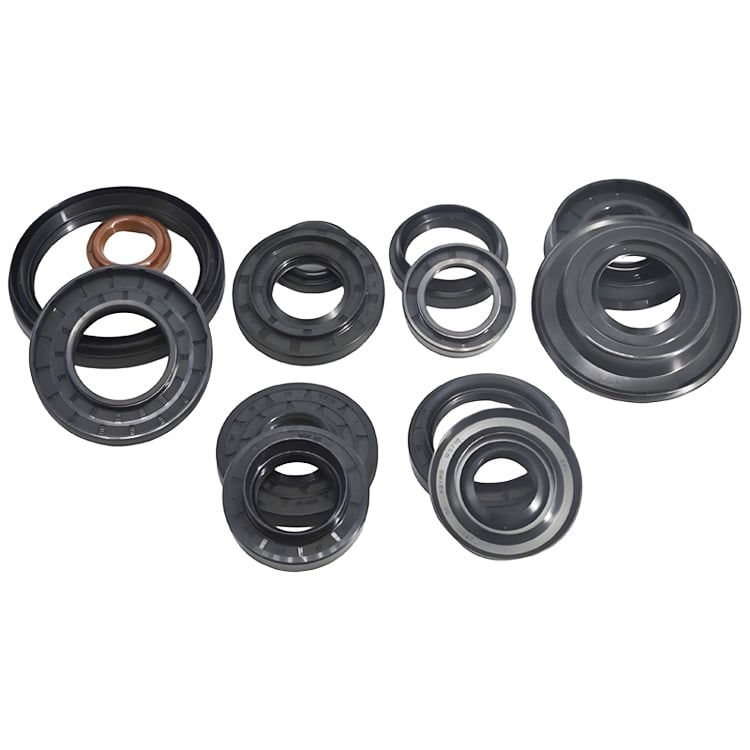
The szczelność olejowa składa się zwykle z gumowego korpusu, metalowej obudowy oraz sprężyny typu garter. Rzeczywistą funkcję uszczelniającą pełni krawędź wargi, która opiera się na nacisku kontaktowym wywieranym na powierzchnię wału, powstawaniu cienkiej warstwy oleju podczas obrotu oraz chropowatości i twardości powierzchni wału. Stabilna długotrwała praca uszczelki olejowej zależy od tego, czy warunki eksploatacyjne pozwalają wadze utrzymać warstwę oleju i wciskanie wstępne przy kontrolowanym zużyciu, a nie wyłącznie od zgodności wymiarów.
Podczas doboru parametry wyposażenia można podzielić na informacje podstawowe oraz kluczowe punkty ryzyka. Informacje podstawowe obejmują średnicę wału, średnicę otworu korpusu, szerokość montażową, prędkość obrotową, temperaturę, rodzaj medium oraz kierunek uszczelniania. Określają one, czy uszczelka olejowa może zostać prawidłowo zamontowana i osiągnąć podstawową zdolność uszczelniania. Kluczowe punkty ryzyka obejmują m.in. ekscentryczność i bieganie wału, chropowatość oraz twardość powierzchni, obecność śladów śrubowych, możliwość gromadzenia się ciśnienia w przestrzeni komory, zanieczyszczenia zewnętrzne (pył lub błoto) oraz to, czy warunki montażu zapewniają zaokrąglenia (fazowanie) i środki ochronne. Czynniki te często decydują o czasie pracy uszczelki olejowej i stanowią pierwotną przyczynę wielu problemów z przeciekaniem.
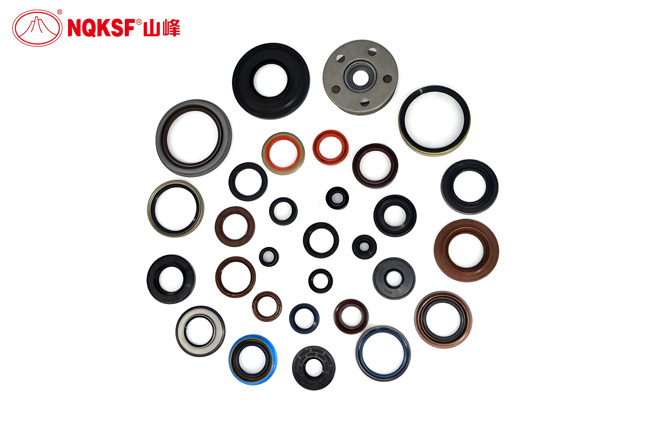
Po zapoznaniu się z parametrami urządzenia należy dobrać konstrukcję i materiał uszczelki olejowej na podstawie warunków eksploatacji. Prędkość jest głównym czynnikiem wpływającym na temperaturę wargi uszczelkowej oraz stabilność filmu olejowego. W warunkach wysokiej prędkości należy zwrócić uwagę na odporność materiału na ciepło oraz właściwości tarcia wargi, natomiast w przypadku urządzeń pracujących z prędkością średnią lub niską większy nacisk kładzie się na odporność na olej oraz stabilność wymiarową. Istotne znaczenie ma również środowisko zewnętrzne. W pylnych, błotnistych lub bogatych w cząstki obiektach zanieczyszczenia przyspieszają zużycie wargi, dlatego w celu utrzymania stabilnego filmu olejowego na głównej wargie należy stosować konstrukcję z wargą przeciwpyłową lub dodatkową zewnętrzną ochronę. Skład medium wpływa również na zgodność materiału. Dodatki, detergenty lub składniki paliwowe obecne w różnych olejach mogą powodować rozprężanie, utwardzanie lub pękanie gumy, dlatego przed doborem należy potwierdzić rodzaj medium oraz zakres temperatury pracy.
Warunki ciśnienia i odpływu oleju stanowią kolejny czynnik, który łatwo pominąć. Uszczelki tzw. szkieletowe są bardziej odpowiednie do warunków zerowego lub niskiego ciśnienia. Jeśli w komorze gromadzi się ciśnienie — na przykład z powodu małych otworów odpływu oleju, zbyt wysokiego poziomu oleju lub słabej wentylacji — standardowa uszczelka olejowa może zostać rozepchnięta wzdłuż krawędzi uszczelniającej, co spowoduje wyciek. W takich przypadkach konieczne jest ulepszenie konstrukcji odpływu oleju lub zastosowanie rozwiązania uszczelniającego odpornego na ciśnienie, a nie jedynie wymiana uszczelki olejowej.
Stan wału ma bezpośredni wpływ na trwałość uszczelki olejowej. Zbyt duża chropowatość przyspiesza zużycie krawędzi uszczelkowej, podczas gdy zbyt mała chropowatość może powodować niestabilność warstwy olejowej. Wały o niewystarczającej twardości mogą ulec wygięciu w wyniku kontaktu z krawędzią uszczelkową. Wibracje wału lub jego ekscentryczność powodują cykliczne obciążenie krawędzi uszczelkowej, co prowadzi do przerwania warstwy olejowej i pogorszenia właściwości uszczelniających. W przypadku długotrwałej eksploatacji lub urządzeń krytycznych można rozważyć zastosowanie wkładek odpornych na zużycie lub obróbkę powierzchniową w celu poprawy trwałości i stabilności wału.
Warunki montażu decydują również o tym, czy uszczelka olejowa zostanie prawidłowo zamontowana. Brak fazowania, ostre krawędzie wału, wpusty klucze lub gwinty mogą uszkodzić krawędź uszczelkową podczas montażu. Rysy na średnicy zewnętrznej występujące podczas wciskania mogą również powodować wycieki. Dlatego dobór uszczelki musi uwzględniać dostępne miejsce montażowe oraz metodę montażu, aby zapewnić jej prawidłowe umieszczenie w pozycji roboczej.
Ogólnie rzecz biorąc, dobór uszczelki pierścieniowej powinien rozpocząć się od analizy warunków eksploatacji urządzenia, z kolejnym potwierdzeniem wymiarów, prędkości obrotowej, temperatury, medium roboczego, środowiska, ciśnienia, stanu wału oraz warunków montażu, a następnie dobraniem odpowiedniej konstrukcji i materiału. Dzięki systemowej analizie ryzyko wycieków można znacznie ograniczyć, zapewniając stabilną pracę układu uszczelniającego w rzeczywistych warunkach eksploatacji.
 Gorące wiadomości
ShanFeng Special Rubber Products Co., Ltd., działająca pod marką NQKSF od 1990 roku, jest globalnym liderem w branży szczelnikowej.
Copyright © 2026 ShanFeng Special Rubber Products Co., Ltd. All rights reserved. POLITYKA PRYWATNOŚCI
 EN
EN