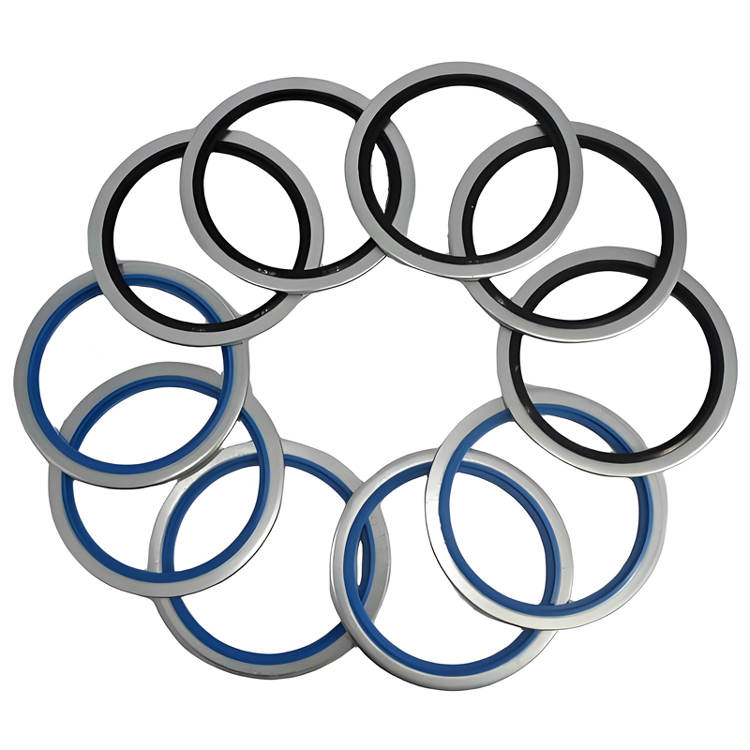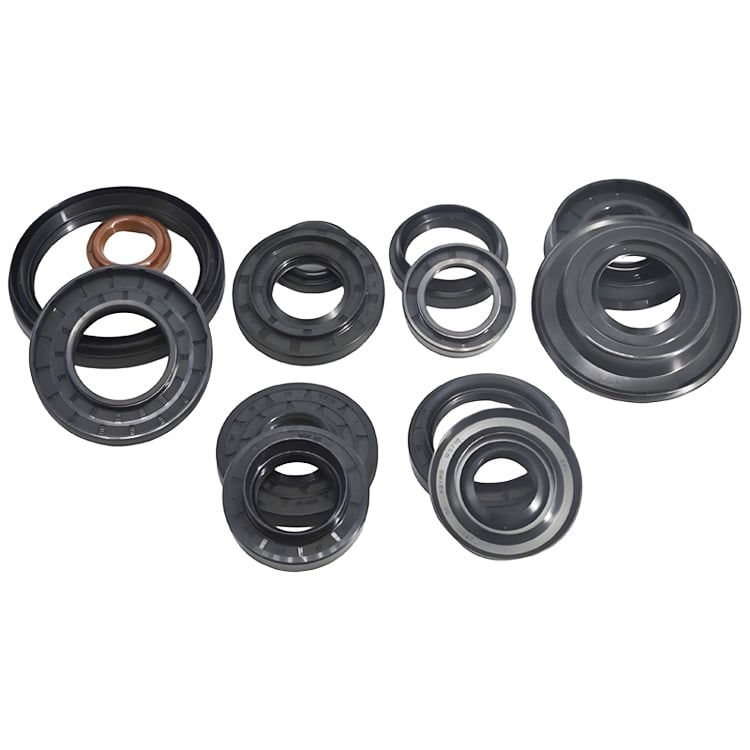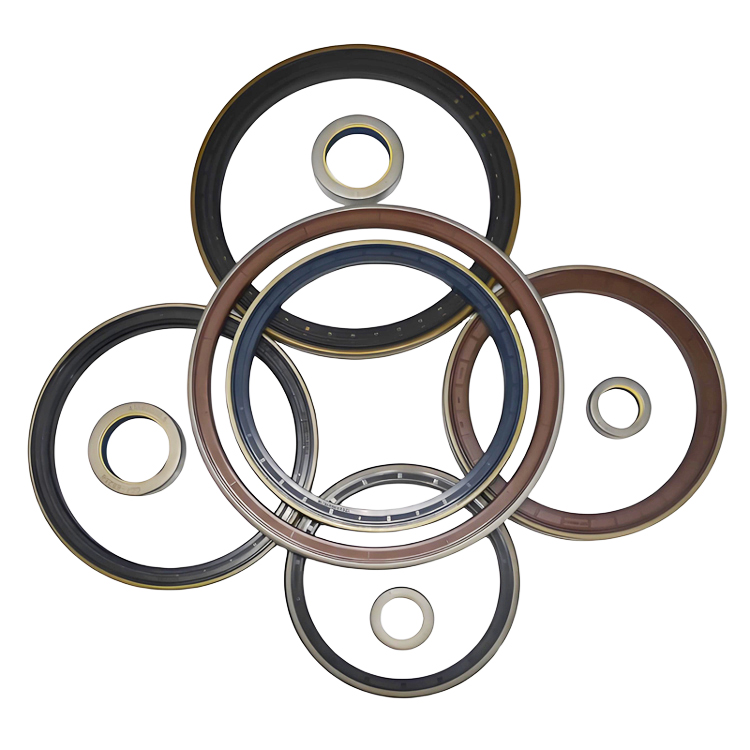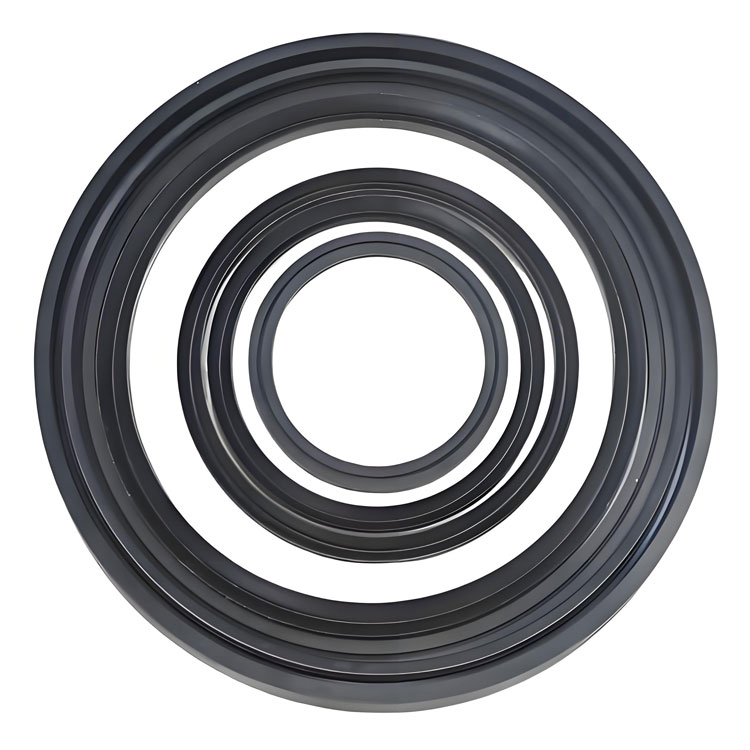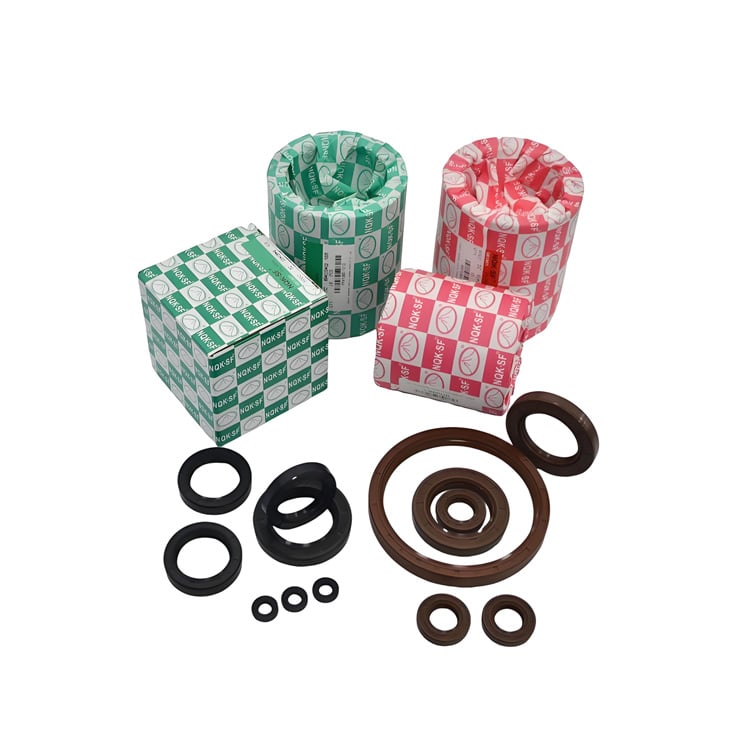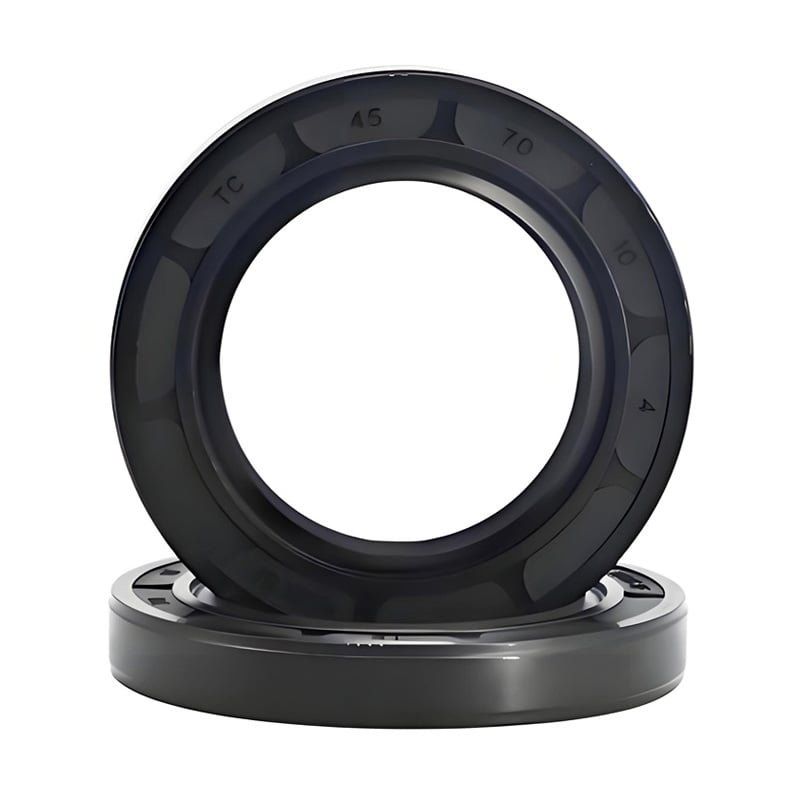

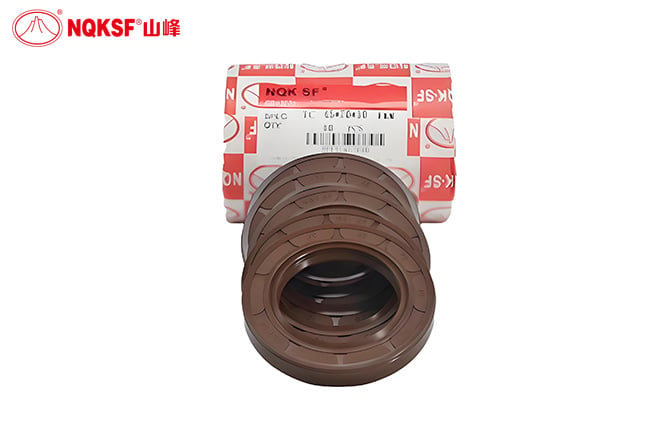
FKM TC oil seals are mainly considered when a rotating shaft operates under higher temperatures or encounters oils, fuels, and fluids that place greater demands on elastomer compatibility.
Compared with standard NBR applications, FKM becomes more relevant when heat and chemical resistance are important selection factors.
Automotive Applications
Engine and transmission components can expose seals to elevated temperatures, lubricants, and fuel-related fluids.
FKM's resistance to heat and many oil-based media makes it suitable for selected automotive shaft-sealing applications where conventional elastomers may have more limited temperature capability.
Industrial Equipment
FKM TC seals can also be used in pumps, compressors, gear drives, and other industrial machinery operating under demanding thermal conditions.
The TC configuration provides a primary sealing lip for lubricant retention and an additional lip that helps limit external contamination.
Why Choose FKM?
The reason to select FKM is not simply that it is a different rubber compound.
Its value becomes clearer when the application combines rotary movement, elevated temperature, and demanding fluid exposure.
However, FKM should still be checked against the actual medium. Certain chemicals and operating conditions may require a different elastomer or seal design.
For this reason, temperature, fluid compatibility, shaft speed, pressure, and lubrication should all be considered before selecting an FKM TC oil seal.
 Hot News
ShanFeng Special Rubber Products Co., Ltd., operating under brand NQKSF since 1990, is a global leader in the sealing industry.
Copyright © 2026 ShanFeng Special Rubber Products Co., Ltd. All rights reserved. Privacy Policy
 EN
EN